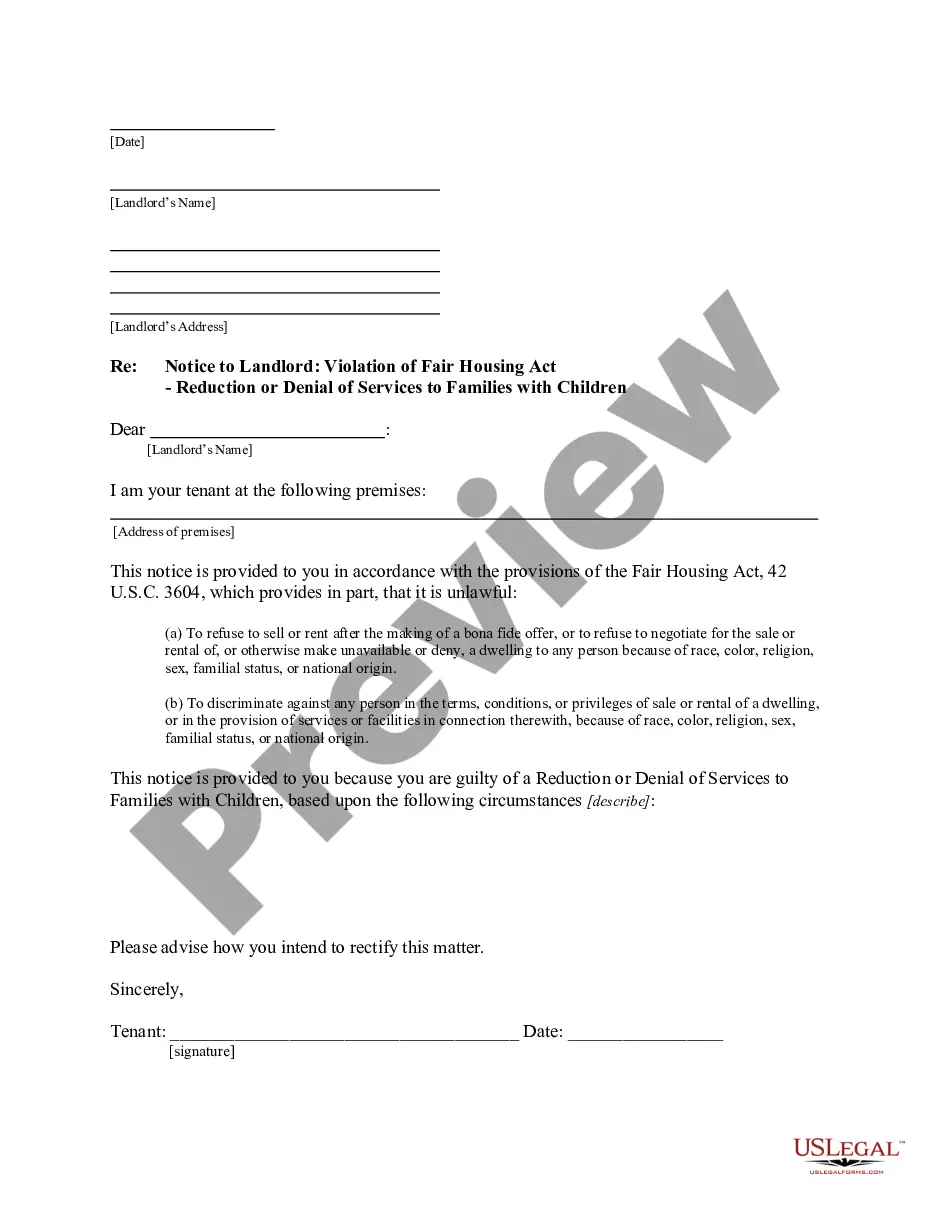
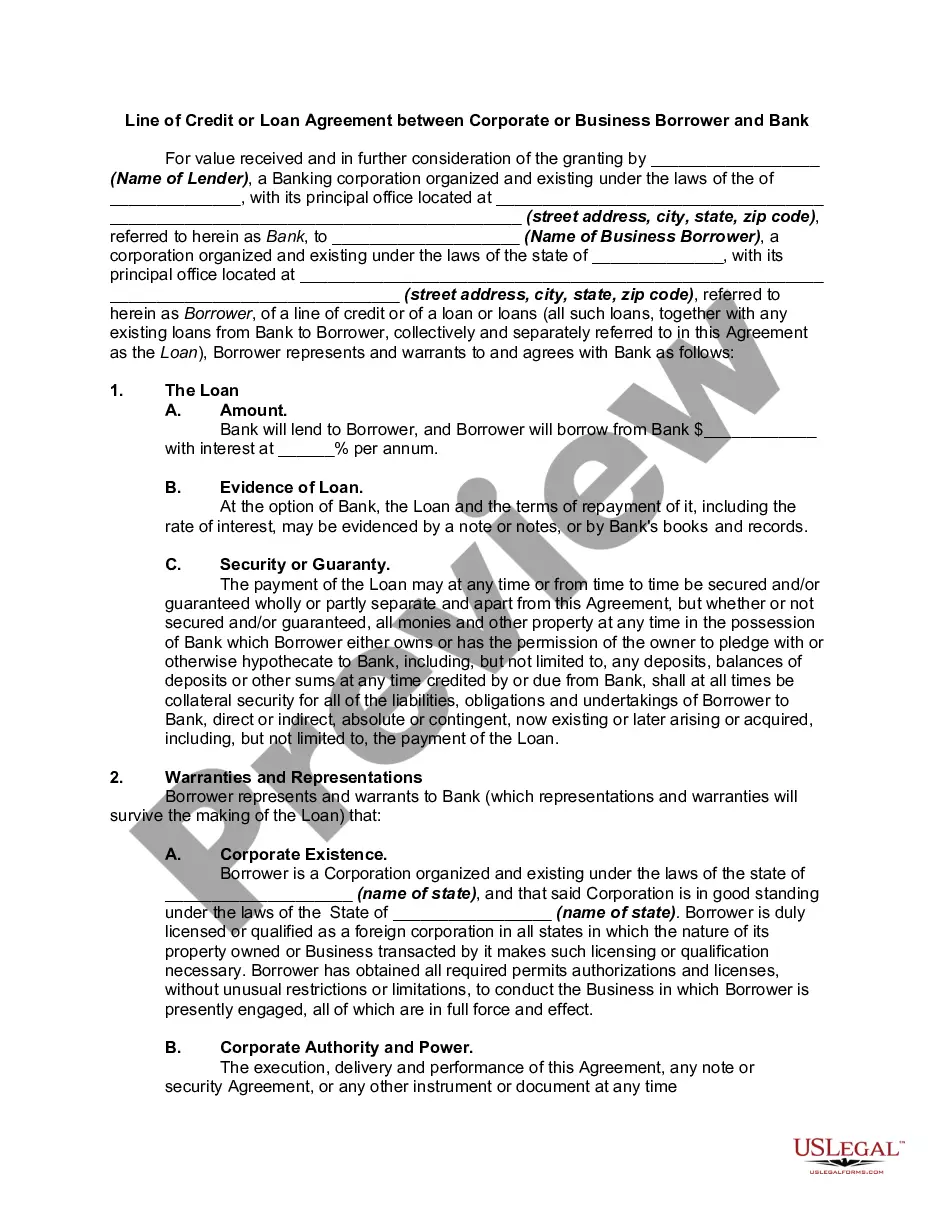
Title Vii Regulations In Santa Clara
Description




Get your form ready online
Our built-in tools help you complete, sign, share, and store your documents in one place.
Make edits, fill in missing information, and update formatting in US Legal Forms—just like you would in MS Word.
Download a copy, print it, send it by email, or mail it via USPS—whatever works best for your next step.
Sign and collect signatures with our SignNow integration. Send to multiple recipients, set reminders, and more. Go Premium to unlock E-Sign.
If this form requires notarization, complete it online through a secure video call—no need to meet a notary in person or wait for an appointment.
We protect your documents and personal data by following strict security and privacy standards.

Make edits, fill in missing information, and update formatting in US Legal Forms—just like you would in MS Word.

Download a copy, print it, send it by email, or mail it via USPS—whatever works best for your next step.

Sign and collect signatures with our SignNow integration. Send to multiple recipients, set reminders, and more. Go Premium to unlock E-Sign.

If this form requires notarization, complete it online through a secure video call—no need to meet a notary in person or wait for an appointment.

We protect your documents and personal data by following strict security and privacy standards.
Looking for another form?









Form popularity
FAQ
This subchapter shall not apply to an employer with respect to the employment of aliens outside any State, or to a religious corporation, association, educational institution, or society with respect to the employment of individuals of a particular religion to perform work connected with the carrying on by such ...
Does Title VII apply to all employers? Title VII applies to private-sector employers with 15 or more employees, to state and local government employers with 15 or more employees, and to the federal government as an employer. Title VII also applies to unions and employment agencies.
Title VII of the Civil Rights Act does not cover federal employees or independent contractors. However, federal employees are protected against discrimination by other federal anti-discrimination laws.
Simply put, Title VII does not apply to every employer. In fact, as a general rule, it typically only covers private and public sector employers with 15 or more employees. These employees may include: Part-time employees.
In fact, the title defines an employee as simply "an individual employed by an employer." Therefore, assuming they work — or are applying to work — for a covered employer as outlined above, Title VII provides discrimination protection for all employees, former employees, and those applying to be employees.
Under FEHA, individuals who believe they have been harassed or discriminated against must file a complaint with the California Department of Fair Employment and Housing (DFEH) within three years for their claims to be considered.
In general, a complaint of employment discrimination must be filed within three years from the date an alleged discriminatory act occurred. You must file a complaint with CRD even if you wish to file a case directly in court.
A job discrimination complaint may be filed by mail or in person at the nearest EEOC office. You can find the closest EEOC office by calling the EEOC at 1-800-669-4000, or by going to the EEOC's Field Office List and Jurisdiction Map and selecting the office closest to you.
In employment cases, you must submit an intake form to CRD within three years of the date you were last harmed. In most other cases, you must do this within one year of the date you were last harmed. You do not have to use the CRD investigation process. You can instead file your own lawsuit.
It will not only benefit you, but your co-workers as well because it will likely make your workplace safer by creating a better environment for all. When you sue, you can also obtain a legal remedy for the discrimination you have faced. Employers often offer a significant sum in these cases.