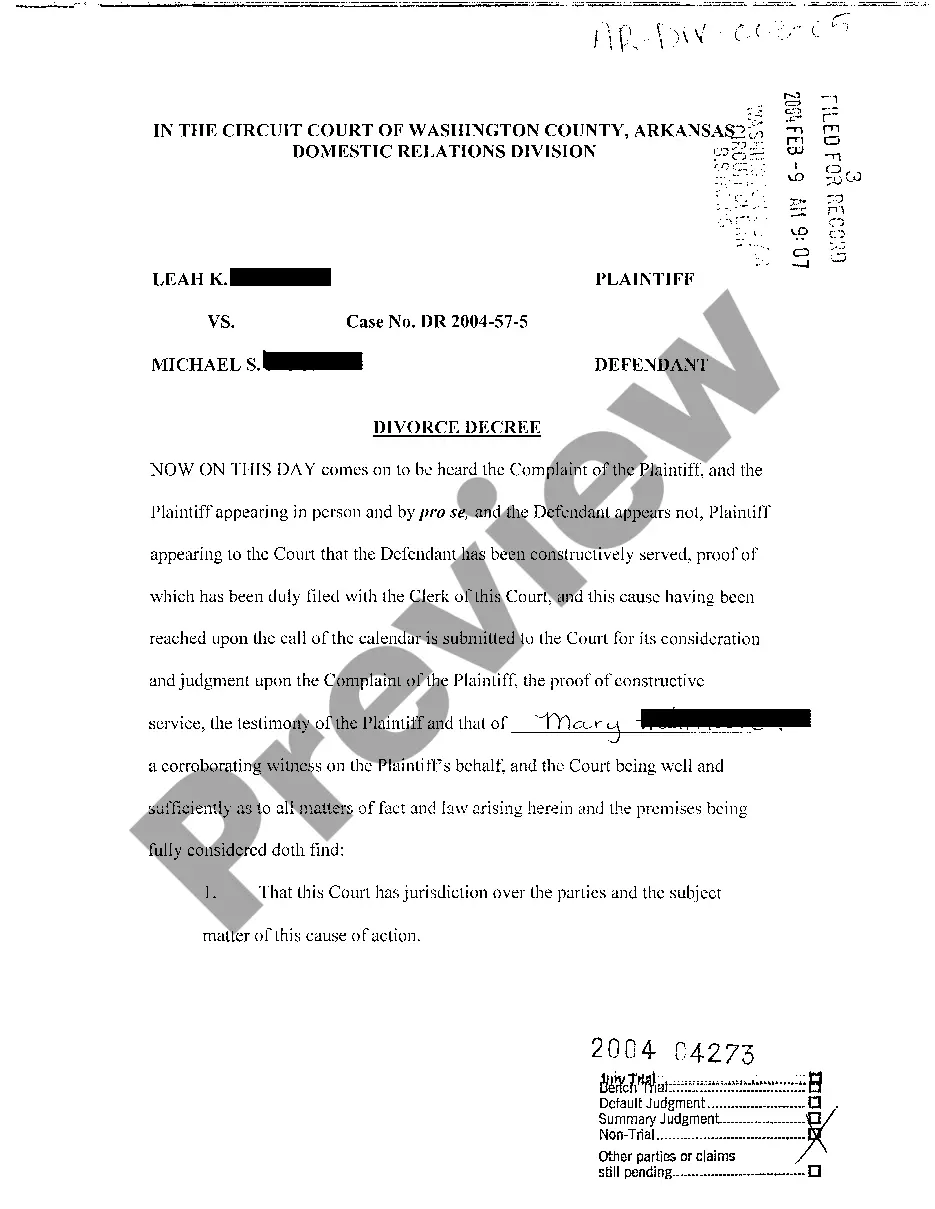
Discrimination Definition By Authors In Sacramento
Description




Get your form ready online
Our built-in tools help you complete, sign, share, and store your documents in one place.
Make edits, fill in missing information, and update formatting in US Legal Forms—just like you would in MS Word.
Download a copy, print it, send it by email, or mail it via USPS—whatever works best for your next step.
Sign and collect signatures with our SignNow integration. Send to multiple recipients, set reminders, and more. Go Premium to unlock E-Sign.
If this form requires notarization, complete it online through a secure video call—no need to meet a notary in person or wait for an appointment.
We protect your documents and personal data by following strict security and privacy standards.

Make edits, fill in missing information, and update formatting in US Legal Forms—just like you would in MS Word.

Download a copy, print it, send it by email, or mail it via USPS—whatever works best for your next step.

Sign and collect signatures with our SignNow integration. Send to multiple recipients, set reminders, and more. Go Premium to unlock E-Sign.

If this form requires notarization, complete it online through a secure video call—no need to meet a notary in person or wait for an appointment.

We protect your documents and personal data by following strict security and privacy standards.
Looking for another form?


Form popularity
FAQ
To prove discrimination in the workplace, wrongful termination or workplace retaliation in California, you may need to present evidence that: You have been treated unjustly based on one of your protected characteristics. You are qualified, capable and honest and performed your job satisfactorily.
The following would be considered illegal discrimination if there is evidence that the decision was made based on a protected characteristic: Sexual Harassment. Refusal to Provide Services. Unfair Lending Practices. Misrepresenting the Availability of Housing. Refusal to Allow “Reasonable Modifications” Refusing Rental.
A simplified description of the legal definition of discrimination is when a person is treated disfavourably or when a person's dignity is violated.
On September 27, 2024, California Governor Gavin Newsom signed Senate Bill (SB) 1137 into law, clarifying that discrimination can happen based on an intersection or combination of protected characteristics.
The following definitions are from the University of California – Anti-Discrimination Policy. Discrimination is defined as an Unfavorable Action taken because of an individual's actual or perceived Protected Category. Here are additional definitions as it relates to discrimination: Unfavorable Action.
Discrimination is thus the act of treating two – otherwise identical individuals – differently based on any attribute, behaviour, or characteristic that allows one to distinguish them.