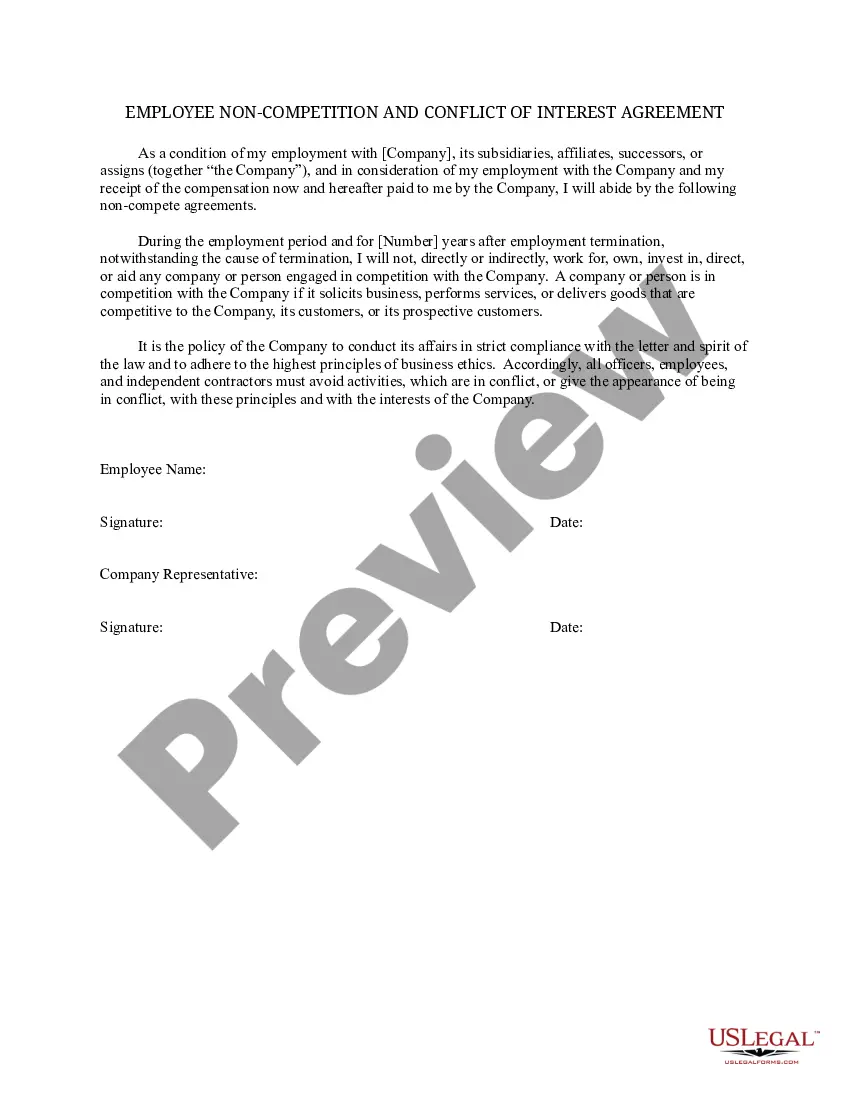
Title Vii Rights With Cps In Ohio
Description




Get your form ready online
Our built-in tools help you complete, sign, share, and store your documents in one place.
Make edits, fill in missing information, and update formatting in US Legal Forms—just like you would in MS Word.
Download a copy, print it, send it by email, or mail it via USPS—whatever works best for your next step.
Sign and collect signatures with our SignNow integration. Send to multiple recipients, set reminders, and more. Go Premium to unlock E-Sign.
If this form requires notarization, complete it online through a secure video call—no need to meet a notary in person or wait for an appointment.
We protect your documents and personal data by following strict security and privacy standards.

Make edits, fill in missing information, and update formatting in US Legal Forms—just like you would in MS Word.

Download a copy, print it, send it by email, or mail it via USPS—whatever works best for your next step.

Sign and collect signatures with our SignNow integration. Send to multiple recipients, set reminders, and more. Go Premium to unlock E-Sign.

If this form requires notarization, complete it online through a secure video call—no need to meet a notary in person or wait for an appointment.

We protect your documents and personal data by following strict security and privacy standards.
Looking for another form?









Form popularity
FAQ
Yes, you or your child can refuse to talk to CPS unless they have a warrant or a cout order. However, the difficulty with refusing to talk to CPS is that they are a powerful agency with a well-earned reputation for stepping all over the rights of the folks that they are investigation.
Unless the caseworker has a court order, you do not have to allow the caseworker into your house, permit her to talk to your children, sign releases for any of your personal information or consent to any evaluations or tests. You also have a right to have an attorney present when you talk to a caseworker.
Except as provided below, a report made under this section is confidential. The information provided in a report and the name of the person who made the report shall not be released for use and shall not be used as evidence in any civil action or proceeding brought against the person who made the report.
Sometimes, a state agency has the right to remove a child from their home on an emergency basis and without court intervention. Law enforcement can conduct an emergency removal of a child if there are reasonable grounds to believe that removal is necessary to prevent an immediate threat of harm to the child.
Unless the caseworker has a court order, you do not have to allow the caseworker into your house, permit her to talk to your children, sign releases for any of your personal information or consent to any evaluations or tests. You also have a right to have an attorney present when you talk to a caseworker.
The state's child protective services programs are administered locally by 88 county public children services agencies (PCSAs). PCSAs assess and investigate reports of child abuse, neglect, or dependency, as required by state law.
The Ohio Department of Job and Family Services (ODJFS) controls the children's services. However, each county has its own public children services agency (PCSA) that handles the child protective services program.