Civil Rights Act And Title Vii In Minnesota
Description
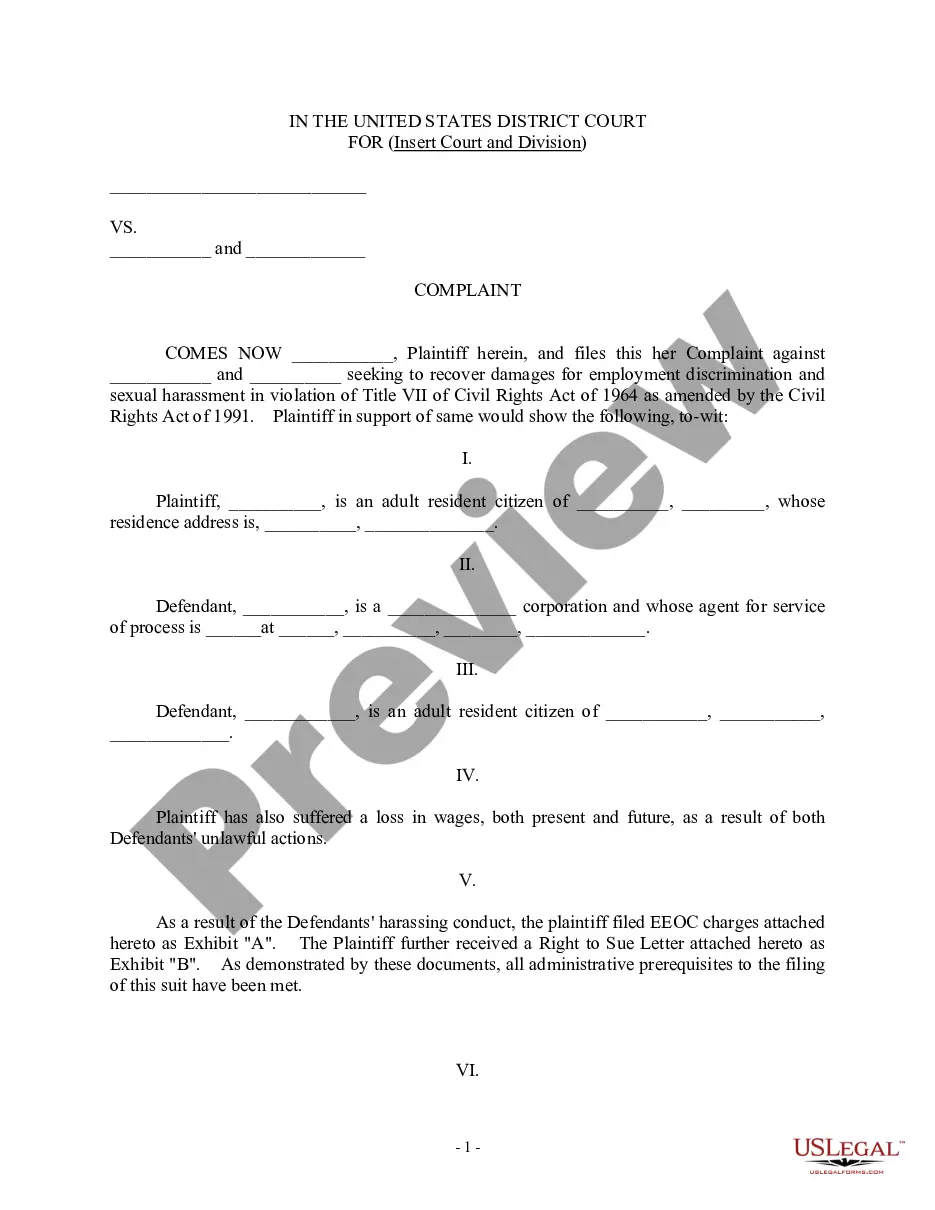
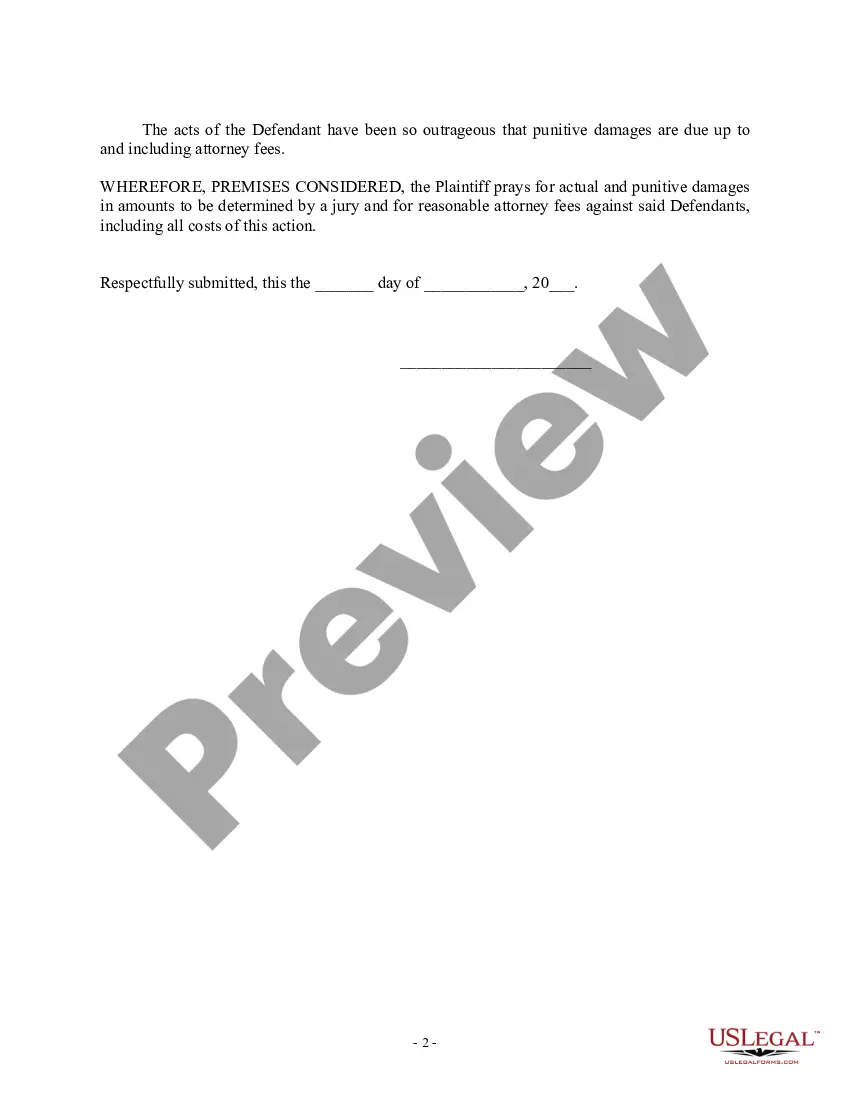
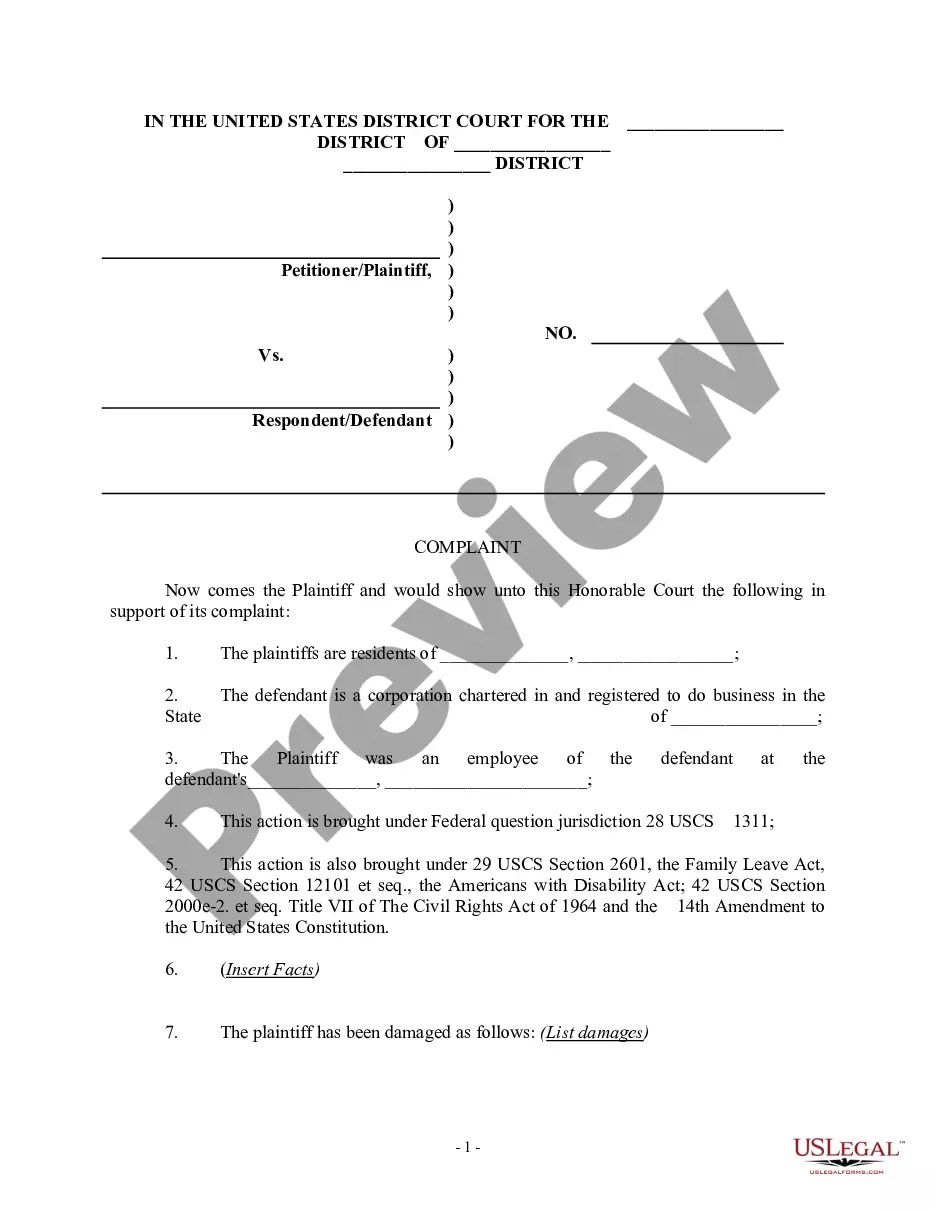
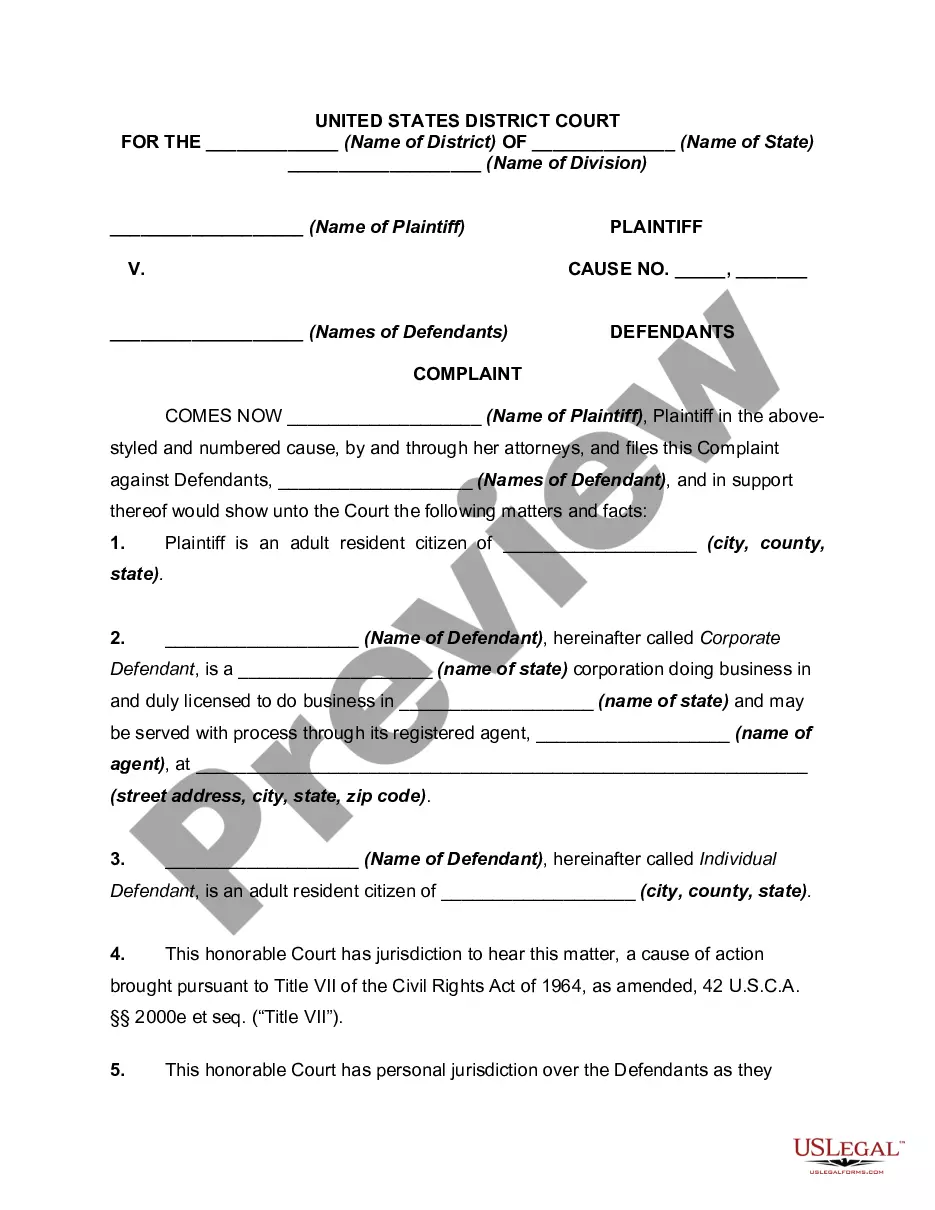
Get your form ready online
Our built-in tools help you complete, sign, share, and store your documents in one place.
Make edits, fill in missing information, and update formatting in US Legal Forms—just like you would in MS Word.
Download a copy, print it, send it by email, or mail it via USPS—whatever works best for your next step.
Sign and collect signatures with our SignNow integration. Send to multiple recipients, set reminders, and more. Go Premium to unlock E-Sign.
If this form requires notarization, complete it online through a secure video call—no need to meet a notary in person or wait for an appointment.
We protect your documents and personal data by following strict security and privacy standards.

Make edits, fill in missing information, and update formatting in US Legal Forms—just like you would in MS Word.

Download a copy, print it, send it by email, or mail it via USPS—whatever works best for your next step.

Sign and collect signatures with our SignNow integration. Send to multiple recipients, set reminders, and more. Go Premium to unlock E-Sign.

If this form requires notarization, complete it online through a secure video call—no need to meet a notary in person or wait for an appointment.

We protect your documents and personal data by following strict security and privacy standards.
Looking for another form?
Form popularity
FAQ
The Minnesota Human Rights Act (MHRA) is the state law prohibiting discrimination in Minnesota and is enforced by the Minnesota Department of Human Rights (MDHR). It is one of the strongest civil rights laws in the country.
Highlights. Under Title VII, a discriminatory job transfer is actionable if the transfer resulted in some harm with respect to an identifiable term or condition of employment. The harm suffered by the transferred employee need not be "significant" to maintain a Title VII claim.
Minnesota Human Rights Act. The Minnesota Human Rights Act (MHRA) is the state law prohibiting discrimination in Minnesota and is enforced by the Minnesota Department of Human Rights (MDHR). It is one of the strongest civil rights laws in the country.
It will not only benefit you, but your co-workers as well because it will likely make your workplace safer by creating a better environment for all. When you sue, you can also obtain a legal remedy for the discrimination you have faced. Employers often offer a significant sum in these cases.
A job discrimination complaint may be filed by mail or in person at the nearest EEOC office. You can find the closest EEOC office by calling the EEOC at 1-800-669-4000, or by going to the EEOC's Field Office List and Jurisdiction Map and selecting the office closest to you.
In fact, the title defines an employee as simply "an individual employed by an employer." Therefore, assuming they work — or are applying to work — for a covered employer as outlined above, Title VII provides discrimination protection for all employees, former employees, and those applying to be employees.
One primary option is the Minnesota Department of Human Rights (MDHR). This state agency investigates discrimination claims and enforces Minnesota's anti-discrimination laws. You can file a complaint online or by contacting their office directly for guidance.
However, discrimination is a state of mind and, therefore, notoriously hard to prove. Sophisticated employers are well aware that discrimination is illegal. Thus, most cases are established through circumstantial evidence.
Civil rights usually arise from laws, legislation, and case law prohibiting discrimination and protecting your constitutional rights. There are many legal definitions of discriminatory acts. These originate at the federal level through federal legislation or court decisions.