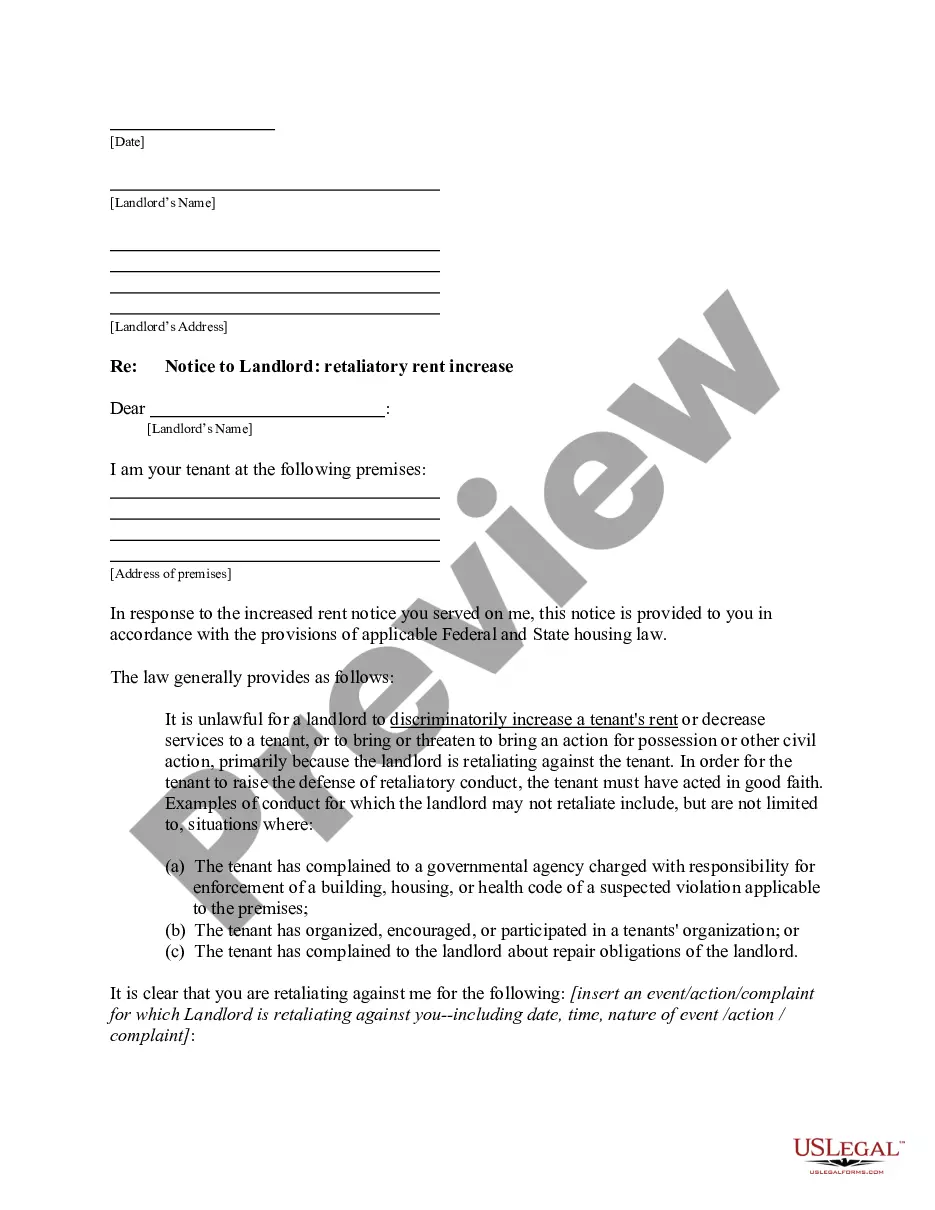
Employment Workplace Discrimination Within The United States In Massachusetts
Description




Get your form ready online
Our built-in tools help you complete, sign, share, and store your documents in one place.
Make edits, fill in missing information, and update formatting in US Legal Forms—just like you would in MS Word.
Download a copy, print it, send it by email, or mail it via USPS—whatever works best for your next step.
Sign and collect signatures with our SignNow integration. Send to multiple recipients, set reminders, and more. Go Premium to unlock E-Sign.
If this form requires notarization, complete it online through a secure video call—no need to meet a notary in person or wait for an appointment.
We protect your documents and personal data by following strict security and privacy standards.

Make edits, fill in missing information, and update formatting in US Legal Forms—just like you would in MS Word.

Download a copy, print it, send it by email, or mail it via USPS—whatever works best for your next step.

Sign and collect signatures with our SignNow integration. Send to multiple recipients, set reminders, and more. Go Premium to unlock E-Sign.

If this form requires notarization, complete it online through a secure video call—no need to meet a notary in person or wait for an appointment.

We protect your documents and personal data by following strict security and privacy standards.
Looking for another form?






Form popularity
FAQ
Evidence takes several forms. It includes your testimony, which is the very first evidence gathered by EEOC. It also includes written materials such as evaluations, notes by your employer, letters, memos, and the like. You will be asked to provide any documents you may have that relate to your case.
The easiest way to prove unlawful discrimination is through the use of direct evidence. Direct evidence is the kind that, if believed, requires a conclusion that unlawful discrimination motivated the employer's decision. Direct evidence requires no inference or presumption.
Document the information during or directly after the event so the details are as accurate as possible. Next, save copies of memos or emails that exhibit illegal or unfair practices. To support your claim, the last step is: ask witnesses to record their observations of what happened to support your claim.
Evidence in a discrimination case in California typically includes: emails, text messages, recordings, disciplinary forms, termination documents, or a copy of your employment contract if one exists. If you're like most Californians, you spend an inordinate amount of time at work.
Yes. Workplace discrimination is only illegal if it's because of race, gender, religion, sexual orientation, national origin, age (over 40), disability, pregnancy, genetic information, or military status.
Keep a Written Record: The first step in documenting employment discrimination is to keep a written record of every incident that occurs. Your records should include dates, times, locations, who was involved, who witnessed it, and details of what exactly happened.
After you submit a written complaint of discrimination, it is likely that an HR rep will contact you and interview you. The HR rep will take notes of the conversation.
Massachusetts law prohibits discrimination on the basis of a person's membership in a protected class, such as: Race (including natural & protective hairstyles) Color. Disability.
The following would be considered illegal discrimination if there is evidence that the decision was made based on a protected characteristic: Sexual Harassment. Refusal to Provide Services. Unfair Lending Practices. Misrepresenting the Availability of Housing. Refusal to Allow “Reasonable Modifications” Refusing Rental.