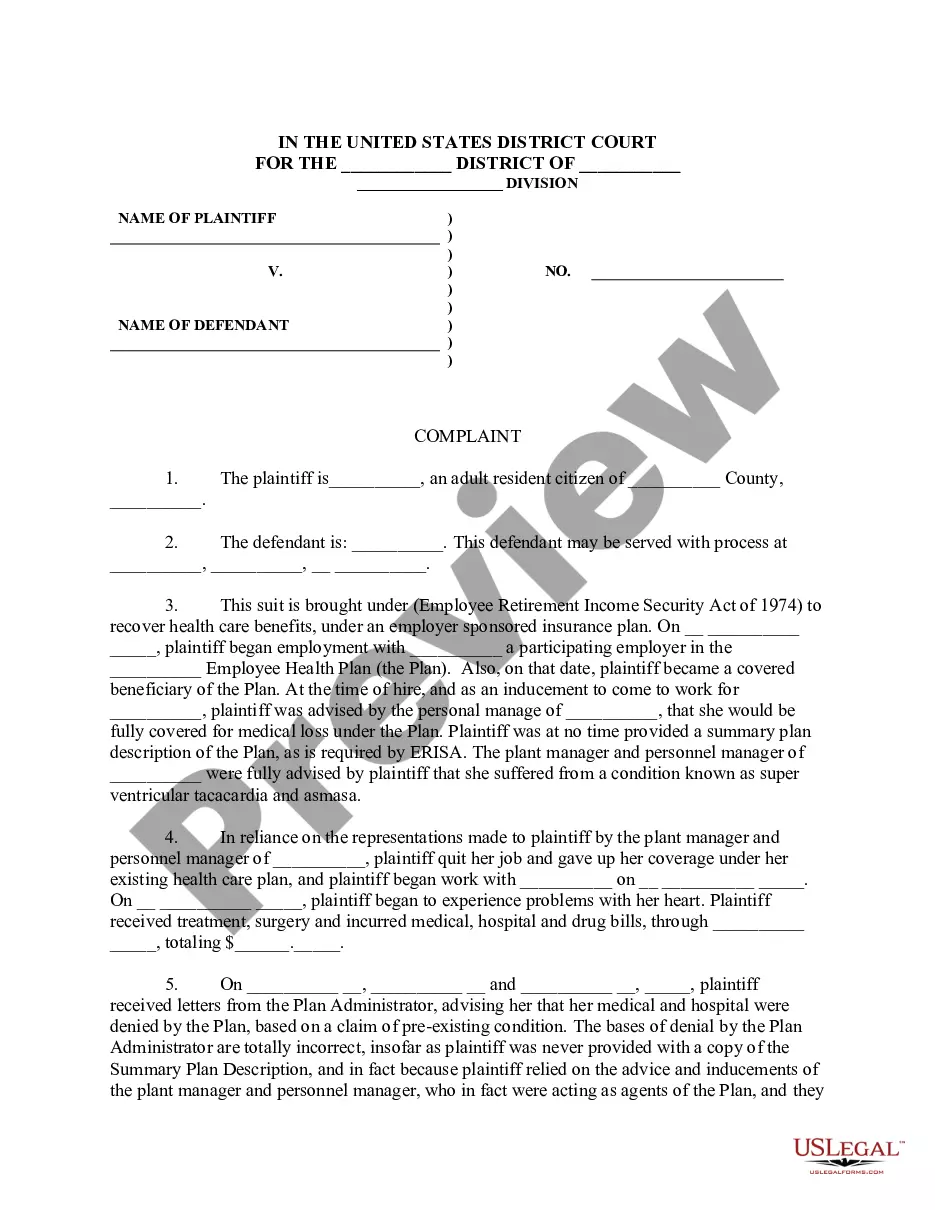
Workplace Discrimination For Disability In Hillsborough
Description




Get your form ready online
Our built-in tools help you complete, sign, share, and store your documents in one place.
Make edits, fill in missing information, and update formatting in US Legal Forms—just like you would in MS Word.
Download a copy, print it, send it by email, or mail it via USPS—whatever works best for your next step.
Sign and collect signatures with our SignNow integration. Send to multiple recipients, set reminders, and more. Go Premium to unlock E-Sign.
If this form requires notarization, complete it online through a secure video call—no need to meet a notary in person or wait for an appointment.
We protect your documents and personal data by following strict security and privacy standards.

Make edits, fill in missing information, and update formatting in US Legal Forms—just like you would in MS Word.

Download a copy, print it, send it by email, or mail it via USPS—whatever works best for your next step.

Sign and collect signatures with our SignNow integration. Send to multiple recipients, set reminders, and more. Go Premium to unlock E-Sign.

If this form requires notarization, complete it online through a secure video call—no need to meet a notary in person or wait for an appointment.

We protect your documents and personal data by following strict security and privacy standards.
Looking for another form?








Form popularity
FAQ
Disability discrimination (DD) is when an individual is treated differently, unfairly, or neglected due to their disabled status. This can take many forms, such as disparaging verbal statements, failing to provide reasonable accommodations at work, or terminating employment.
Report discrimination to a local Fair Employment Practices Agency (FEPA). If the discrimination breaks both a state and federal law, the FEPA will also send your complaint to the EEOC. Use the EEOC's directory of field offices to find the FEPA near you.
You should call the EEOC at 1-800-669-4000 if you think the law may have been violated. A person with a disability must be able to perform the job he or she is applying for or currently holds, with or without reasonable accommodation.
Most, if not all, disability discrimination cases are proven via circumstantial evidence. ingly, you should maintain a journal/record of suspect discriminatory treatment. You can use your personal devices such as your cell phone or computer to take notes or send e-mails to yourself – whatever works best for you.
Disability discrimination at work your employer not providing reasonable adjustments that would help you to do your job. an employer withdrawing a job offer when they learn of your condition. your employer firing you due to disability-related absences. workplace bullying because you are disabled.
Medical records, along with corroborating testimony, can prove you have or had a disability. However, in cases where discrimination is based on a perceived disability, substantiating employer statements or nonverbal conduct regarding your mental or physical abilities becomes crucial.
To prove discrimination, plaintiffs must provide evidence that they: (a) are a member of a protected class, (b) are qualified for the position at issue, (c) suffered an adverse employment action, and (d) the employer treated similarly situated employees outside of the protected class more favorably (or some other ...
Disability discrimination occurs when an employer or other entity covered by Title I of the Americans with Disabilities Act (ADA) (which protects private and state and local employees) or the Rehabilitation Act (which protects federal employees) treats a qualified employee or applicant unfavorably because of disability ...