Employment Workplace Discrimination With Criminal Records In Georgia
Description
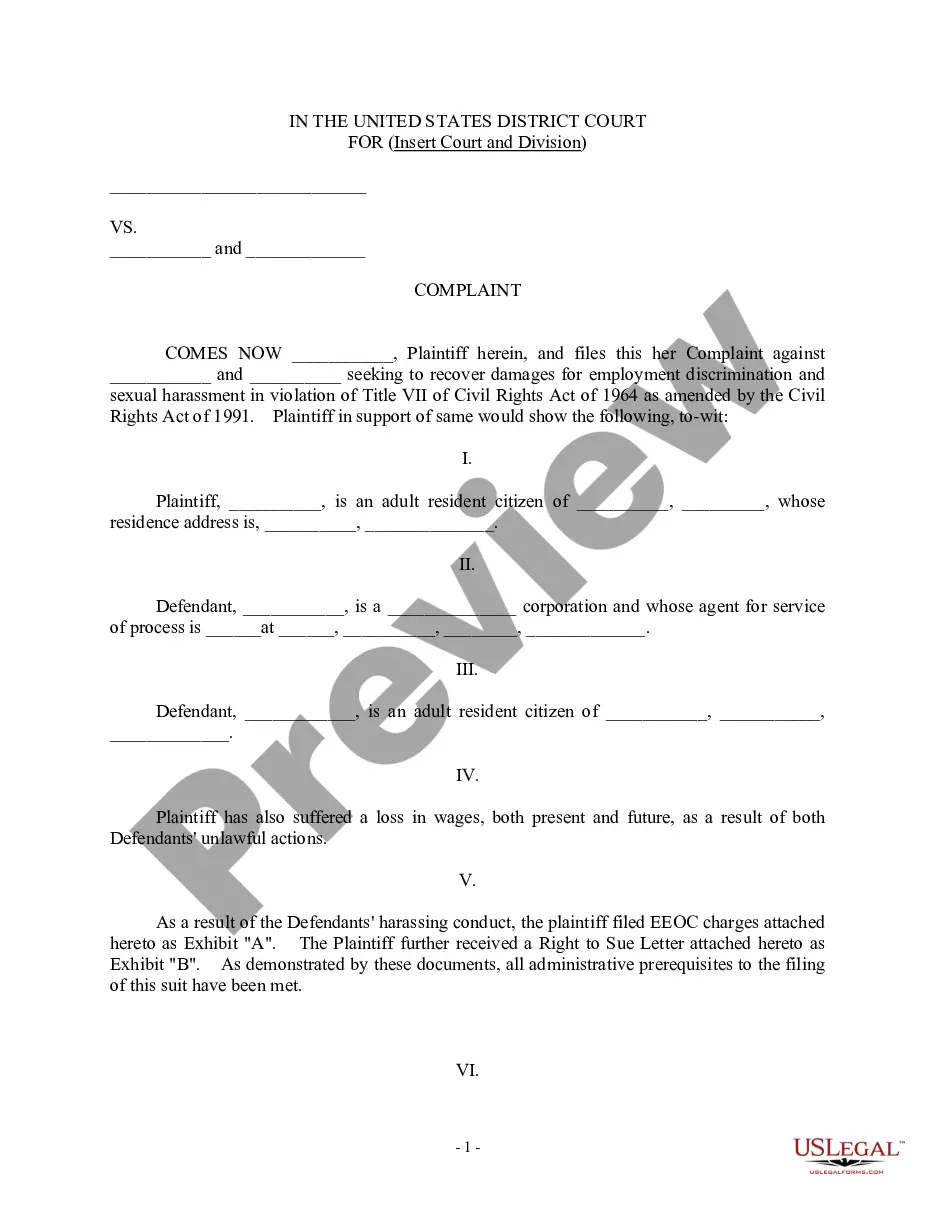
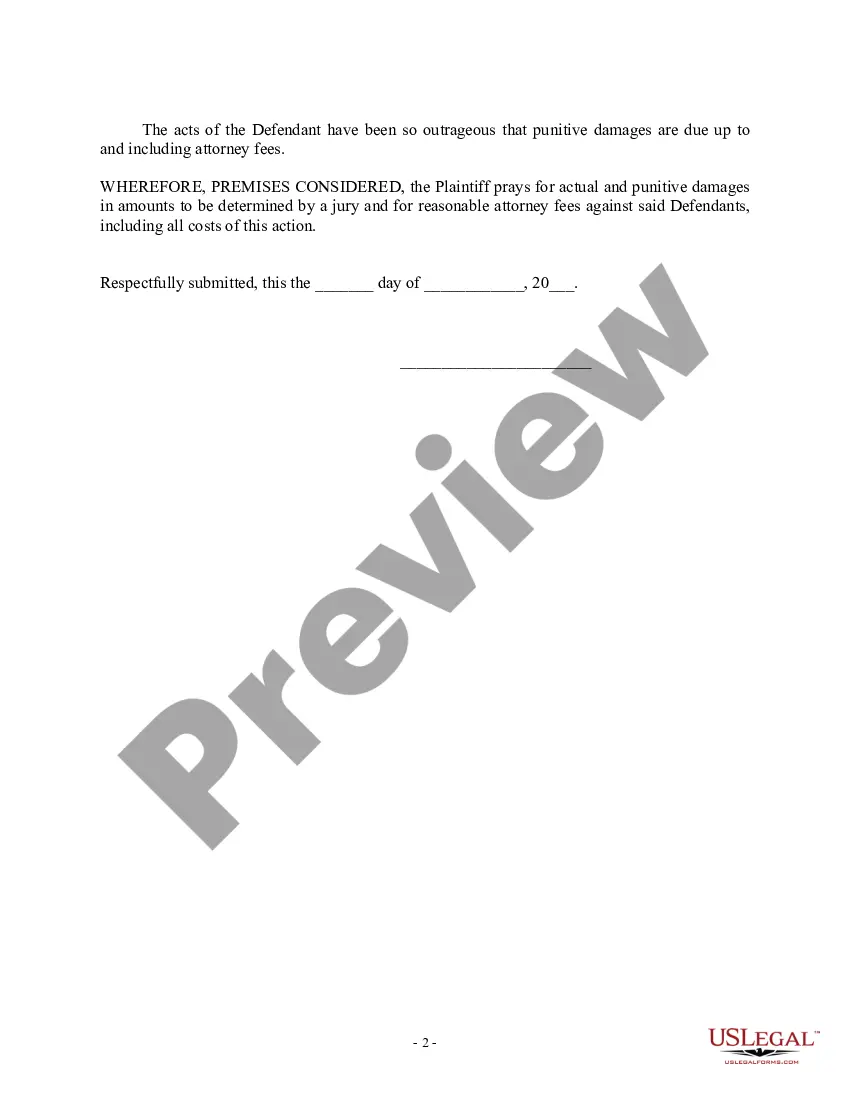
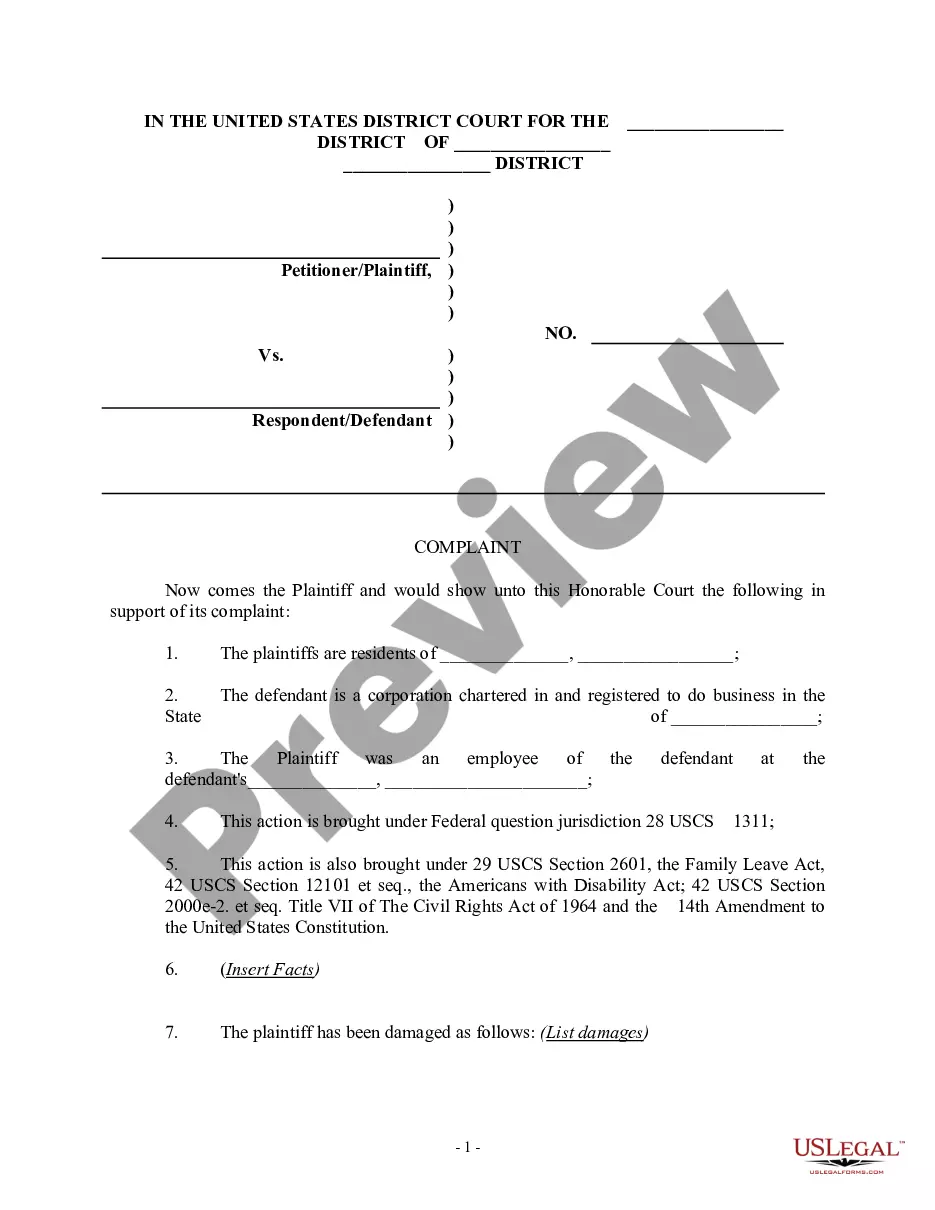
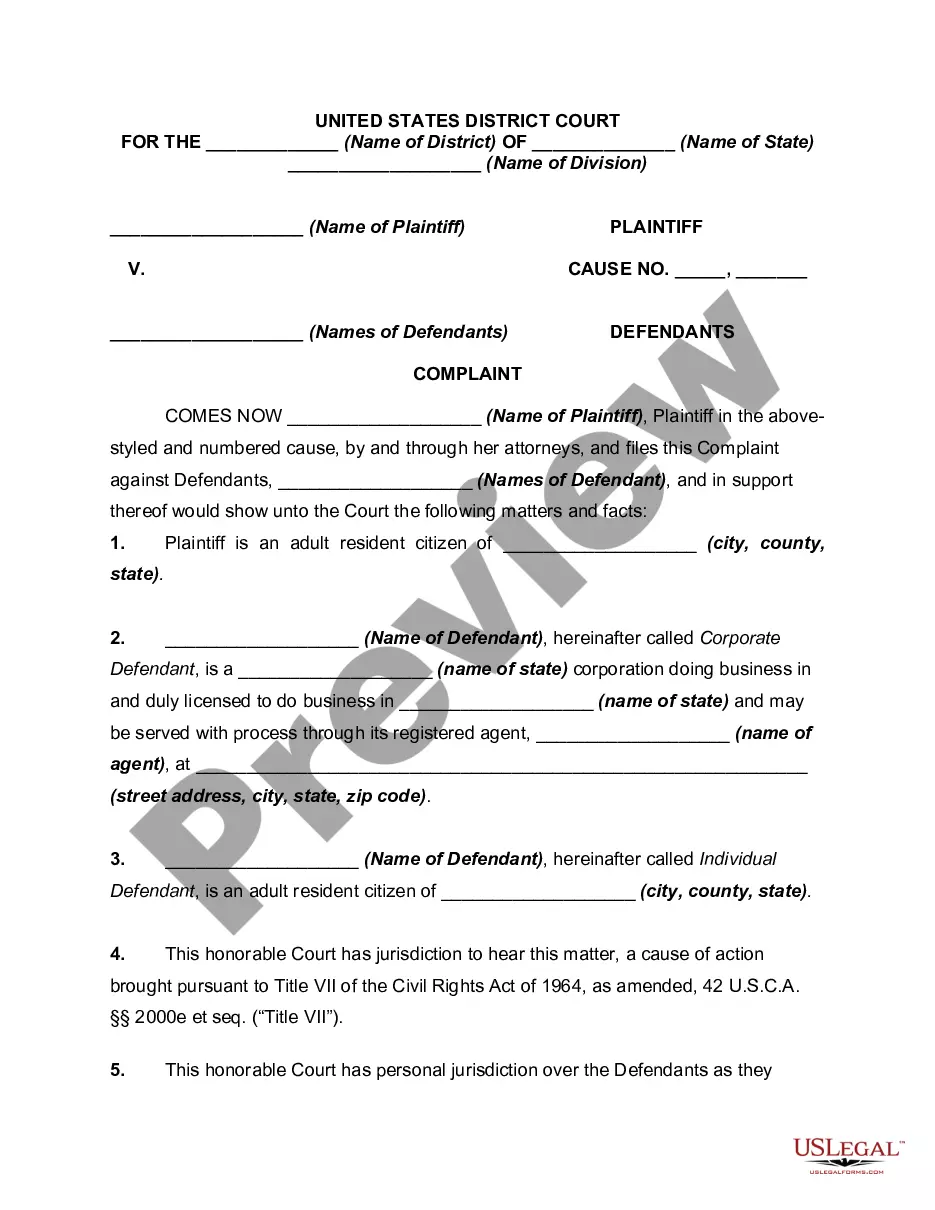
Get your form ready online
Our built-in tools help you complete, sign, share, and store your documents in one place.
Make edits, fill in missing information, and update formatting in US Legal Forms—just like you would in MS Word.
Download a copy, print it, send it by email, or mail it via USPS—whatever works best for your next step.
Sign and collect signatures with our SignNow integration. Send to multiple recipients, set reminders, and more. Go Premium to unlock E-Sign.
If this form requires notarization, complete it online through a secure video call—no need to meet a notary in person or wait for an appointment.
We protect your documents and personal data by following strict security and privacy standards.

Make edits, fill in missing information, and update formatting in US Legal Forms—just like you would in MS Word.

Download a copy, print it, send it by email, or mail it via USPS—whatever works best for your next step.

Sign and collect signatures with our SignNow integration. Send to multiple recipients, set reminders, and more. Go Premium to unlock E-Sign.

If this form requires notarization, complete it online through a secure video call—no need to meet a notary in person or wait for an appointment.

We protect your documents and personal data by following strict security and privacy standards.
Looking for another form?
Form popularity
FAQ
The Georgia Commission on Equal Opportunity (GCEO), through its Employment Division, enforces the Fair Employment Practices Act, which makes it unlawful for a state agency to discriminate against any employee on the basis of race, color, religion, gender, disability, national origin or age.
California Laws Against Employment Discrimination The “ban the box” law, also called the Fair Chance Act, helps prevent employment discrimination in California. In essence, this law prohibits employers from asking about a job applicant's criminal history on a job application.
Unfair treatment may include (but is not limited to) the following types of specific behavior: denying a training opportunity afforded to other workers; withholding information needed to perform one's job; segregating disfavored workers from others; spreading lies or rumors about an employee;
To prove discrimination, plaintiffs must provide evidence that they: (a) are a member of a protected class, (b) are qualified for the position at issue, (c) suffered an adverse employment action, and (d) the employer treated similarly situated employees outside of the protected class more favorably (or some other ...
If the complaint is jurisdictional, an Intake Coordinator will contact you regarding filing an Official Equal Employment Complaint with the Agency. For further information, please contact the Intake Coordinator at (404) 656-5392 or (404) 656-1736.
A hostile work environment is one where you are harassed or discriminated against to the point that it affects your work performance. The misconduct must be associated with your race, national origin, gender, disability, sexual orientation, religion, age and even pregnancy.
A: In California, employers are generally prohibited from asking about or considering arrests that did not lead to convictions when making hiring decisions. This protection is provided under the California Fair Chance Act (AB 1008), which is part of the California Fair Employment and Housing Act (FEHA).
Bias and Stereotypes: There can be societal stigma and bias against individuals with felony records. Employers may unconsciously hold negative perceptions about these candidates, leading to discrimination in hiring practices.
In a Nutshell: A convicted felon does not enjoy a protected status against employer discrimination (i.e. like race, religion, sexual orientation, etc.). An employer may refuse to hire a convicted felon as long as there is a bona fide occupational basis for so discriminating.