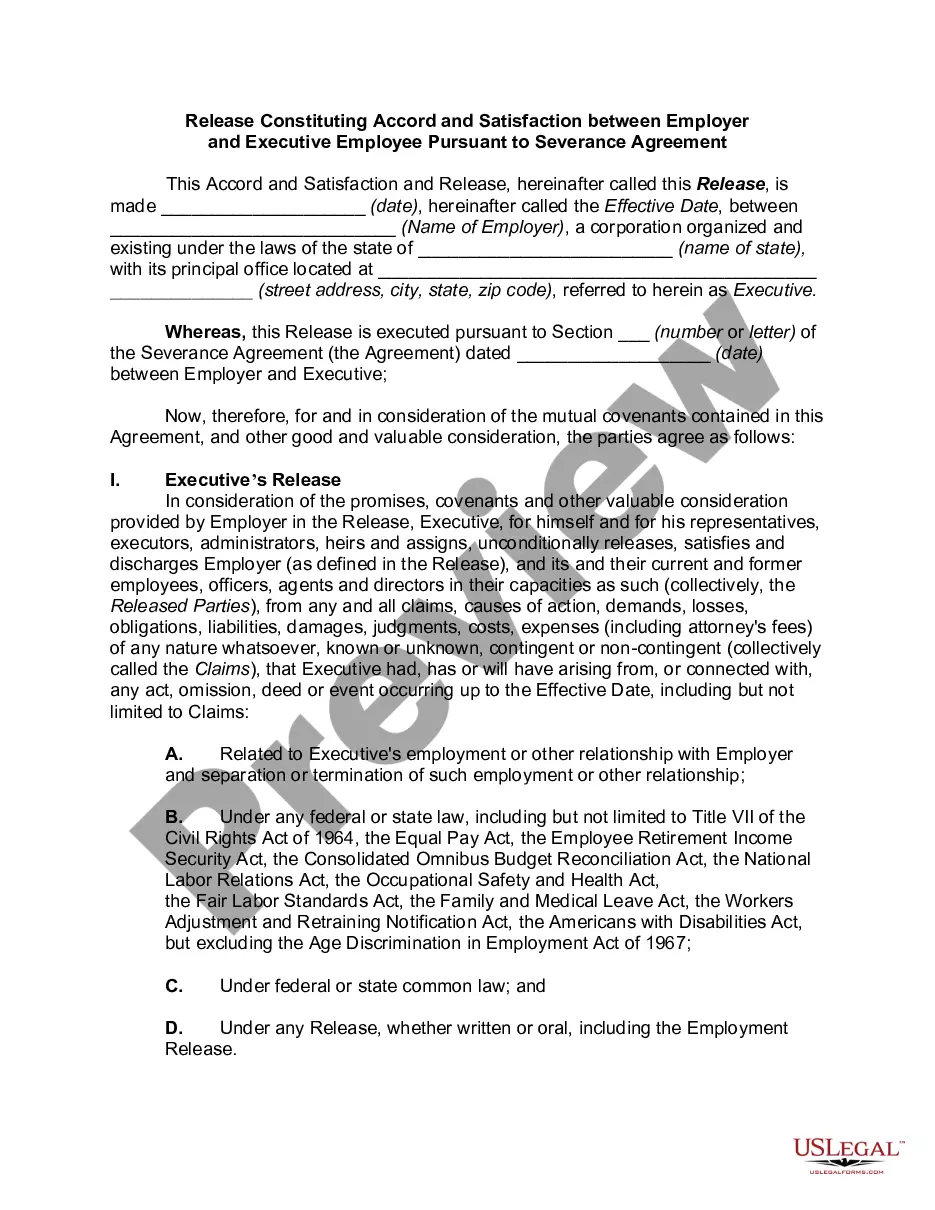
Title Vii For Dummies In Franklin
Description




Get your form ready online
Our built-in tools help you complete, sign, share, and store your documents in one place.
Make edits, fill in missing information, and update formatting in US Legal Forms—just like you would in MS Word.
Download a copy, print it, send it by email, or mail it via USPS—whatever works best for your next step.
Sign and collect signatures with our SignNow integration. Send to multiple recipients, set reminders, and more. Go Premium to unlock E-Sign.
If this form requires notarization, complete it online through a secure video call—no need to meet a notary in person or wait for an appointment.
We protect your documents and personal data by following strict security and privacy standards.

Make edits, fill in missing information, and update formatting in US Legal Forms—just like you would in MS Word.

Download a copy, print it, send it by email, or mail it via USPS—whatever works best for your next step.

Sign and collect signatures with our SignNow integration. Send to multiple recipients, set reminders, and more. Go Premium to unlock E-Sign.

If this form requires notarization, complete it online through a secure video call—no need to meet a notary in person or wait for an appointment.

We protect your documents and personal data by following strict security and privacy standards.
Looking for another form?


Form popularity
FAQ
Your chances of winning a discrimination case are much higher if you have the evidence and documentation to support your claim of discrimination. Such evidence could be direct or circumstantial.
The way in which that can be done and proven is generally through circumstantial evidence showing that you are a member of a protected class, that you were denied a promotion, for example, and that the reason that your employer gave for why it denied you that promotion, was actually just a pretext for discrimination.
It will not only benefit you, but your co-workers as well because it will likely make your workplace safer by creating a better environment for all. When you sue, you can also obtain a legal remedy for the discrimination you have faced. Employers often offer a significant sum in these cases.
With 95% of EEOC district court cases being successful, it is clear that legal recourse can be an effective tool for victims of discrimination.
How To Report a Hostile Work Environment? Contact your workplace's HR department to attempt to resolve the issue internally. If mistreatment persists, contact the California Civil Rights Department and follow the steps in the CRD complaint process.
The employee must first present evidence that he is a member of a protected class, he was qualified for the position he held, he suffered an adverse employment action such as being fired, and that he was replaced with another worker who is not a member of that protected class.
In these instances, you may be able to prove discrimination occurred against you if you can establish a verifiable pattern of various types of harassment happening on the job. These can include racist comments, sexually suggestive comments or emails directed at you, or other acts that could be deemed as harassment.
Proving workplace discrimination in California can be one of the most difficult steps in a successful discrimination case. It can also be complex, confusing and frustrating.
Evidence in a discrimination case in California typically includes: emails, text messages, recordings, disciplinary forms, termination documents, or a copy of your employment contract if one exists. If you're like most Californians, you spend an inordinate amount of time at work.
Simply put, Title VII does not apply to every employer. In fact, as a general rule, it typically only covers private and public sector employers with 15 or more employees.