Employment Workplace Discrimination For Criminal Record In Bronx
Description
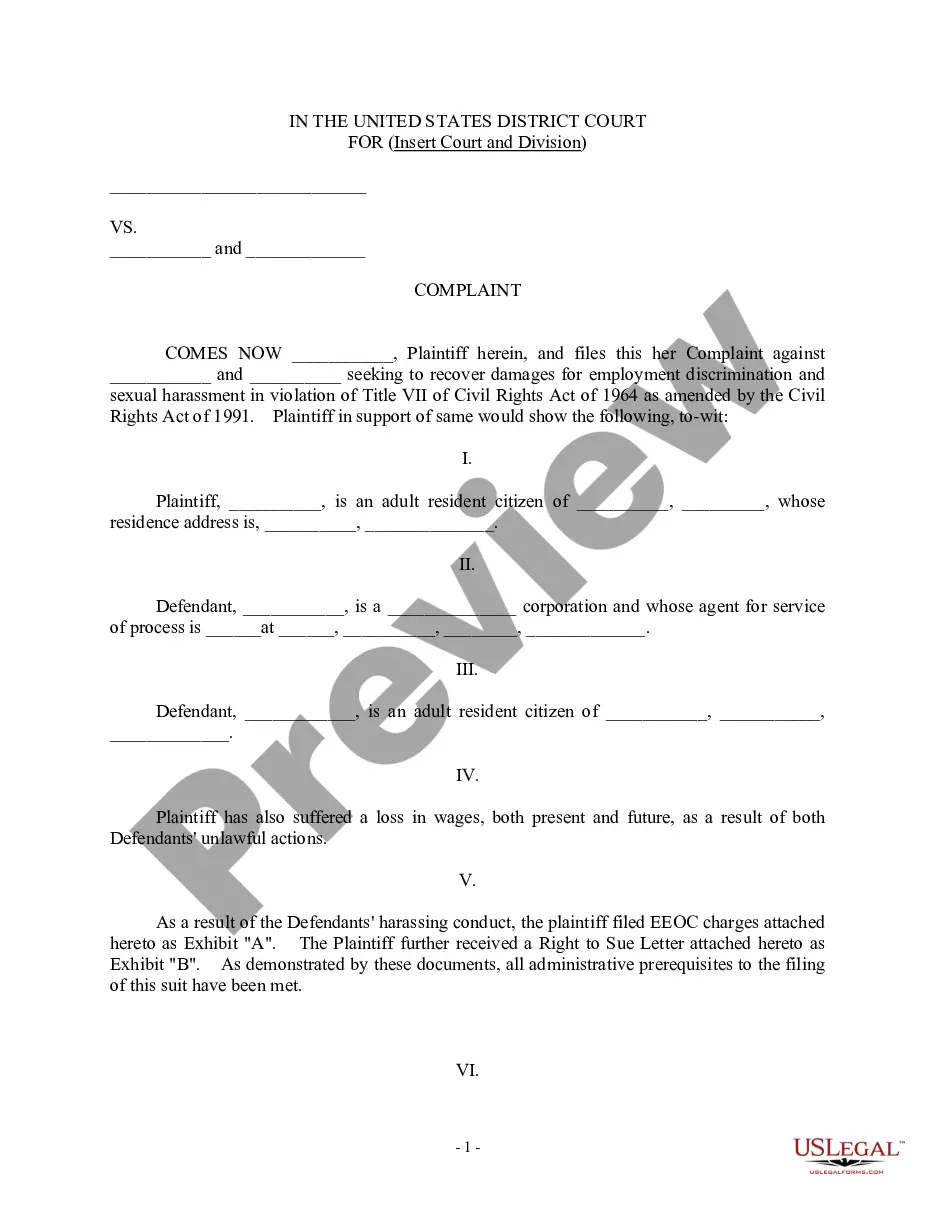
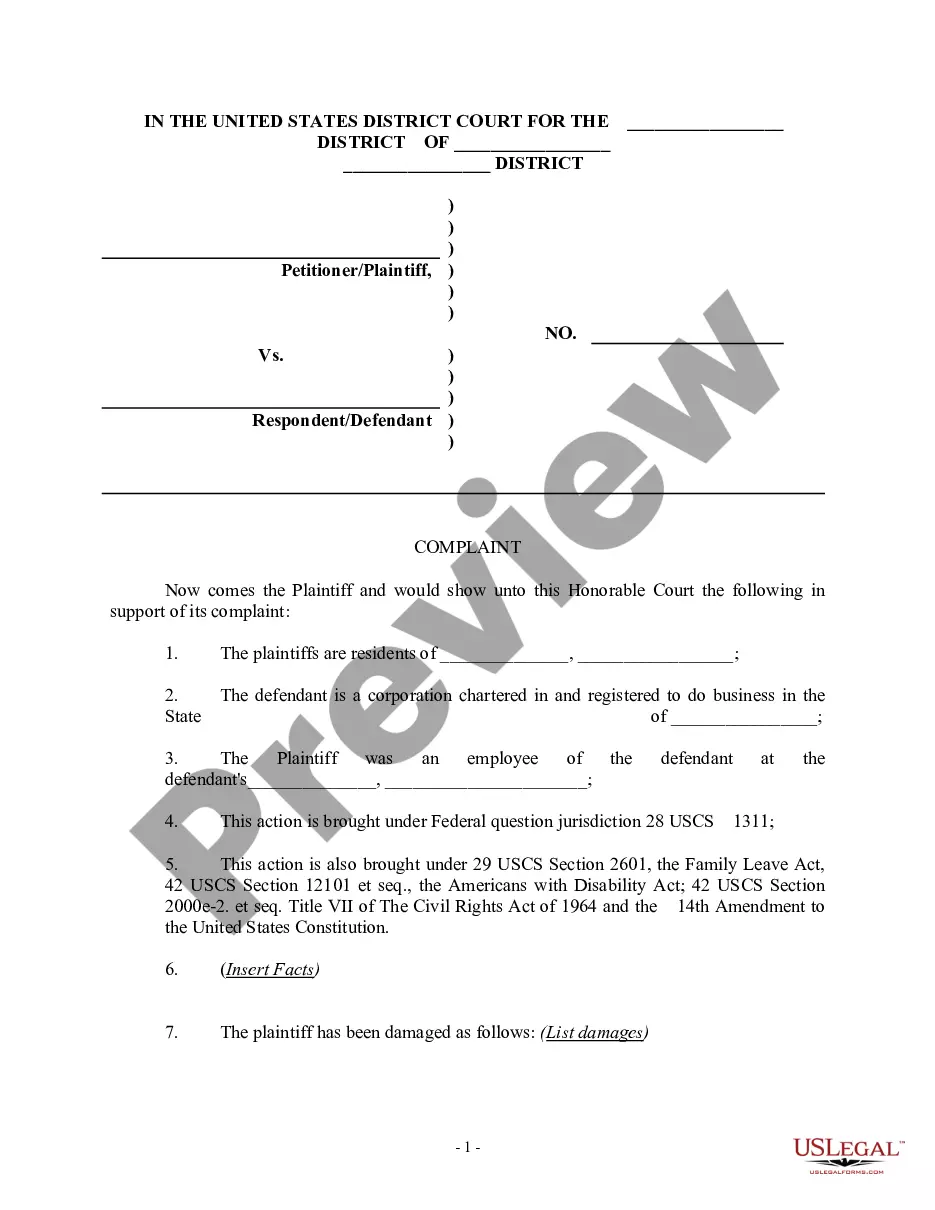
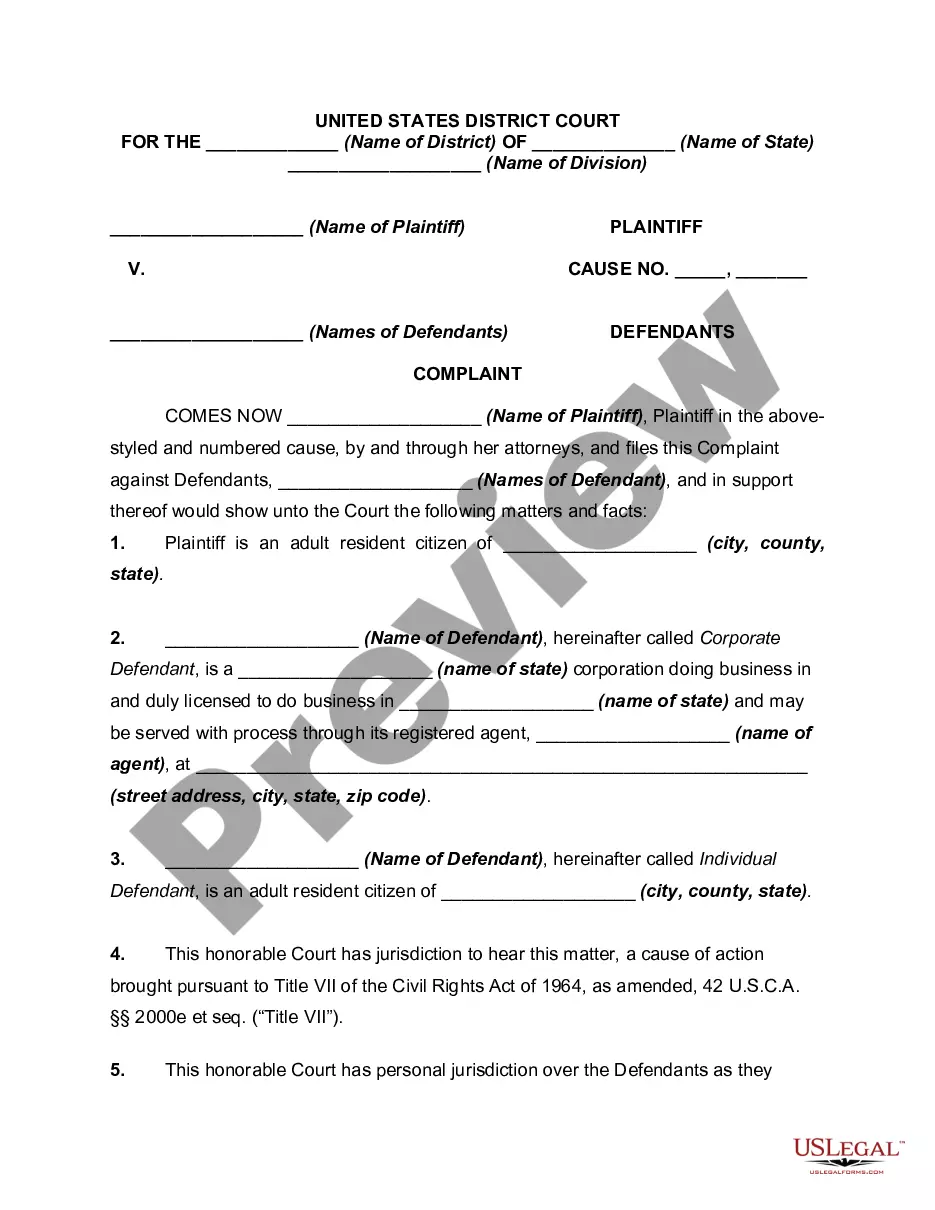
Get your form ready online
Our built-in tools help you complete, sign, share, and store your documents in one place.
Make edits, fill in missing information, and update formatting in US Legal Forms—just like you would in MS Word.
Download a copy, print it, send it by email, or mail it via USPS—whatever works best for your next step.
Sign and collect signatures with our SignNow integration. Send to multiple recipients, set reminders, and more. Go Premium to unlock E-Sign.
If this form requires notarization, complete it online through a secure video call—no need to meet a notary in person or wait for an appointment.
We protect your documents and personal data by following strict security and privacy standards.

Make edits, fill in missing information, and update formatting in US Legal Forms—just like you would in MS Word.

Download a copy, print it, send it by email, or mail it via USPS—whatever works best for your next step.

Sign and collect signatures with our SignNow integration. Send to multiple recipients, set reminders, and more. Go Premium to unlock E-Sign.

If this form requires notarization, complete it online through a secure video call—no need to meet a notary in person or wait for an appointment.

We protect your documents and personal data by following strict security and privacy standards.
Looking for another form?

Form popularity
FAQ
How far back does a background check go? Type of checkLength of time Pre-employment background checks Pre-employment background checks commonly used by employers typically cover seven years of criminal records, but can go back further depending on federal and state laws and what type of search is requested.7 more rows •
Once an employer offers you a job, they can ask about and consider your criminal record. Employers can ask you if you have any criminal convictions. You must disclose felony and misdemeanor convictions, no matter how old they are.
Arrests that are older than seven years not resulting in convictions will not be reported. Liens, civil judgments, collection records, and bankruptcies will also not be reported when they are seven or more years old on pre-employment background check reports.
The Fair Credit Reporting Act (FCRA) only allows consumer reporting agencies (CRAs) to report civil suits, civil judgments, arrest records, and other adverse information that predates the report by seven years or fewer — with the clock starting as soon as the information is filed or entered into the record.
Employers can consider criminal records when they make the final decision about hiring. But employers cannot treat people differently because of their race or national origin.
Under the Fair Credit Reporting Act (FCRA), New York background checks can go back up to seven years.