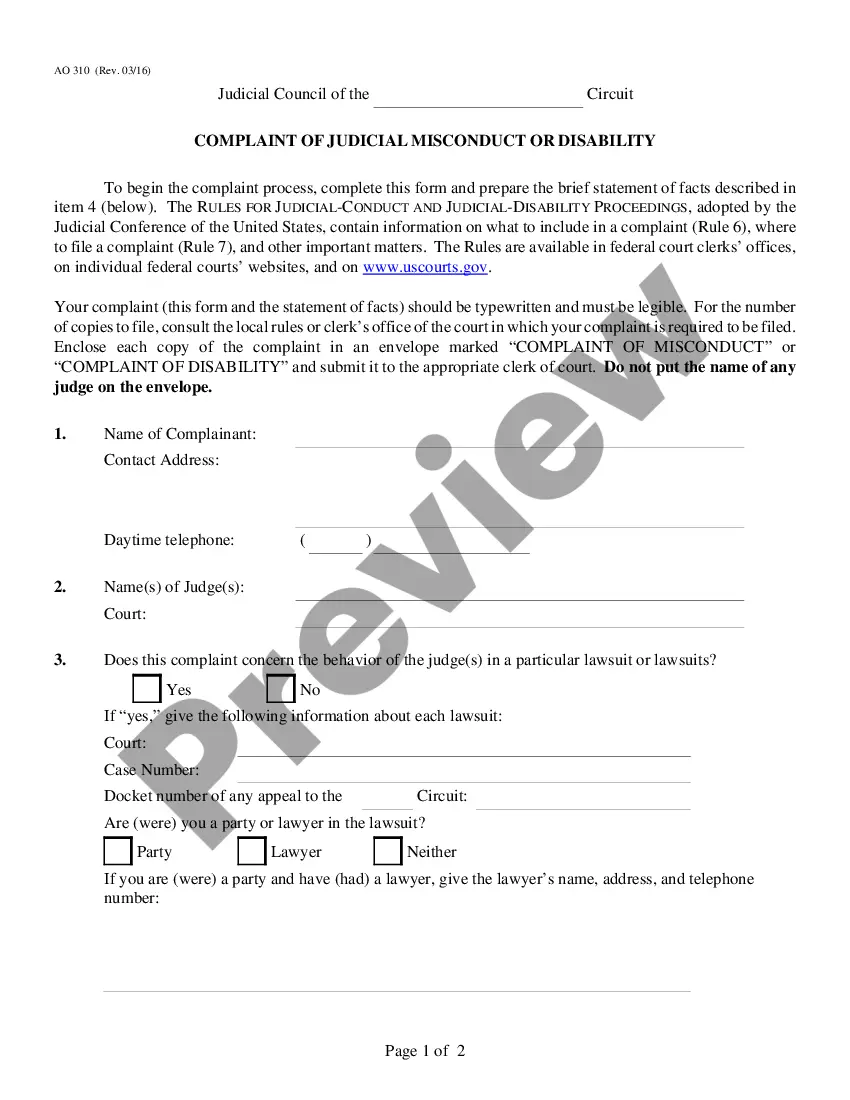
Workplace Discrimination In Bangladesh In Alameda
Description




Get your form ready online
Our built-in tools help you complete, sign, share, and store your documents in one place.
Make edits, fill in missing information, and update formatting in US Legal Forms—just like you would in MS Word.
Download a copy, print it, send it by email, or mail it via USPS—whatever works best for your next step.
Sign and collect signatures with our SignNow integration. Send to multiple recipients, set reminders, and more. Go Premium to unlock E-Sign.
If this form requires notarization, complete it online through a secure video call—no need to meet a notary in person or wait for an appointment.
We protect your documents and personal data by following strict security and privacy standards.

Make edits, fill in missing information, and update formatting in US Legal Forms—just like you would in MS Word.

Download a copy, print it, send it by email, or mail it via USPS—whatever works best for your next step.

Sign and collect signatures with our SignNow integration. Send to multiple recipients, set reminders, and more. Go Premium to unlock E-Sign.

If this form requires notarization, complete it online through a secure video call—no need to meet a notary in person or wait for an appointment.

We protect your documents and personal data by following strict security and privacy standards.
Looking for another form?





Form popularity
FAQ
Here are three types of workplace harassment, examples, and solutions to help you educate your employees for preventing workplace harassment. Verbal/Written. Physical. Visual.
(1) “Harassment” means a knowing and willful course of conduct directed at a specific person that a reasonable person would consider as seriously alarming, seriously annoying, seriously tormenting, or seriously terrorizing the person and that serves no legitimate purpose.
Compare your work, conduct and treatment to that of those outside of your protected class as much as possible. Provide proof that others of similar qualifications have been given better opportunities, projects that are more favorable and superior treatment.
The County of Alameda prohibits discrimination or harassment based on the following categories: race (inclusive of traits historically associated with race, such as hair texture and protective hairstyles including braids, locks, and twists), color, religion, religious creed (including religious dress and grooming ...
If you wish to report a widespread violation of labor law by your employer or a violation affecting multiple employees, please contact LETF via phone, online lead referral form or email: Call the LETF Public hotline anytime: 855 297 5322. Complete the Online Form / Spanish Form. Email us at letf@dir.ca.
California law (called the Fair Employment and Housing Act or FEHA) prohibits discrimination, harassment and retaliation. The law also requires that employers “take reasonable steps to prevent and correct wrongful (harassing, discriminatory, retaliatory) behavior in the workplace (Cal. Govt. Code §12940(k)).
The following would be considered illegal discrimination if there is evidence that the decision was made based on a protected characteristic: Sexual Harassment. Refusal to Provide Services. Unfair Lending Practices. Misrepresenting the Availability of Housing. Refusal to Allow “Reasonable Modifications” Refusing Rental.
The answer depends on your claims and willingness to pursue litigation. If your claims are strong and you are invested in the litigation process, it can be very “worth it” to feel you are standing up for accountability, getting compensation for your injuries, and incentivizing the company to change its ways.
Evidence in a discrimination case in California typically includes: emails, text messages, recordings, disciplinary forms, termination documents, or a copy of your employment contract if one exists. If you're like most Californians, you spend an inordinate amount of time at work.