Interference With Attorney Client Relationship In Riverside
Description

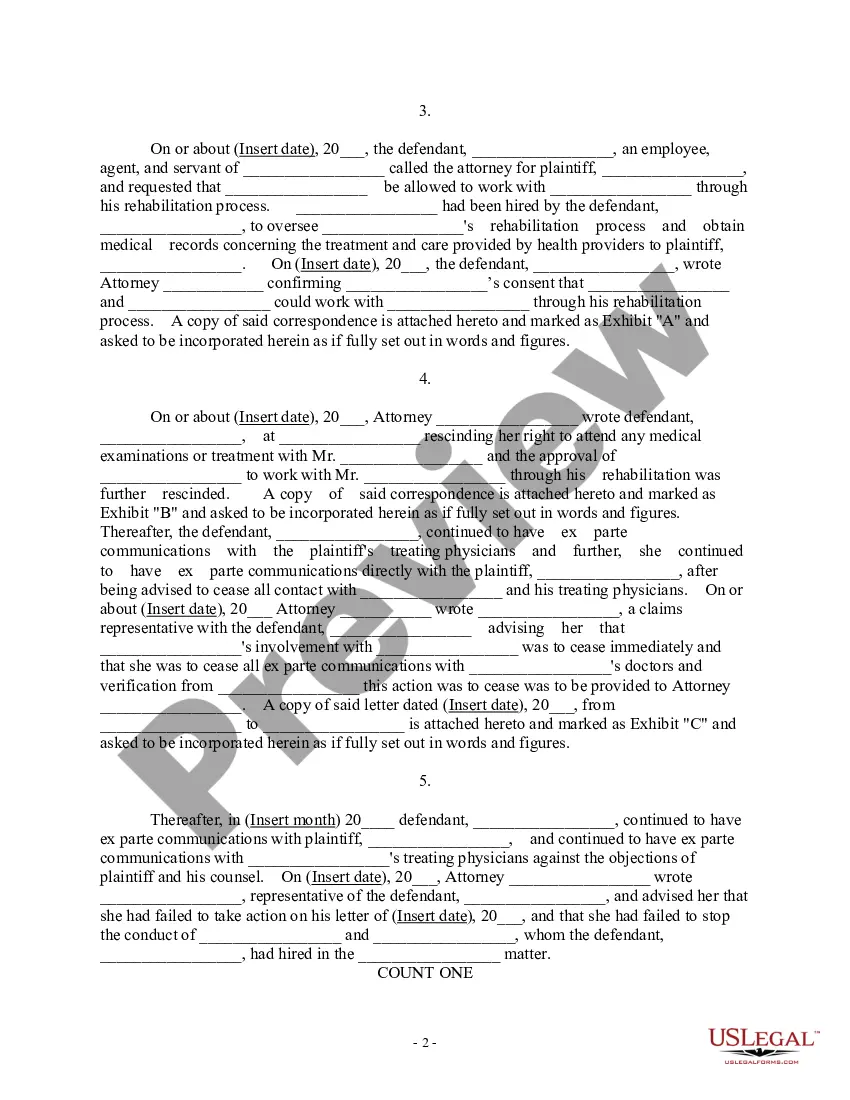
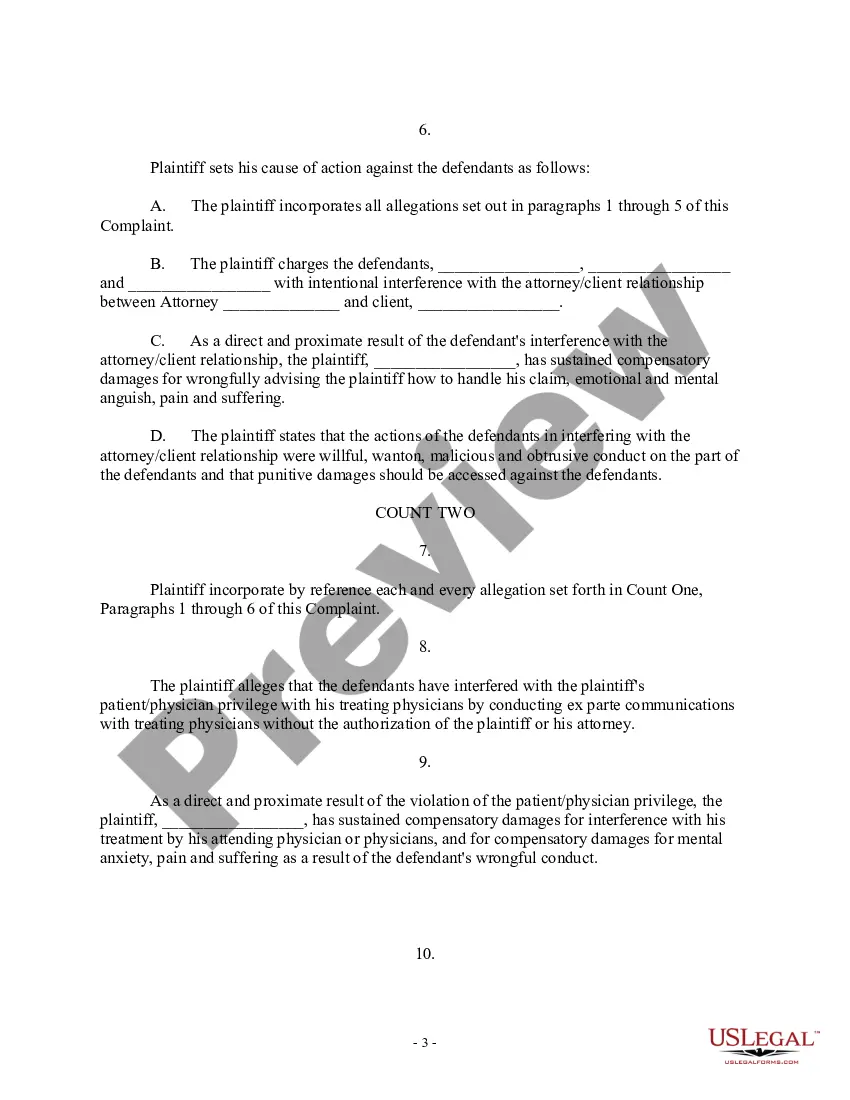
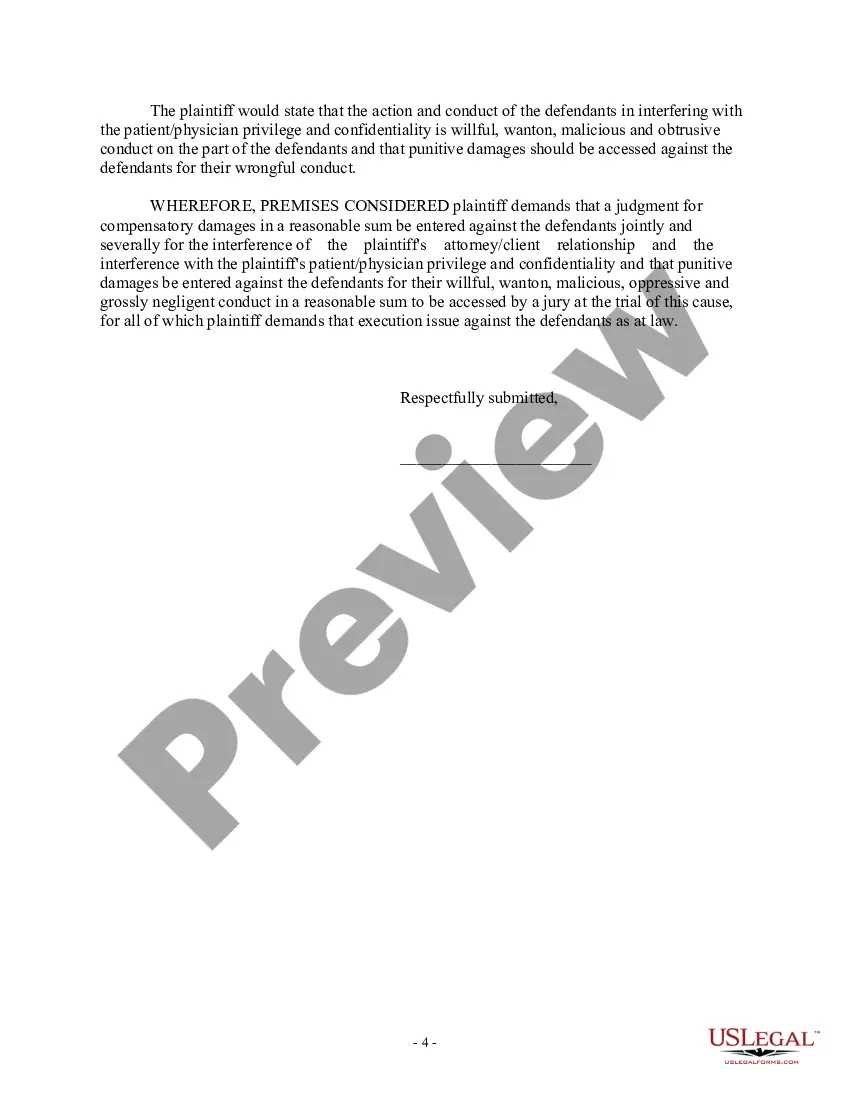

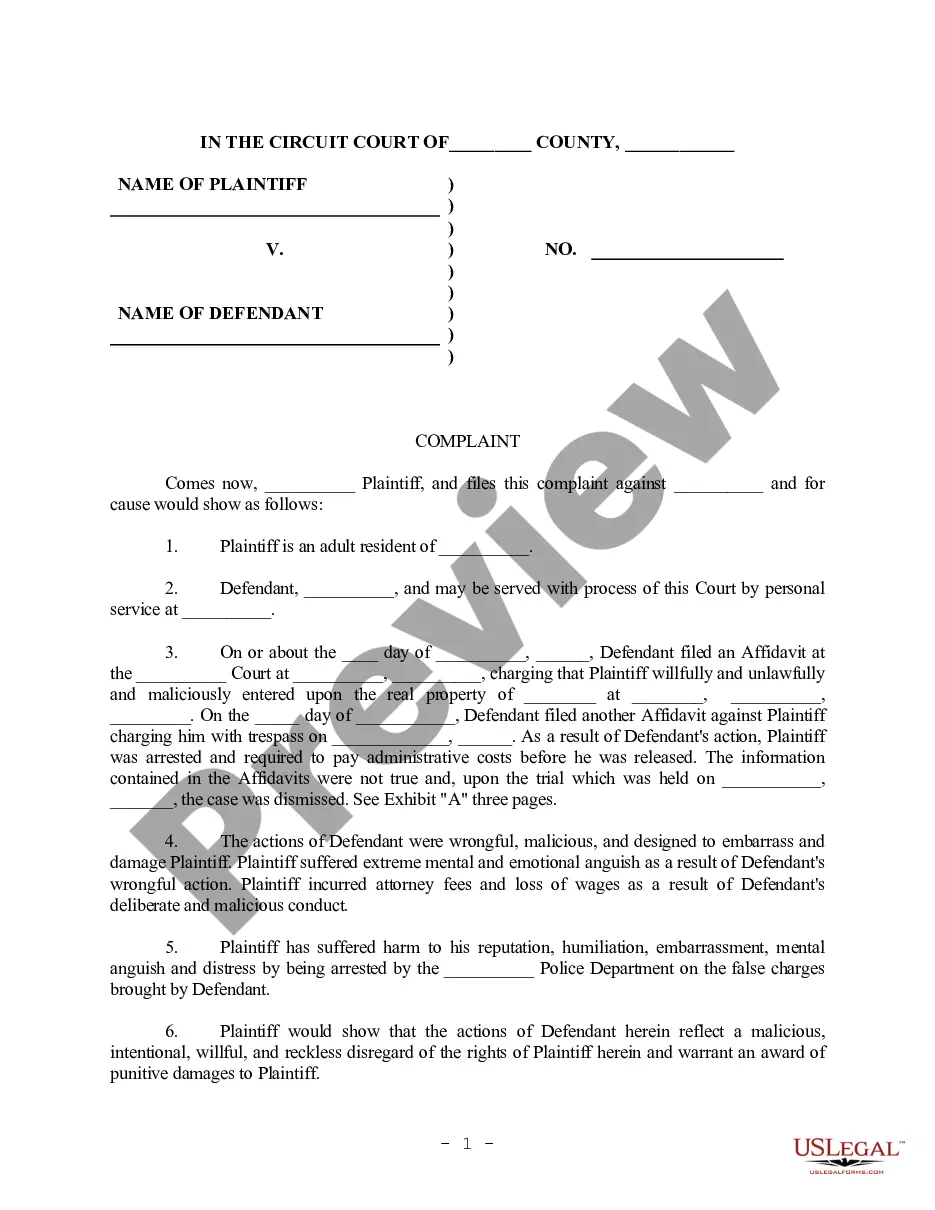
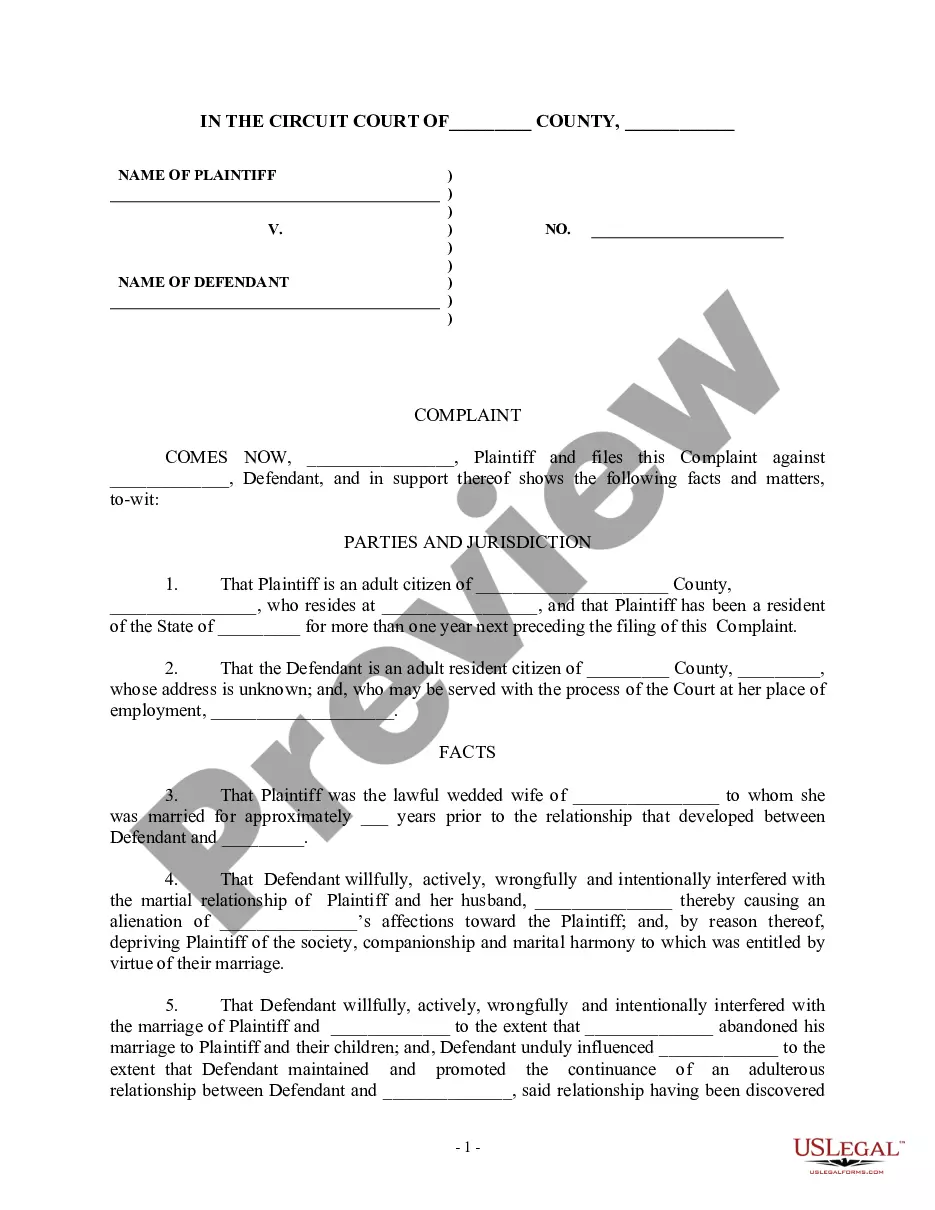

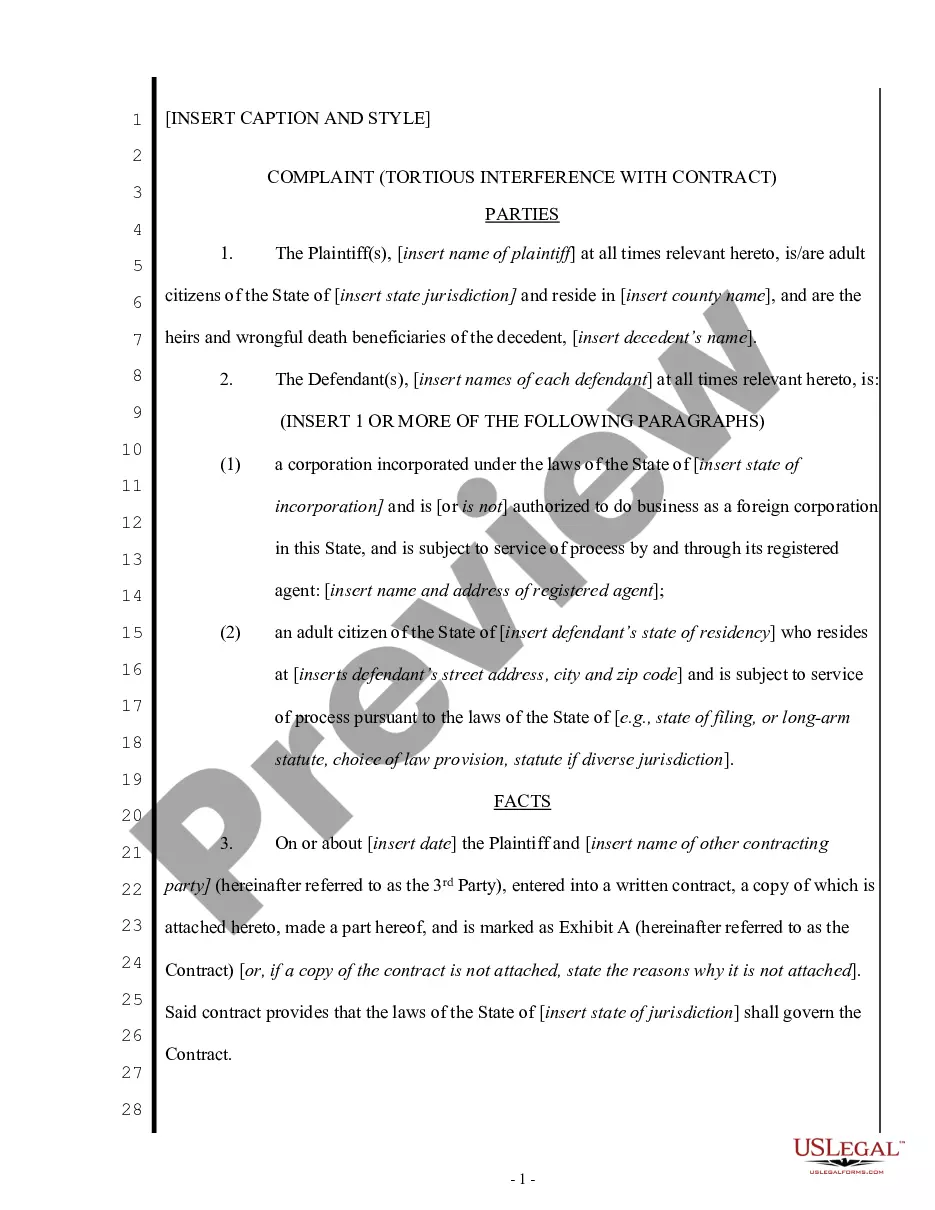
Get your form ready online
Our built-in tools help you complete, sign, share, and store your documents in one place.
Make edits, fill in missing information, and update formatting in US Legal Forms—just like you would in MS Word.
Download a copy, print it, send it by email, or mail it via USPS—whatever works best for your next step.
Sign and collect signatures with our SignNow integration. Send to multiple recipients, set reminders, and more. Go Premium to unlock E-Sign.
If this form requires notarization, complete it online through a secure video call—no need to meet a notary in person or wait for an appointment.
We protect your documents and personal data by following strict security and privacy standards.

Make edits, fill in missing information, and update formatting in US Legal Forms—just like you would in MS Word.

Download a copy, print it, send it by email, or mail it via USPS—whatever works best for your next step.

Sign and collect signatures with our SignNow integration. Send to multiple recipients, set reminders, and more. Go Premium to unlock E-Sign.

If this form requires notarization, complete it online through a secure video call—no need to meet a notary in person or wait for an appointment.

We protect your documents and personal data by following strict security and privacy standards.
Looking for another form?





Form popularity
FAQ
Attorney misconduct may include: conflict of interest, overbilling, false or misleading statements, knowingly pursuing frivolous and meritless lawsuits, concealing evidence, abandoning a client, failing to disclose all relevant facts, arguing a position while neglecting to disclose prior law which might counter the ...
Client Neglect – not returning phone calls, or answering correspondence. Conflicts of Interest – a lawyer may not be representing a client to the best of their ability due to allegiance to another client, or the opposition. Fraudulent Activity – forged documents, doctored evidence, or dishonorable witnesses.
If someone listens to your lawyer's confidential communications without your consent (e.g., overhearing, illegal wiretapping), the eavesdropper is legally forbidden from divulging that personal information. That testimony will be inadmissible in court if they do so, but the eavesdropper may even face criminal charges.
Attorney misconduct may include: conflict of interest, overbilling, false or misleading statements, knowingly pursuing frivolous and meritless lawsuits, concealing evidence, abandoning a client, failing to disclose all relevant facts, arguing a position while neglecting to disclose prior law which might counter the ...
1. Terminating Your Current Attorney: You can terminate your attorney-client relationship at any time. However, it is crucial to do so in writing. A formal letter stating your intention to end the relationship should be sent to your attorney. This letter serves as a record of your decision and its date. 2.
A conflict of interest refers to the ethical problems that may arise between parties with a preexisting relationship. In law, a conflict of interest arises between an attorney and a client if the interests of the attorney, a different client, or a third-party conflict with the interests of the present client.
Misconduct in the legal profession refers to behavior by a lawyer that violates professional rules of conduct, such as breaching client confidentiality, engaging in conflicts of interest, making false or misleading statements, or failing to communicate effectively with clients.
A party seeking an ex parte order must notify all parties no later than a.m. the court day before the ex parte appearance, absent a showing of exceptional circumstances that justify a shorter time for notice.
A list of all disputed issues with a short explanation of each;A statement of facts from each party; andA signed stipulation as to undisputed issues of fact and law and exhibits, which neither party is objecting. This rule is essentially forcing parties to try to settle issues in their case before going to trial.
(2) A "long-cause hearing" is defined as a hearing on a request for order that extends more than a single court day. (3) A "trial brief" or "hearing brief" is a written summary or statement submitted by a party that explains to a judge the party's position on particular issues that will be part of the trial or hearing.