Attorney Relationship With Client In Pima
Description

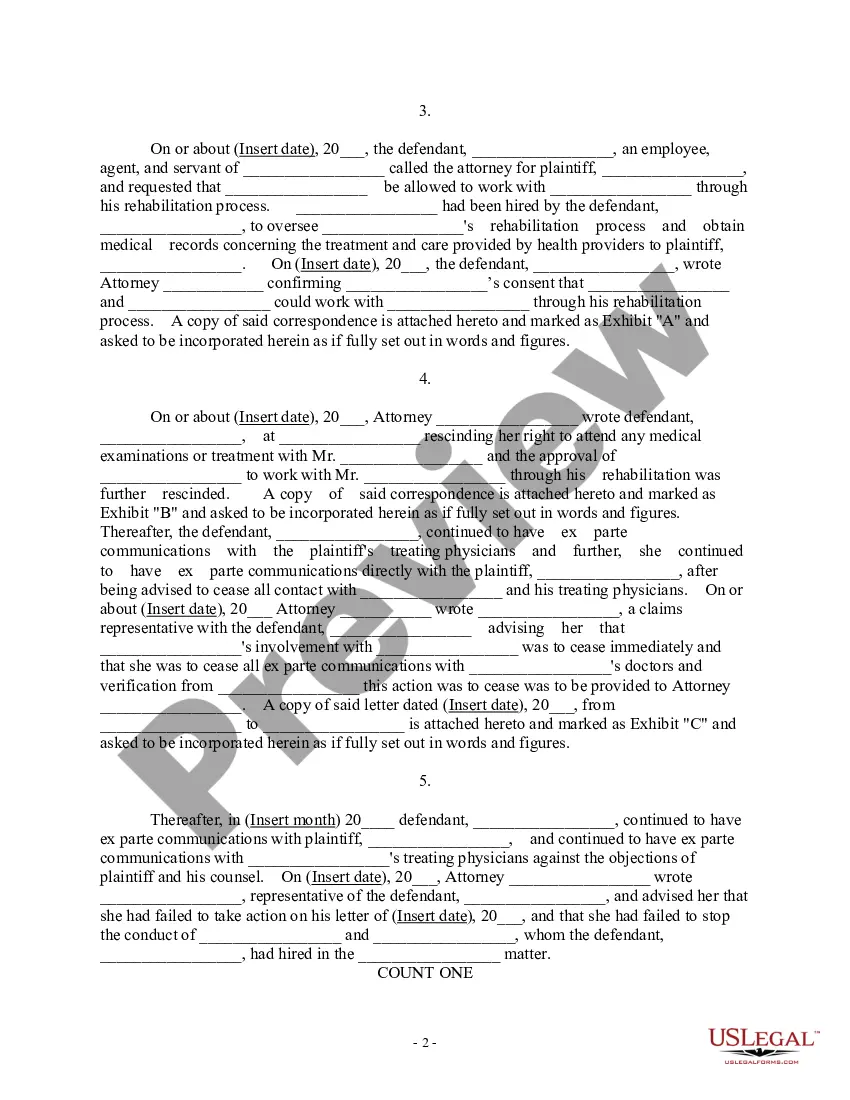
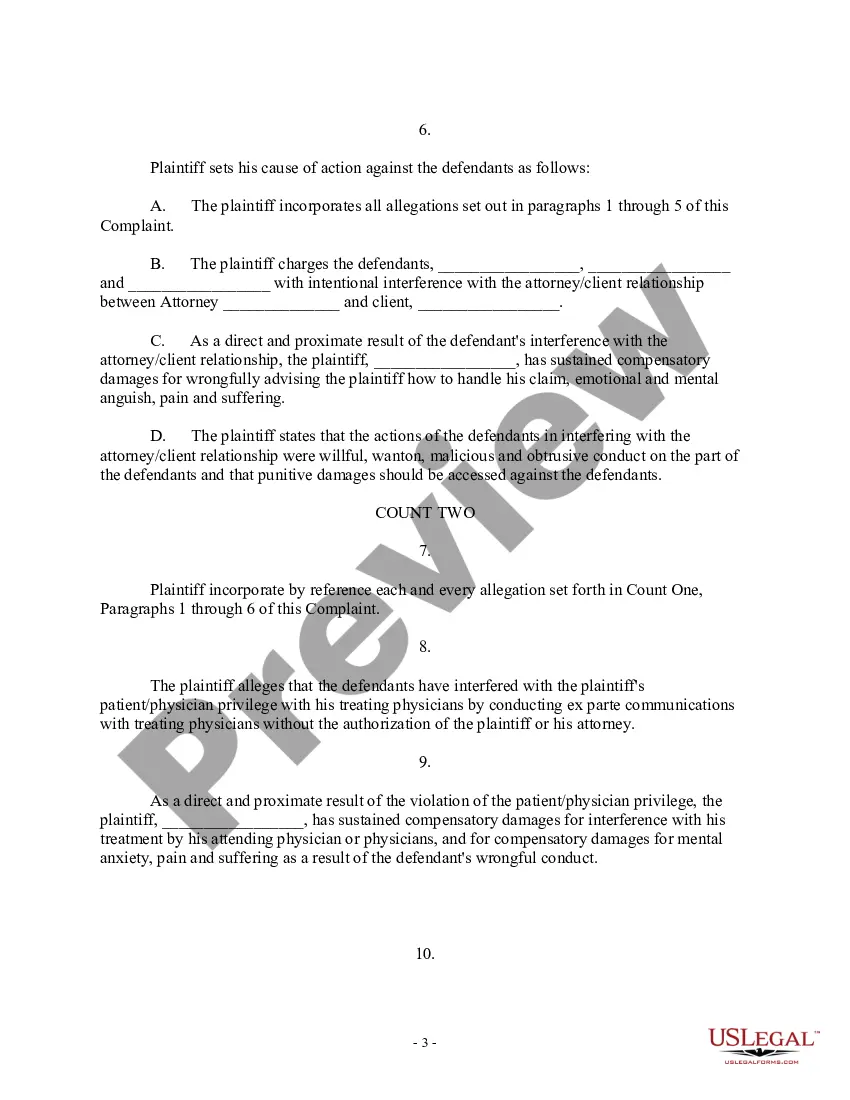
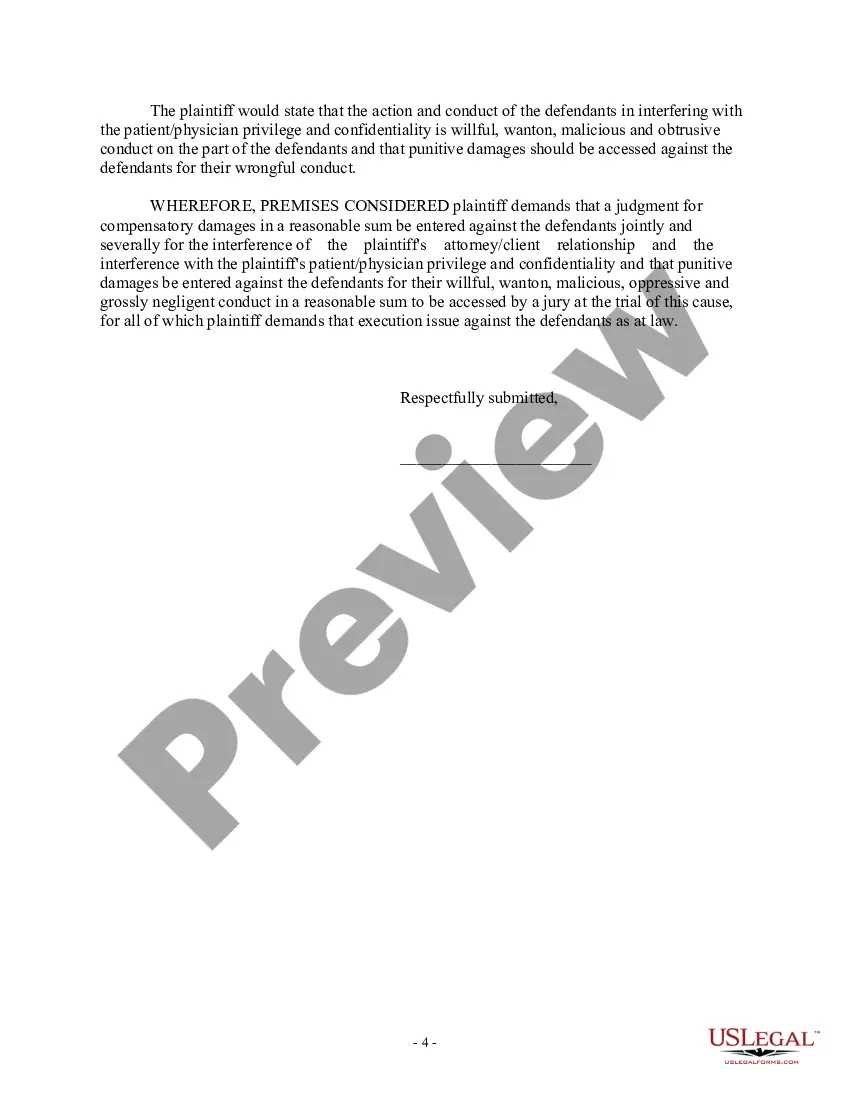

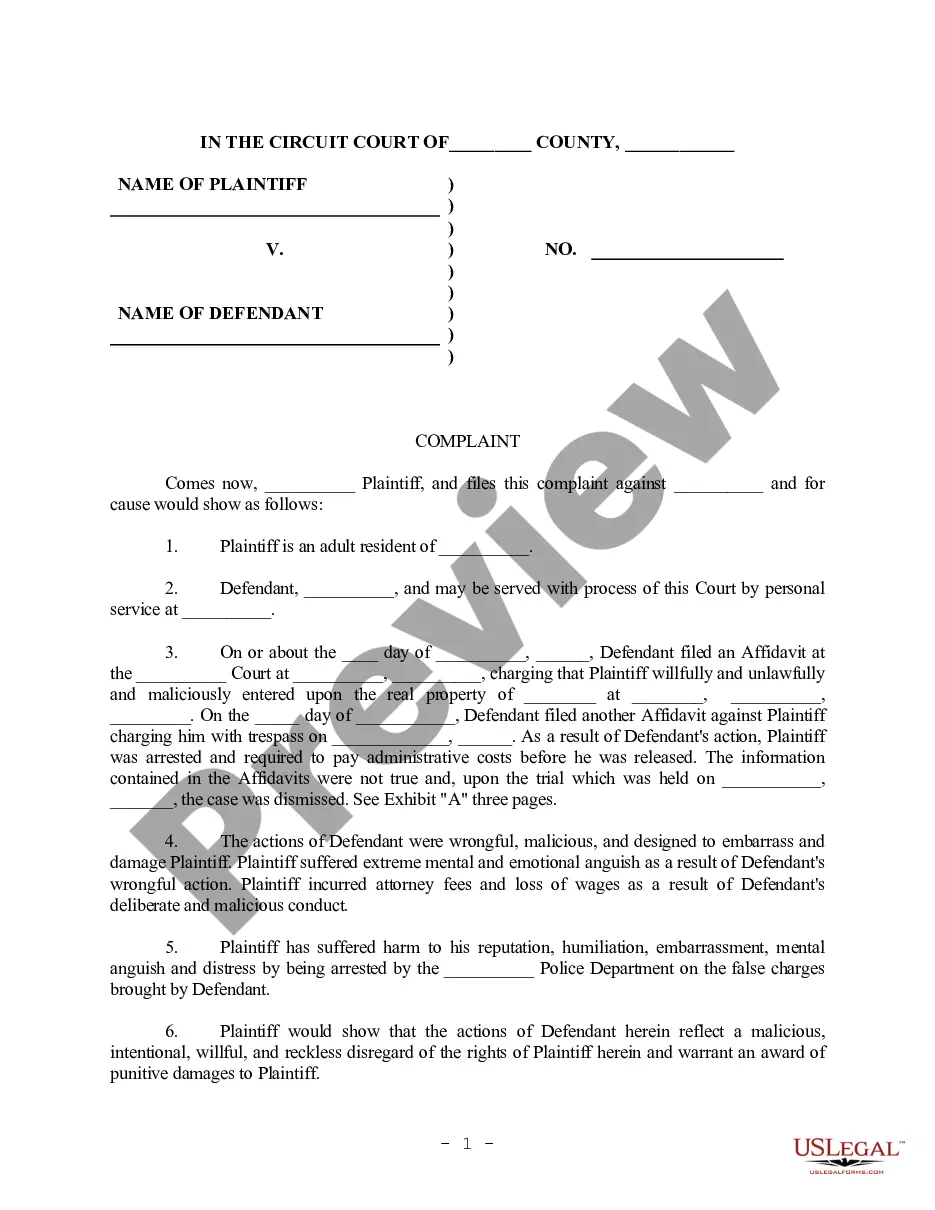
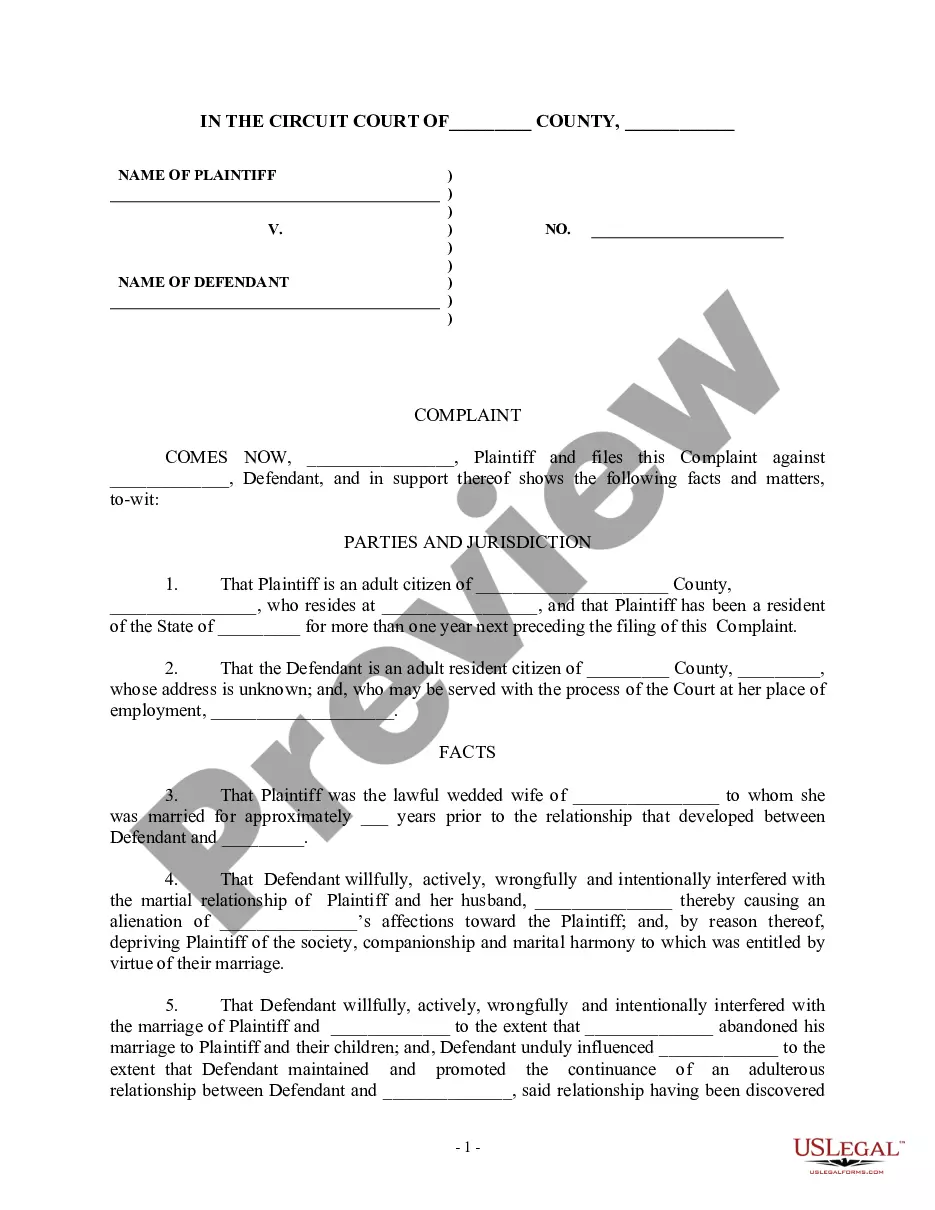

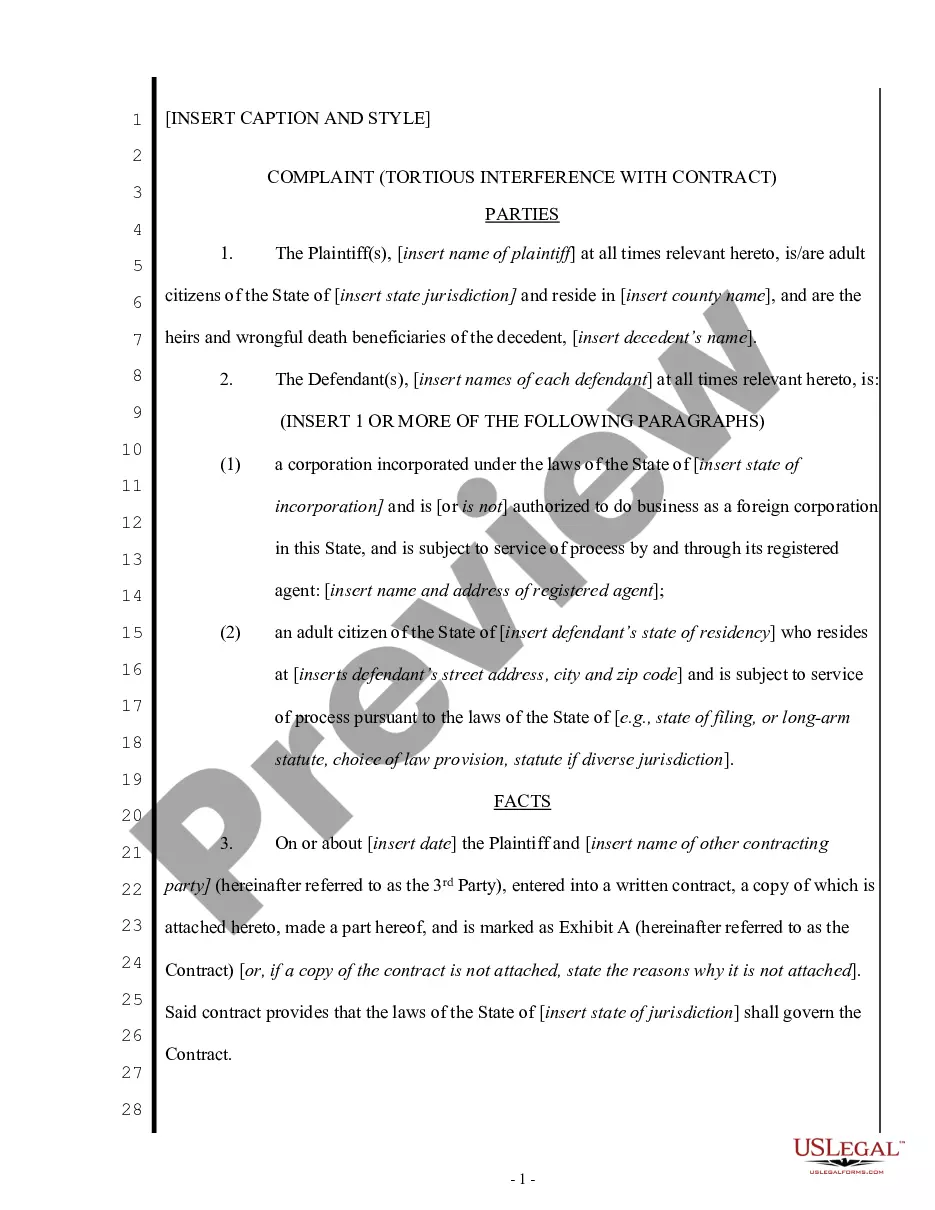
Get your form ready online
Our built-in tools help you complete, sign, share, and store your documents in one place.
Make edits, fill in missing information, and update formatting in US Legal Forms—just like you would in MS Word.
Download a copy, print it, send it by email, or mail it via USPS—whatever works best for your next step.
Sign and collect signatures with our SignNow integration. Send to multiple recipients, set reminders, and more. Go Premium to unlock E-Sign.
If this form requires notarization, complete it online through a secure video call—no need to meet a notary in person or wait for an appointment.
We protect your documents and personal data by following strict security and privacy standards.

Make edits, fill in missing information, and update formatting in US Legal Forms—just like you would in MS Word.

Download a copy, print it, send it by email, or mail it via USPS—whatever works best for your next step.

Sign and collect signatures with our SignNow integration. Send to multiple recipients, set reminders, and more. Go Premium to unlock E-Sign.

If this form requires notarization, complete it online through a secure video call—no need to meet a notary in person or wait for an appointment.

We protect your documents and personal data by following strict security and privacy standards.
Looking for another form?
Form popularity
FAQ
A conflict of interest refers to the ethical problems that may arise between parties with a preexisting relationship. In law, a conflict of interest arises between an attorney and a client if the interests of the attorney, a different client, or a third-party conflict with the interests of the present client.
Lawyers typically do the following: Advise and represent clients in criminal or civil proceedings and in other legal matters. Communicate with clients, colleagues, judges, and others involved in a case. Conduct research and analysis of legal issues. Interpret laws, rulings, and regulations for individuals and businesses.
The establishment of the attorney-client relationship involves two elements: a person seeks advice or assistance from an attorney; and the attorney appears to give, agrees to give or gives the advice or assistance.
As advisor, a lawyer provides a client with an informed understanding of the client's legal rights and obligations and explains their practical implications. As advocate, a lawyer zealously asserts the client's position under the rules of the adversary system.
Attorneys must either avoid conflicts of interest with their clients or deal with them appropriately when they arise. In addition, they must conform to legal requirements, use legal procedures only for legitimate purposes, and demonstrate respect for the legal system.
Professional Ethics: Most legal ethical codes strongly discourage or outright prohibit lawyers from engaging in romantic relationships with clients during representation. This is to maintain professional boundaries and ensure that the lawyer-client relationship is based solely on the client's legal needs.
These principles include the lawyer's obligation zealously to protect and pursue a client's legitimate interests, within the bounds of the law, while maintaining a professional, courteous and civil attitude toward all persons involved in the legal system.
Canon 1 – A paralegal must not: (a) engage in, encourage, or contribute to any act which could constitute the unauthorized practice of law; (b) establish attorney-client relationships, set fees, give legal opinions or advice, or represent a client before a court or agency unless so authorized by that court or agency; ...
If an attorney-client relationship exists, an attorney owes a duty of confidentiality to the clients. Except in those situations where a court appoints an attorney, the attorney-client relationship is created by contract, either express or implied.