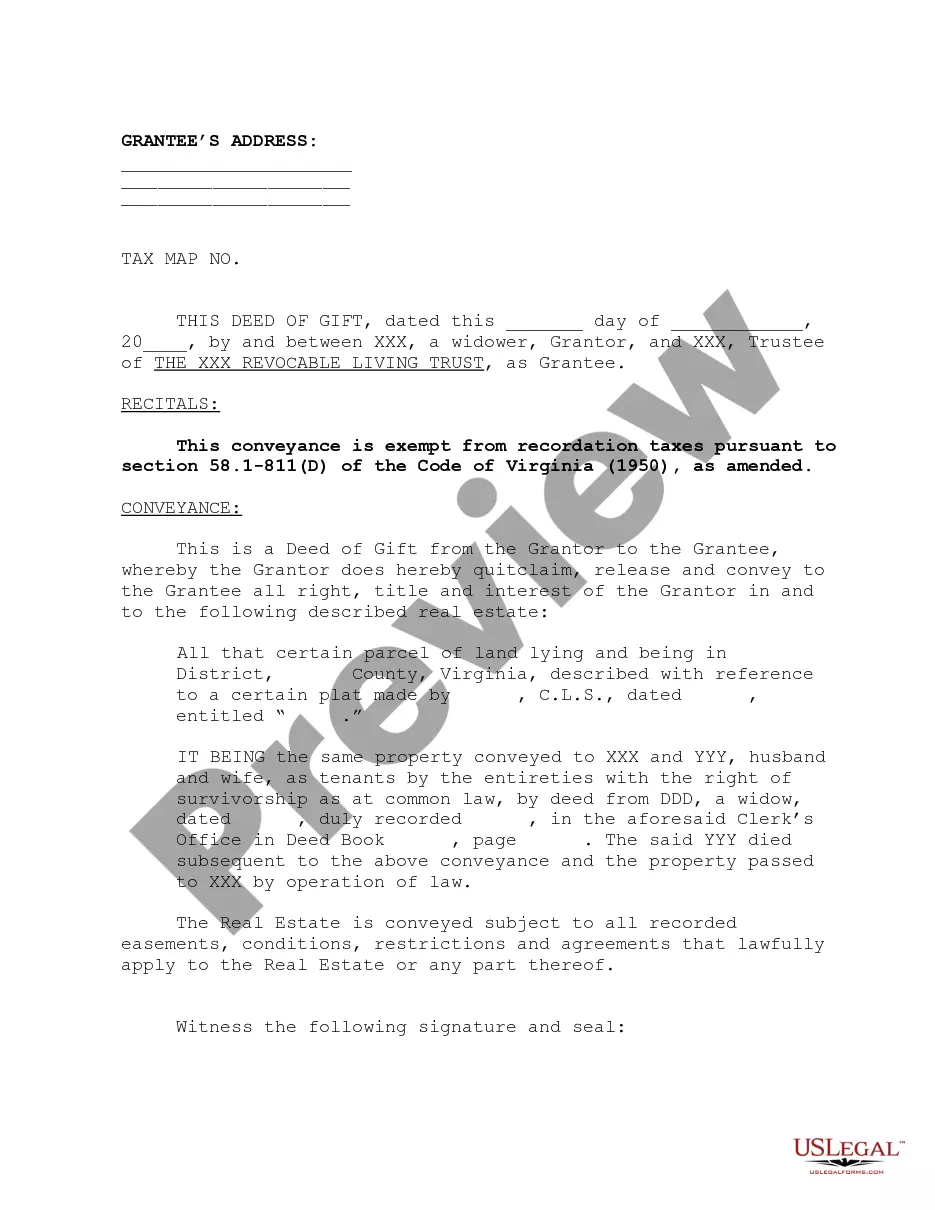
Attorney Letter To Client Withdrawal In Pima
Description

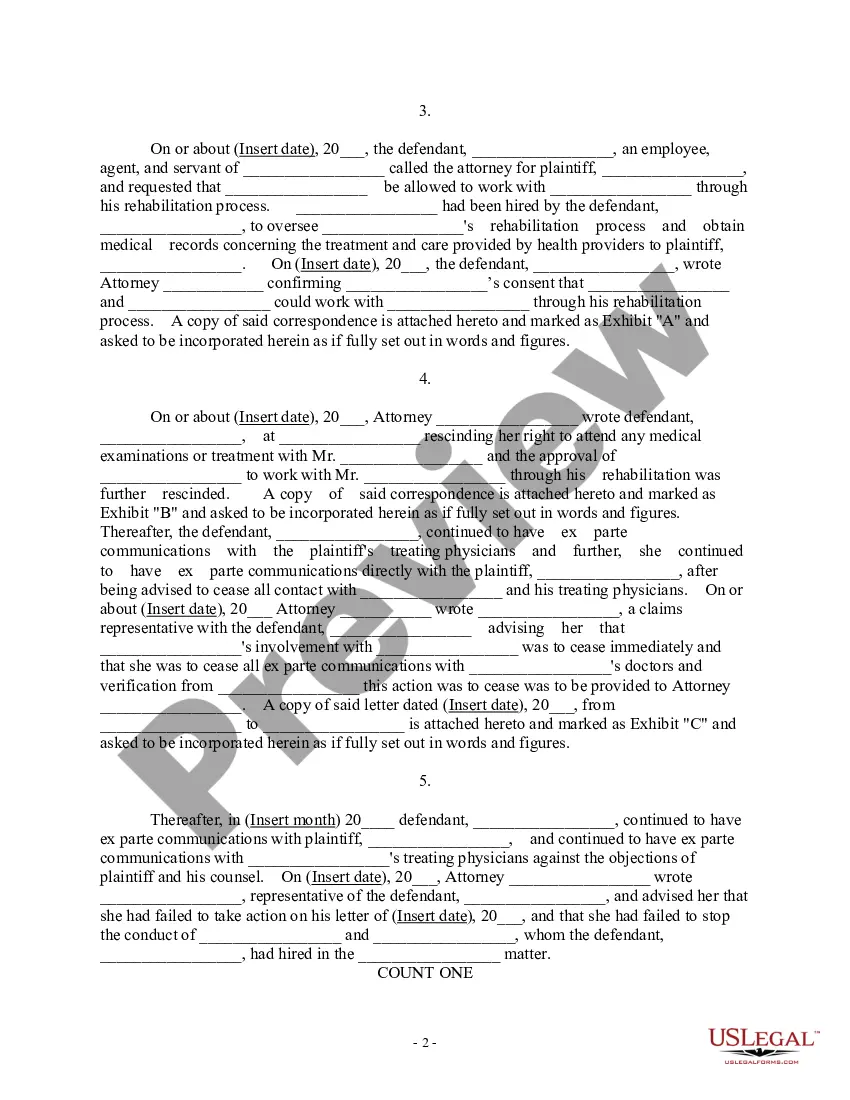
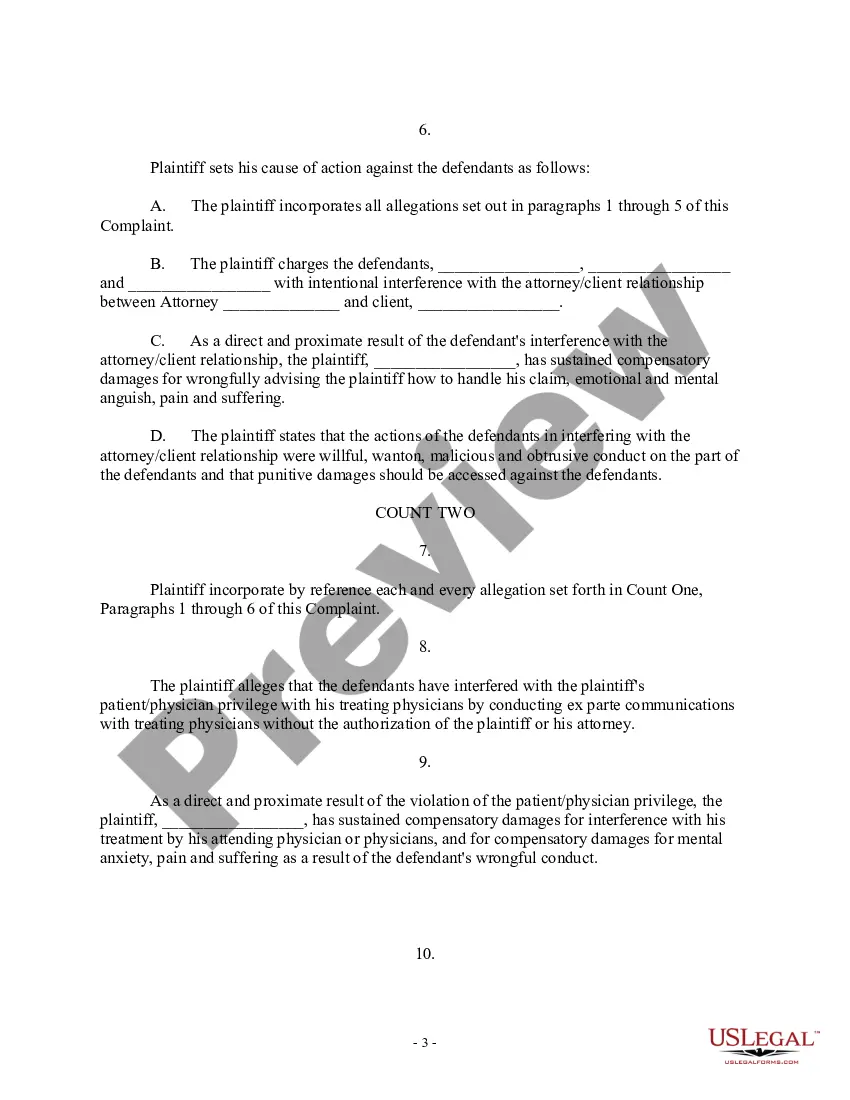


Get your form ready online
Our built-in tools help you complete, sign, share, and store your documents in one place.
Make edits, fill in missing information, and update formatting in US Legal Forms—just like you would in MS Word.
Download a copy, print it, send it by email, or mail it via USPS—whatever works best for your next step.
Sign and collect signatures with our SignNow integration. Send to multiple recipients, set reminders, and more. Go Premium to unlock E-Sign.
If this form requires notarization, complete it online through a secure video call—no need to meet a notary in person or wait for an appointment.
We protect your documents and personal data by following strict security and privacy standards.

Make edits, fill in missing information, and update formatting in US Legal Forms—just like you would in MS Word.

Download a copy, print it, send it by email, or mail it via USPS—whatever works best for your next step.

Sign and collect signatures with our SignNow integration. Send to multiple recipients, set reminders, and more. Go Premium to unlock E-Sign.

If this form requires notarization, complete it online through a secure video call—no need to meet a notary in person or wait for an appointment.

We protect your documents and personal data by following strict security and privacy standards.
Looking for another form?






Form popularity
FAQ
Non-engagement letter sample content Identifying details. Address the letter to the specific person, by name. Purpose. Consultation details. Reason for declination/non-engagement. Timelines. A recommendation to find legal representation. Legal advice disclaimer. Status of client documents.
Dear X, Thank you for your recent offer. I'm flattered with your thoughts and your interest. As somebody who is proud of the work I create, I'm humbled with feedback and am thankful for the offer you have presented. I have carefully considered it, and I must reluctantly decline it.
The lawyer should send a disengagement letter to establish that the relationship is no longer continuing, and to refer the client to another lawyer. In the disengagement letter, the lawyer should warn the client of applicable time limitations, deadlines, and uncompleted investigation or casework.
Even if the matter is not pending before a tribunal, the ethics rules of most states provide that a lawyer cannot withdraw until he or she has taken reasonable steps to avoid foreseeable prejudice to the rights of his client, such as giving notice to the client, allowing time for employment of other counsel, delivering ...
Dear Client's Name, Over the last time you've been working together, i.e., 2 years, we have enjoyed providing you with quality service and value your loyalty to our firm. Regrettably, we are writing to notify you that we're unable to continue providing our services to you as of termination date.
The Non-Engagement Letter is used when an attorney or law firm opts not to represent a prospective client following initial consultations. In essence, it preempts the formation of an attorney-client relationship, thereby mitigating potential legal ambiguities or liabilities.
Letters of engagement and retainer agreements (“Letter(s)”) help outline the terms under which the attorney will represent the client, and offer the client a better understanding of the attorney's path of representation. A retainer agreement is a letter of engagement that has been countersigned by the client.