Attorney Fund For Client Protection In Orange
Description

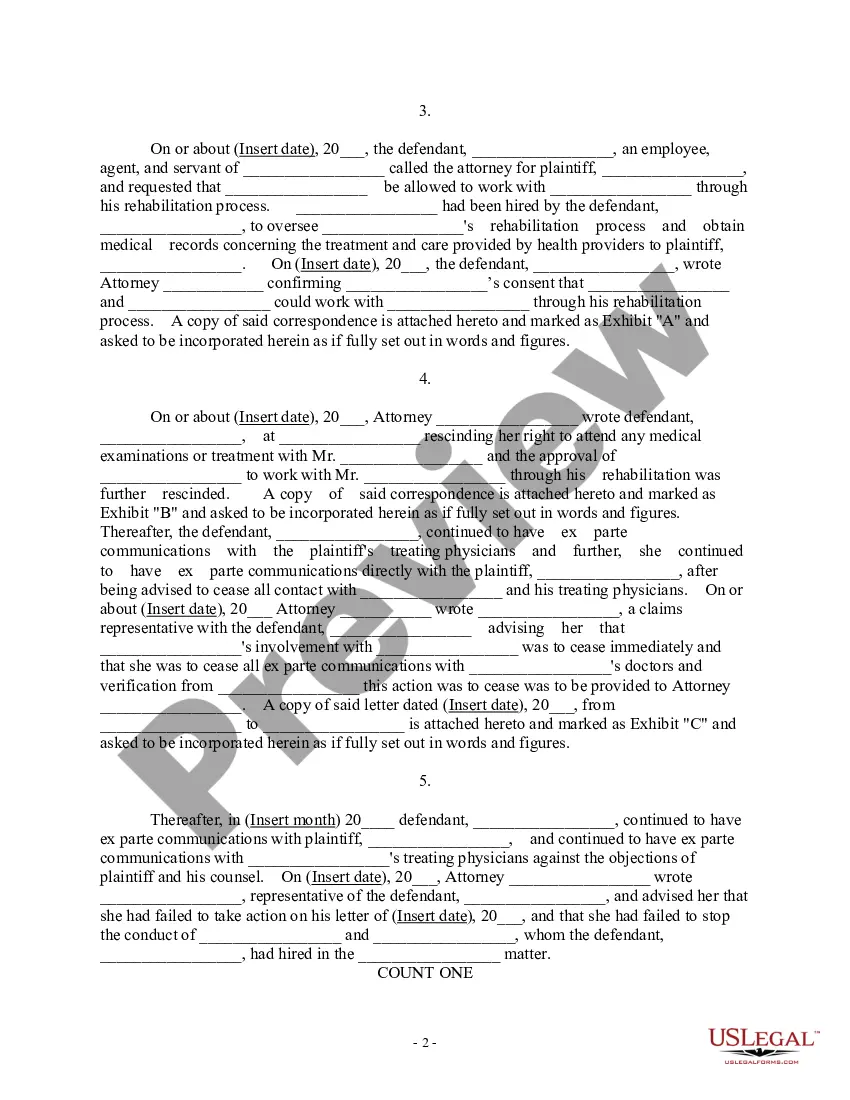
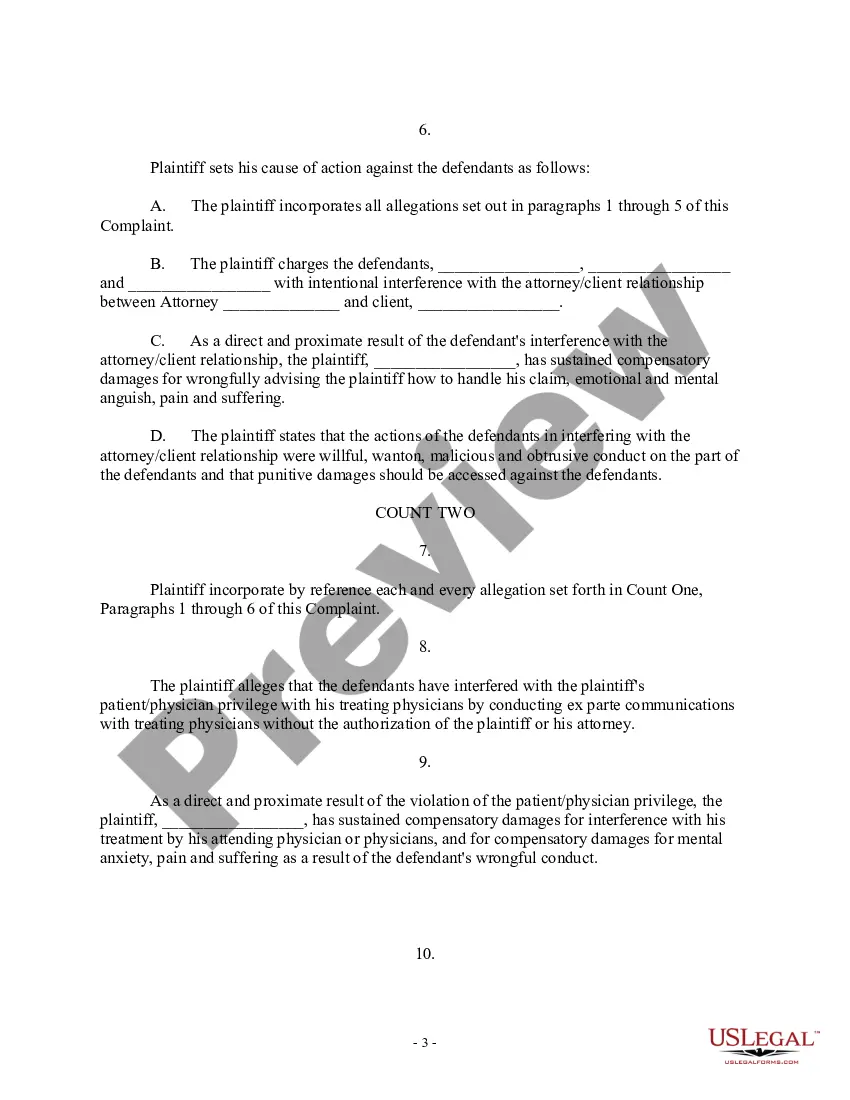
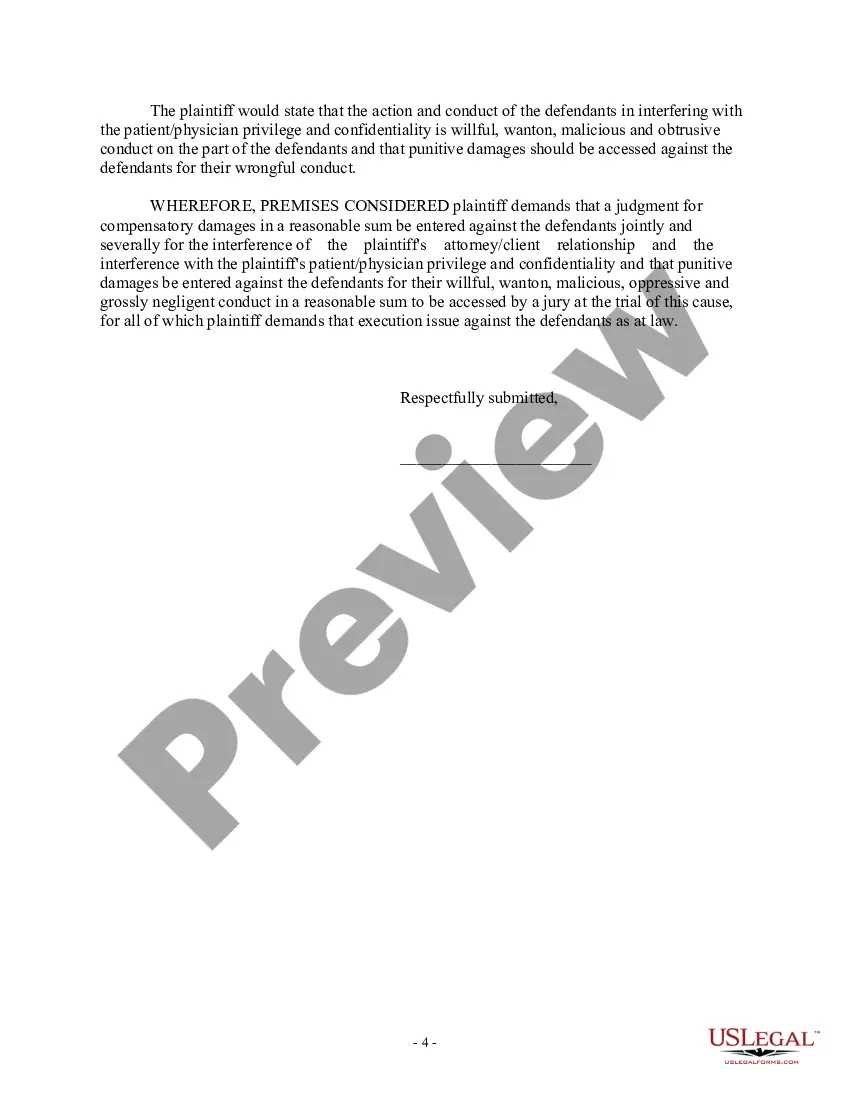




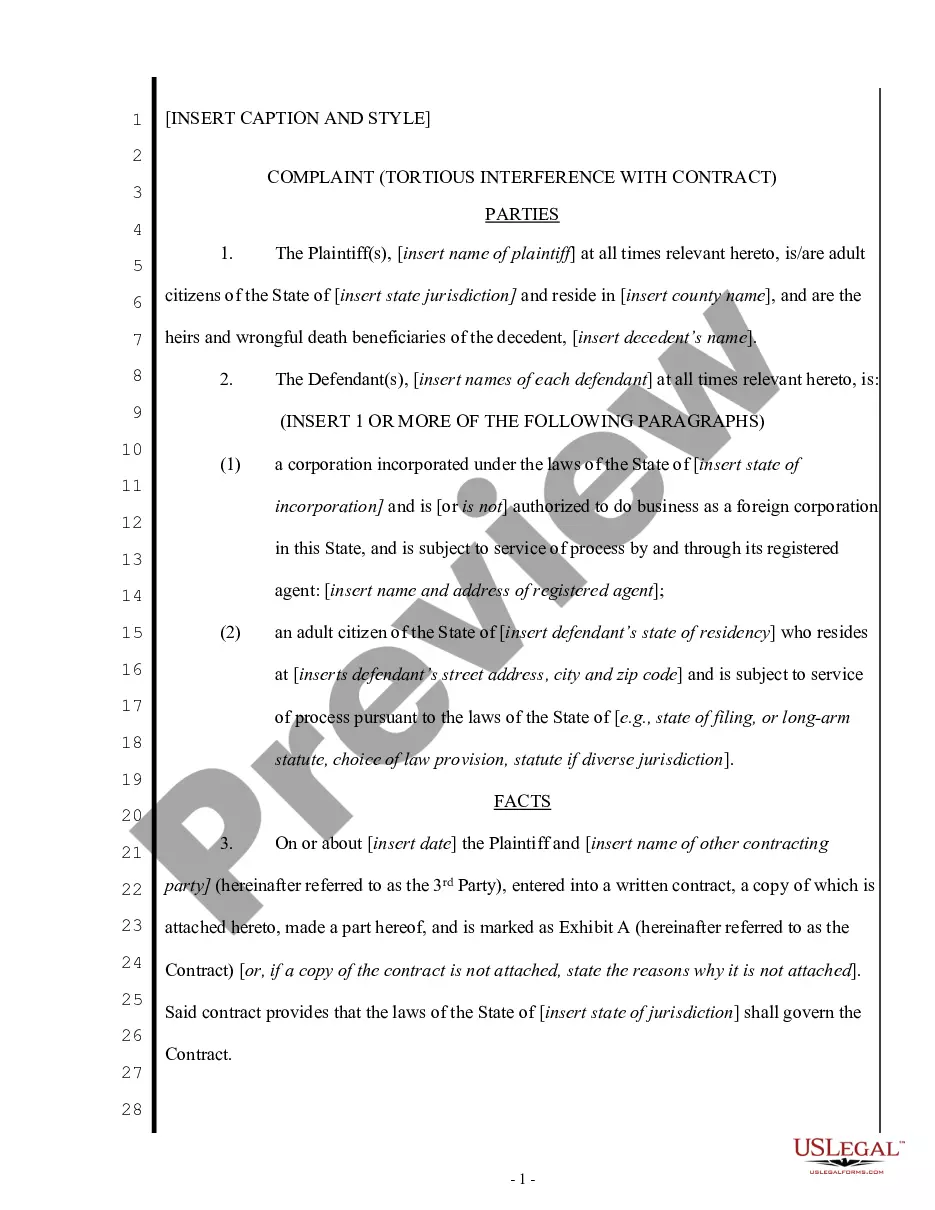
Get your form ready online
Our built-in tools help you complete, sign, share, and store your documents in one place.
Make edits, fill in missing information, and update formatting in US Legal Forms—just like you would in MS Word.
Download a copy, print it, send it by email, or mail it via USPS—whatever works best for your next step.
Sign and collect signatures with our SignNow integration. Send to multiple recipients, set reminders, and more. Go Premium to unlock E-Sign.
If this form requires notarization, complete it online through a secure video call—no need to meet a notary in person or wait for an appointment.
We protect your documents and personal data by following strict security and privacy standards.

Make edits, fill in missing information, and update formatting in US Legal Forms—just like you would in MS Word.

Download a copy, print it, send it by email, or mail it via USPS—whatever works best for your next step.

Sign and collect signatures with our SignNow integration. Send to multiple recipients, set reminders, and more. Go Premium to unlock E-Sign.

If this form requires notarization, complete it online through a secure video call—no need to meet a notary in person or wait for an appointment.

We protect your documents and personal data by following strict security and privacy standards.
Looking for another form?

Form popularity
FAQ
Crime or Fraud Exception. If a client seeks advice from an attorney to assist with the furtherance of a crime or fraud or the post-commission concealment of the crime or fraud, then the communication is not privileged.
It prevents a lawyer from being compelled to testify against his/her client. The purpose underlying this privilege is to ensure that clients receive accurate and competent legal advice by encouraging full disclosure to their lawyer without fear that the information will be revealed to others.
California law requires attorneys who handle client funds or funds entrusted by others to hold them in one or more interest-bearing bank accounts labeled as a "Trust Account," or words of similar import.
Whose Burden is it to Prove a Communication is Privileged? The party asserting the attorney-client privilege must prove that the communication in question meets the standard to be protected and that no waiver of the privilege was made.
The attorney-client privilege preserves the confidentiality of communications between lawyers and their clients. The privilege protects individuals and institutions.
As advisor, a lawyer provides a client with an informed understanding of the client's legal rights and obligations and explains their practical implications. As advocate, a lawyer zealously asserts the client's position under the rules of the adversary system.
You are entitled to an attorney who will be capable of handling your case; show you courtesy and consideration at all times; represent you zealously; and preserve your confidences and secrets that you reveal in the course of the relationship, to the extent permitted by law.
You must keep a written record showing that every month you completed a three-way reconciliation where you “reconciled” or balanced the account journal against the individual ledgers and the bank statement with canceled checks. You must perform this three-way reconciliation for each client trust account you keep.
A standard financial POA should include the: Certification and powers of your agent. Duties and limitations of your agent. Events for revocation. Signature of the principal. Effective date. Witness and notary public confirmation.