Attorney Sleeping With Client In Oakland
Description

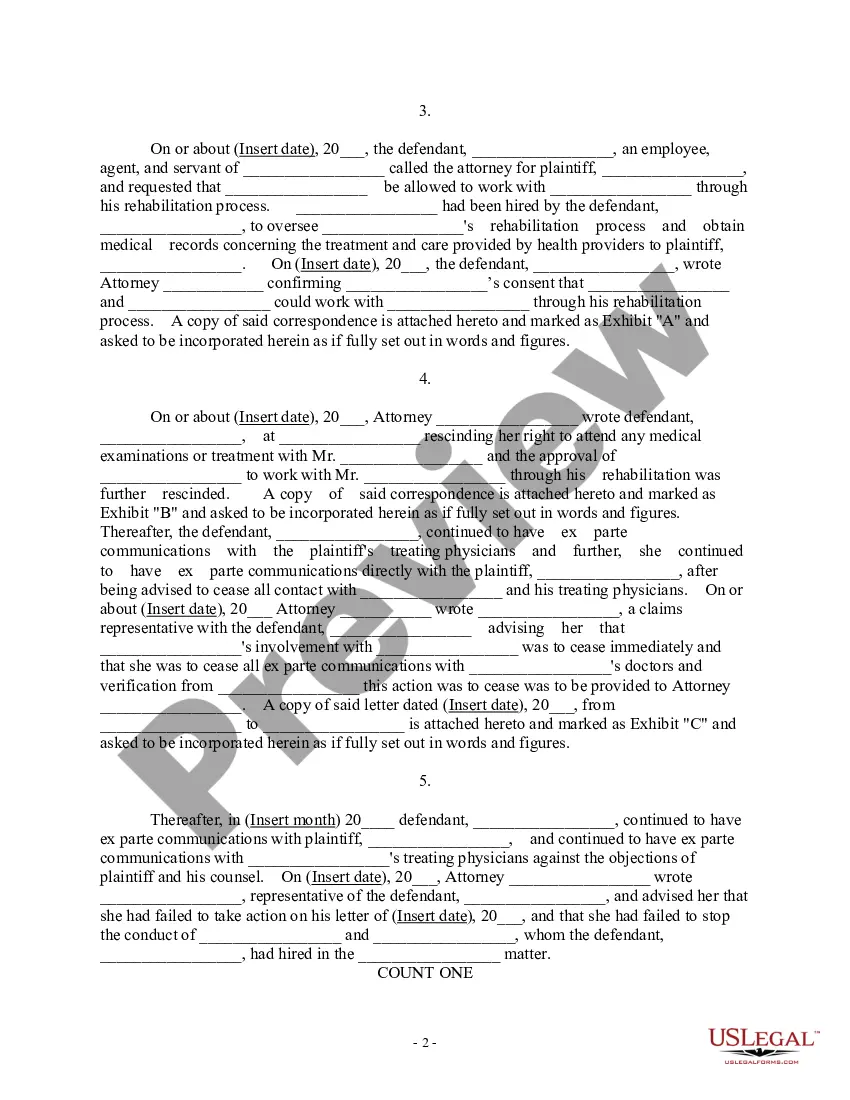
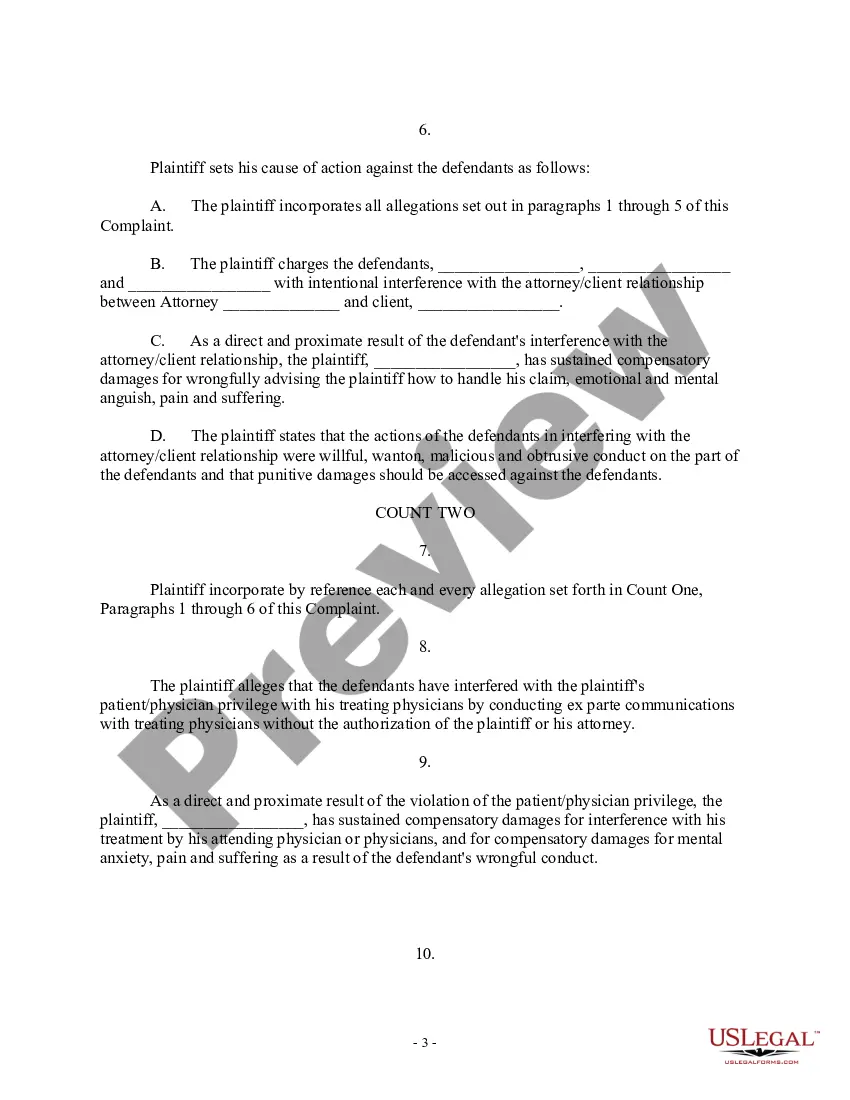
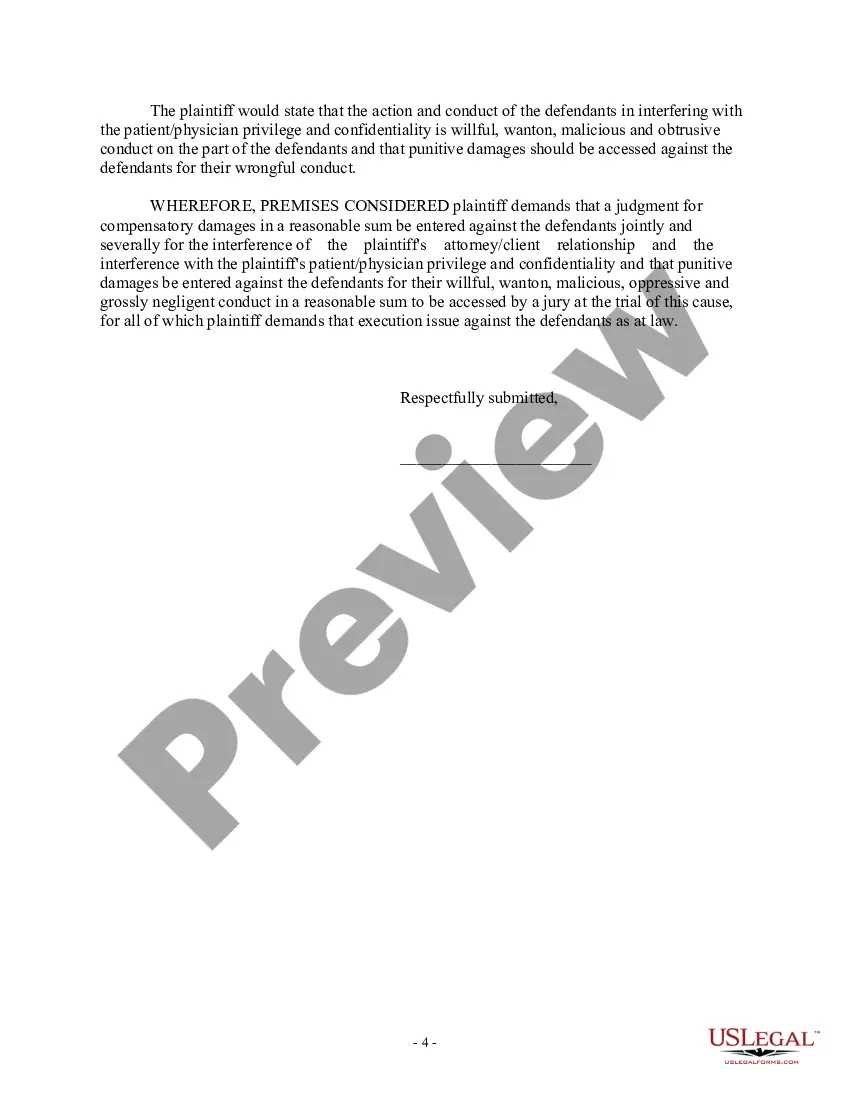

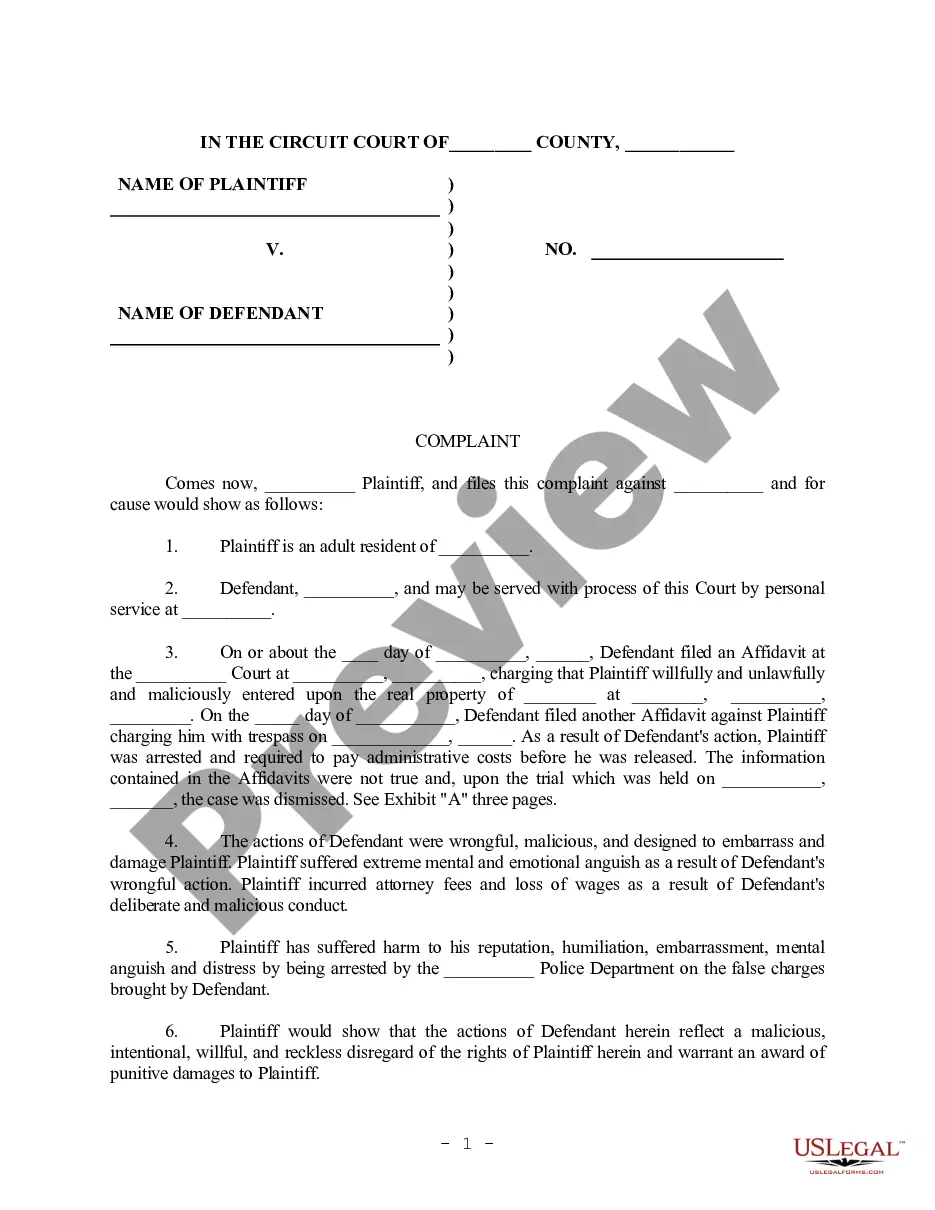

Get your form ready online
Our built-in tools help you complete, sign, share, and store your documents in one place.
Make edits, fill in missing information, and update formatting in US Legal Forms—just like you would in MS Word.
Download a copy, print it, send it by email, or mail it via USPS—whatever works best for your next step.
Sign and collect signatures with our SignNow integration. Send to multiple recipients, set reminders, and more. Go Premium to unlock E-Sign.
If this form requires notarization, complete it online through a secure video call—no need to meet a notary in person or wait for an appointment.
We protect your documents and personal data by following strict security and privacy standards.

Make edits, fill in missing information, and update formatting in US Legal Forms—just like you would in MS Word.

Download a copy, print it, send it by email, or mail it via USPS—whatever works best for your next step.

Sign and collect signatures with our SignNow integration. Send to multiple recipients, set reminders, and more. Go Premium to unlock E-Sign.

If this form requires notarization, complete it online through a secure video call—no need to meet a notary in person or wait for an appointment.

We protect your documents and personal data by following strict security and privacy standards.
Looking for another form?






Form popularity
FAQ
Canon 3 – A paralegal may perform any task which is properly delegated and supervised by an attorney, as long as the attorney is ultimately responsible to the client, maintains a direct relationship with the client, and assumes professional responsibility for the work product.
The American Bar Association's Model Rules of Professional Responsibility prohibit such affairs between a lawyer and his clients. There's always an exception under the law, however. That's if the client was the lawyer's sexual partner before the client became a client.
Breach of Professional Ethics: Most legal systems and bar associations have strict rules about maintaining professional boundaries. Engaging in a sexual relationship with a client can lead to disciplinary action against the lawyer, including disbarment.
The establishment of the attorney-client relationship involves two elements: a person seeks advice or assistance from an attorney; and the attorney appears to give, agrees to give or gives the advice or assistance.
Q: At what point in time does the privilege legally begin? A: Immediately — as soon as those three elements are met (the lawyer-client; private communication, and for purposes of legal advice).
Except when created by court appointment, the attorney-client relationship may be found to exist based on the intent and conduct of the parties and the reasonable expectations of the potential client.
Rule 4.1 Truthfulness in Statements to Others (b) fail to disclose a material fact to a third person when disclosure is necessary to avoid assisting a criminal or fraudulent act by a client, unless disclosure is prohibited by Business and Professions Code section 6068, subdivision (e)(1) or rule 1.6.
(A) A member who is participating or has participated in the investigation or litigation of a matter shall not make an extrajudicial statement that a reasonable person would expect to be disseminated by means of public communication if the member knows or reasonably should know that it will have a substantial ...
Previously, as the only state not to adopt some version of the American Bar Association's Model Rule 8.3, California has now finally joined the rest of the nation. California's new Rule of Professional Conduct 8.3, which goes into effect August 1, 2023, establishes a duty to report the misconduct of other lawyers that ...