Attorney Client Privilege For Consultants In New York
Description

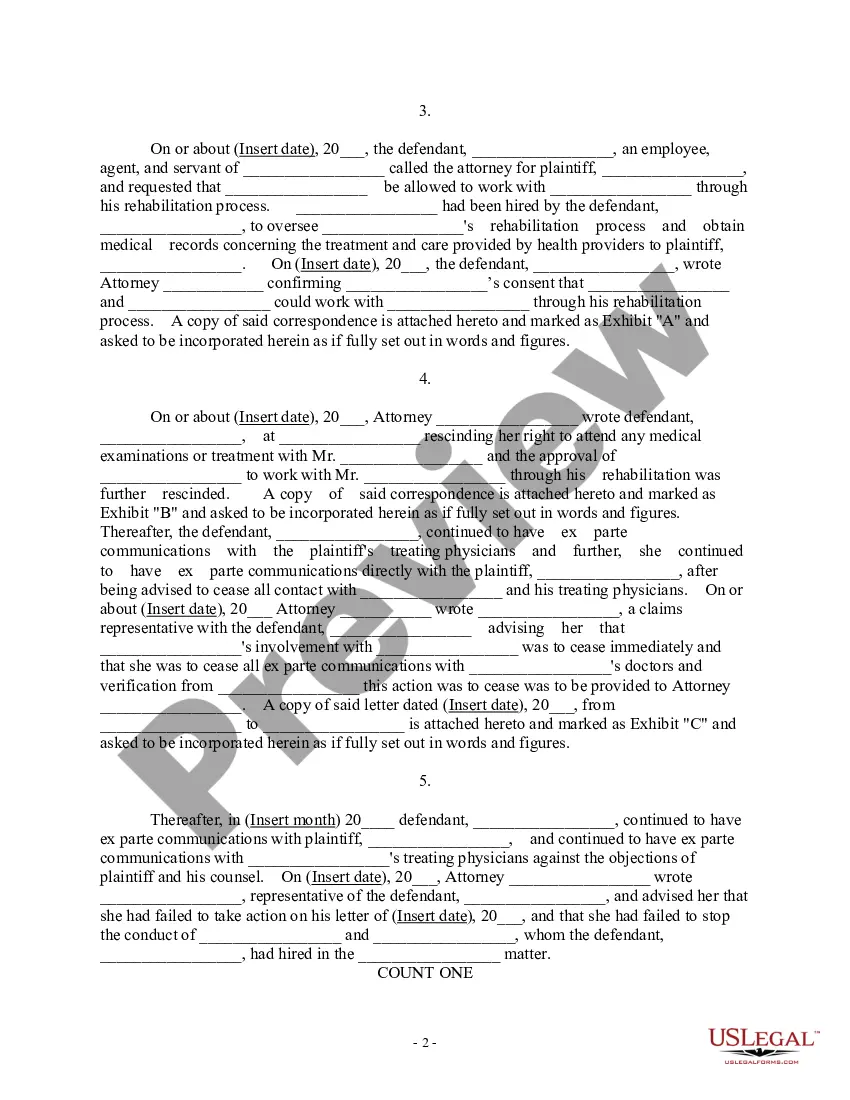
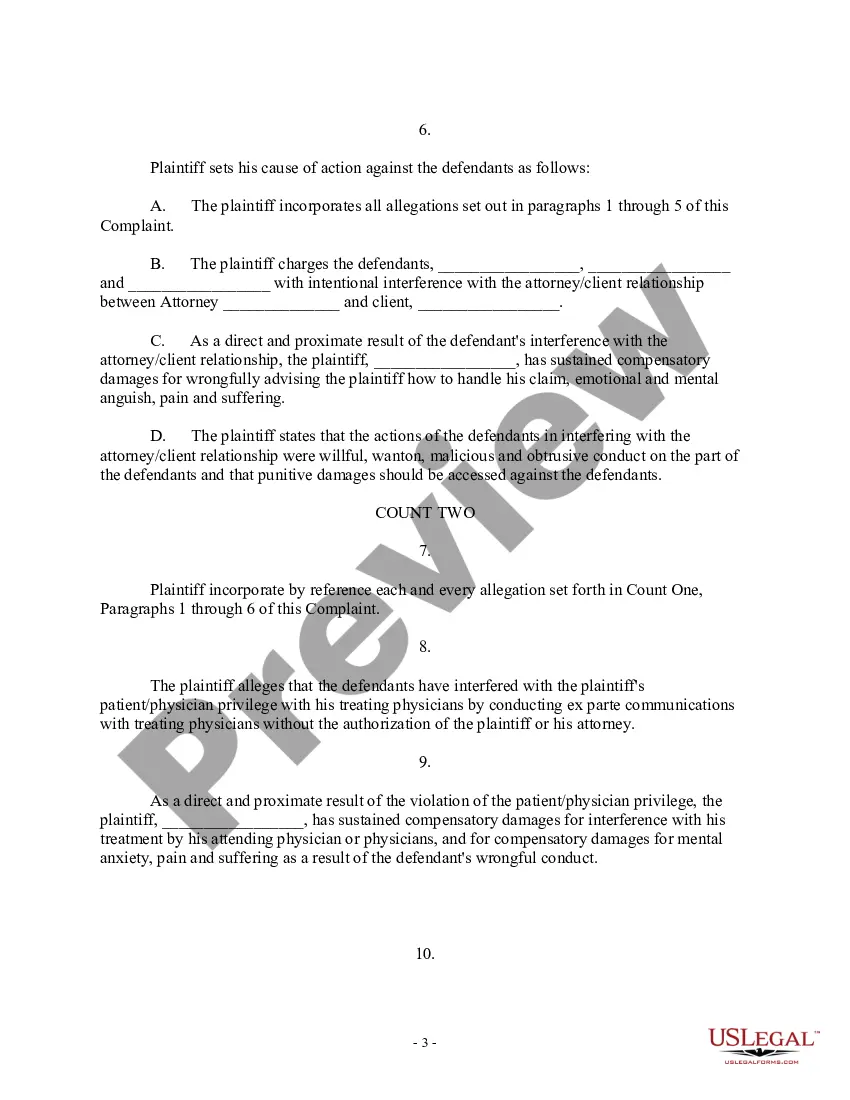
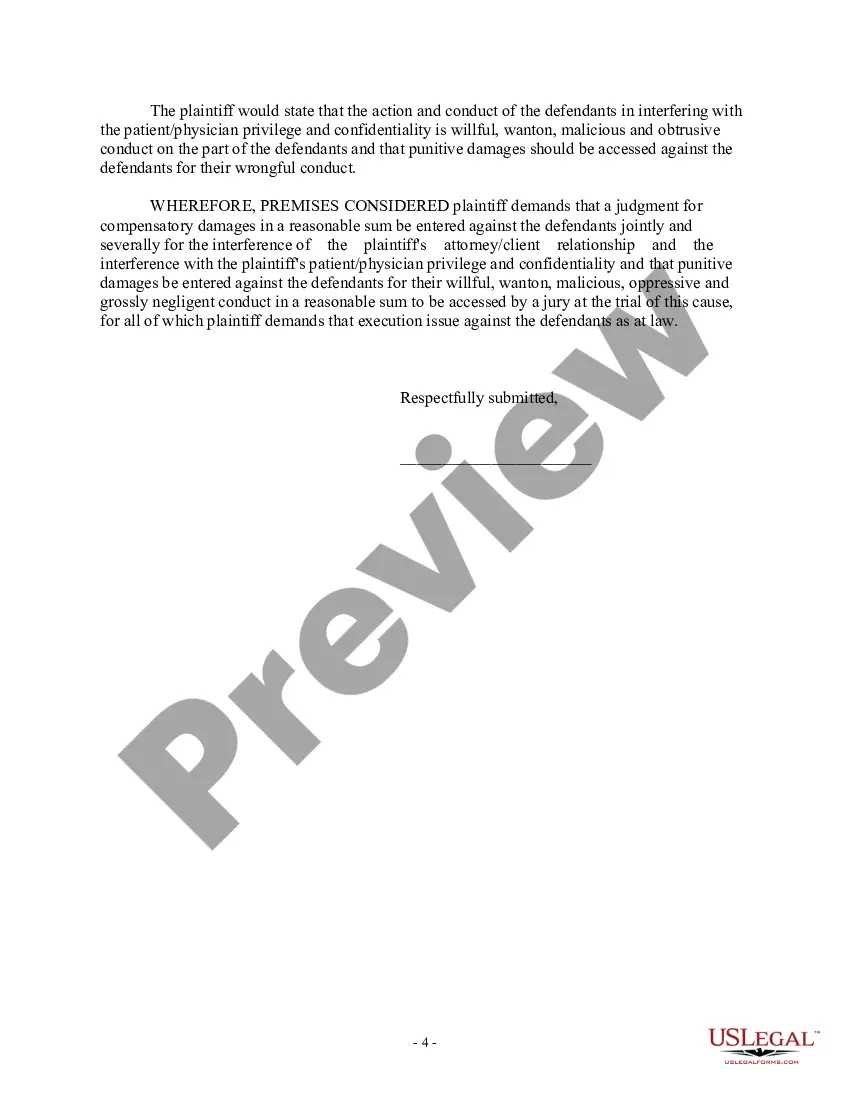

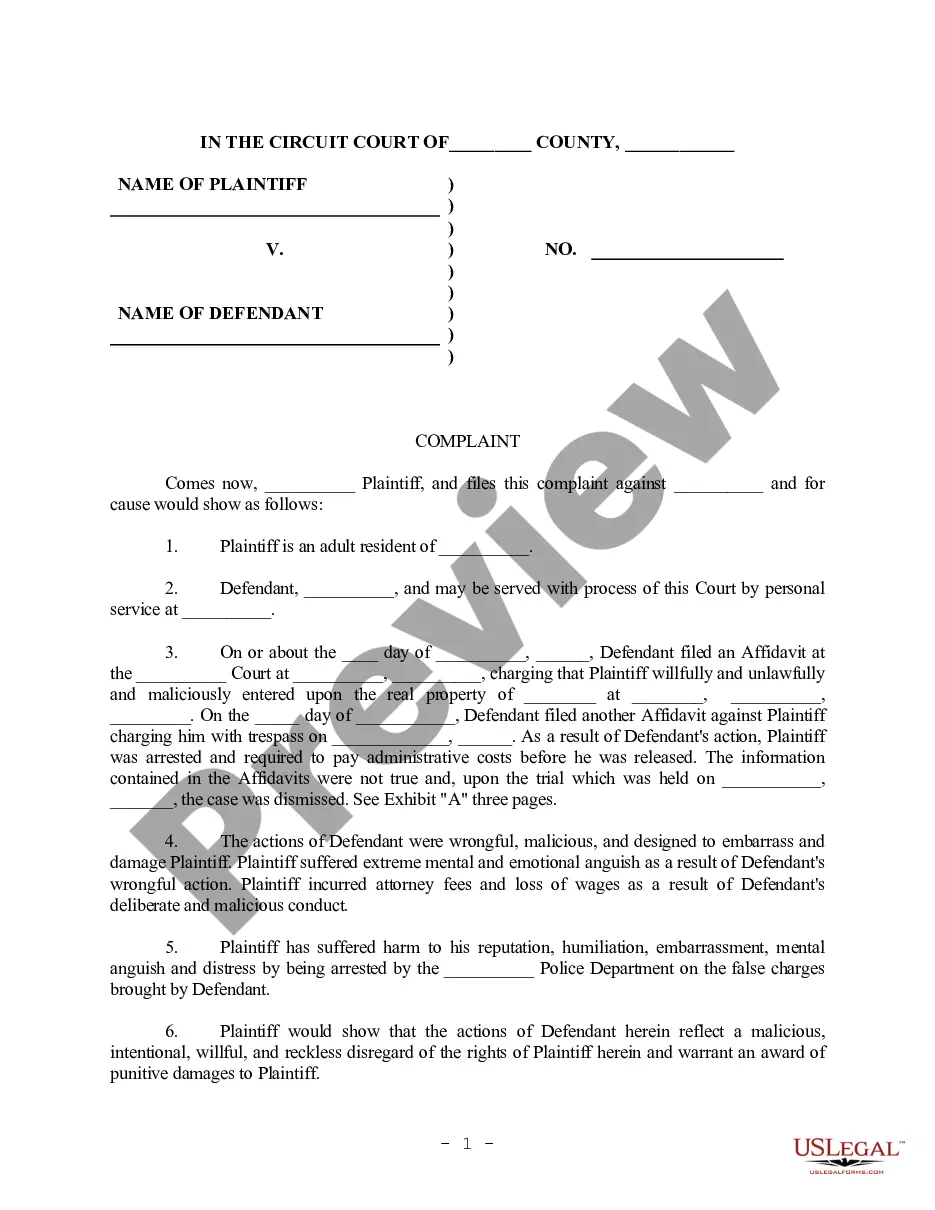

Get your form ready online
Our built-in tools help you complete, sign, share, and store your documents in one place.
Make edits, fill in missing information, and update formatting in US Legal Forms—just like you would in MS Word.
Download a copy, print it, send it by email, or mail it via USPS—whatever works best for your next step.
Sign and collect signatures with our SignNow integration. Send to multiple recipients, set reminders, and more. Go Premium to unlock E-Sign.
If this form requires notarization, complete it online through a secure video call—no need to meet a notary in person or wait for an appointment.
We protect your documents and personal data by following strict security and privacy standards.

Make edits, fill in missing information, and update formatting in US Legal Forms—just like you would in MS Word.

Download a copy, print it, send it by email, or mail it via USPS—whatever works best for your next step.

Sign and collect signatures with our SignNow integration. Send to multiple recipients, set reminders, and more. Go Premium to unlock E-Sign.

If this form requires notarization, complete it online through a secure video call—no need to meet a notary in person or wait for an appointment.

We protect your documents and personal data by following strict security and privacy standards.
Looking for another form?

Form popularity
FAQ
Unless the client waives the privilege, an attorney or his or her employee, or any person who obtains without the knowledge of the client evidence of a confidential communication made between the attorney or his or her employee and the client in the course of professional employment, shall not disclose, or be allowed ...
The law is clear that disclosure of privileged information to external auditors waives the attorney-client privilege.
Admissibility Standards New York applies the Frye standard for determining whether expert testimony is admissible. Under Frye, the key consideration is whether the expert's methodology is “generally accepted” in the relevant scientific community.
Discoverable Information and the Testifying Expert Communications between an expert witness and the party's attorney are also protected, under Fed.R.Civ.Pro.
A decision recently issued by the New York Supreme Court (County of Saratoga) illustrates one of these exceptions — the “fiduciary exception.” The court ruled that the fiduciary exception to the attorney-client privilege enabled the minority owner of a multi-company family business to obtain information about ...
In practice, however, many courts have held that attorney-client privilege generally works to protect communications between the attorney and consultants when: The communication occurs for the purposes of obtaining or dispensing legal advice, and.
Four Practical Tips for Protecting the Attorney-Client Privilege,... CLEARLY IDENTIFY PRIVILEGED COMMUNICATIONS. PRIVILEGE RULES OUTSIDE THE US ARE DIFFERENT. USE CAUTION WHEN COMMUNICATING WITH OUTSIDE DIRECTORS. IN-HOUSE COUNSEL SHOULD CAREFULLY CONSIDER THE RISKS OF SIGNING AFFIDAVITS OR SWORN STATEMENTS.
"Privileged communications" refer to all information exchanged between an individual and a health care professional related to the diagnoses and treatment of the individual.