Attorney Relationship With Client In Montgomery
Description





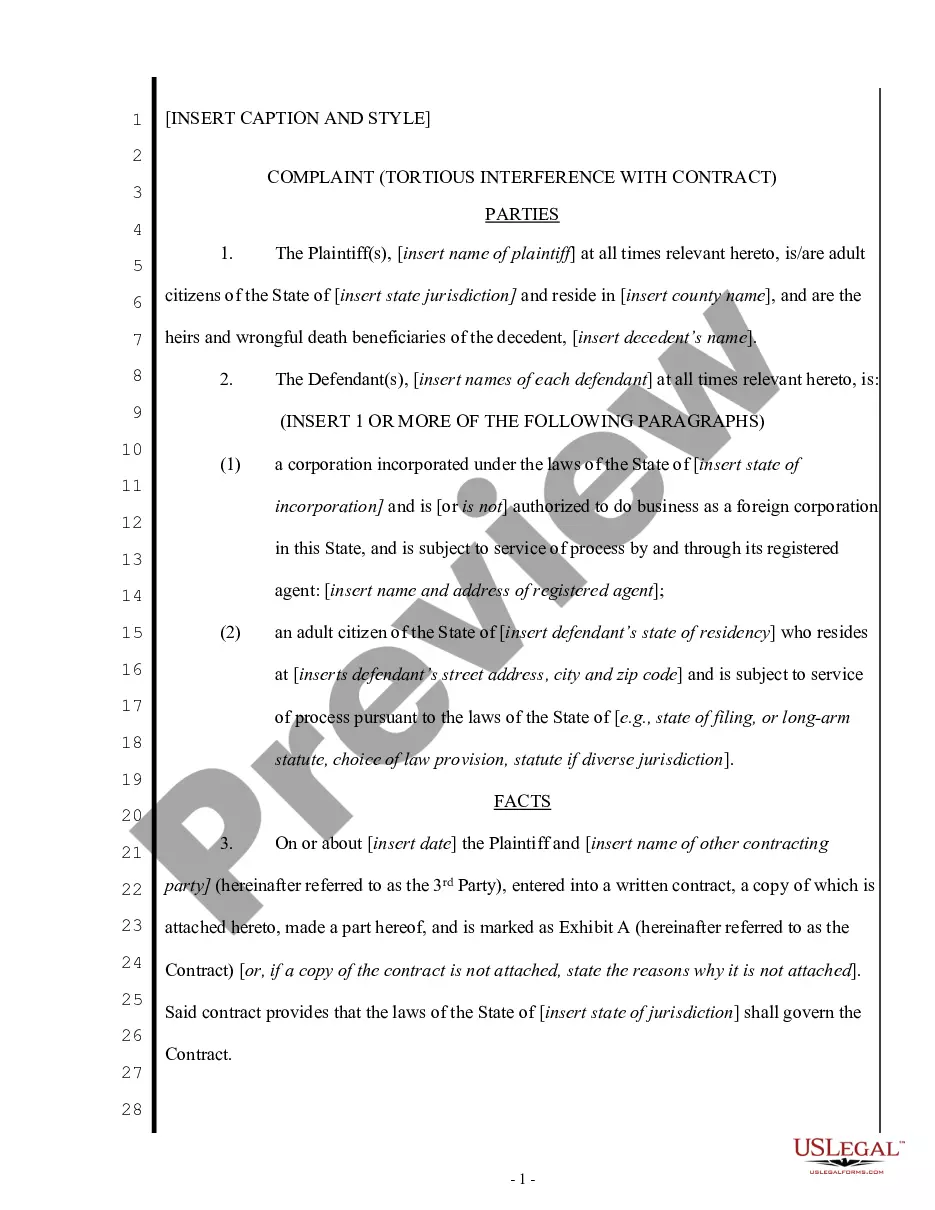
Get your form ready online
Our built-in tools help you complete, sign, share, and store your documents in one place.
Make edits, fill in missing information, and update formatting in US Legal Forms—just like you would in MS Word.
Download a copy, print it, send it by email, or mail it via USPS—whatever works best for your next step.
Sign and collect signatures with our SignNow integration. Send to multiple recipients, set reminders, and more. Go Premium to unlock E-Sign.
If this form requires notarization, complete it online through a secure video call—no need to meet a notary in person or wait for an appointment.
We protect your documents and personal data by following strict security and privacy standards.

Make edits, fill in missing information, and update formatting in US Legal Forms—just like you would in MS Word.

Download a copy, print it, send it by email, or mail it via USPS—whatever works best for your next step.

Sign and collect signatures with our SignNow integration. Send to multiple recipients, set reminders, and more. Go Premium to unlock E-Sign.

If this form requires notarization, complete it online through a secure video call—no need to meet a notary in person or wait for an appointment.

We protect your documents and personal data by following strict security and privacy standards.
Looking for another form?







Form popularity
FAQ
Professional Ethics: Most legal ethical codes strongly discourage or outright prohibit lawyers from engaging in romantic relationships with clients during representation. This is to maintain professional boundaries and ensure that the lawyer-client relationship is based solely on the client's legal needs.
All complaints undergo a review process that might lead to the filing of formal charges against the lawyer, a trial-like formal hearing and, if warranted, the imposition of a punishment. Final decisions of the disciplinary authority can usually be appealed to the courts.
The establishment of the attorney-client relationship involves two elements: a person seeks advice or assistance from an attorney; and the attorney appears to give, agrees to give or gives the advice or assistance.
Attorney misconduct may include: conflict of interest, overbilling, false or misleading statements, knowingly pursuing frivolous and meritless lawsuits, concealing evidence, abandoning a client, failing to disclose all relevant facts, arguing a position while neglecting to disclose prior law which might counter the ...
The most common disciplinary complaints filed against lawyers are for: Neglect. Lack of communication. Misrepresentation/Dishonesty.
She cites ABA statistics that show a third of all women lawyers have never married, compared to 8 percent of male lawyers, and nearly half of women lawyers are currently unmarried, compared to 15 percent of the men.
These principles include the lawyer's obligation zealously to protect and pursue a client's legitimate interests, within the bounds of the law, while maintaining a professional, courteous and civil attitude toward all persons involved in the legal system.
In the United States, lawyers are most likely to marry other lawyers. A few years ago, the folks at Bloomberg reported the results of an empirical study that showed: Male lawyers are more likely to marry other lawyers than members of any other profession.
Of course, the first profession I looked at was lawyers. Unsurprisingly, it turns out that most lawyers marry other lawyers. But male lawyers also marry schoolteachers, secretaries, and miscellaneous managers. And lawyers marry people in other computer occupations.