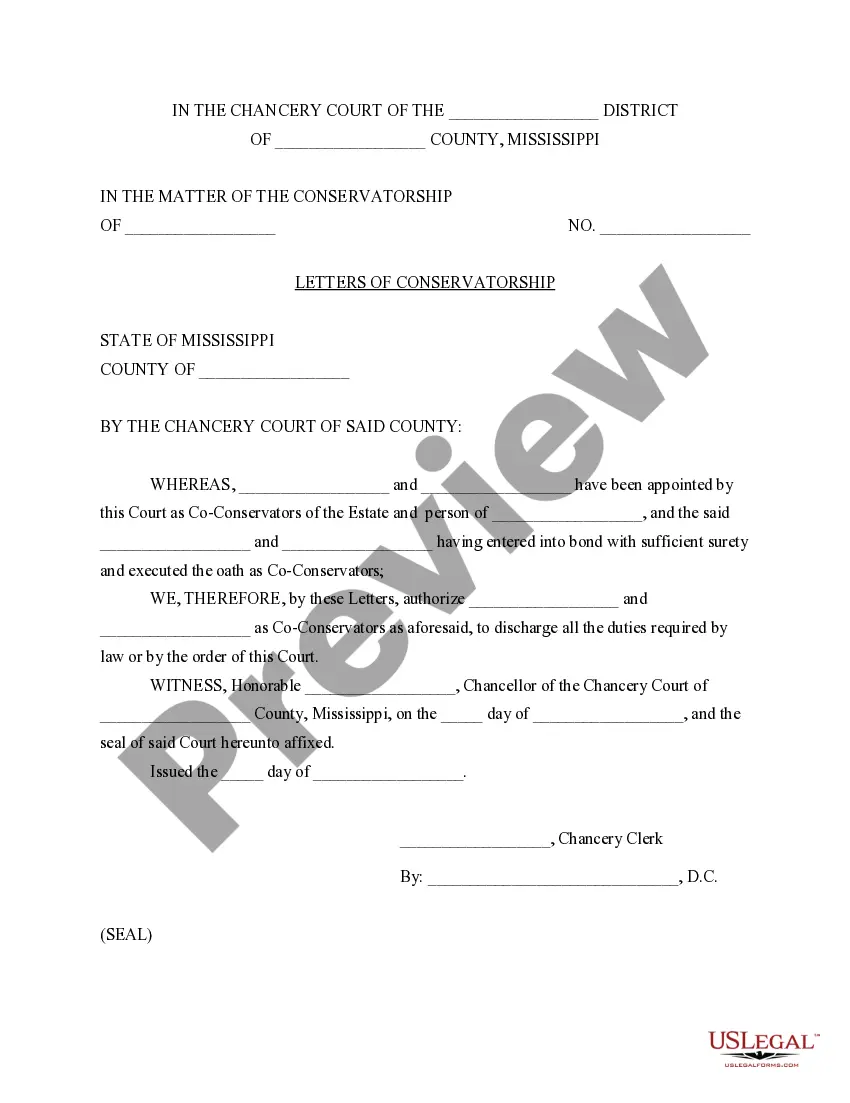
Advocate Client Relationship In Kenya In Maryland
Description



Get your form ready online
Our built-in tools help you complete, sign, share, and store your documents in one place.
Make edits, fill in missing information, and update formatting in US Legal Forms—just like you would in MS Word.
Download a copy, print it, send it by email, or mail it via USPS—whatever works best for your next step.
Sign and collect signatures with our SignNow integration. Send to multiple recipients, set reminders, and more. Go Premium to unlock E-Sign.
If this form requires notarization, complete it online through a secure video call—no need to meet a notary in person or wait for an appointment.
We protect your documents and personal data by following strict security and privacy standards.

Make edits, fill in missing information, and update formatting in US Legal Forms—just like you would in MS Word.

Download a copy, print it, send it by email, or mail it via USPS—whatever works best for your next step.

Sign and collect signatures with our SignNow integration. Send to multiple recipients, set reminders, and more. Go Premium to unlock E-Sign.

If this form requires notarization, complete it online through a secure video call—no need to meet a notary in person or wait for an appointment.

We protect your documents and personal data by following strict security and privacy standards.
Looking for another form?








Form popularity
FAQ
The role of an advocate is to offer independent support to those who feel they are not being heard and to ensure they are taken seriously and that their rights are respected.
The primary difference between the responsibilities and duties of a lawyer vs. advocate is that a lawyer has less experience and might not represent clients in courts. Comparatively, advocates are more qualified in legal matters and can represent their clients.
The Advocate is an officer of the court and has a duty of fidelity to the law. Therefore the Advocate shall discharge his/her duty to represent the client in adversarial proceedings as well as in non- contentious matters by fair and honourable means and without illegality or subversion of the due processes of the law.
Professional Ethics: Most legal ethical codes strongly discourage or outright prohibit lawyers from engaging in romantic relationships with clients during representation. This is to maintain professional boundaries and ensure that the lawyer-client relationship is based solely on the client's legal needs.
Lawyer: A lawyer is a person who has completed an undergraduate law degree, typically a Bachelor of Law (LLB) degree. Advocate: An advocate is a lawyer who has completed additional postgraduate training at the Kenya School of Law, including a diploma in the legal field, and has successfully passed nine courses.
Client privilege The Advocate has a duty to keep confidential the information received from and advice given to the client. Unauthorised disclosure of client confidential information is professional misconduct.
Most jurisdictions have rules requiring the attorney to maintain records pertaining to their trust accounts and to other client "property" for a specified period after representation ends. For example, in Maryland and the District of Columbia, one must maintain such records for five years.
Lawyer: A lawyer is a person who has completed an undergraduate law degree, typically a Bachelor of Law (LLB) degree. Advocate: An advocate is a lawyer who has completed additional postgraduate training at the Kenya School of Law, including a diploma in the legal field, and has successfully passed nine courses.
Be Clear: Be direct and get straight to the point. Clearly state that you are terminating the attorney and briefly state the reasons why. Additionally, the termination letter should state that the attorney should immediately stop working on any pending matters.