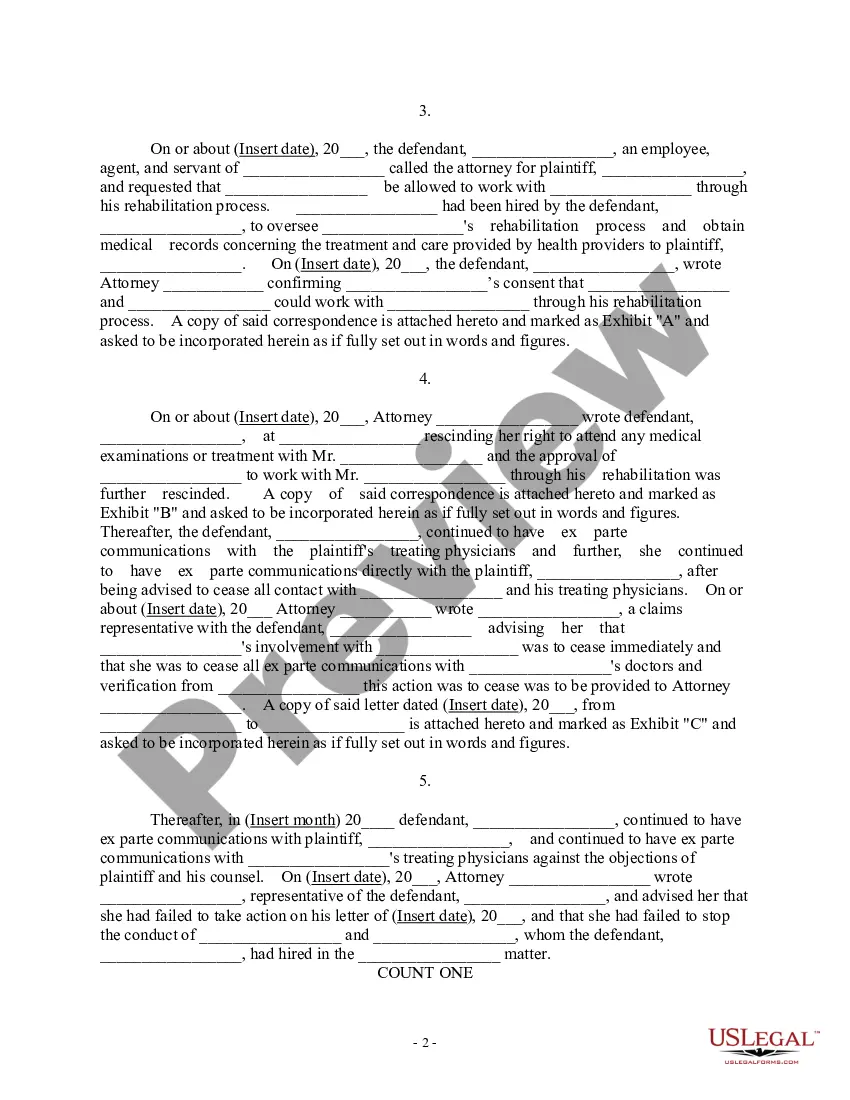
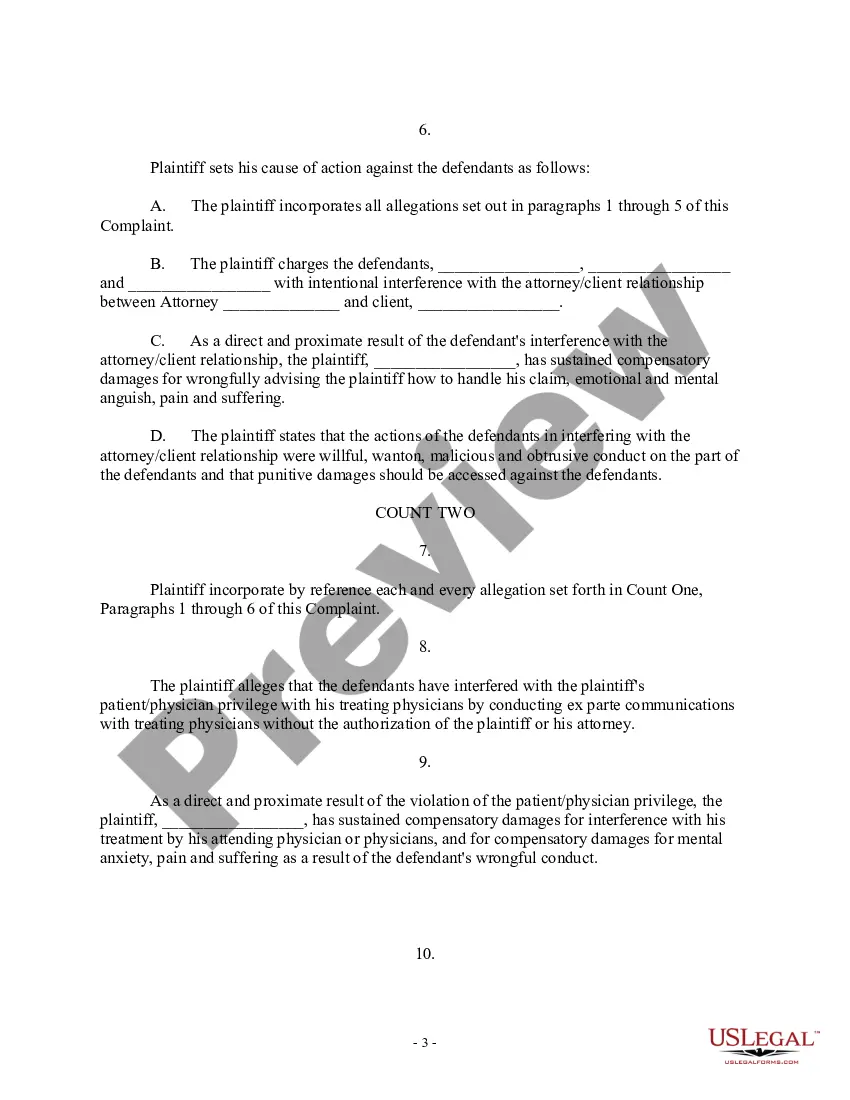
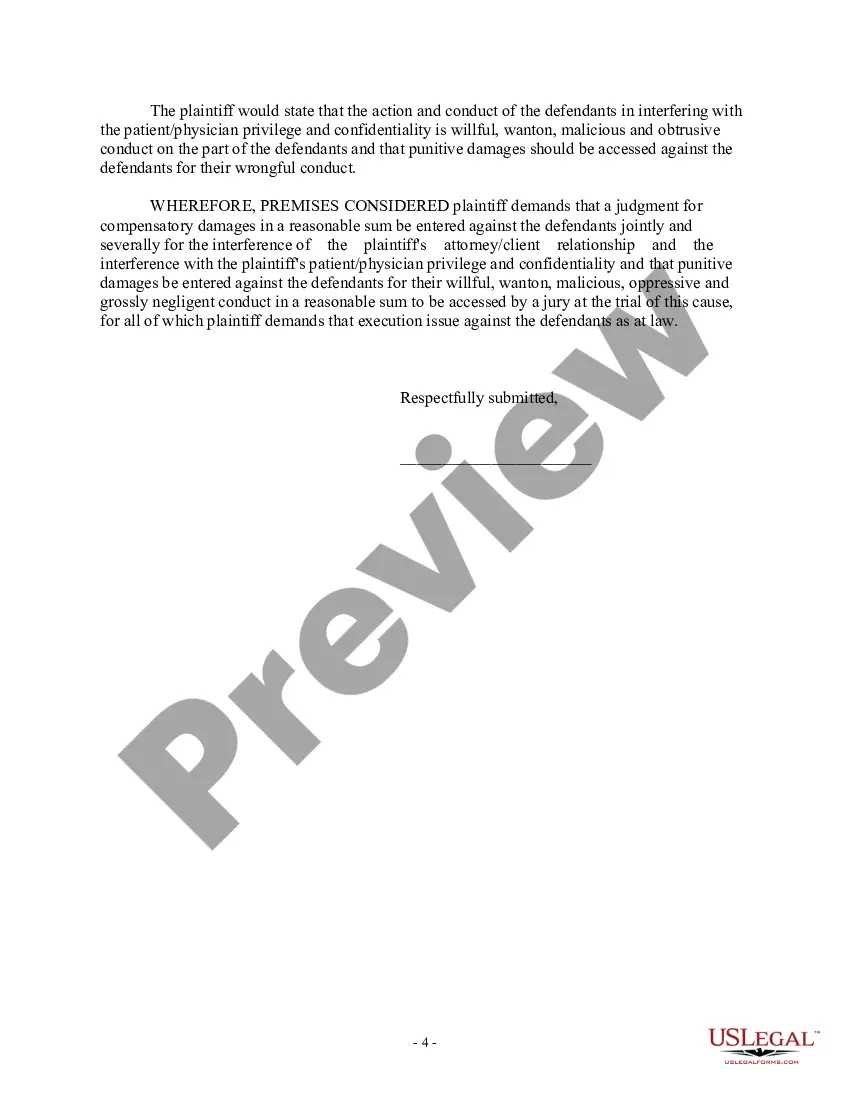
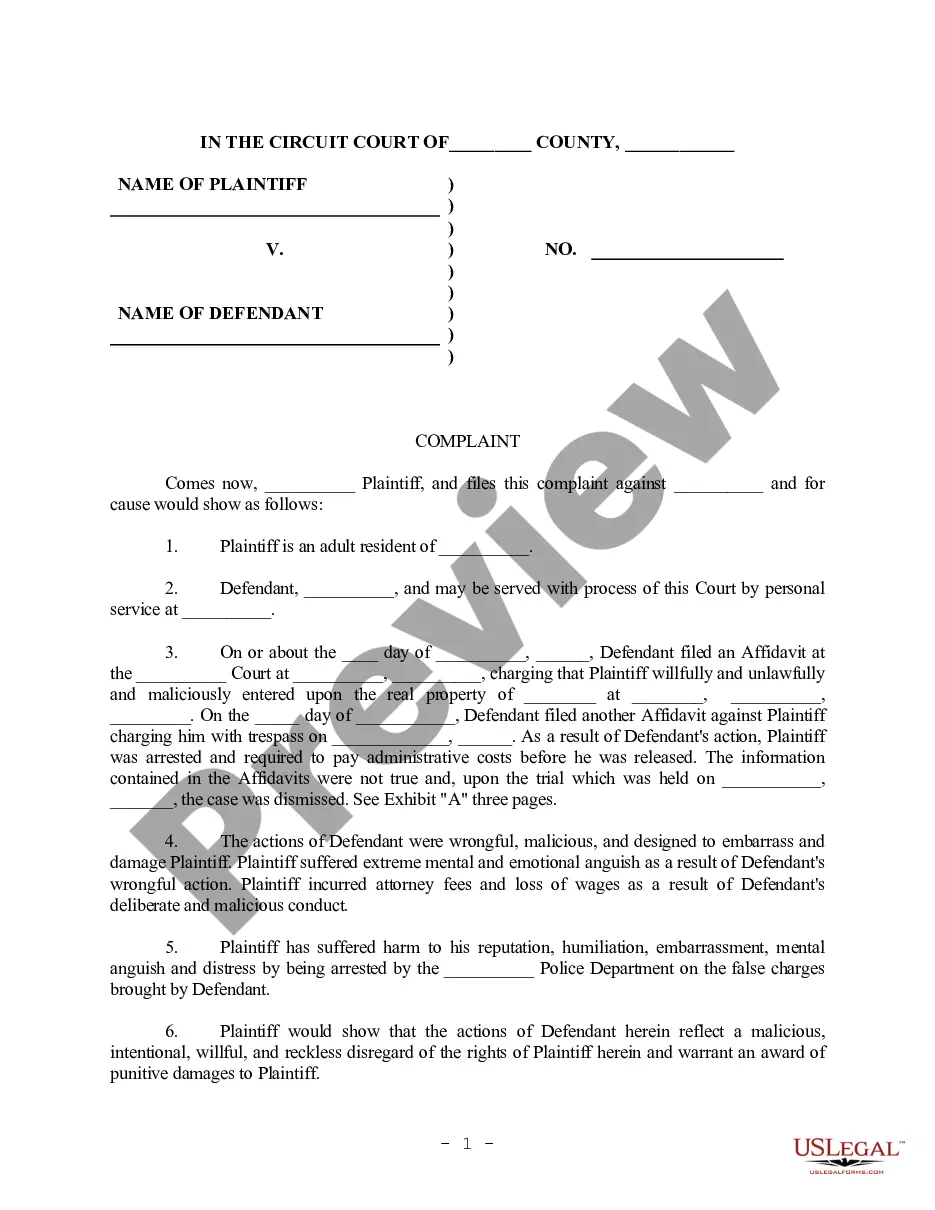
Formation Of Attorney Client Relationship California In Illinois
Description



Get your form ready online
Our built-in tools help you complete, sign, share, and store your documents in one place.
Make edits, fill in missing information, and update formatting in US Legal Forms—just like you would in MS Word.
Download a copy, print it, send it by email, or mail it via USPS—whatever works best for your next step.
Sign and collect signatures with our SignNow integration. Send to multiple recipients, set reminders, and more. Go Premium to unlock E-Sign.
If this form requires notarization, complete it online through a secure video call—no need to meet a notary in person or wait for an appointment.
We protect your documents and personal data by following strict security and privacy standards.

Make edits, fill in missing information, and update formatting in US Legal Forms—just like you would in MS Word.

Download a copy, print it, send it by email, or mail it via USPS—whatever works best for your next step.

Sign and collect signatures with our SignNow integration. Send to multiple recipients, set reminders, and more. Go Premium to unlock E-Sign.

If this form requires notarization, complete it online through a secure video call—no need to meet a notary in person or wait for an appointment.

We protect your documents and personal data by following strict security and privacy standards.
Looking for another form?






Form popularity
FAQ
(a) A lawyer shall not intentionally, repeatedly, recklessly or with gross negligence fail to actwith reasonable diligence and promptness in representing a client.
A California-licensed attorney may be granted temporary permission to practice law in another state for a specific case through pro hac vice admission. Be careful, however, pro hac vice practice has its limitations.
Illinois common law attorney-client privilege protects “communications which the claimant either expressly made confidential or which he could reasonably believe under the circumstances would be understood by the attorney as such” Garvy v. Seyfarth Shaw LLP, 2012 IL App (1st) 110115, ¶ 30.
These legal documents allow another person (called an agent) to take actions for you and in your place. California law does recognize that people sometimes sign a power of attorney elsewhere, and if that document meets California legal requirements or the requirements of the other location it could be used here.
The primary difference between an attorney and a lawyer is that an attorney is licensed to practice law and represent clients in court, while a lawyer has completed law school but may not be licensed to practice law. All attorneys are lawyers, but not all lawyers are attorneys.
1 ABA Model (and Illinois) Rule 4.2 Communication with Person Represented by Counsel provides “in representing a client, a lawyer shall not communicate about the subject of the representation with a person the lawyer knows to be represented by another lawyer in the matter, unless the lawyer has the consent of the ...
An attorney-client relationship can be created by express or implied agreement. Except when created by court appointment, the attorney-client relationship may be found to exist based on the intent and conduct of the parties and the reasonable expectations of the potential client.
California Reciprocity California doesn't offer reciprocity but offers a shorter bar exam for attorneys who are admitted in other states and who have been in good standing as an attorney in those states for at least four years prior to their application.
Under Rule 1.13(a), “a lawyer employed or retained by an organization represents the organization acting through its duly authorized constituents.” As the comment to the rule points out, “an organizational client is a legal entity, but it cannot act except through its officers, directors, employees, shareholders and ...
(a) A lawyer employed or retained by an organization shall conform his or her representation to the concept that the client is the organization itself, acting through its duly authorized directors, officers, employees, members, shareholders, or other constituents overseeing the particular engagement.