Attorney Client Privilege Former Employees In Hennepin
Description

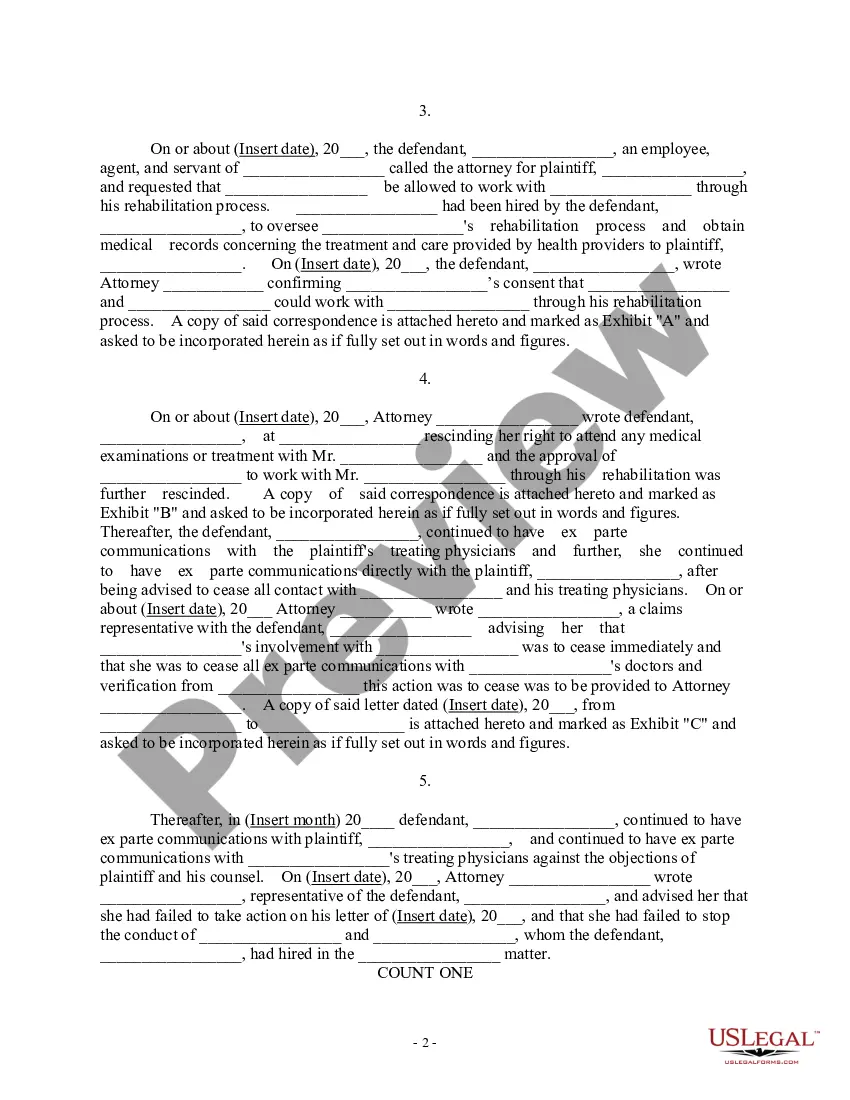
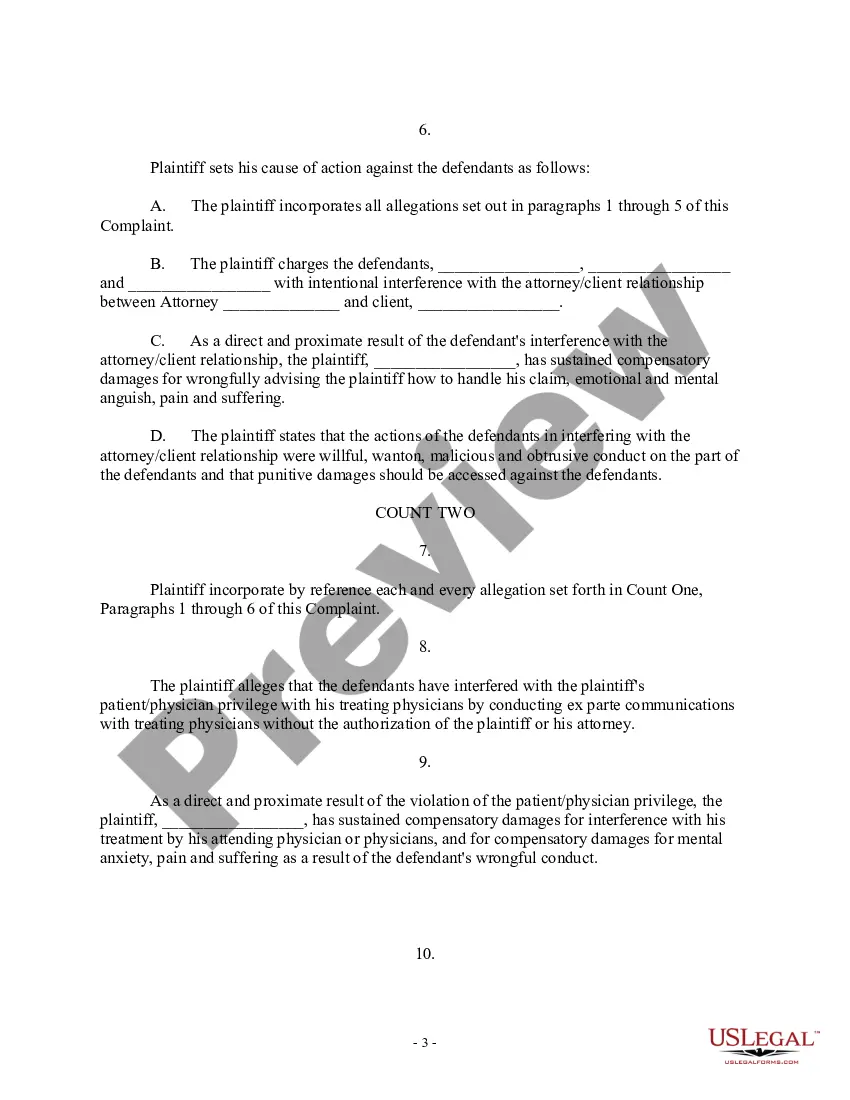
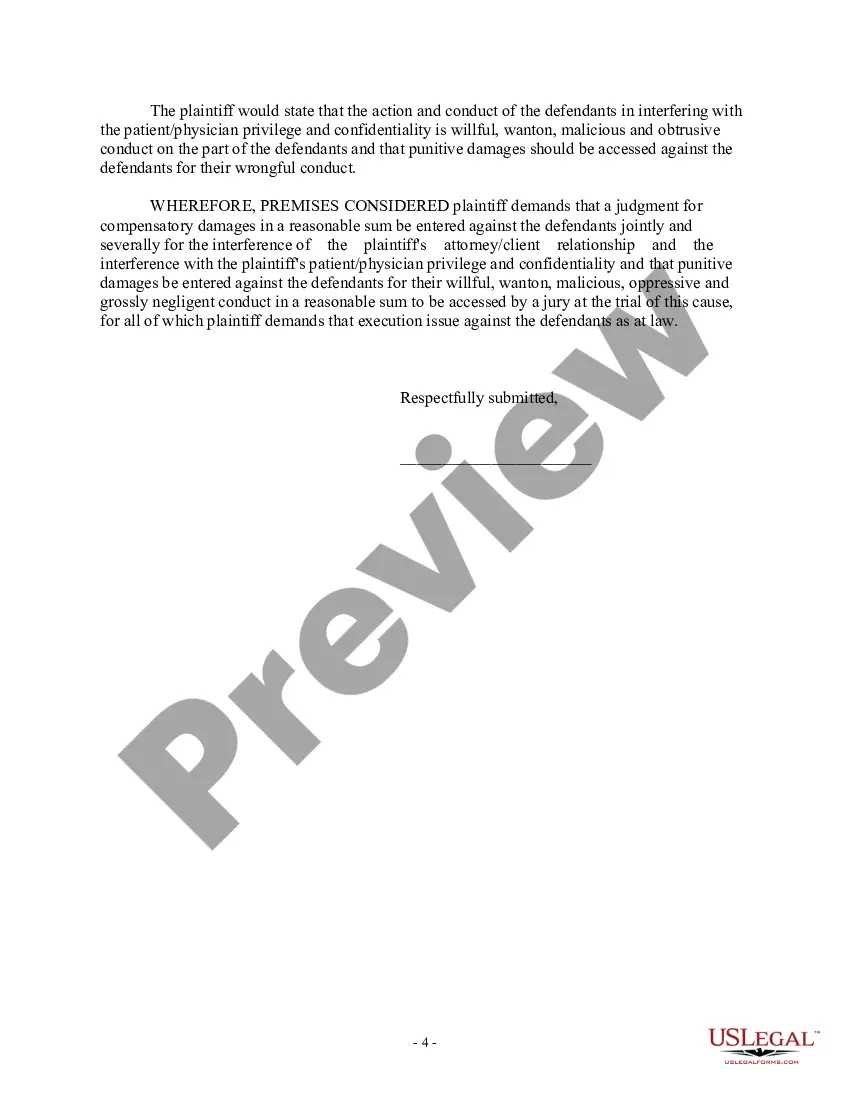


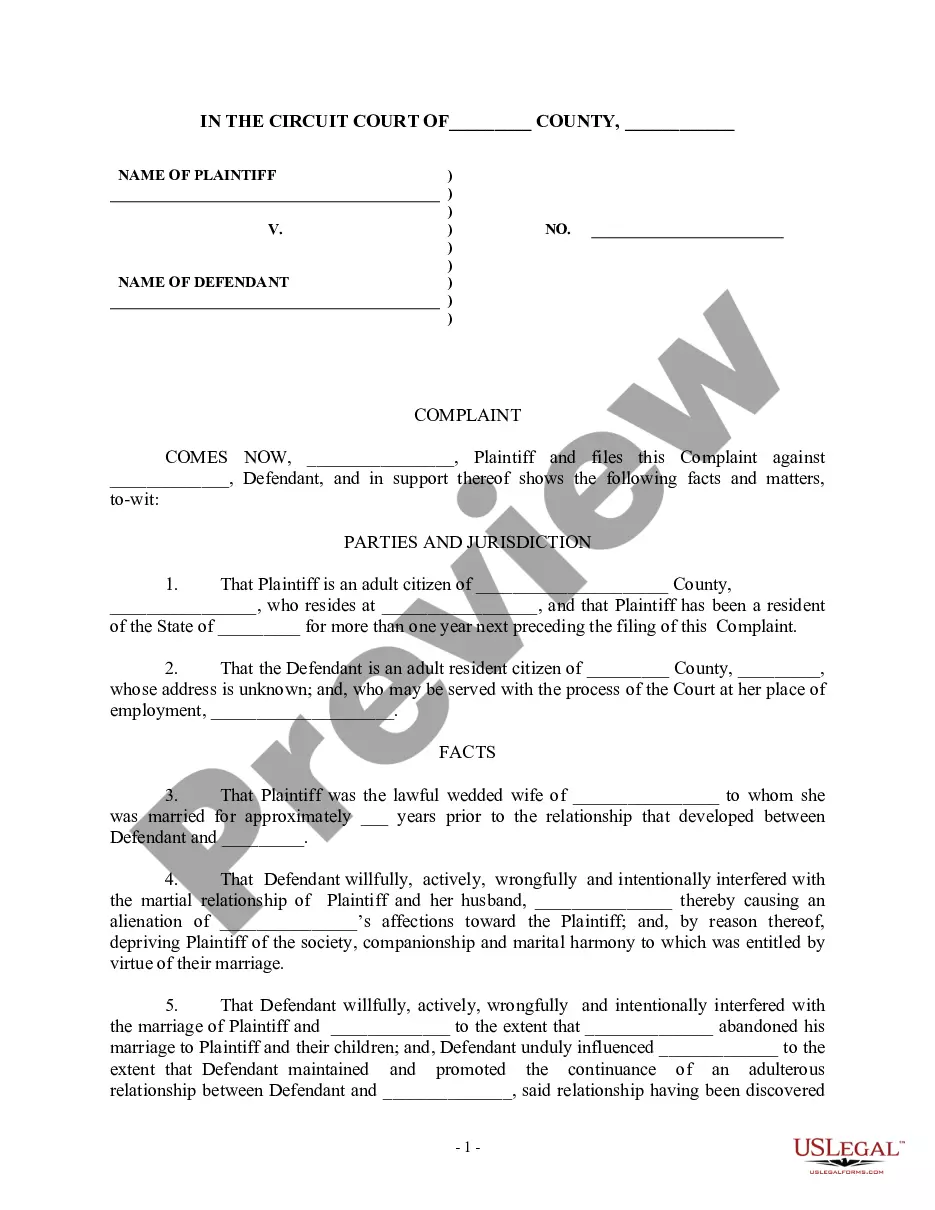

Get your form ready online
Our built-in tools help you complete, sign, share, and store your documents in one place.
Make edits, fill in missing information, and update formatting in US Legal Forms—just like you would in MS Word.
Download a copy, print it, send it by email, or mail it via USPS—whatever works best for your next step.
Sign and collect signatures with our SignNow integration. Send to multiple recipients, set reminders, and more. Go Premium to unlock E-Sign.
If this form requires notarization, complete it online through a secure video call—no need to meet a notary in person or wait for an appointment.
We protect your documents and personal data by following strict security and privacy standards.

Make edits, fill in missing information, and update formatting in US Legal Forms—just like you would in MS Word.

Download a copy, print it, send it by email, or mail it via USPS—whatever works best for your next step.

Sign and collect signatures with our SignNow integration. Send to multiple recipients, set reminders, and more. Go Premium to unlock E-Sign.

If this form requires notarization, complete it online through a secure video call—no need to meet a notary in person or wait for an appointment.

We protect your documents and personal data by following strict security and privacy standards.
Looking for another form?








Form popularity
FAQ
Crime or Fraud Exception. If a client seeks advice from an attorney to assist with the furtherance of a crime or fraud or the post-commission concealment of the crime or fraud, then the communication is not privileged.
There are two major exceptions to the lawyer-client privilege under the California Evidence Code, as discussed below. 2.1. Crime or fraud. 2.2. Preventing death or substantial physical harm.
That means that if a lawyer does break privilege and reveals something, it cannot be used against you. Lawyer's also have a professional duty of confidentiality. This means that, even if something doesn't fall under 'attorney-client privilege,' your lawyer cannot discuss it outside their legal team.
Under the common interest doctrine, an attorney can disclose confidential information to an attorney representing a separate client without waiving the attorney-client privilege or attorney work product protection “if (1) the disclosure relates to a common interest of the attorneys' respective clients; (2) the ...
If someone listens to your lawyer's confidential communications without your consent (e.g., overhearing, illegal wiretapping), the eavesdropper is legally forbidden from divulging that personal information. That testimony will be inadmissible in court if they do so, but the eavesdropper may even face criminal charges.
Unethical attorneys may breach attorney-client privilege for their own gain. If they have the chance to profit from your information or your case presents a conflict of interest for them, unbeknownst to you, they may intentionally divulge privileged information to benefit or protect themselves.
It is a common practice for outside litigation counsel to represent current, and even former, employees of corporate clients during depositions. This practice, however, is governed by ethical rules (and opinions and case law) that must be considered in advance.
Indeed, the most common way to lose the privilege is to include a third party in a meeting, call, or email where legal advice is being requested or provided – or to share privileged discussions or documents with a third party after the fact.
The protections of the attorney-client privilege survive indefinitely. This means that the protections remain in place even when the attorney-client relationship ends, no matter if the relationship ends due to voluntary termination or due to the death of one of the parties.
The attorney-client privilege does not apply to every communication with an attorney. For the privilege to exist, the communication must be to, from, or with an attorney, and intended to be confidential. In addition, the communication must be for the purpose of requesting or receiving legal advice.