Attorney Relationship With Client In Franklin
Description

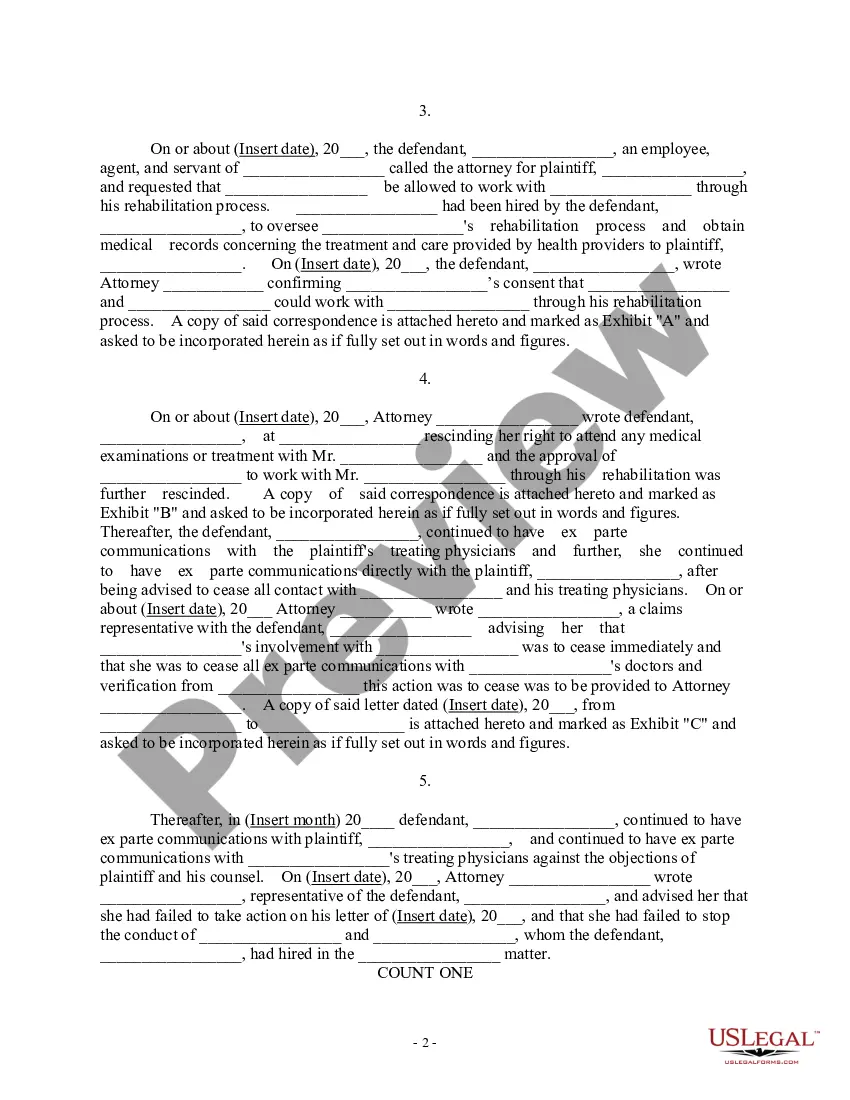
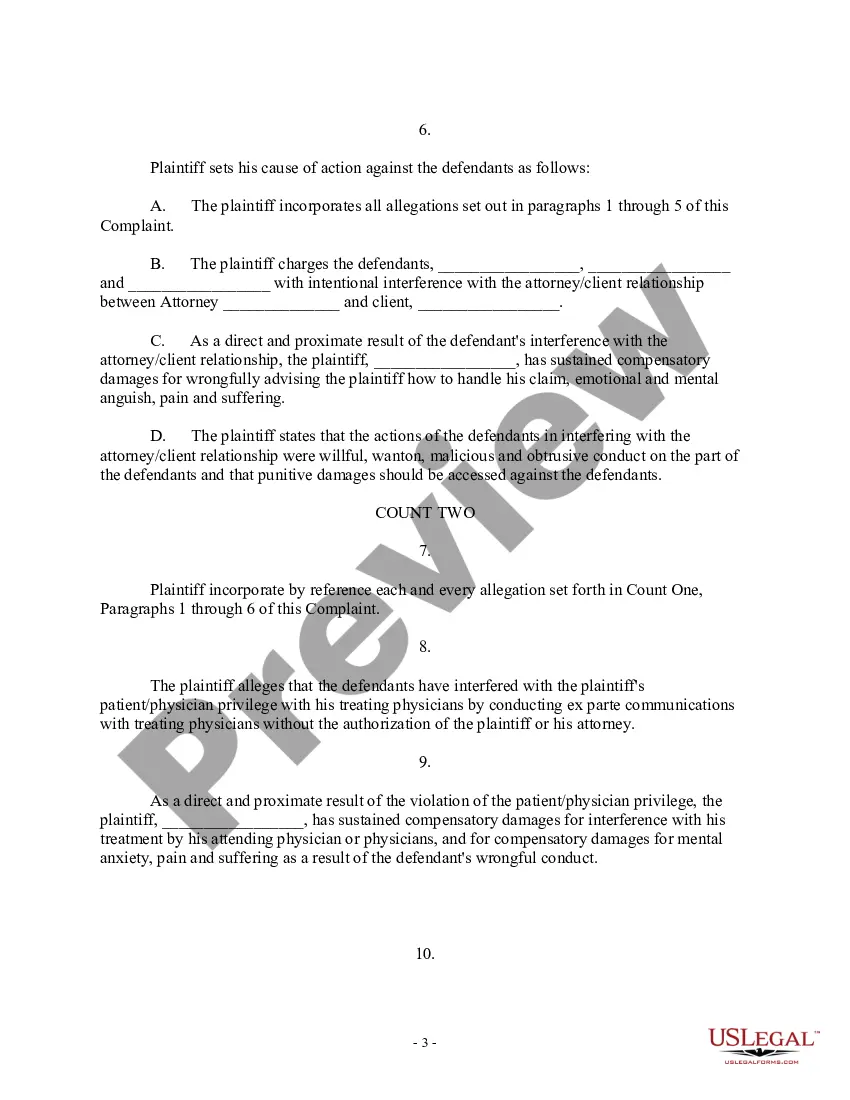
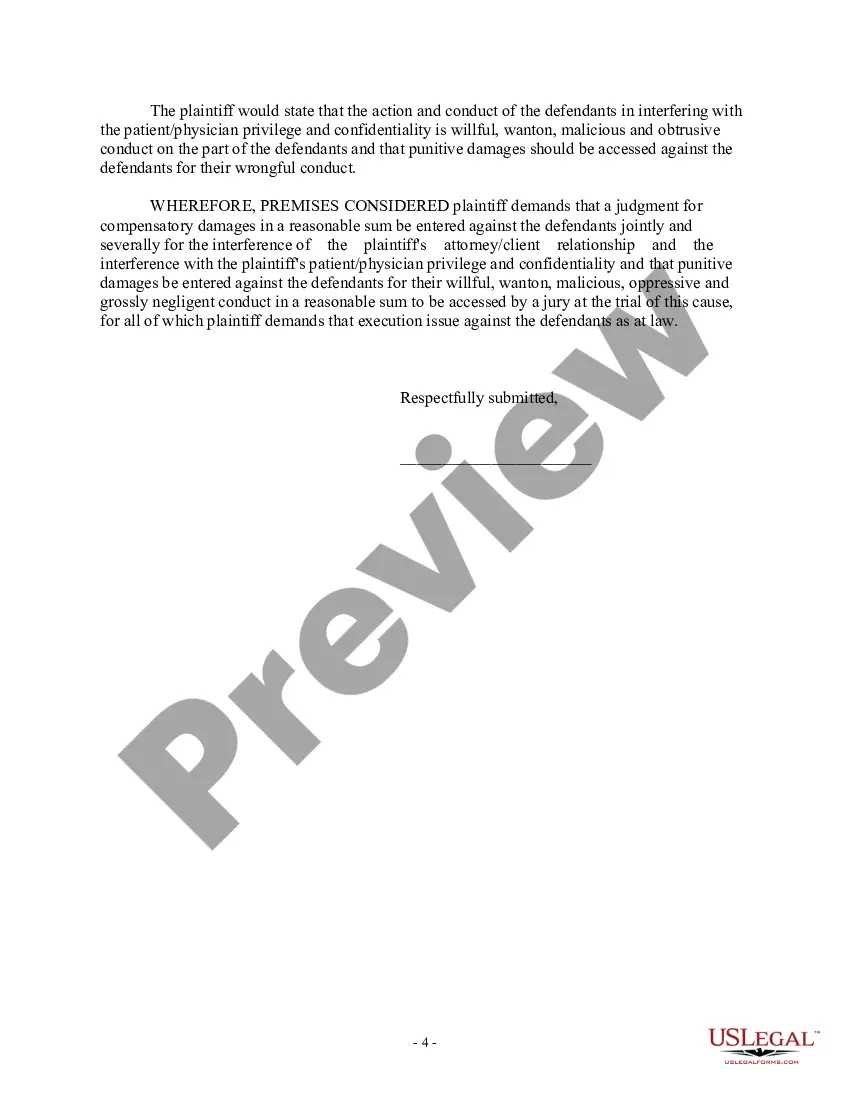

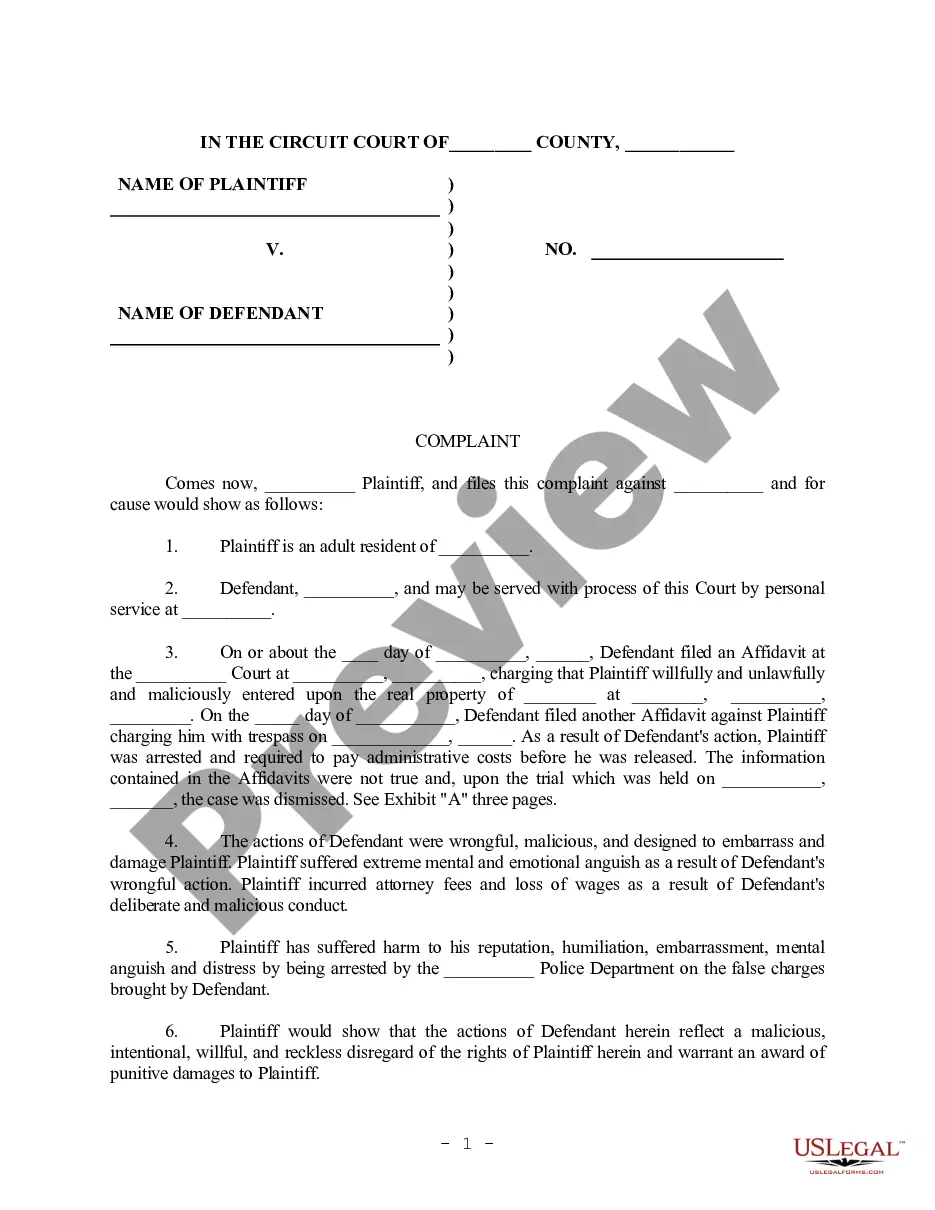
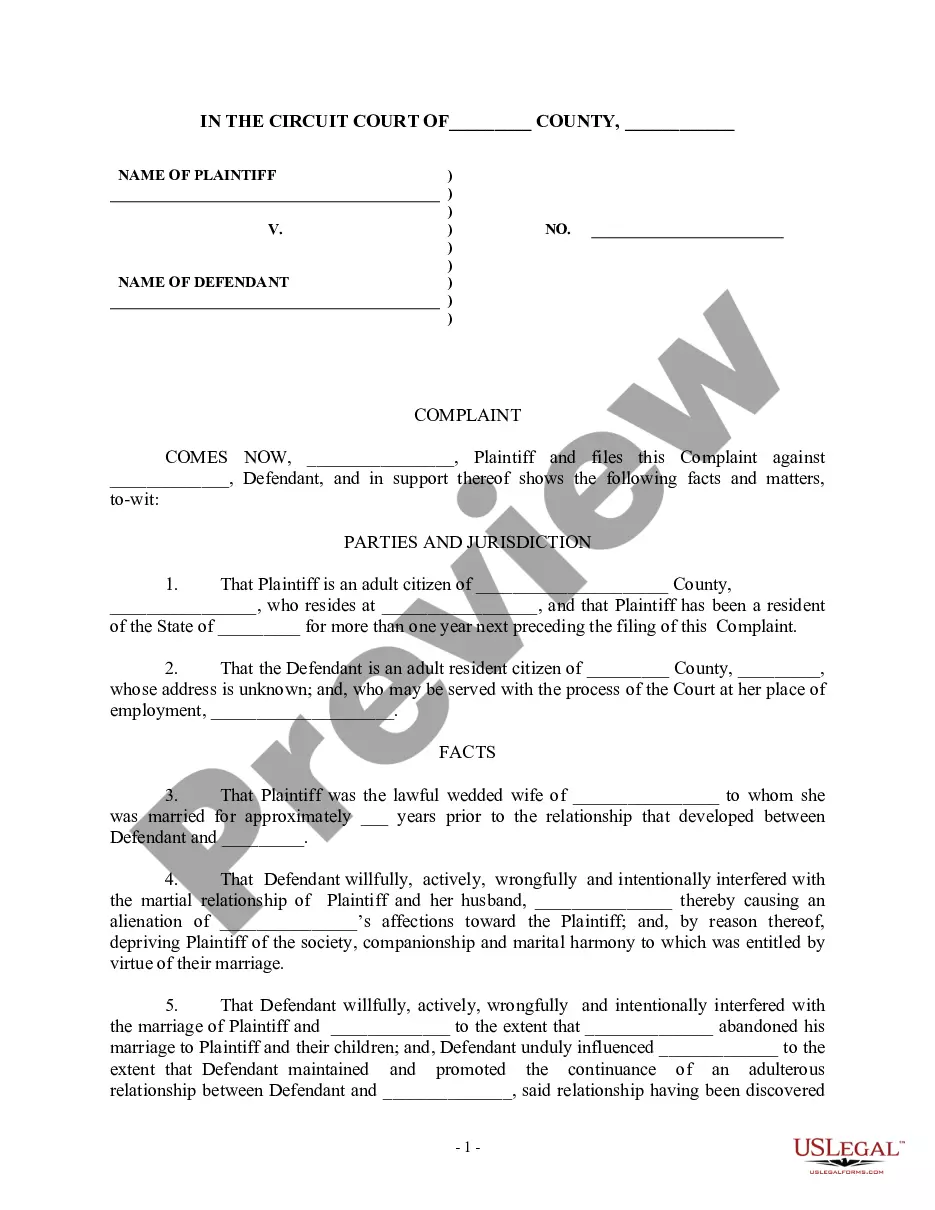

Get your form ready online
Our built-in tools help you complete, sign, share, and store your documents in one place.
Make edits, fill in missing information, and update formatting in US Legal Forms—just like you would in MS Word.
Download a copy, print it, send it by email, or mail it via USPS—whatever works best for your next step.
Sign and collect signatures with our SignNow integration. Send to multiple recipients, set reminders, and more. Go Premium to unlock E-Sign.
If this form requires notarization, complete it online through a secure video call—no need to meet a notary in person or wait for an appointment.
We protect your documents and personal data by following strict security and privacy standards.

Make edits, fill in missing information, and update formatting in US Legal Forms—just like you would in MS Word.

Download a copy, print it, send it by email, or mail it via USPS—whatever works best for your next step.

Sign and collect signatures with our SignNow integration. Send to multiple recipients, set reminders, and more. Go Premium to unlock E-Sign.

If this form requires notarization, complete it online through a secure video call—no need to meet a notary in person or wait for an appointment.

We protect your documents and personal data by following strict security and privacy standards.
Looking for another form?








Form popularity
FAQ
An attorney-client relationship may be implied when: (1) a person seeks legal advice from an attorney; (2) the advice sought is within the attorney's professional competence: (3) and the attorney actually gives the advice.
If an attorney-client relationship exists, an attorney owes a duty of confidentiality to the clients. Except in those situations where a court appoints an attorney, the attorney-client relationship is created by contract, either express or implied.
While the duty of confidentiality allows disclosure in certain situations, such as when disclosure is necessary to abide by a court order, the privilege, if it applies to a communication, prevents court compulsion. Each doctrine has it exceptions and nuances different from those of the other doctrine.
Even if the matter is not pending before a tribunal, the ethics rules of most states provide that a lawyer cannot withdraw until he or she has taken reasonable steps to avoid foreseeable prejudice to the rights of his client, such as giving notice to the client, allowing time for employment of other counsel, delivering ...
"When an attorney-client relationship is established, the relationship generally terminates once the purpose of the employment is completed, absent a contrary agreement."' Typically, a trial lawyer's "power to represent a party ceases upon the entry of final judgment and issuance of execution thereupon,"' and "the ...
The first answer is that an attorney-client relationship ends upon the happening of one of three events: the first is the attorney moves to withdraw and the judge grants withdrawal, the second is the client consents the attorney off the case, and the last is that the case has ended.
1. Terminating Your Current Attorney: You can terminate your attorney-client relationship at any time. However, it is crucial to do so in writing. A formal letter stating your intention to end the relationship should be sent to your attorney. This letter serves as a record of your decision and its date. 2.
The lawyer should send a disengagement letter to establish that the relationship is no longer continuing, and to refer the client to another lawyer. In the disengagement letter, the lawyer should warn the client of applicable time limitations, deadlines, and uncompleted investigation or casework.
Canon 1 – A paralegal must not: (a) engage in, encourage, or contribute to any act which could constitute the unauthorized practice of law; (b) establish attorney-client relationships, set fees, give legal opinions or advice, or represent a client before a court or agency unless so authorized by that court or agency; ...
The establishment of the attorney-client relationship involves two elements: a person seeks advice or assistance from an attorney; and the attorney appears to give, agrees to give or gives the advice or assistance.