Lawyer With Client In Fairfax
Description



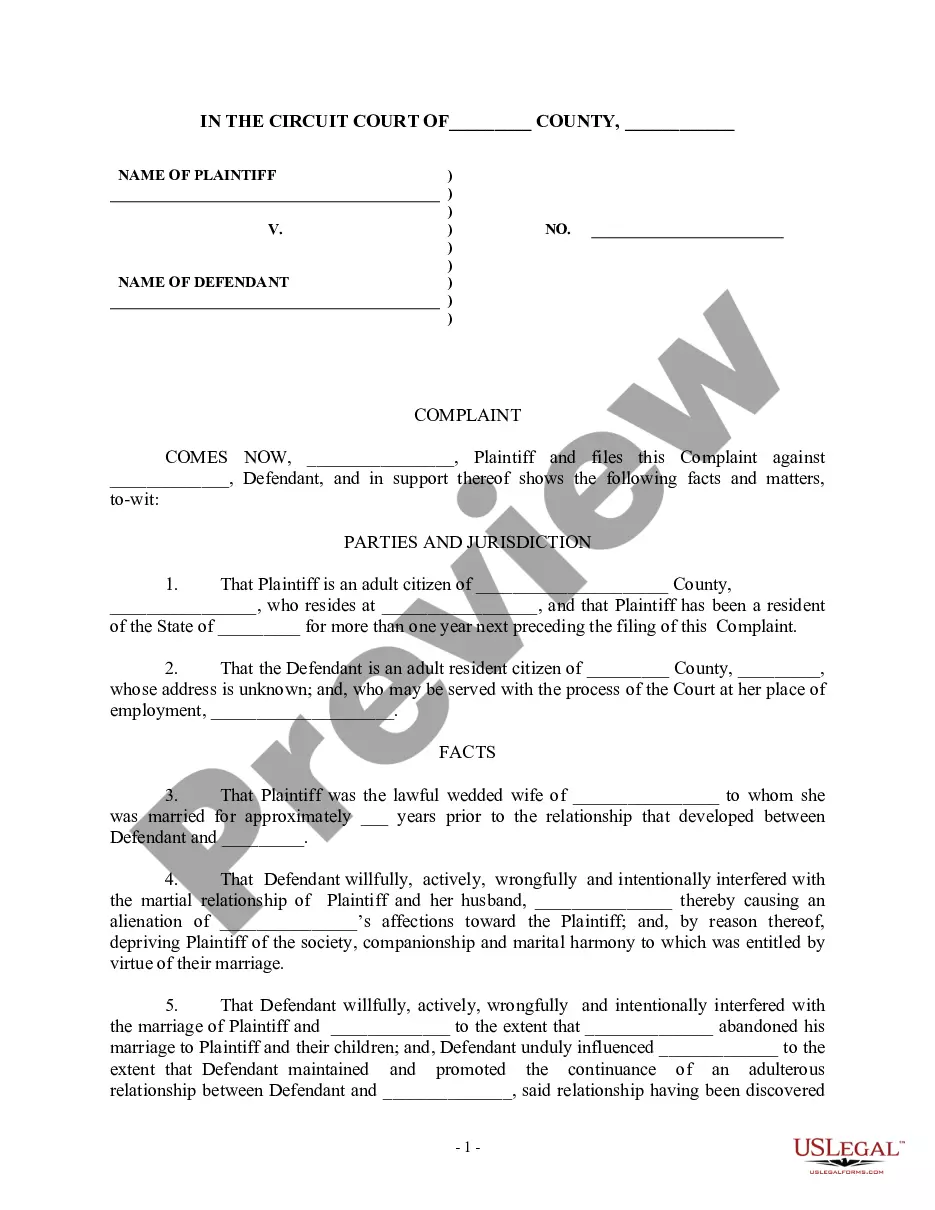

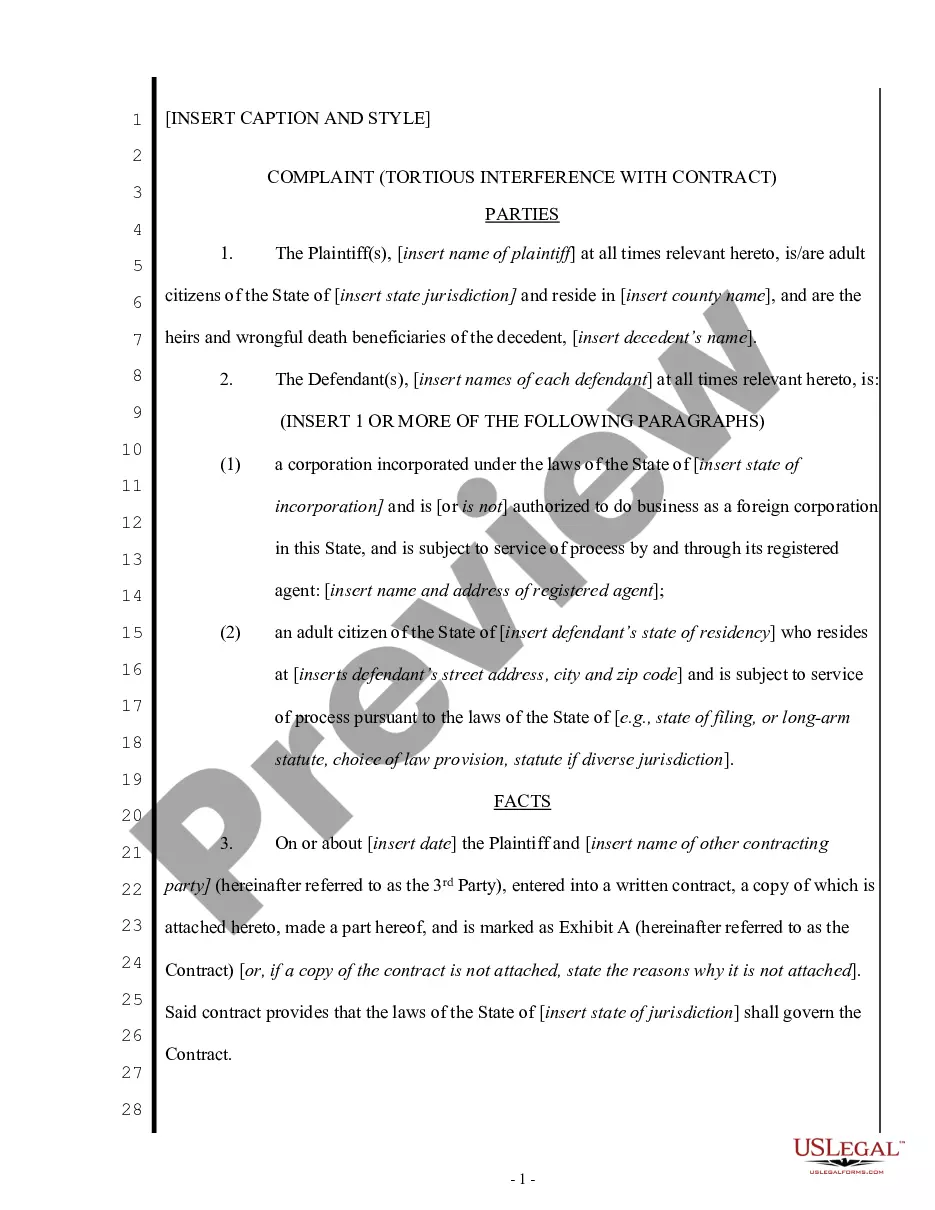
Get your form ready online
Our built-in tools help you complete, sign, share, and store your documents in one place.
Make edits, fill in missing information, and update formatting in US Legal Forms—just like you would in MS Word.
Download a copy, print it, send it by email, or mail it via USPS—whatever works best for your next step.
Sign and collect signatures with our SignNow integration. Send to multiple recipients, set reminders, and more. Go Premium to unlock E-Sign.
If this form requires notarization, complete it online through a secure video call—no need to meet a notary in person or wait for an appointment.
We protect your documents and personal data by following strict security and privacy standards.

Make edits, fill in missing information, and update formatting in US Legal Forms—just like you would in MS Word.

Download a copy, print it, send it by email, or mail it via USPS—whatever works best for your next step.

Sign and collect signatures with our SignNow integration. Send to multiple recipients, set reminders, and more. Go Premium to unlock E-Sign.

If this form requires notarization, complete it online through a secure video call—no need to meet a notary in person or wait for an appointment.

We protect your documents and personal data by following strict security and privacy standards.
Looking for another form?
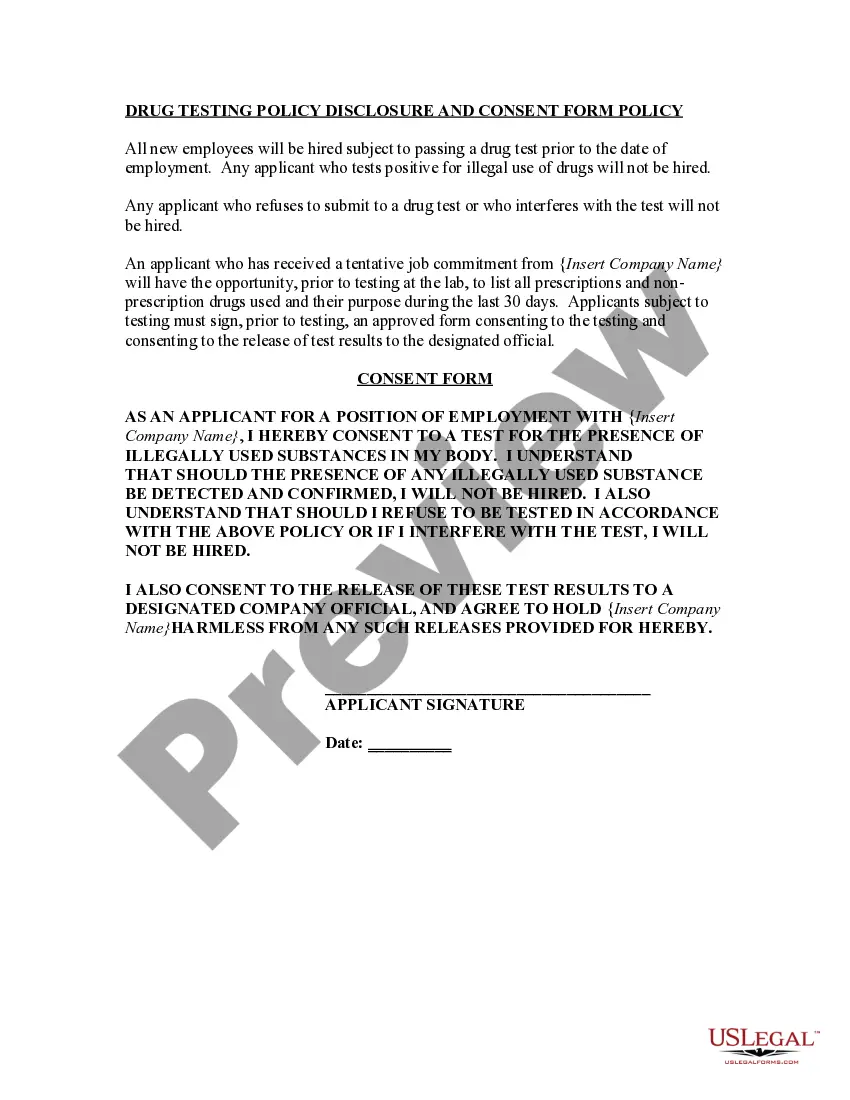




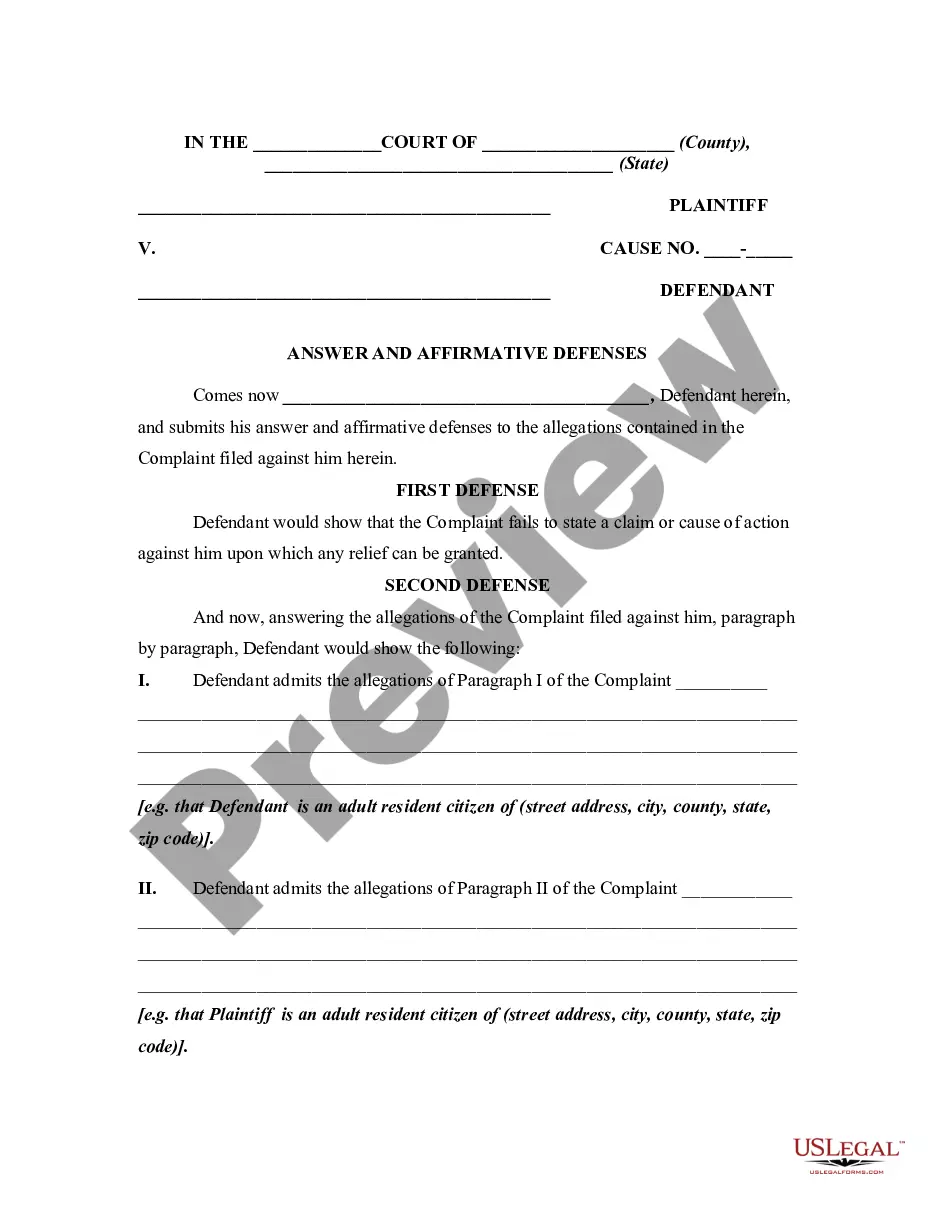



Form popularity
FAQ
Of course, the first profession I looked at was lawyers. Unsurprisingly, it turns out that most lawyers marry other lawyers. But male lawyers also marry schoolteachers, secretaries, and miscellaneous managers. And lawyers marry people in other computer occupations.
If you need a lawyer referral, please call the Virginia Lawyer Referral Service at 1-800-552-7977 or 804-775-0808.
These principles include the lawyer's obligation zealously to protect and pursue a client's legitimate interests, within the bounds of the law, while maintaining a professional, courteous and civil attitude toward all persons involved in the legal system.
The law is clear that a lawyer cannot turn against their client, and any violation of this guideline can invite a stringent investigation from legal authorities. Accusations of treachery are taken seriously and may warrant criminal prosecution to ensure justice is served fairly.
LAWYERS HAVE A DUTY TO REFUSE CERTAIN CASES AND CLIENTS Various laws and ethics rules govern the cases (and clients) a lawyer can–and cannot–accept.
But in real life the client picks the lawyer, not the other way around. Otherwise you have no obligation to represent someone, unless you are assigned counsel appointed by the court. Usually when you don't want to represent someone it is because you believe they are going to become a problem client.
The quick answer is yes; an attorney can refuse to defend someone. Although attorneys have the right to decline to defend a client, they rarely do so based on whether or not the client is guilty of the crime. Because they will advocate on your behalf, the attorney you hire should be someone you get along well with.
Where do you prefer to MEET with clients? Despite living in a Web 3.0, post-geographic world, lawyers overwhelmingly prefer to meet clients at their own office. It's not even close. There are a variety of reasons for that – attorney-client privilege, storage, convenience.
A legal consultation is the initial meeting between a potential lawyer and client. These meetings allow the client to discuss their case with an attorney. Then, the attorney can give an overview of their recommended course of action.