Define Attorney-client Relationship In Law In Fairfax
Description

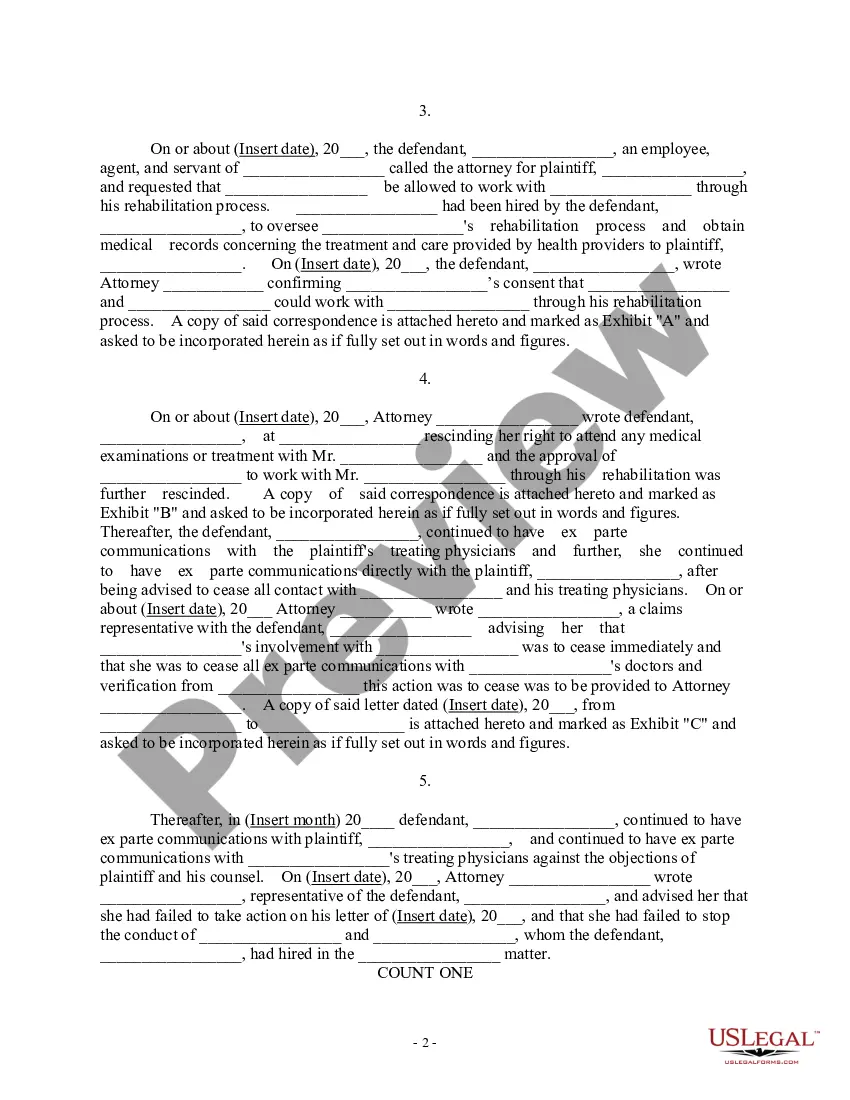
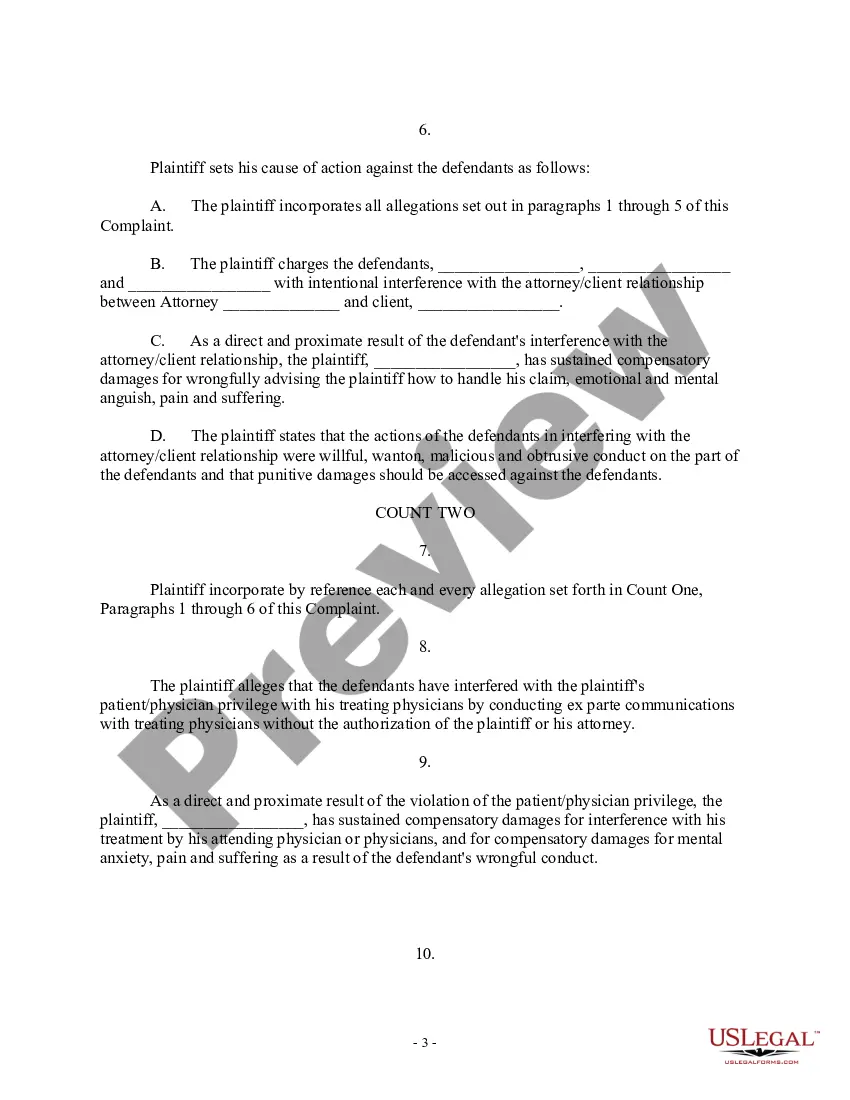
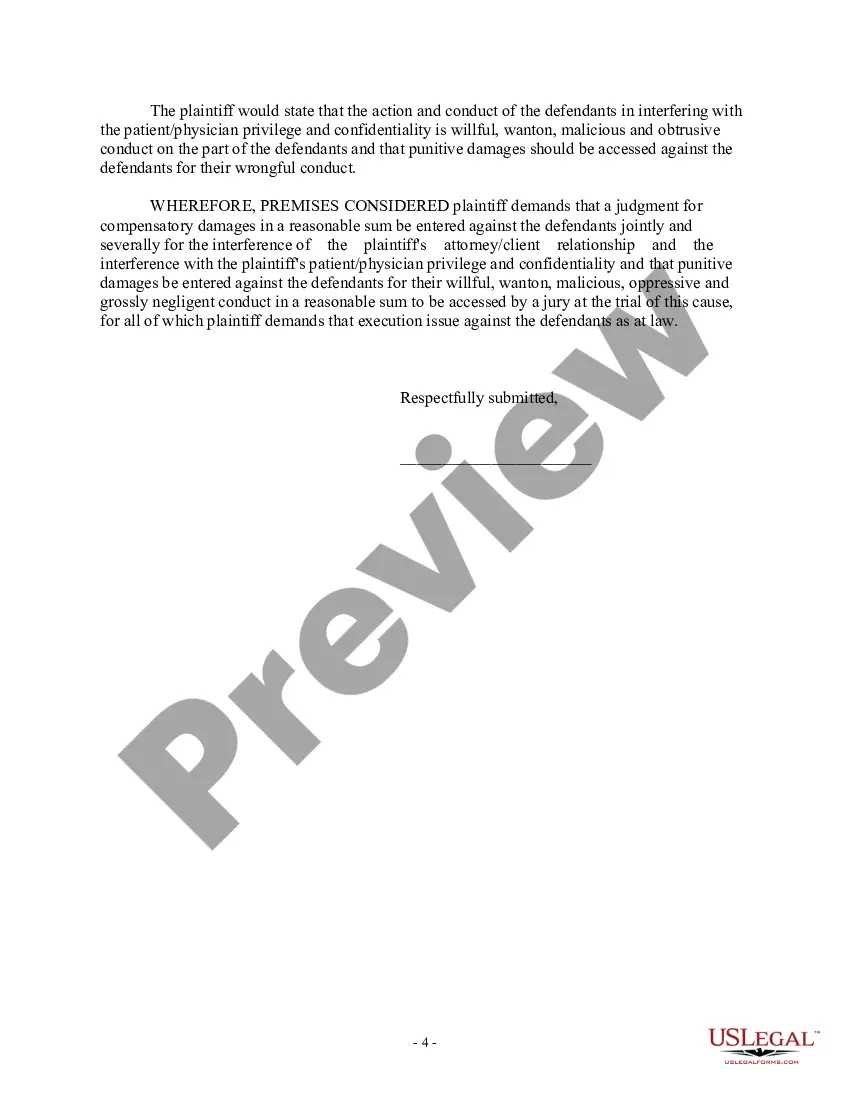




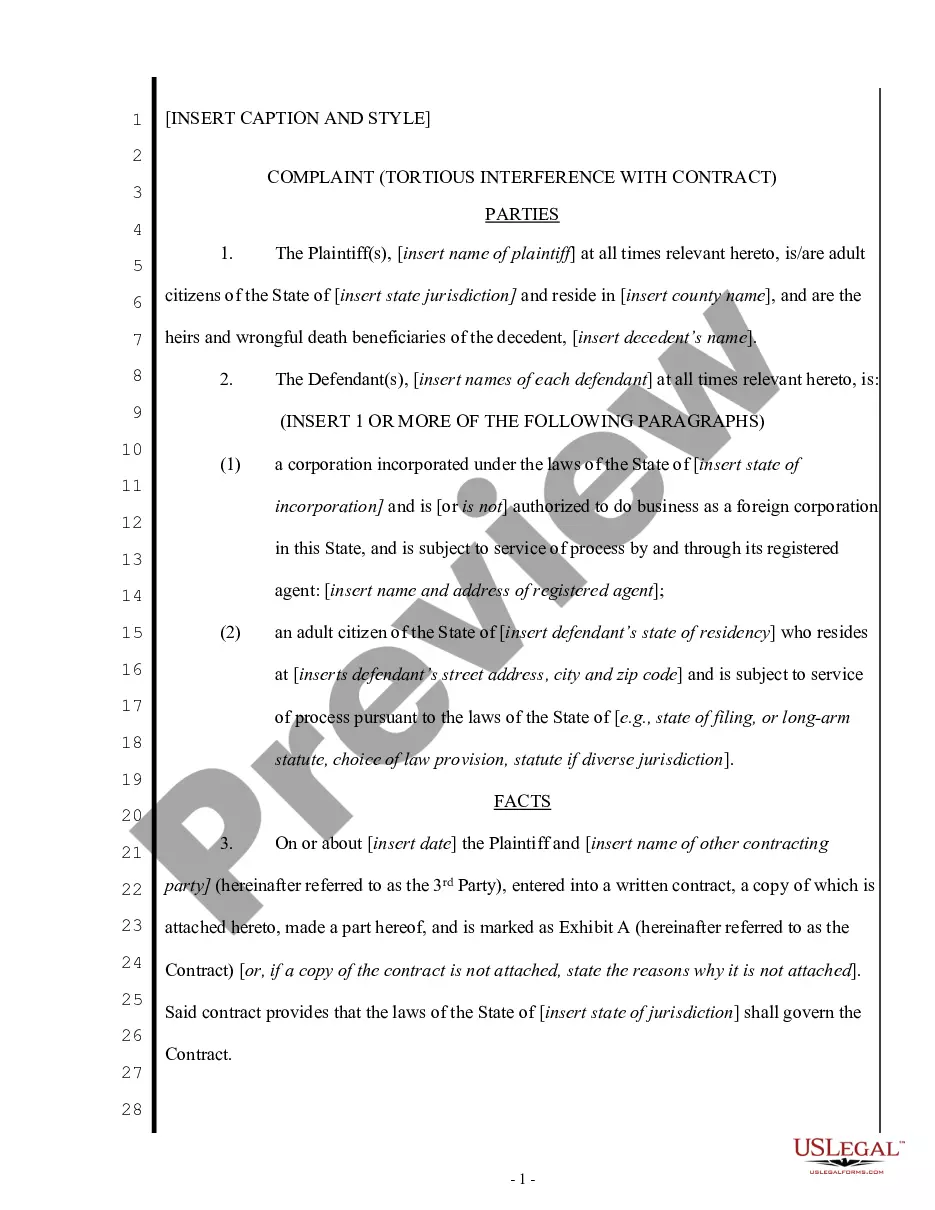
Get your form ready online
Our built-in tools help you complete, sign, share, and store your documents in one place.
Make edits, fill in missing information, and update formatting in US Legal Forms—just like you would in MS Word.
Download a copy, print it, send it by email, or mail it via USPS—whatever works best for your next step.
Sign and collect signatures with our SignNow integration. Send to multiple recipients, set reminders, and more. Go Premium to unlock E-Sign.
If this form requires notarization, complete it online through a secure video call—no need to meet a notary in person or wait for an appointment.
We protect your documents and personal data by following strict security and privacy standards.

Make edits, fill in missing information, and update formatting in US Legal Forms—just like you would in MS Word.

Download a copy, print it, send it by email, or mail it via USPS—whatever works best for your next step.

Sign and collect signatures with our SignNow integration. Send to multiple recipients, set reminders, and more. Go Premium to unlock E-Sign.

If this form requires notarization, complete it online through a secure video call—no need to meet a notary in person or wait for an appointment.

We protect your documents and personal data by following strict security and privacy standards.
Looking for another form?










Form popularity
FAQ
Attorney-client privilege protects confidential communications between a lawyer and their client that relate to the client's seeking of legal advice or services.
While it may include attorney and client, stockbroker and customer, real estate agent and buyer, a senior family member and an unsophisticated relative, the relationship is defined on a case-by-case basis, with reliance and dominance the key factors.
California Evidence Code 954 defines the attorney-client privilege. It gives your lawyer the legal right not to disclose the contents of your communication with them. Additionally, it gives you the right to require confidentiality from your lawyer and make any breaches inadmissible in court.
If an attorney-client relationship exists, an attorney owes a duty of confidentiality to the clients. Except in those situations where a court appoints an attorney, the attorney-client relationship is created by contract, either express or implied.
The establishment of the attorney-client relationship involves two elements: a person seeks advice or assistance from an attorney; and the attorney appears to give, agrees to give or gives the advice or assistance.
The establishment of the attorney-client relationship involves two elements: a person seeks advice or assistance from an attorney; and the attorney appears to give, agrees to give or gives the advice or assistance.
Preman, 911 S.W. 2d 288, 301 (Mo. App. 1995) ("The relation between attorney and client is fiduciary and binds the attorney to a scrupulous fidelity to the cause of the client which precludes the attorney from any personal advantage from the abuse of that reposed confidence. . . .
A lawyer shall not reveal information protected by the attorney-client privilege under applicable law or other information gained in the professional relationship that the client has requested be held inviolate or the disclosure of which would be embarrassing or would be likely to be detrimental to the client unless ...
An attorney-client relationship may be implied when: (1) a person seeks legal advice from an attorney; (2) the advice sought is within the attorney's professional competence: (3) and the attorney actually gives the advice.