Attorney Sleeping With Client In Fairfax
Description





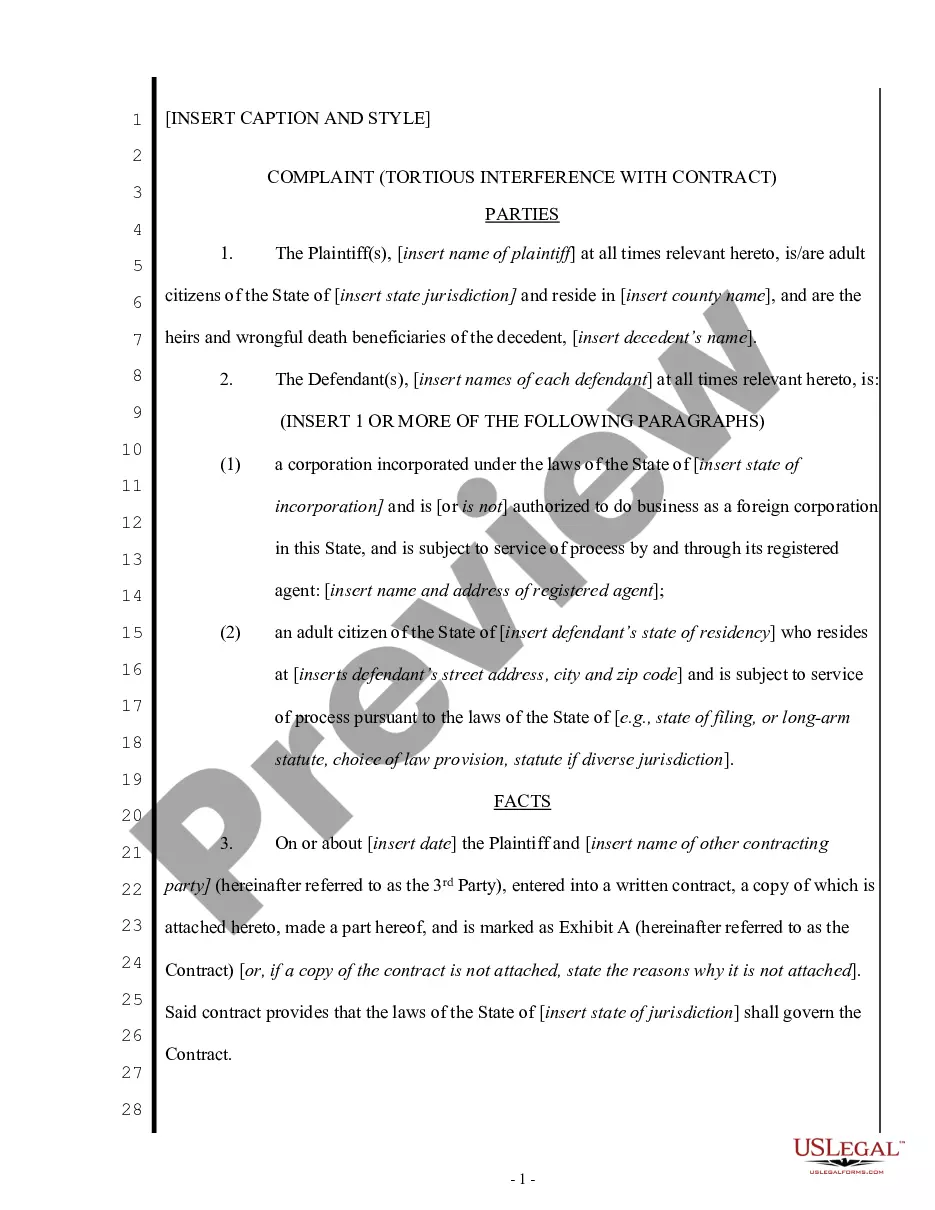
Get your form ready online
Our built-in tools help you complete, sign, share, and store your documents in one place.
Make edits, fill in missing information, and update formatting in US Legal Forms—just like you would in MS Word.
Download a copy, print it, send it by email, or mail it via USPS—whatever works best for your next step.
Sign and collect signatures with our SignNow integration. Send to multiple recipients, set reminders, and more. Go Premium to unlock E-Sign.
If this form requires notarization, complete it online through a secure video call—no need to meet a notary in person or wait for an appointment.
We protect your documents and personal data by following strict security and privacy standards.

Make edits, fill in missing information, and update formatting in US Legal Forms—just like you would in MS Word.

Download a copy, print it, send it by email, or mail it via USPS—whatever works best for your next step.

Sign and collect signatures with our SignNow integration. Send to multiple recipients, set reminders, and more. Go Premium to unlock E-Sign.

If this form requires notarization, complete it online through a secure video call—no need to meet a notary in person or wait for an appointment.

We protect your documents and personal data by following strict security and privacy standards.
Looking for another form?










Form popularity
FAQ
As a lawyer you have ethical responsibilities to your client. If you develop a sexual relationship after the establishment of the attorney client privilege then that is a conflict of interest and You will need to withdraw as their representative.
There are instances where lawyers are justified, or indeed required, to refuse or withdraw from representation. This may happen if a lawyer's representation would violate the law or their professional code of ethics, or if there is a fundamental disagreement with the client.
The law is clear that a lawyer cannot turn against their client, and any violation of this guideline can invite a stringent investigation from legal authorities. Accusations of treachery are taken seriously and may warrant criminal prosecution to ensure justice is served fairly.
It is helpful to remember that all attorneys are lawyers, but not all lawyers are attorneys. The major difference is that attorneys can represent clients in court and other legal proceedings, while lawyers cannot.
If the persuasion is ineffective, the lawyer must take reasonable remedial measures. Except in the defense of a criminal accused, the rule generally recognized is that, if necessary to rectify the situation, an advocate must disclose the existence of the client's deception to the court or to the other party.
The American Bar Association's Model Rules of Professional Responsibility prohibit such affairs between a lawyer and his clients. There's always an exception under the law, however. That's if the client was the lawyer's sexual partner before the client became a client.
It is not enough to say “well, we didn't have sexual intercourse” or “we didn't get to know one another in the Biblical sense.” Kissing a client, even if the attorney exercises self-restraint with respect to any further sexual activity, runs afoul of California Rule of Professional Conduct 1.8.
Nothing illegal or unethical about falling in love with a client unless it has some negative effect on how you represent the client. Then you may have a conflict of interest with yourself. Having sexual relations with a client is totally another issue.
If the persuasion is ineffective, the lawyer must take reasonable remedial measures. Except in the defense of a criminal accused, the rule generally recognized is that, if necessary to rectify the situation, an advocate must disclose the existence of the client's deception to the court or to the other party.
Of course, the first profession I looked at was lawyers. Unsurprisingly, it turns out that most lawyers marry other lawyers. But male lawyers also marry schoolteachers, secretaries, and miscellaneous managers. And lawyers marry people in other computer occupations.