Lawyer With Client In Collin
Description

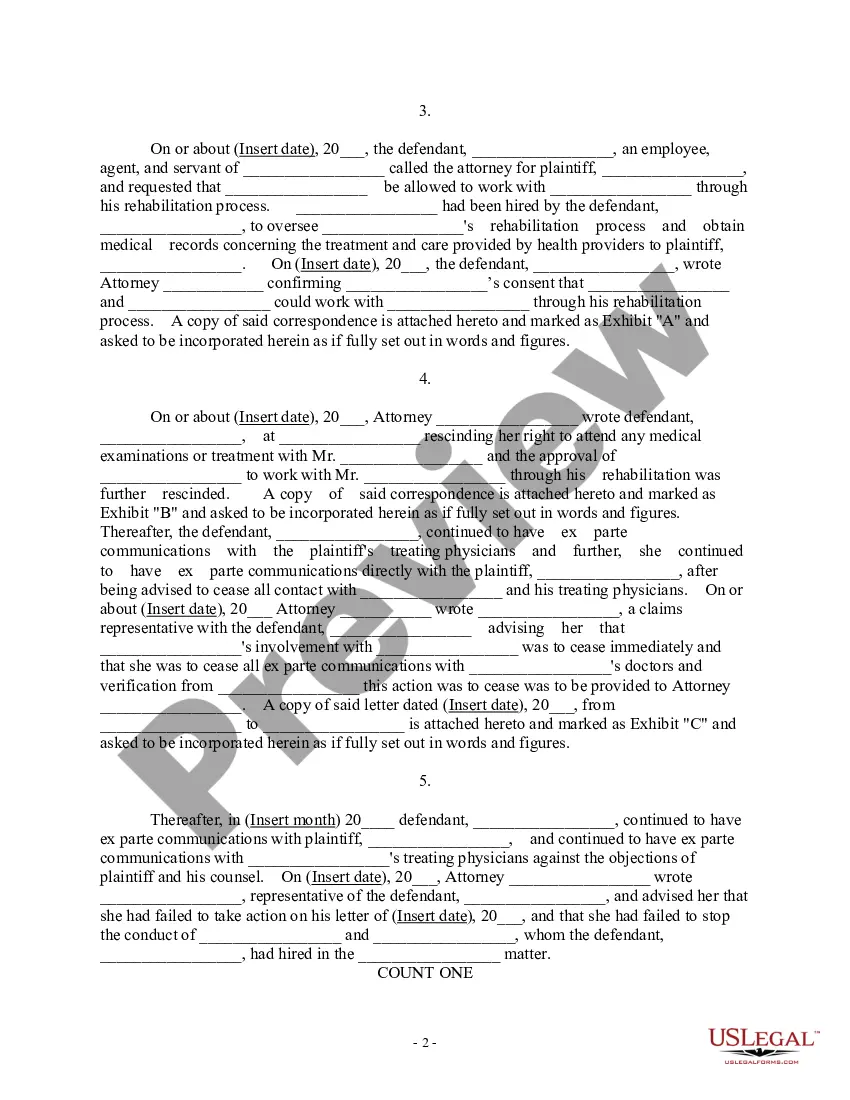
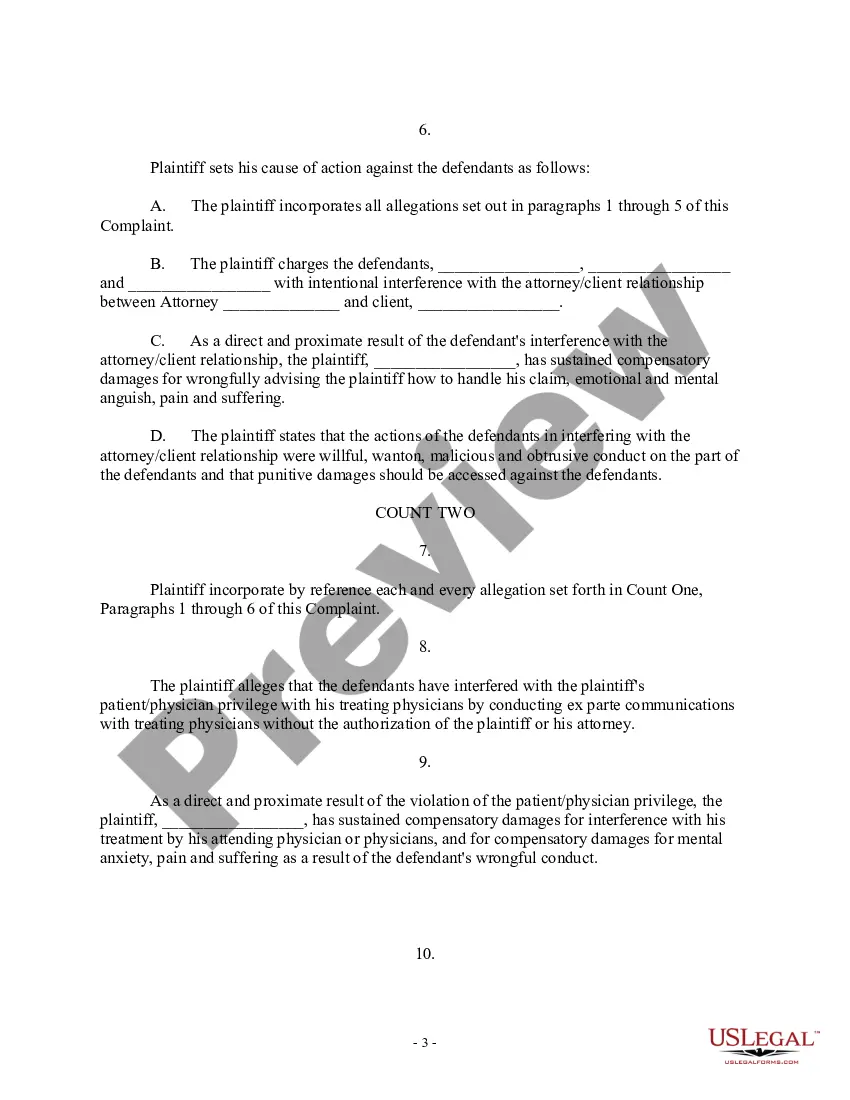
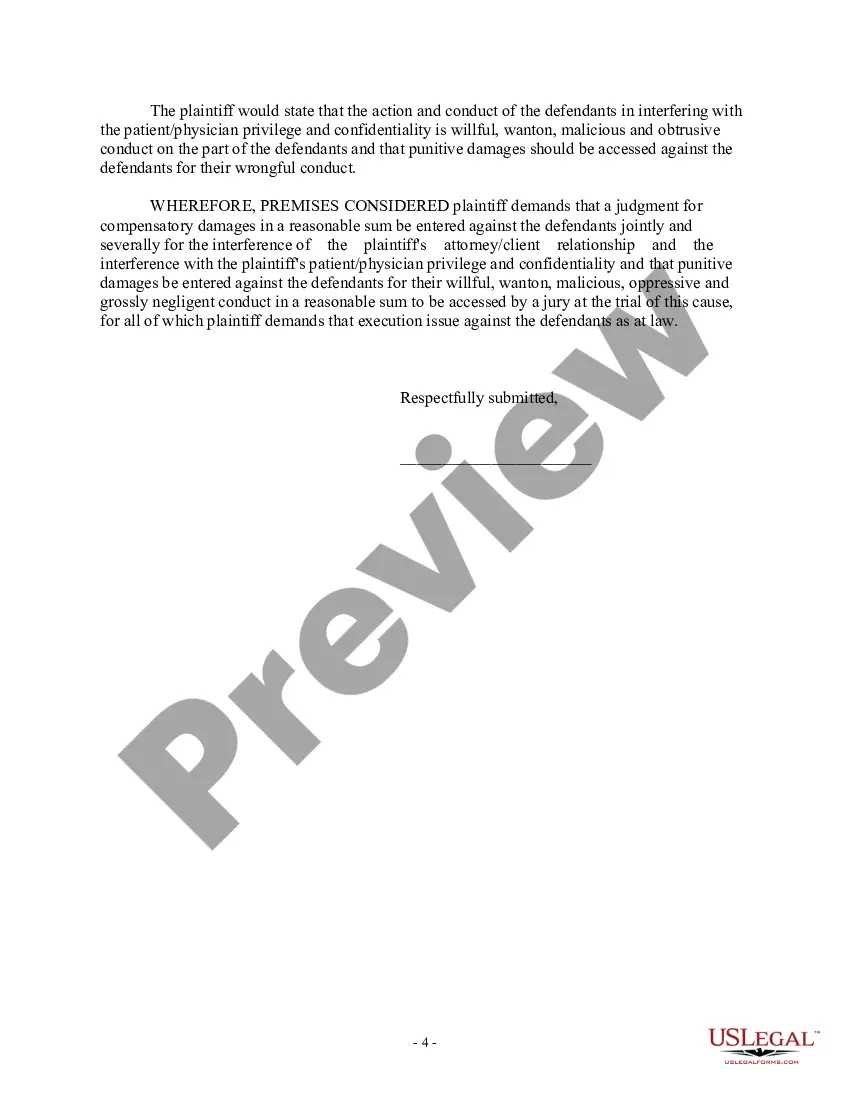




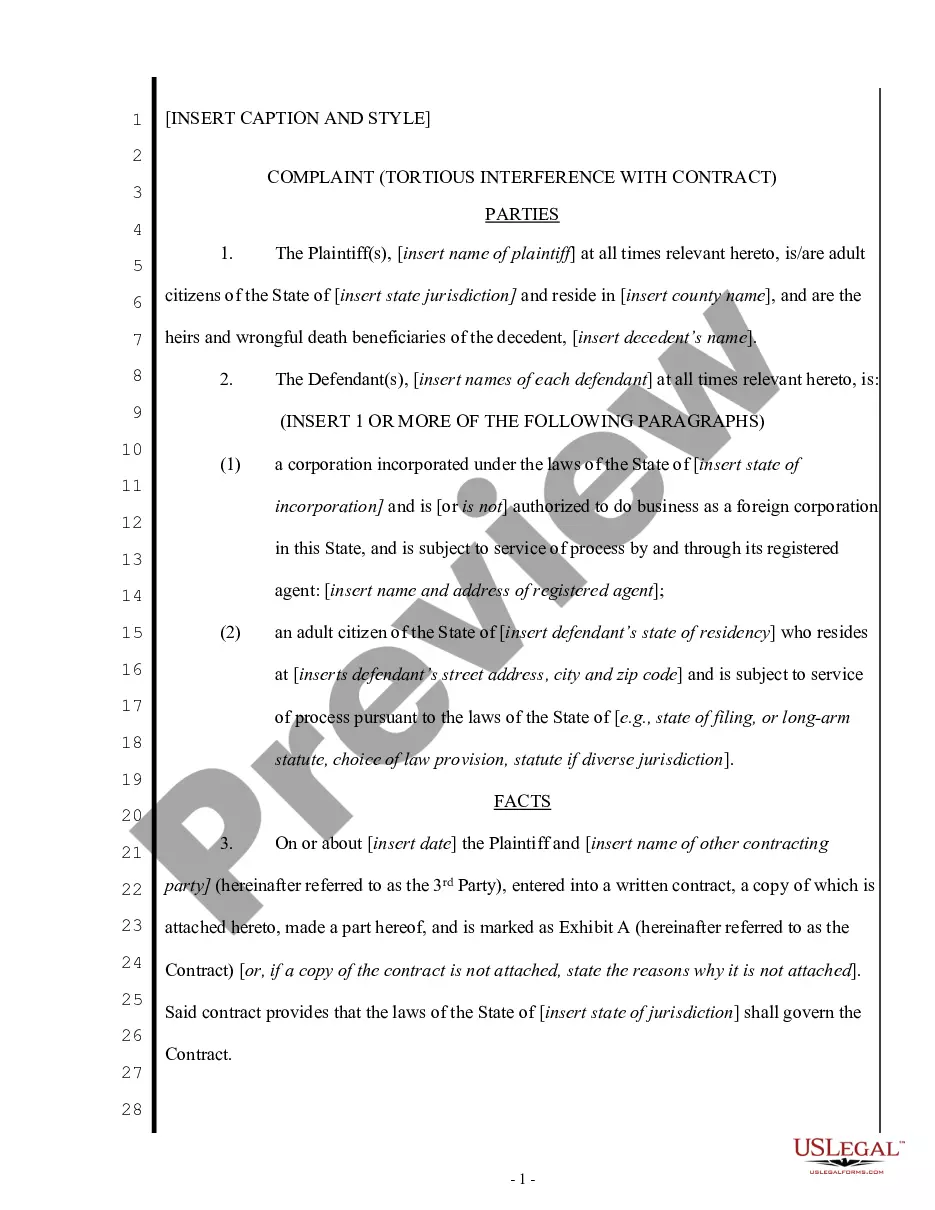
Get your form ready online
Our built-in tools help you complete, sign, share, and store your documents in one place.
Make edits, fill in missing information, and update formatting in US Legal Forms—just like you would in MS Word.
Download a copy, print it, send it by email, or mail it via USPS—whatever works best for your next step.
Sign and collect signatures with our SignNow integration. Send to multiple recipients, set reminders, and more. Go Premium to unlock E-Sign.
If this form requires notarization, complete it online through a secure video call—no need to meet a notary in person or wait for an appointment.
We protect your documents and personal data by following strict security and privacy standards.

Make edits, fill in missing information, and update formatting in US Legal Forms—just like you would in MS Word.

Download a copy, print it, send it by email, or mail it via USPS—whatever works best for your next step.

Sign and collect signatures with our SignNow integration. Send to multiple recipients, set reminders, and more. Go Premium to unlock E-Sign.

If this form requires notarization, complete it online through a secure video call—no need to meet a notary in person or wait for an appointment.

We protect your documents and personal data by following strict security and privacy standards.
Looking for another form?







Form popularity
FAQ
Some attorneys and law practices are willing to file lawsuits to recover unpaid attorney fees and unreimbursed out-of-pocket expenses. Others, however, may have adopted a “never sue a client” policy.
In many attorney-client relationships, lawyers provide legal advice that is used to help clients achieve and maintain their business goals.
I always refer to my client as Mr. or Mrs. last name, or, on rare occasions, by first name. “My client” is a very poor way to herald one's client in court. It basically qualifies everything the lawyer is going to say as self-serving zealous advocacy.
Before disclosing the name of a client anywhere, get written consent from the client.
In most cases, not without permission. There are some situations where you are permitted to share information about your clients with other members of the public. In others, it can get you in legal trouble. Regardless, willy-nilly naming your clients isn't good practice.
It is similarly well established that while the identity of a client typically is not protected from disclosure, the privilege can be invoked to bar revealing a client's identity when doing so will necessarily disclose the substance of a privileged communication. See United States v.
A legal consultation is the initial meeting between a potential lawyer and client. These meetings allow the client to discuss their case with an attorney. Then, the attorney can give an overview of their recommended course of action.
How to Give Lawyer Referrals: Three Steps Identify a good match for your client. It's tempting to default to a name you always give out or refer to the person in your network who sends you the most business. Always give at least two names. Let the client make the contact, but give a heads-up if you can.
The law is clear that a lawyer cannot turn against their client, and any violation of this guideline can invite a stringent investigation from legal authorities. Accusations of treachery are taken seriously and may warrant criminal prosecution to ensure justice is served fairly.
The two most common situations when a non-client can bring a meritorious lawsuit against someone else's lawyer are: (1) when the non-client is essentially a third-party beneficiary of the attorney-client relationship; and (2) when the non-client sues for malicious prosecution or abuse of process.