Define Attorney-client Relationship In Law In Collin
Description

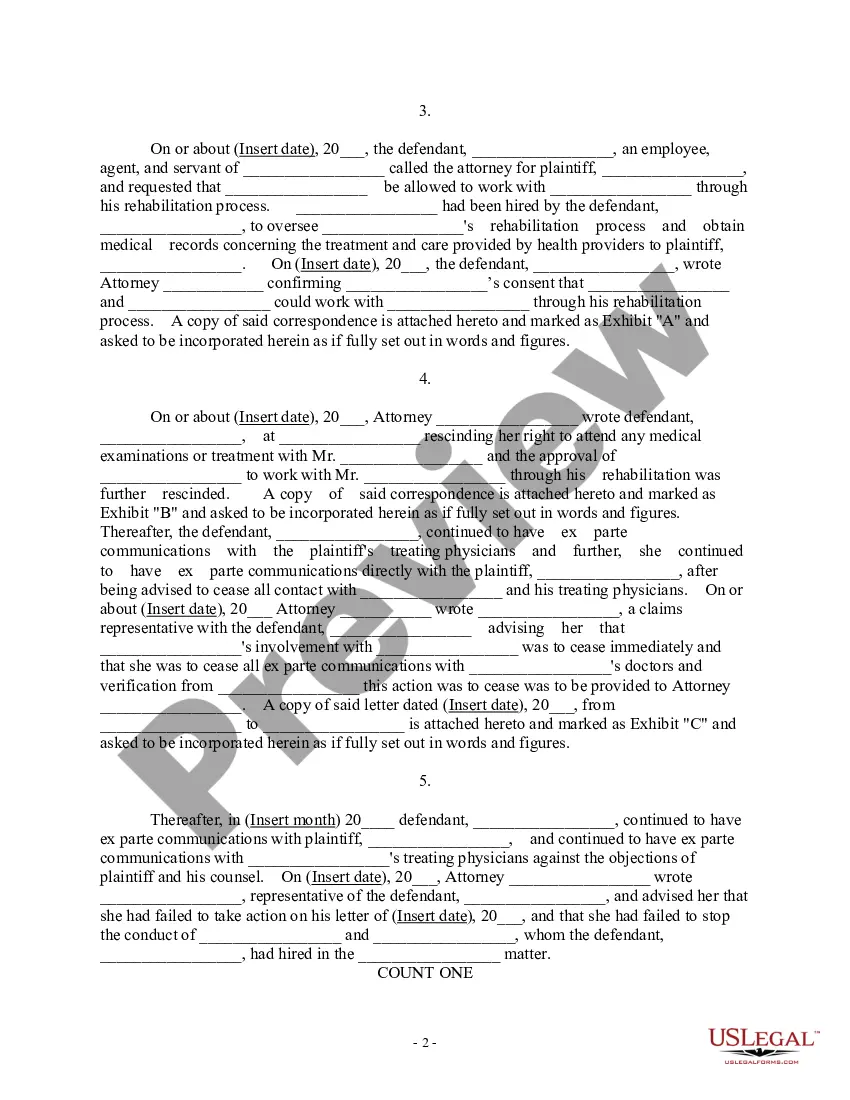
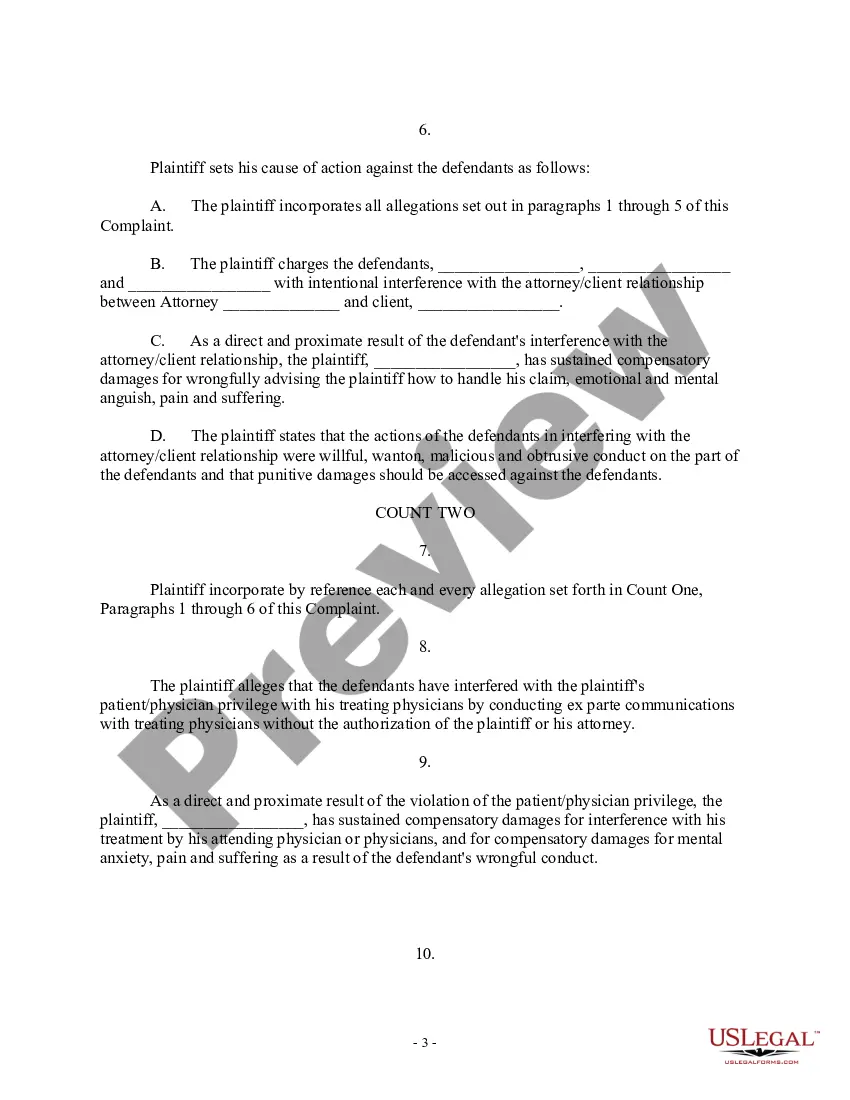
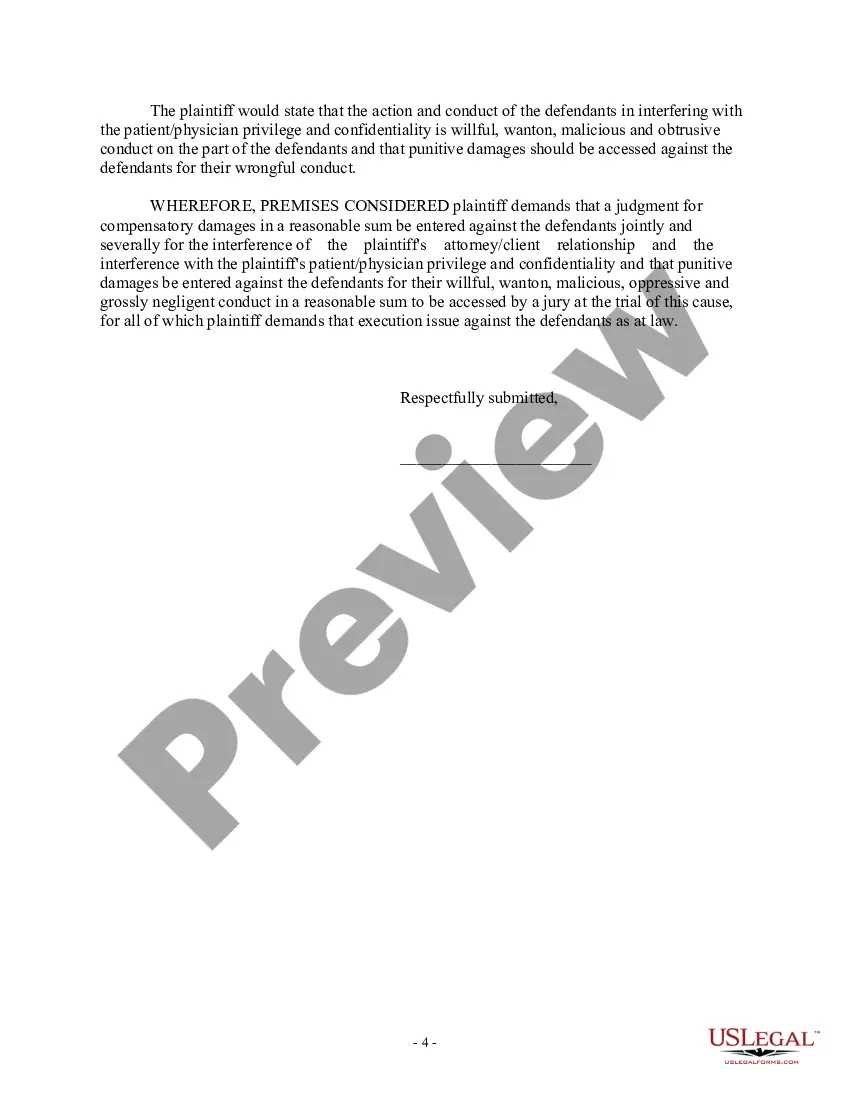

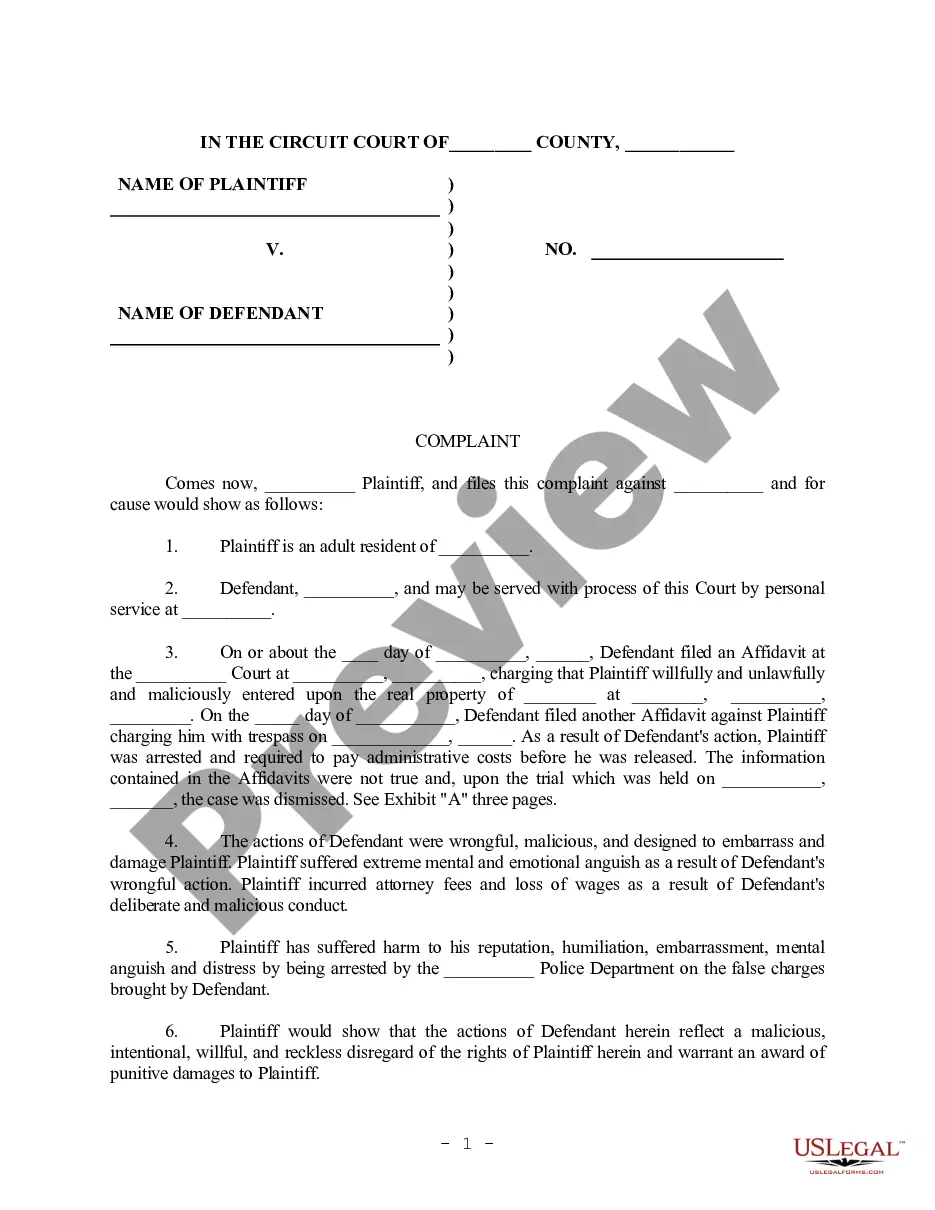

Get your form ready online
Our built-in tools help you complete, sign, share, and store your documents in one place.
Make edits, fill in missing information, and update formatting in US Legal Forms—just like you would in MS Word.
Download a copy, print it, send it by email, or mail it via USPS—whatever works best for your next step.
Sign and collect signatures with our SignNow integration. Send to multiple recipients, set reminders, and more. Go Premium to unlock E-Sign.
If this form requires notarization, complete it online through a secure video call—no need to meet a notary in person or wait for an appointment.
We protect your documents and personal data by following strict security and privacy standards.

Make edits, fill in missing information, and update formatting in US Legal Forms—just like you would in MS Word.

Download a copy, print it, send it by email, or mail it via USPS—whatever works best for your next step.

Sign and collect signatures with our SignNow integration. Send to multiple recipients, set reminders, and more. Go Premium to unlock E-Sign.

If this form requires notarization, complete it online through a secure video call—no need to meet a notary in person or wait for an appointment.

We protect your documents and personal data by following strict security and privacy standards.
Looking for another form?









Form popularity
FAQ
California Evidence Code 954 defines the attorney-client privilege. It gives your lawyer the legal right not to disclose the contents of your communication with them. Additionally, it gives you the right to require confidentiality from your lawyer and make any breaches inadmissible in court.
Rule 3: Label the top of the communication or the subject line of an email: "Privileged and Confidential: Attorney-Client Privileged Communication." This notice should be prominent and easily viewable as soon as someone receives the communication.
Rule 3: Label the top of the communication or the subject line of an email: "Privileged and Confidential: Attorney-Client Privileged Communication." This notice should be prominent and easily viewable as soon as someone receives the communication.
No matter how the attorney-client privilege is articulated, there are four basic elements necessary to establish its existence: (1) a communication; (2) made between privileged persons; (3) in confidence; (4) for the purpose of seeking, obtaining or providing legal assistance to the client.
For example, your indictment may be a public record, but if your attorney gives you a copy of the indictment, you aren't required to disclose that you were given the document because that fact is privileged. Attorney-client privilege extends to intended documents that weren't delivered.
Include the words "Privileged," "Confidential," or "Attorney-Client Communication" in the subject line of your email. It helps to make these words stand out as much as possible, such as by typing them in all caps or putting asterisks on either side.
The establishment of the attorney-client relationship involves two elements: a person seeks advice or assistance from an attorney; and the attorney appears to give, agrees to give or gives the advice or assistance.
California Evidence Code Sections 950-962 The attorney-client privilege is enshrined in California through Evidence Code sections 950-962. These sections establish the fundamental principles that govern confidential communication between attorneys and their clients.
Except as otherwise provided by law in a criminal case, the lawyer shall abide by the client's decision, after consultation with the lawyer, as to a plea to be entered, whether to waive jury trial and whether the client will testify.
The attorney-client privilege is recognized under federal common law and is also codified in state statutes.