Interference With Attorney Client Relationship In California
Description

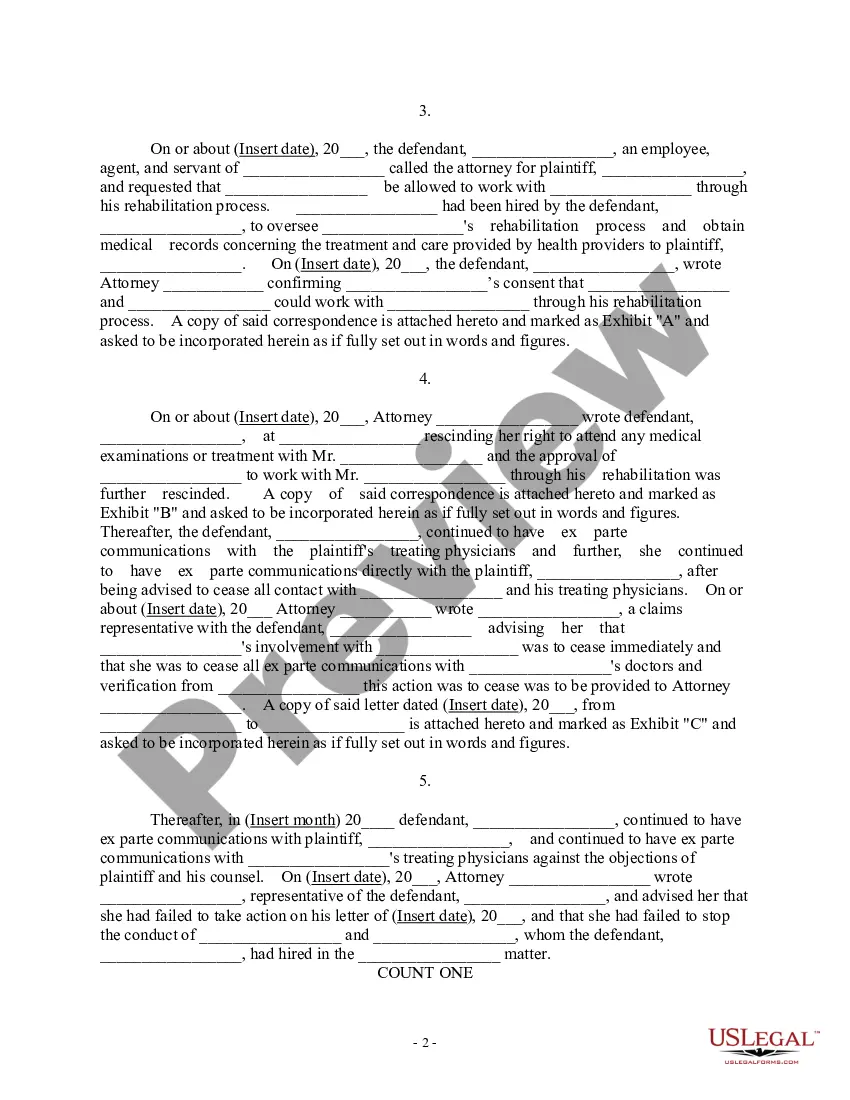
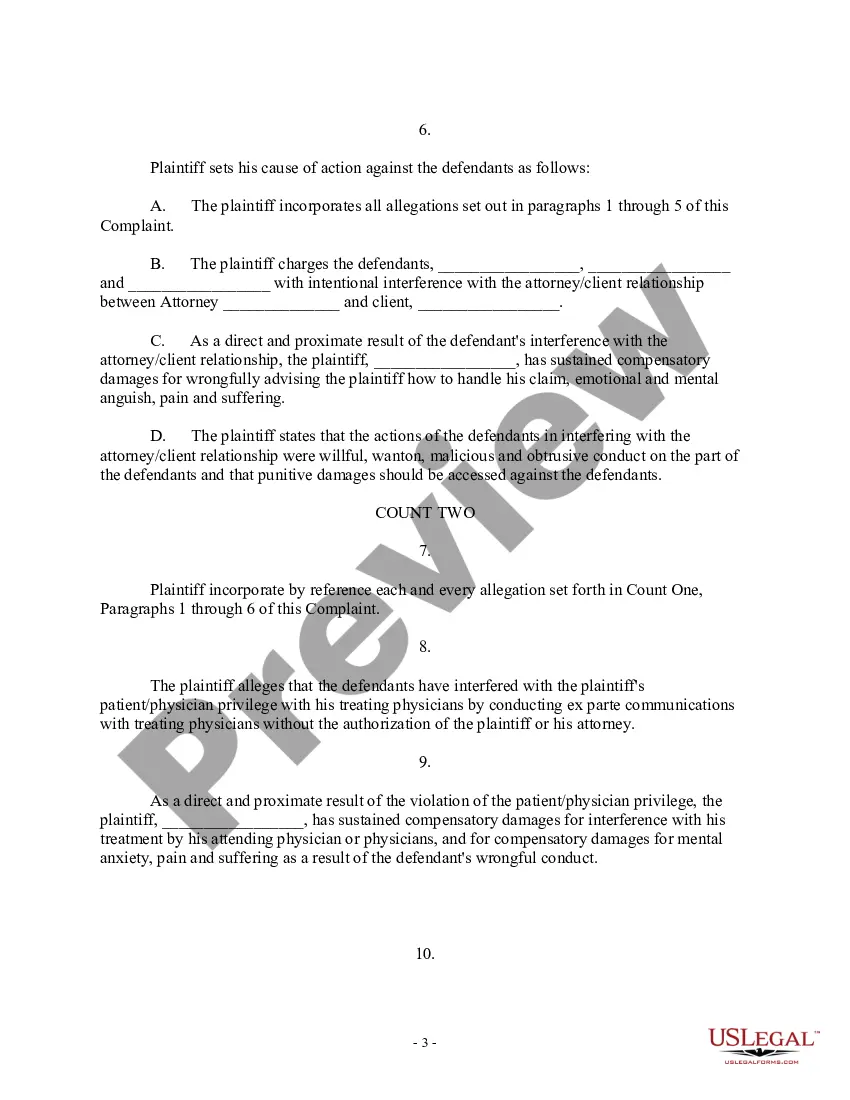
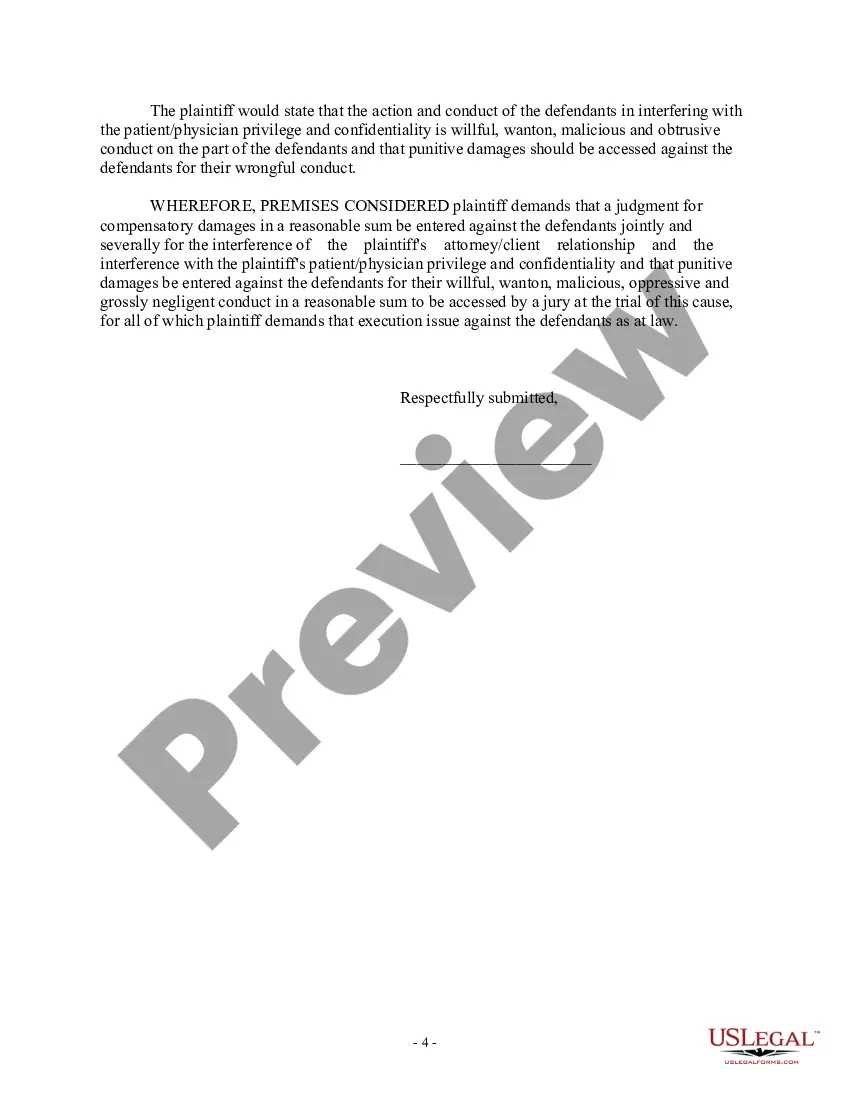

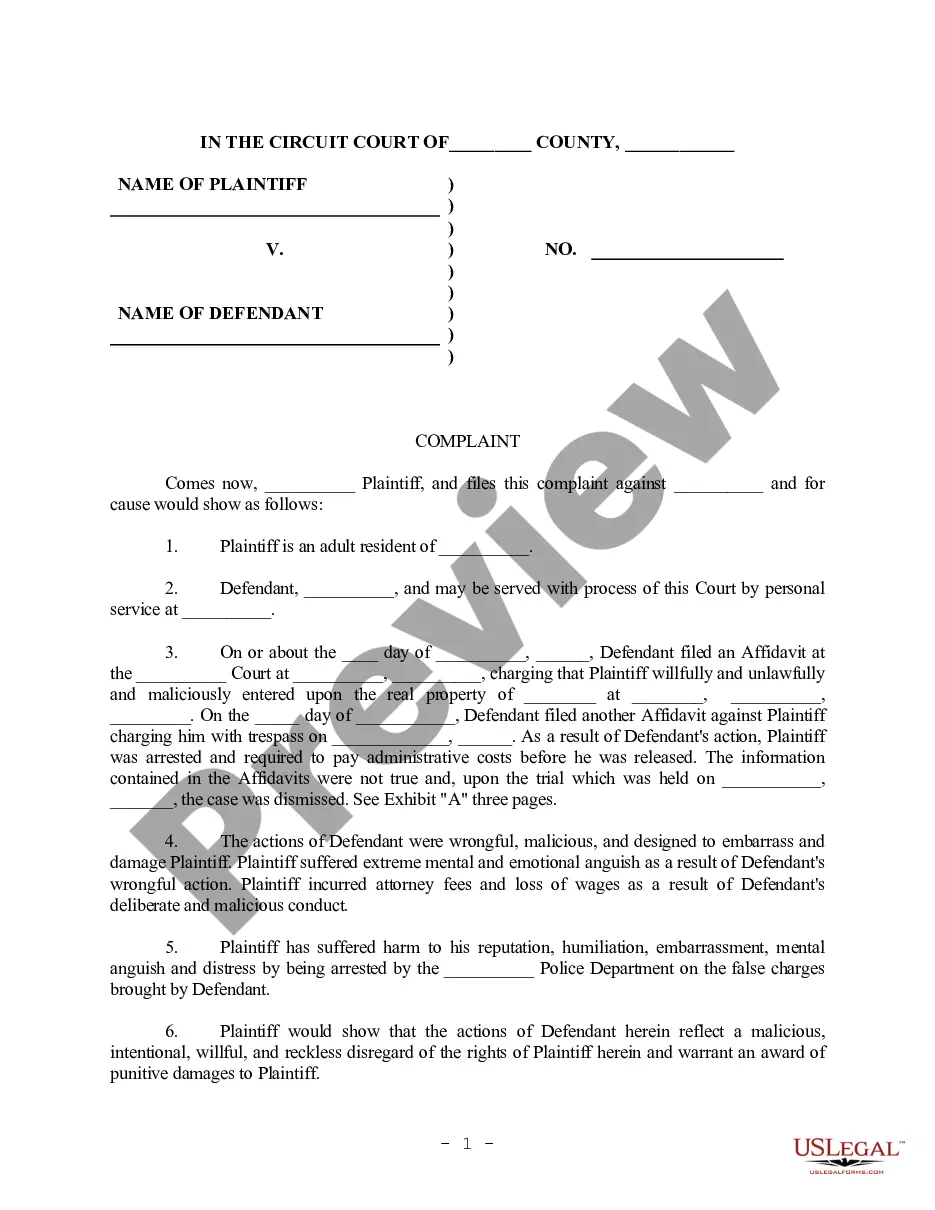

Get your form ready online
Our built-in tools help you complete, sign, share, and store your documents in one place.
Make edits, fill in missing information, and update formatting in US Legal Forms—just like you would in MS Word.
Download a copy, print it, send it by email, or mail it via USPS—whatever works best for your next step.
Sign and collect signatures with our SignNow integration. Send to multiple recipients, set reminders, and more. Go Premium to unlock E-Sign.
If this form requires notarization, complete it online through a secure video call—no need to meet a notary in person or wait for an appointment.
We protect your documents and personal data by following strict security and privacy standards.

Make edits, fill in missing information, and update formatting in US Legal Forms—just like you would in MS Word.

Download a copy, print it, send it by email, or mail it via USPS—whatever works best for your next step.

Sign and collect signatures with our SignNow integration. Send to multiple recipients, set reminders, and more. Go Premium to unlock E-Sign.

If this form requires notarization, complete it online through a secure video call—no need to meet a notary in person or wait for an appointment.

We protect your documents and personal data by following strict security and privacy standards.
Looking for another form?








Form popularity
FAQ
Misconduct in the legal profession refers to behavior by a lawyer that violates professional rules of conduct, such as breaching client confidentiality, engaging in conflicts of interest, making false or misleading statements, or failing to communicate effectively with clients.
Pursuant to rule 2.2(c) of the Rules of the State Bar of California, you are required to verify the information in your State Bar record during the annual license renewal process by February 1 of each year.
Attorney misconduct may include: conflict of interest, overbilling, false or misleading statements, knowingly pursuing frivolous and meritless lawsuits, concealing evidence, abandoning a client, failing to disclose all relevant facts, arguing a position while neglecting to disclose prior law which might counter the ...
Client Neglect – not returning phone calls, or answering correspondence. Conflicts of Interest – a lawyer may not be representing a client to the best of their ability due to allegiance to another client, or the opposition. Fraudulent Activity – forged documents, doctored evidence, or dishonorable witnesses.
The most common disciplinary complaints filed against lawyers are for: Neglect. Lack of communication. Misrepresentation/Dishonesty.
4 A lawyer may be disciplined under Business and Professions Code section 6106 for acts involving moral turpitude, dishonesty, or corruption, whether intentional, reckless, or grossly negligent.
Attorney misconduct may include: conflict of interest, overbilling, false or misleading statements, knowingly pursuing frivolous and meritless lawsuits, concealing evidence, abandoning a client, failing to disclose all relevant facts, arguing a position while neglecting to disclose prior law which might counter the ...
California Breach Of Legal Ethics Lawyers Client Neglect – not returning phone calls, or answering correspondence. Conflicts of Interest – a lawyer may not be representing a client to the best of their ability due to allegiance to another client, or the opposition.
A conflict of interest refers to the ethical problems that may arise between parties with a preexisting relationship. In law, a conflict of interest arises between an attorney and a client if the interests of the attorney, a different client, or a third-party conflict with the interests of the present client.
Pursuant to rule 2.2(c) of the Rules of the State Bar of California, you are required to verify the information in your State Bar record during the annual license renewal process by February 1 of each year.