Attorney Fund For Client Protection In California
Description

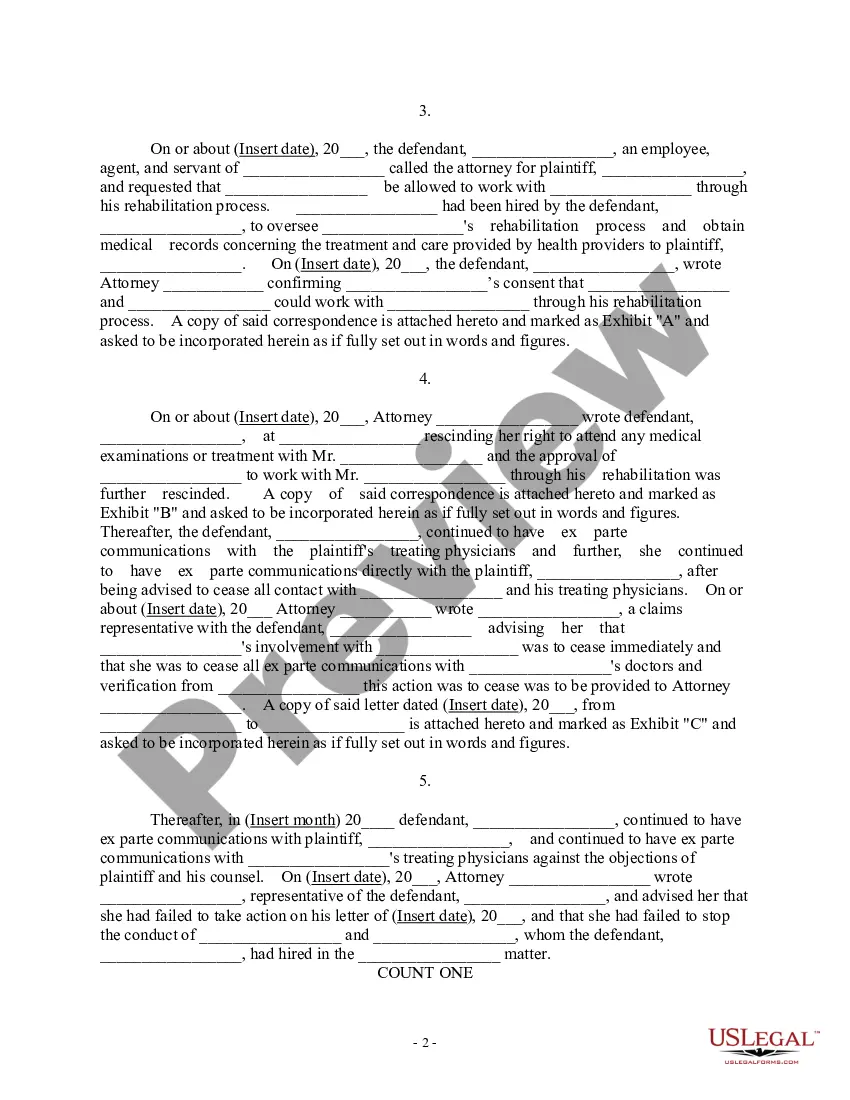
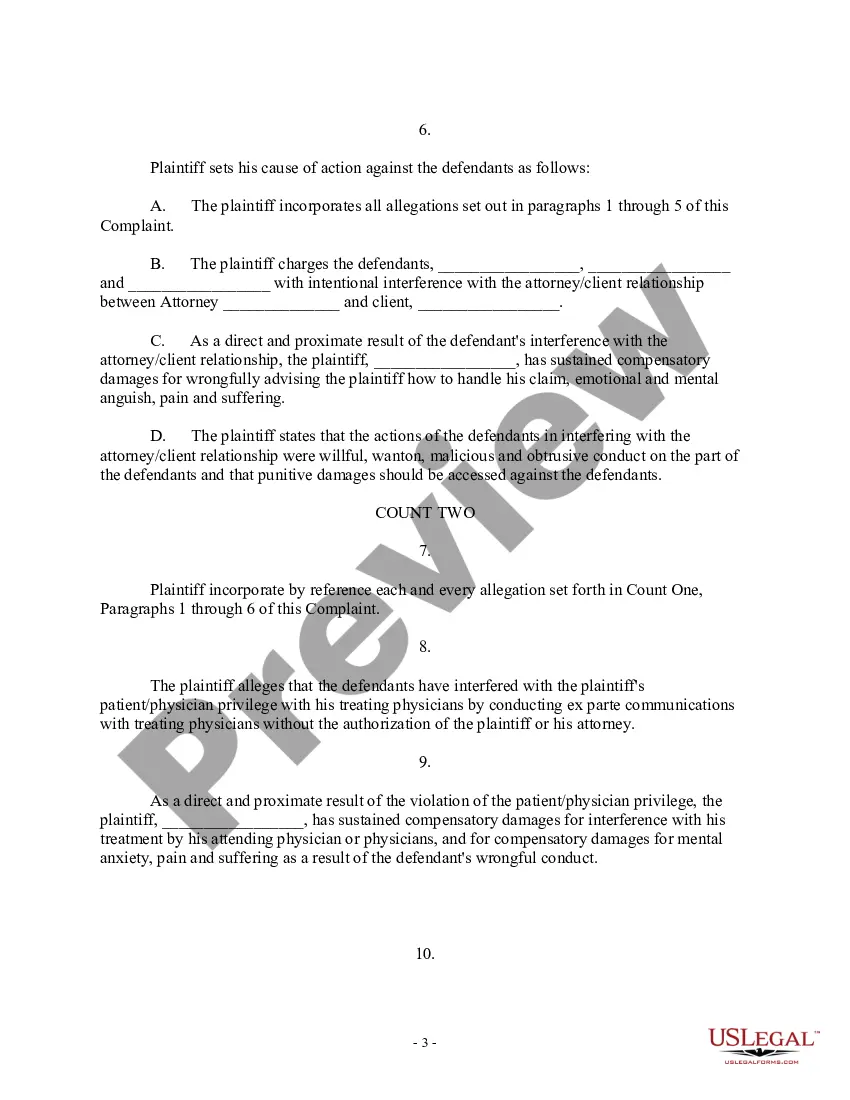
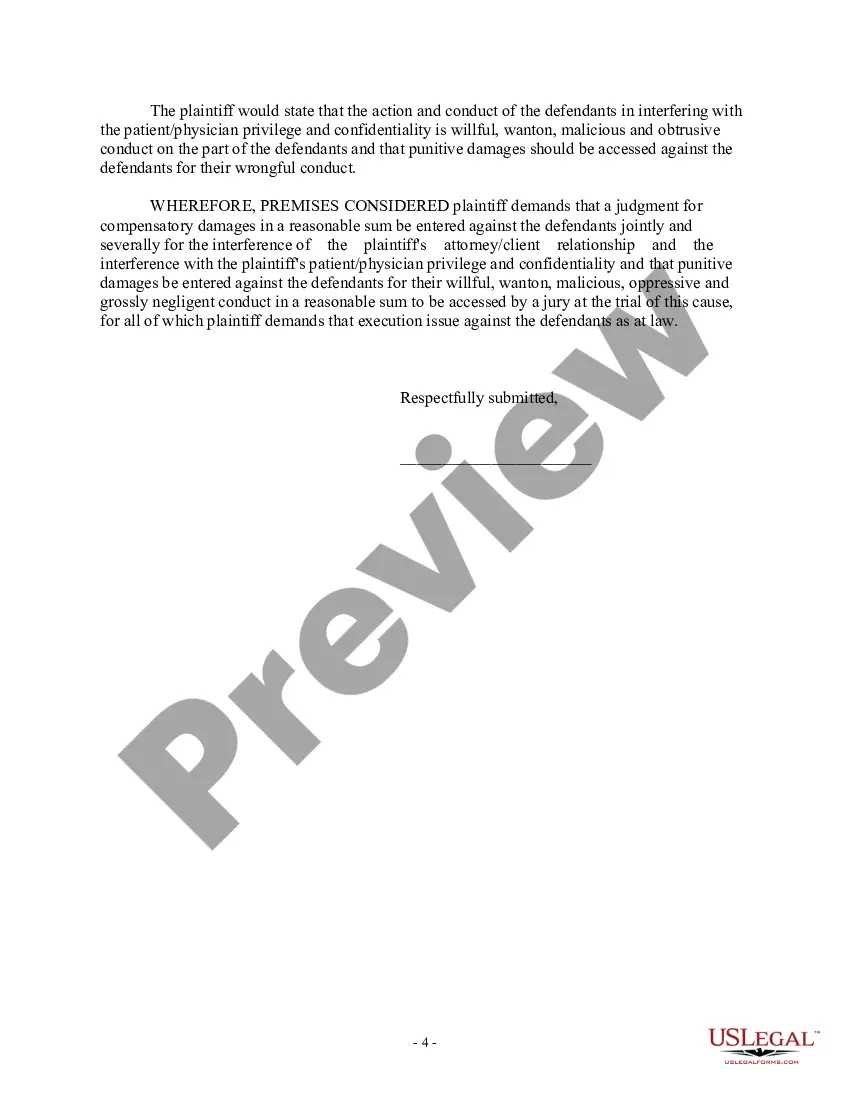




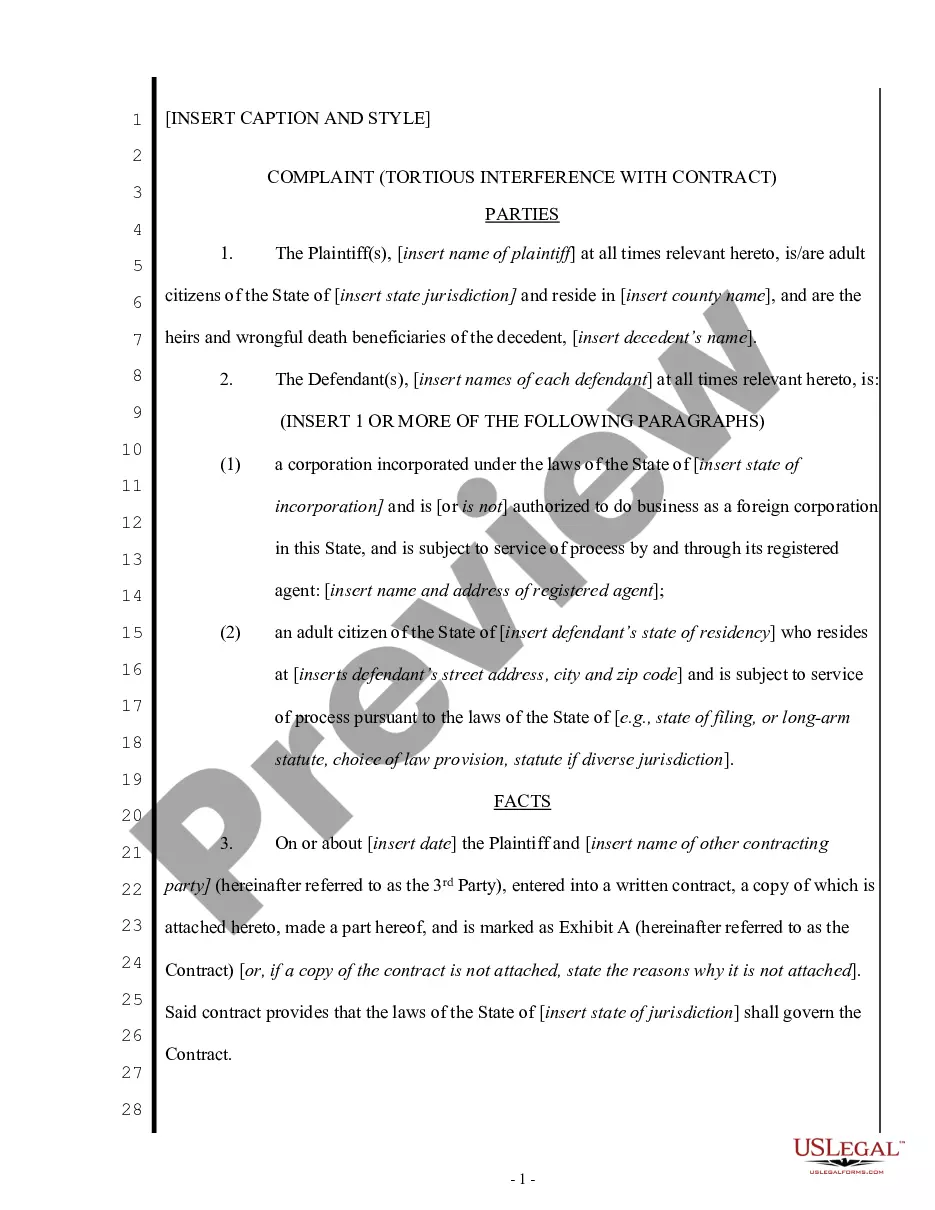
Get your form ready online
Our built-in tools help you complete, sign, share, and store your documents in one place.
Make edits, fill in missing information, and update formatting in US Legal Forms—just like you would in MS Word.
Download a copy, print it, send it by email, or mail it via USPS—whatever works best for your next step.
Sign and collect signatures with our SignNow integration. Send to multiple recipients, set reminders, and more. Go Premium to unlock E-Sign.
If this form requires notarization, complete it online through a secure video call—no need to meet a notary in person or wait for an appointment.
We protect your documents and personal data by following strict security and privacy standards.

Make edits, fill in missing information, and update formatting in US Legal Forms—just like you would in MS Word.

Download a copy, print it, send it by email, or mail it via USPS—whatever works best for your next step.

Sign and collect signatures with our SignNow integration. Send to multiple recipients, set reminders, and more. Go Premium to unlock E-Sign.

If this form requires notarization, complete it online through a secure video call—no need to meet a notary in person or wait for an appointment.

We protect your documents and personal data by following strict security and privacy standards.
Looking for another form?






Form popularity
FAQ
Who Owns the Protection? Work product protection is a type of privilege that belongs to the attorney and may be claimed or waived by the attorney. However, it may also be claimed by the client on behalf of the attorney in the attorney's absence.
California law requires attorneys who handle client funds or funds entrusted by others to hold them in one or more interest-bearing bank accounts labeled as a "Trust Account," or words of similar import.
As advisor, a lawyer provides a client with an informed understanding of the client's legal rights and obligations and explains their practical implications. As advocate, a lawyer zealously asserts the client's position under the rules of the adversary system.
This privilege is codified in California law via Evidence Code 954, which gives your attorney the right to refuse to divulge the contents of your conversation, gives you the right to require confidentiality from your attorney, and with few exceptions, makes any breach of that confidence inadmissible in court.
All you would need to do is notify your current attorney that you would like to terminate services, ask for a detailed final bill, and have your retainer balance returned.
(“The lawyer who received or made a communication subject to the privilege under this article shall claim the privilege whenever he is present when the communication is sought to be disclosed and is authorized to claim the privilege under subdivision (c) of Section 954.”)
Under California Evidence Code 954, the California attorney-client privilege makes any private communication between you and your lawyer confidential and protected from disclosure. Notably, there are a few exceptions. First, this privilege does not apply when you seek an attorney's help in committing a crime or fraud.