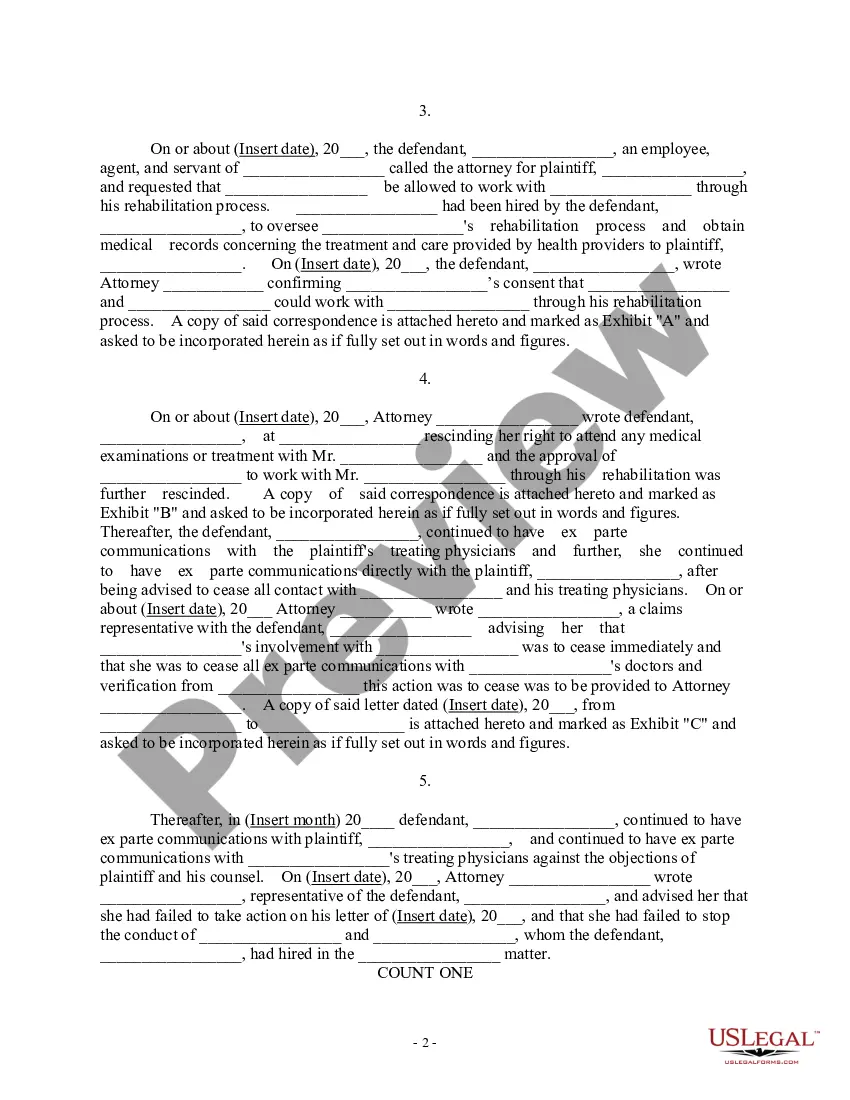
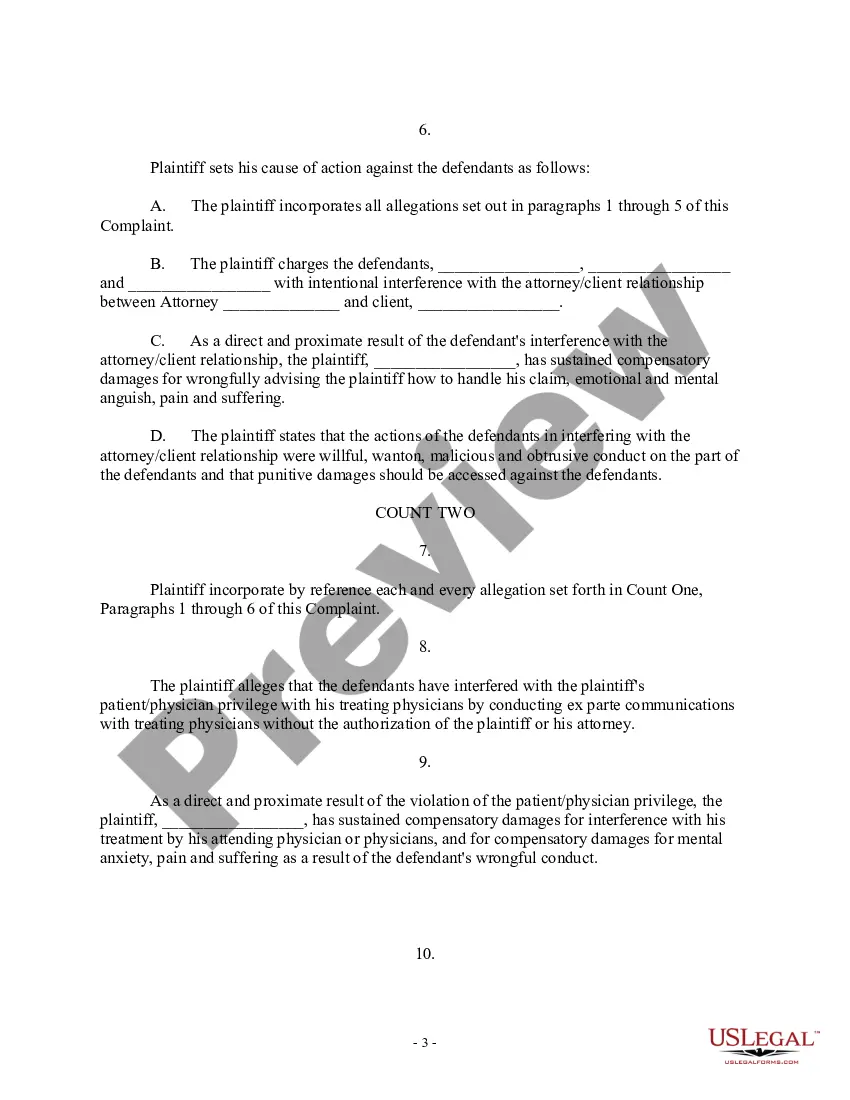
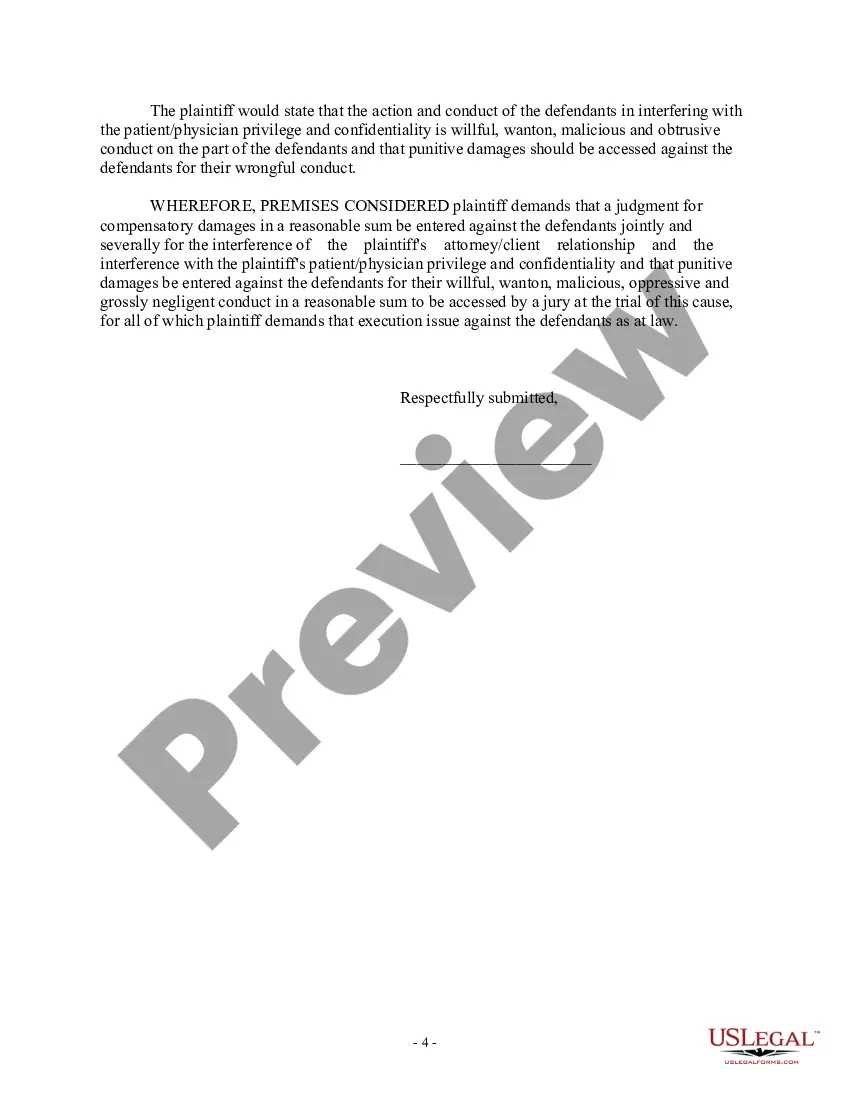
Interference With Attorney Client Relationship In Broward
Description


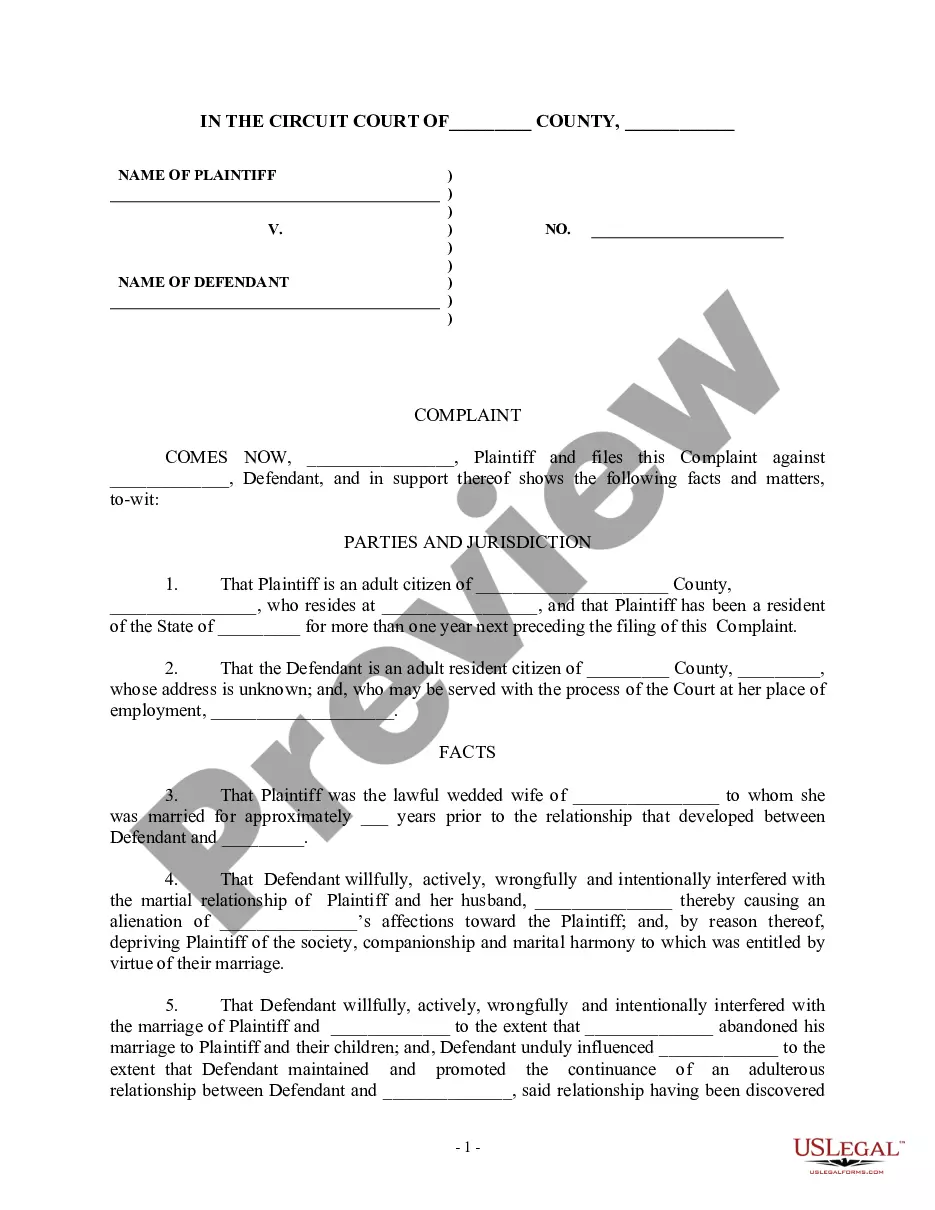

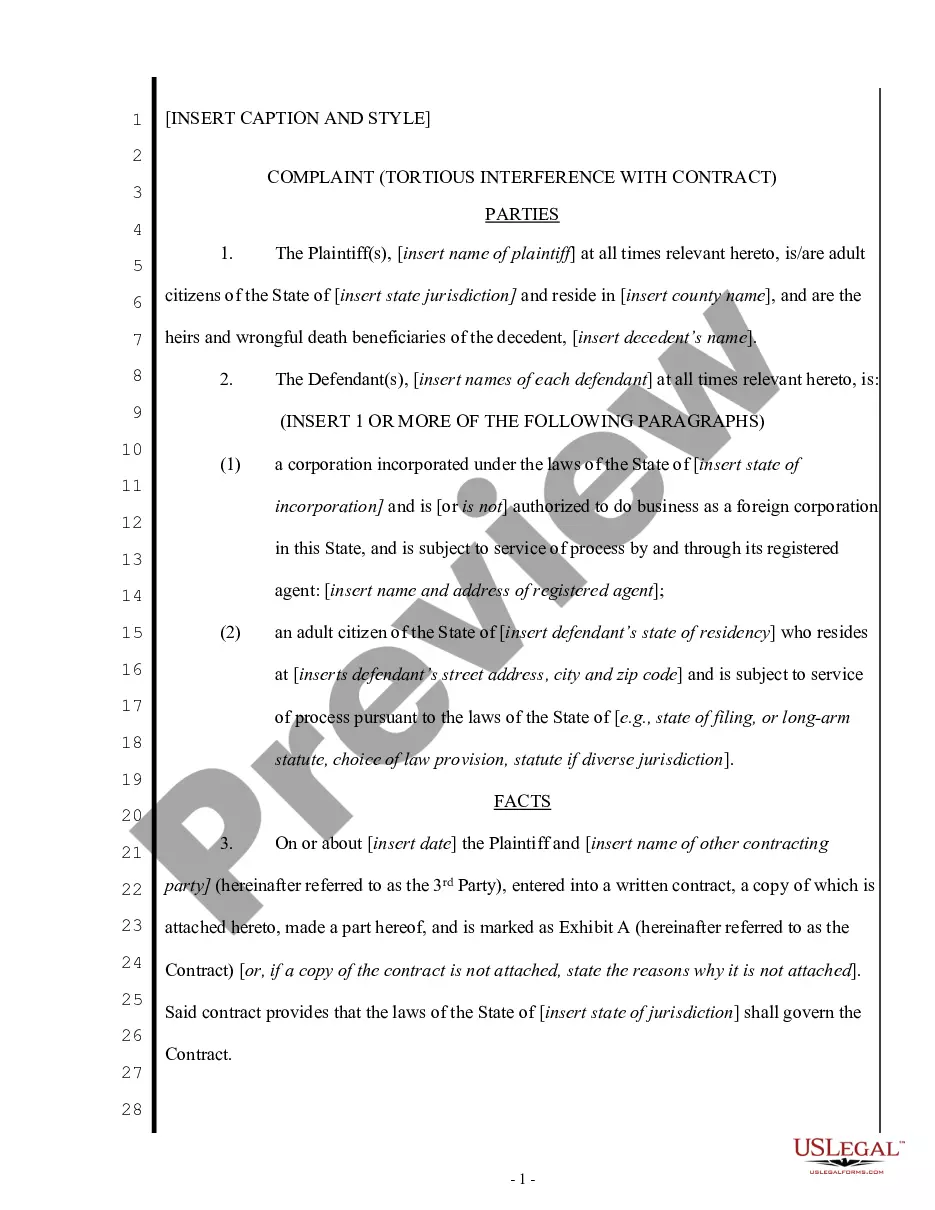
Get your form ready online
Our built-in tools help you complete, sign, share, and store your documents in one place.
Make edits, fill in missing information, and update formatting in US Legal Forms—just like you would in MS Word.
Download a copy, print it, send it by email, or mail it via USPS—whatever works best for your next step.
Sign and collect signatures with our SignNow integration. Send to multiple recipients, set reminders, and more. Go Premium to unlock E-Sign.
If this form requires notarization, complete it online through a secure video call—no need to meet a notary in person or wait for an appointment.
We protect your documents and personal data by following strict security and privacy standards.

Make edits, fill in missing information, and update formatting in US Legal Forms—just like you would in MS Word.

Download a copy, print it, send it by email, or mail it via USPS—whatever works best for your next step.

Sign and collect signatures with our SignNow integration. Send to multiple recipients, set reminders, and more. Go Premium to unlock E-Sign.

If this form requires notarization, complete it online through a secure video call—no need to meet a notary in person or wait for an appointment.

We protect your documents and personal data by following strict security and privacy standards.
Looking for another form?










Form popularity
FAQ
Damages. Typical legal damages for tortious interference include economic losses, if they can be proven with certainty, and mental distress. Additionally punitive damages may be awarded if malice on the part of the wrongdoer can be established.
The requisite elements of tortious interference with contract claim are: (1) the existence of a valid and enforceable contract between plaintiff and another; (2) defendant's awareness of the contractual relationship; (3) defendant's intentional and unjustified inducement of a breach of the contract; (4) a subsequent ...
If you want to succeed on a cause of action for tortious interference with a contractual relationship, you have to plead and prove: The existence of a contract. The defendant's knowledge of the contract. The defendant's intentional procurement of the contract's breach. Damages to the plaintiff as a result of the breach.
Generally, a defendant's actions may be justified or privileged in defense to a claim of tortious interference if the defendant acts in a bona fide exercise of its own rights or possesses an equal or superior interest to that of the plaintiff in the subject matter.
If your situation meets the required elements for a legal claim, you absolutely can. In California, intentionally interfering with another person's expected inheritance is a tort (a civil wrong, which allows a person to sue another person in court, assuming the elements are met).
The elements of tortious interference The four elements are: the plaintiff's existence of a business relationship, the defendant's knowledge of the relationship, the defendant's intentional interference disrupts the relationship and the existence of damages.
To recover damages for inducing breach of contract in California, the plaintiff must prove that: The plaintiff was in a valid contractual relationship with a third party; The defendant knew of the existing contract; The defendant intended to induce the third party to breach the contract with the plaintiff;
Intent on the defendant's part to disrupt the economic relationship, or knowledge that disruption was likely because of their conduct; Disruption of the relationship; Harm to the plaintiff; and. A causal connection between the wrongful act and the harm.
California. Cal. Government Code § 87100, 87103. A conflict of interest exists if a legislator uses their official position to influence a governmental decision in which they know they, an immediate family member or a business they are associated with have a financial interest .