Lawyer With Client In Arizona
Description

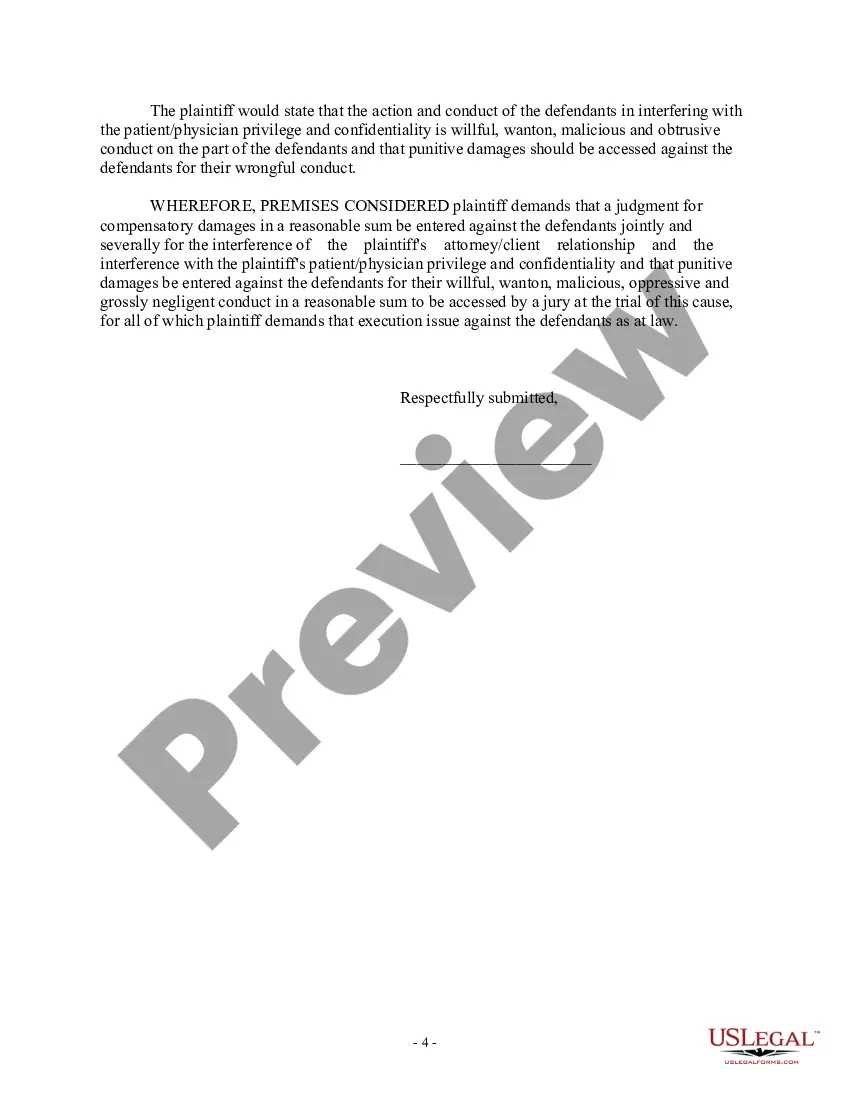




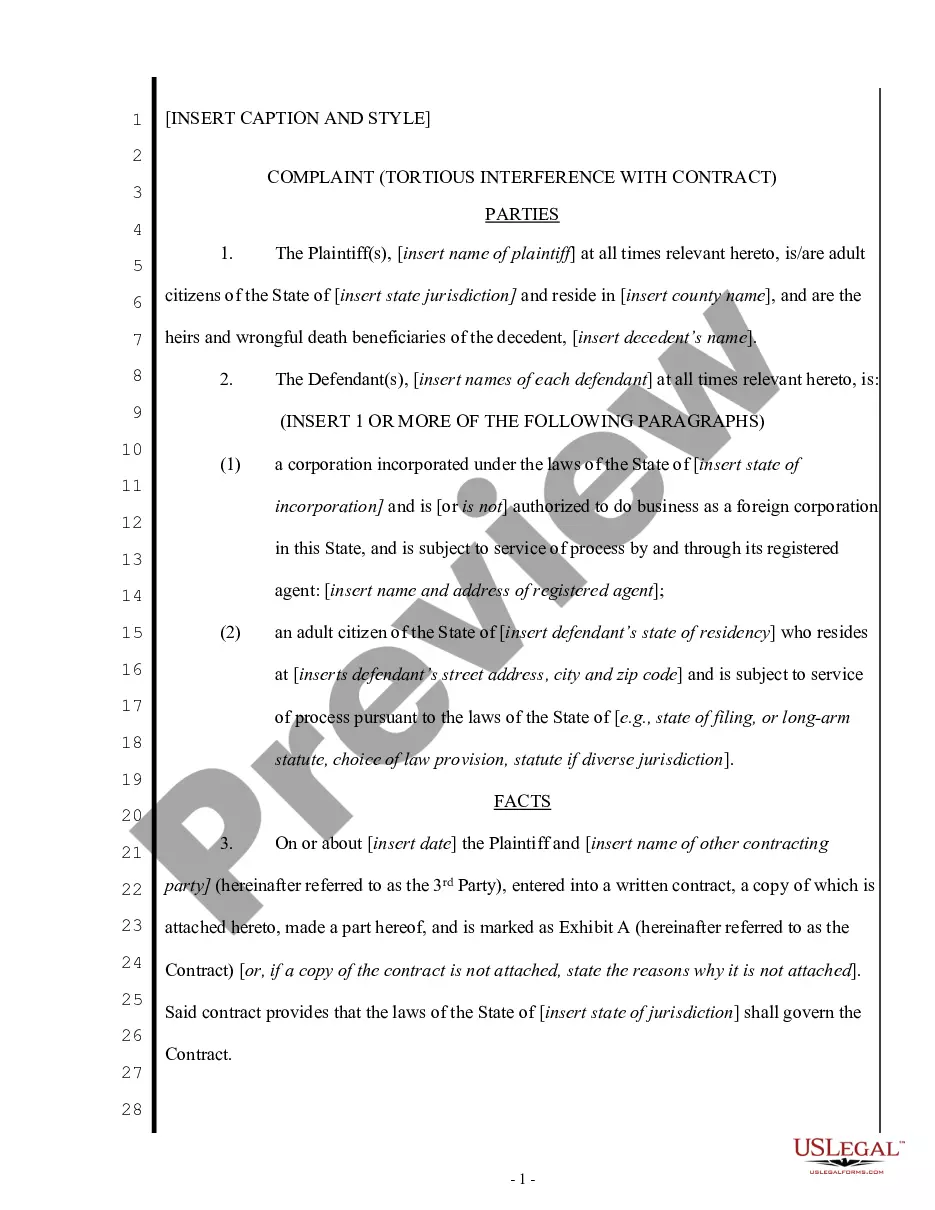
Get your form ready online
Our built-in tools help you complete, sign, share, and store your documents in one place.
Make edits, fill in missing information, and update formatting in US Legal Forms—just like you would in MS Word.
Download a copy, print it, send it by email, or mail it via USPS—whatever works best for your next step.
Sign and collect signatures with our SignNow integration. Send to multiple recipients, set reminders, and more. Go Premium to unlock E-Sign.
If this form requires notarization, complete it online through a secure video call—no need to meet a notary in person or wait for an appointment.
We protect your documents and personal data by following strict security and privacy standards.

Make edits, fill in missing information, and update formatting in US Legal Forms—just like you would in MS Word.

Download a copy, print it, send it by email, or mail it via USPS—whatever works best for your next step.

Sign and collect signatures with our SignNow integration. Send to multiple recipients, set reminders, and more. Go Premium to unlock E-Sign.

If this form requires notarization, complete it online through a secure video call—no need to meet a notary in person or wait for an appointment.

We protect your documents and personal data by following strict security and privacy standards.
Looking for another form?









Form popularity
FAQ
How To Write a Legal Letter Of Advice? Define your issue. The introduction should be a short paragraph that defines the issue and why you are writing the legal letter. Identify the relevant law. Determine the stakes. Establish your position. Make your argument. Sign and date the letter of advice document. Send it off!
Client advice letters have a similar structure to legal memoranda. They typically include (A) an introduction, (B) a statement of facts, (C) an analysis section, and (D) a concluding paragraph.
11 Essential Questions to Ask When Interviewing Clients Could I confirm your contact information and case details? ... Can you tell me more about your legal issue? ... Have you worked with a lawyer before? ... Have you worked with a lawyer on this specific matter? ... Can you tell me why you want to pursue this matter?
When writing to advise, you should: Inform the reader's decision. Give information to help the reader to make a decision. Give your opinion. Offer a choice of actions. Support with facts and examples. Focus on the problem. Be friendly and sympathetic. Use modal verbs. Use imperative verbs.
Advice notes should not be worded as though they are conditions. For example, an advice note should not state that the consent holder “shall” or “must” do something. Instead use wording like, “A building consent will be required …”
The opening paragraph states the legal issue the letter is addressing followed by the facts, a discussion of the law as it applies to the facts and a conclusion which is essentially the advice to the client. Often attorneys include headings to lead the client through this process to arrive at the same conclusion.
Within our legal practice, we hold the autonomy to accept or refuse client representation. This decision is often guided by numerous crucial considerations pertaining to our ethical and professional obligations, potential conflicts of interest, and the substantive evaluation of the cases presented before us.
Yes, but subject to reasonable warning to the client, the potential need for court approval, and the need to protect the client's interests.
To reduce the risk of claims when declining to represent a client, send the prospective client a non-engagement letter clearly stating that the law firm will not represent the client in that matter.
In most jurisdictions, ethical rules explicitly prohibit lawyers from engaging in sexual relationships with clients. This prohibition is based on several key reasons: Conflict of Interest: A romantic or sexual relationship can create a significant conflict of interest.