Advocate For Client In Alameda
Description

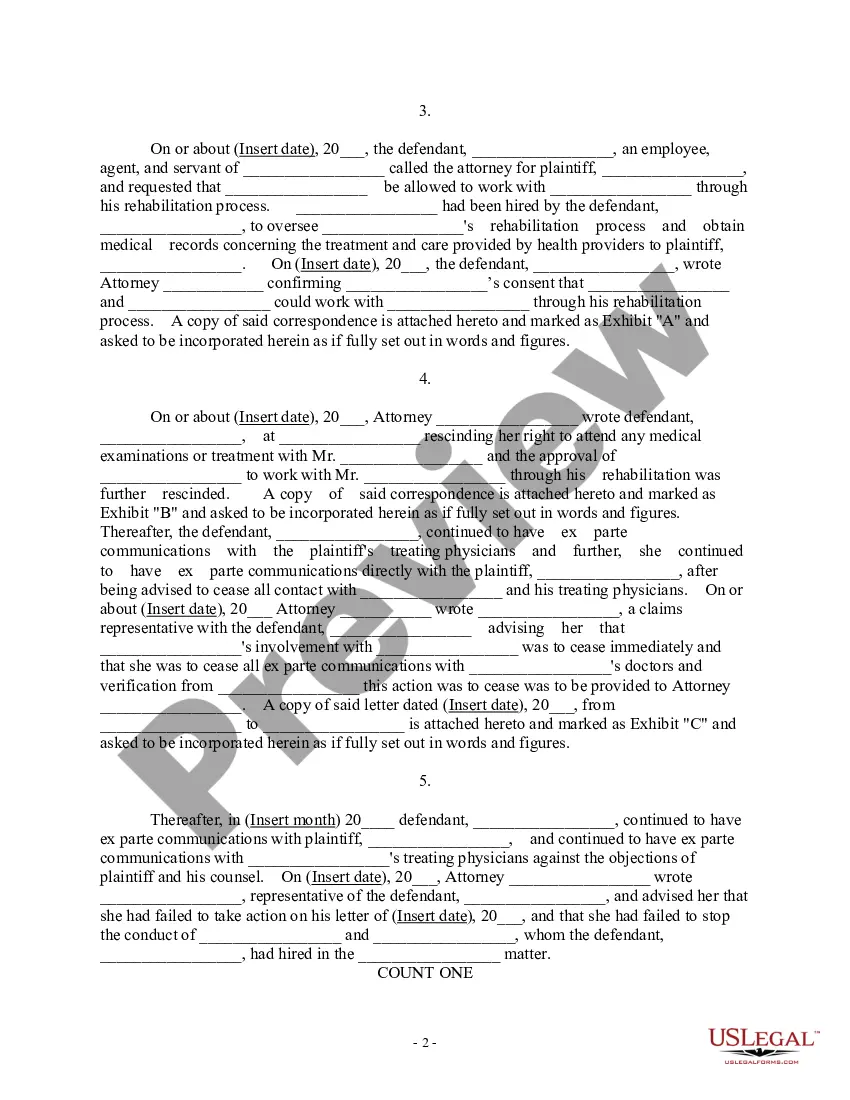
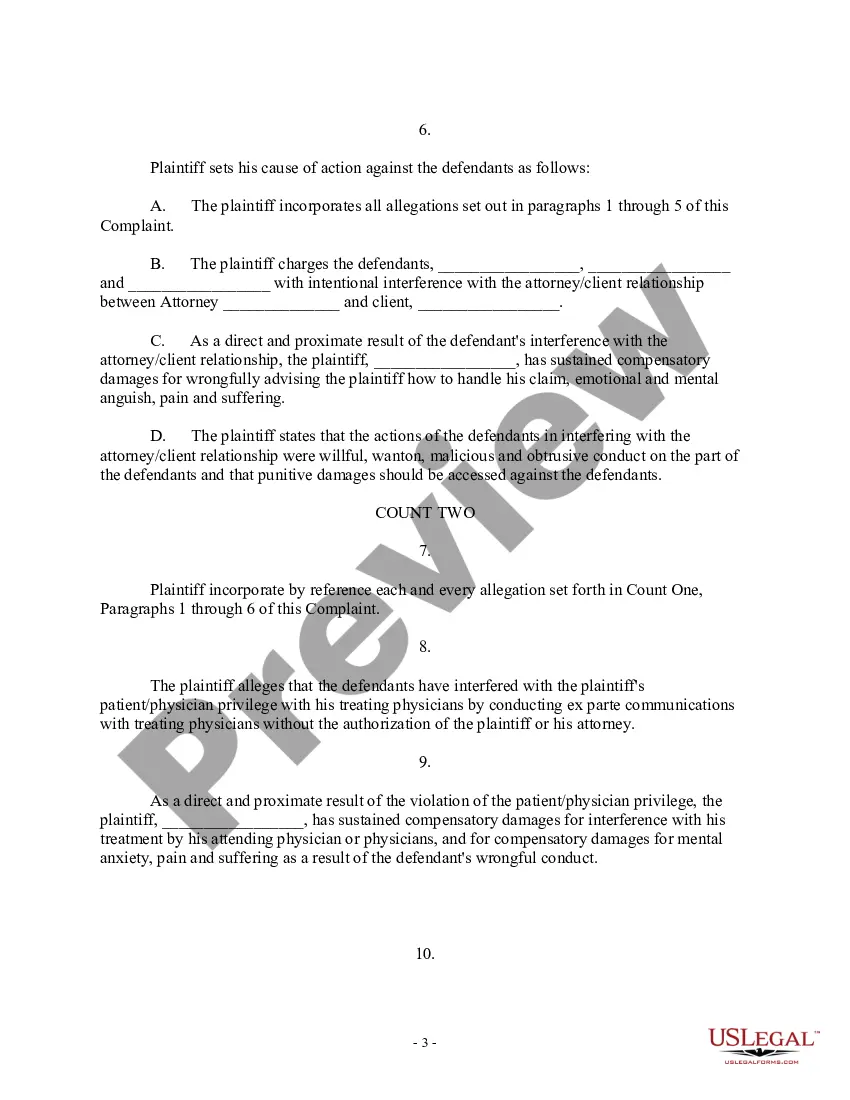
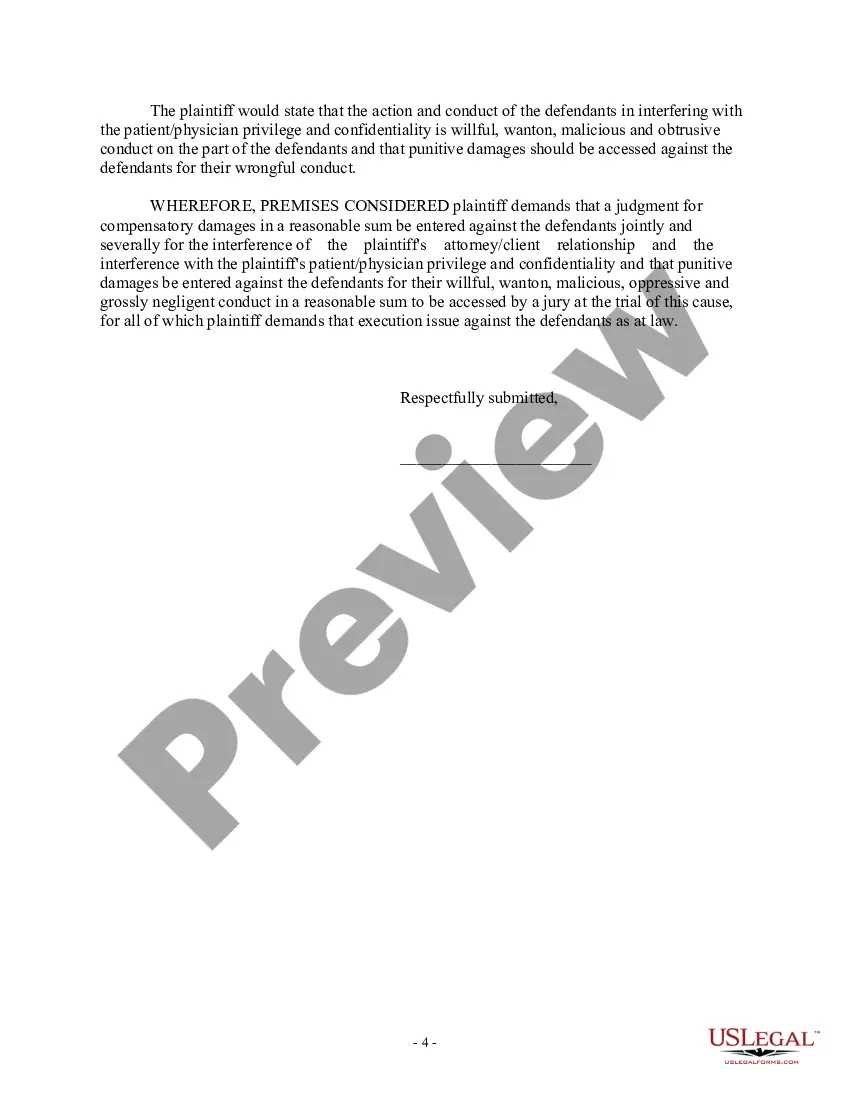

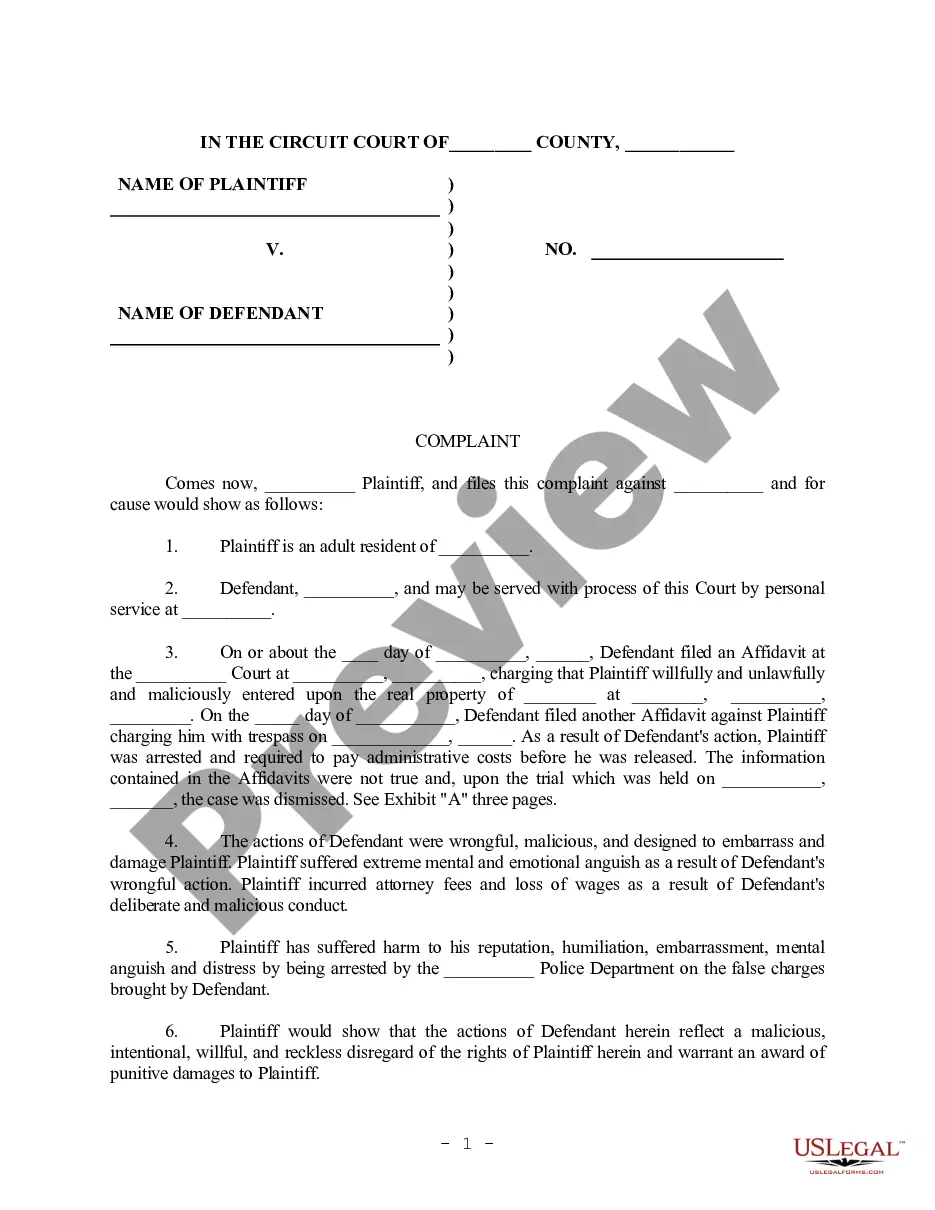
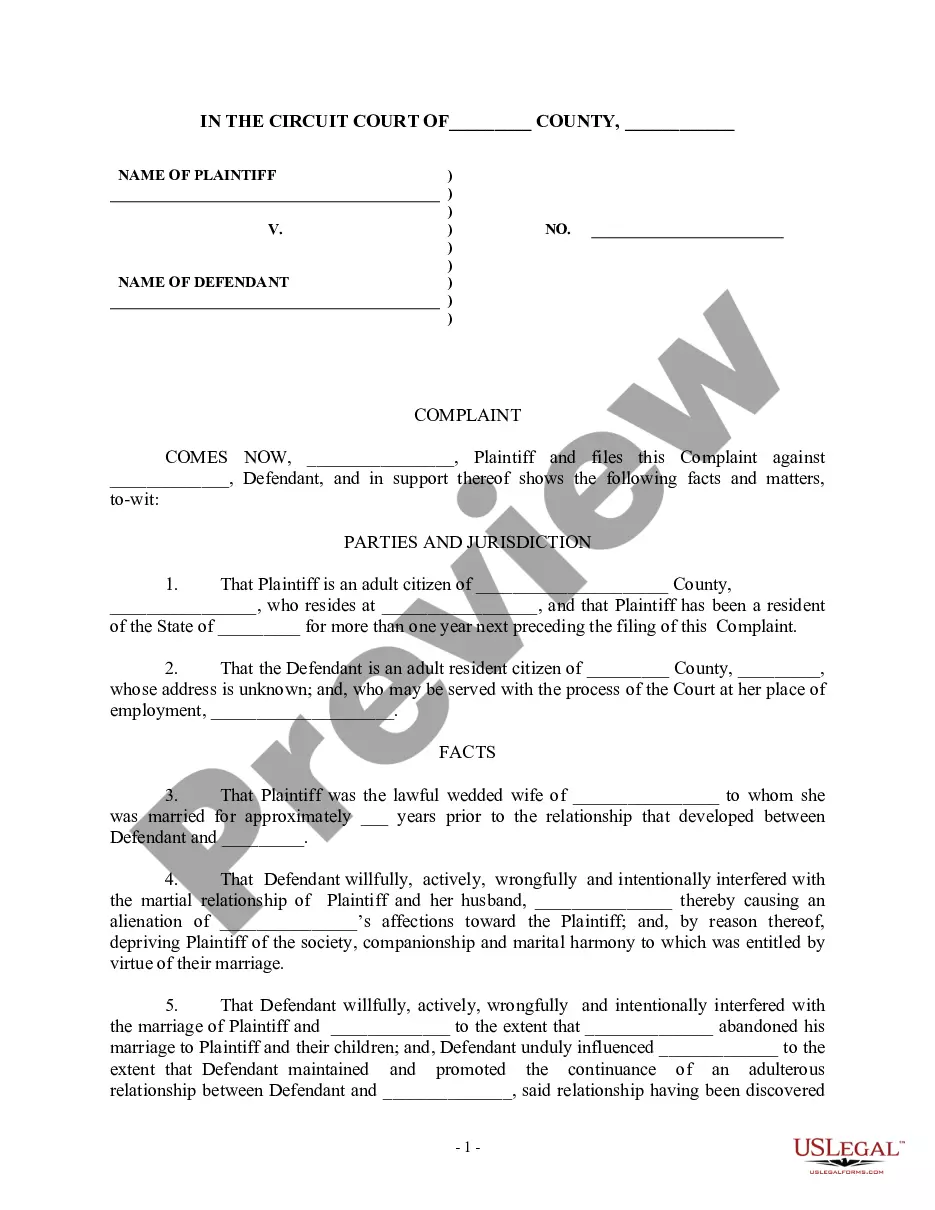

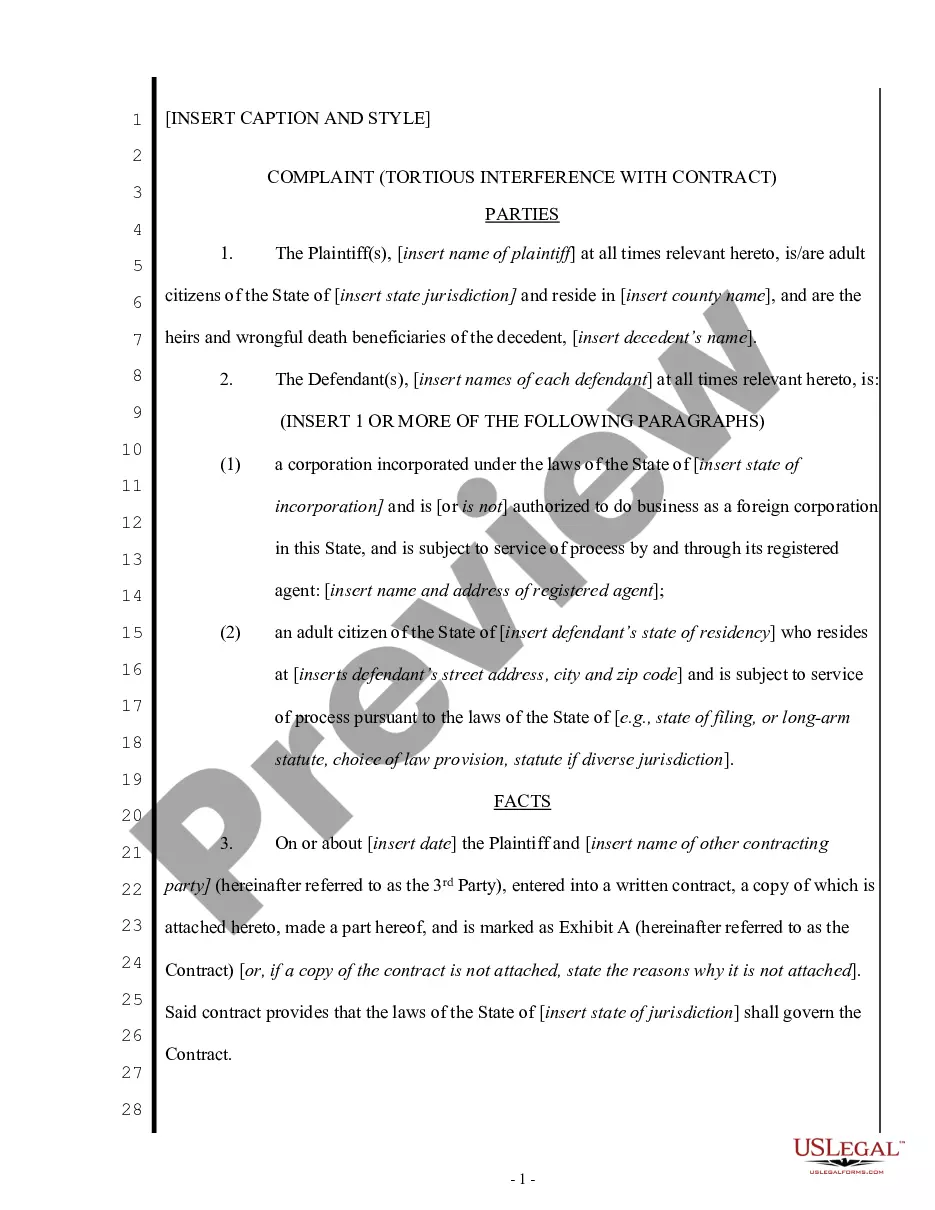
Get your form ready online
Our built-in tools help you complete, sign, share, and store your documents in one place.
Make edits, fill in missing information, and update formatting in US Legal Forms—just like you would in MS Word.
Download a copy, print it, send it by email, or mail it via USPS—whatever works best for your next step.
Sign and collect signatures with our SignNow integration. Send to multiple recipients, set reminders, and more. Go Premium to unlock E-Sign.
If this form requires notarization, complete it online through a secure video call—no need to meet a notary in person or wait for an appointment.
We protect your documents and personal data by following strict security and privacy standards.

Make edits, fill in missing information, and update formatting in US Legal Forms—just like you would in MS Word.

Download a copy, print it, send it by email, or mail it via USPS—whatever works best for your next step.

Sign and collect signatures with our SignNow integration. Send to multiple recipients, set reminders, and more. Go Premium to unlock E-Sign.

If this form requires notarization, complete it online through a secure video call—no need to meet a notary in person or wait for an appointment.

We protect your documents and personal data by following strict security and privacy standards.
Looking for another form?


Form popularity
FAQ
But a family caregiver who can act as an advocate — asking the right questions, keeping track of hospital staff and their instructions, monitoring medications — can make all the difference in a hospital stay. The concept of family advocacy is something more and more hospitals are becoming receptive to.
In California, there are currently no state licenses, requirements or accreditation for these positions. However, there are a number of patient advocacy certificate programs offered online and through universities across the United States.
Duties and Authority of Patients' Rights Advocates To receive and investigate complaints from or concerning patients about violations or abuse of their rights. To monitor mental health facilities, services, and programs for compliance with patients' rights laws, regulations, and policies.
We've pulled together some tips to help you more easily navigate the role. Health Insurance Portability and Accountability Act. Help Pack for Overnight Visits. Up-to-Date List of Medications and Dosages. Keep Good Notes. Setting Expectations with the Medical Team. Discuss Medical Wishes and Treatment Preferences.
Nurses share 9 ways to help when someone is hospitalized Be present. Nurse Mary Kampf says the best gift is a simple one: “Just being there. Be personal. Several nurses suggested photographs of friends, family and pets. Be creative. Be inspiring. Be mindful. Be thoughtful. Be supportive. Be generous.
10 ways to advocate for patients Educate the patient. Teach your patient about their injury, illness or condition, including any improvements or setbacks and how to manage them. Update the entire team. Be present. Ensure safety. Double-check documentation. Give proper care. Offer resources. Listen to your patient.
Nurses can act as mediators between patients and doctors who may have overlooked certain patient needs or solutions. For example, if a patient receives an inaccurate diagnosis, unsafe accommodation, or unclear instructions for self-care, the nurse must alert the doctor or medical facility and communicate the issue.
5150 is the number of the section of the Welfare and Institutions Code, which allows an adult who is experiencing a mental health crisis to be involuntarily detained for a 72- hour psychiatric hospitalization when evaluated to be a danger to others, or to himself or herself, or gravely disabled.
These groups typically keep a list of available advocates. Council of Parent Attorneys and Advocates. Your state's Parent Training and Information Center. Your school district's Special Education PTA or PAC.