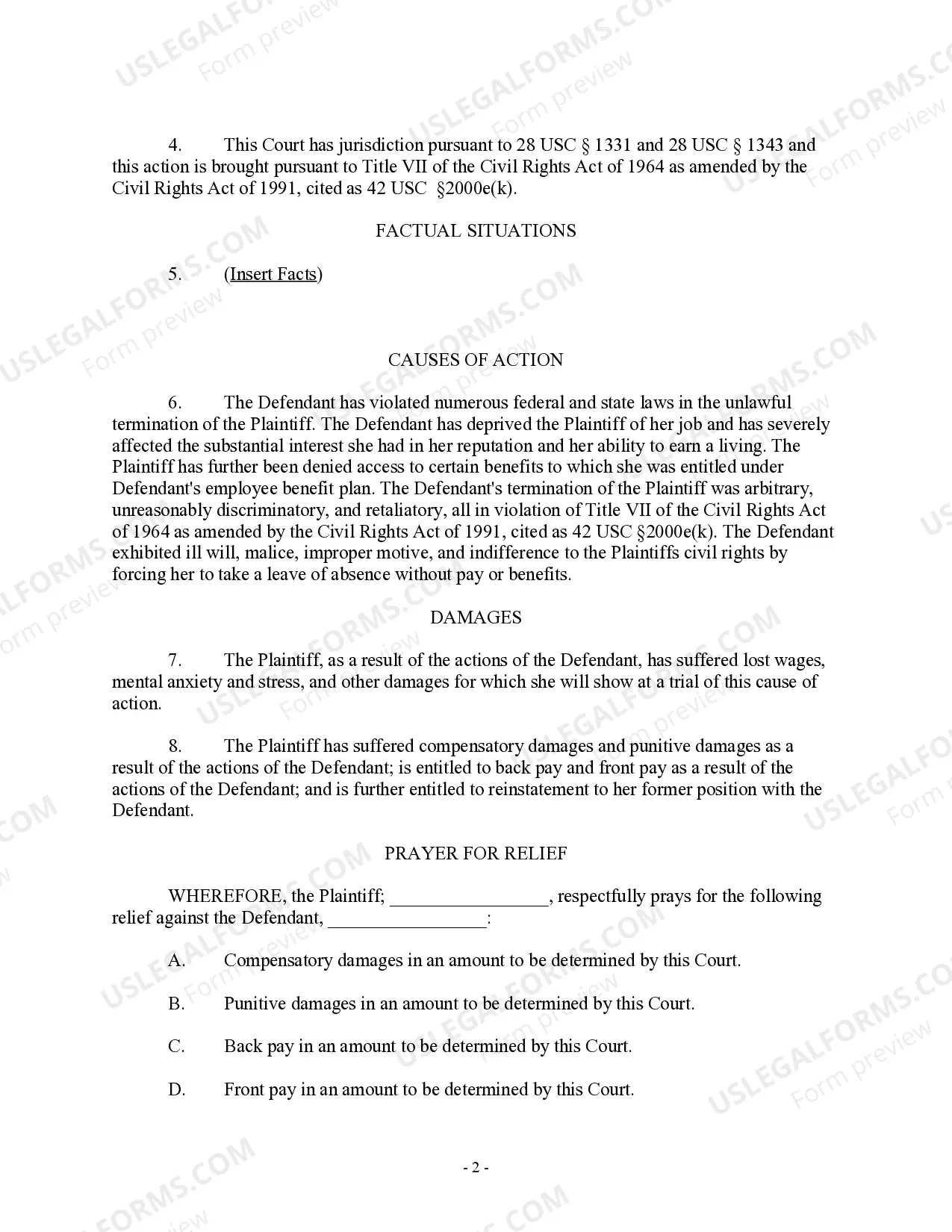
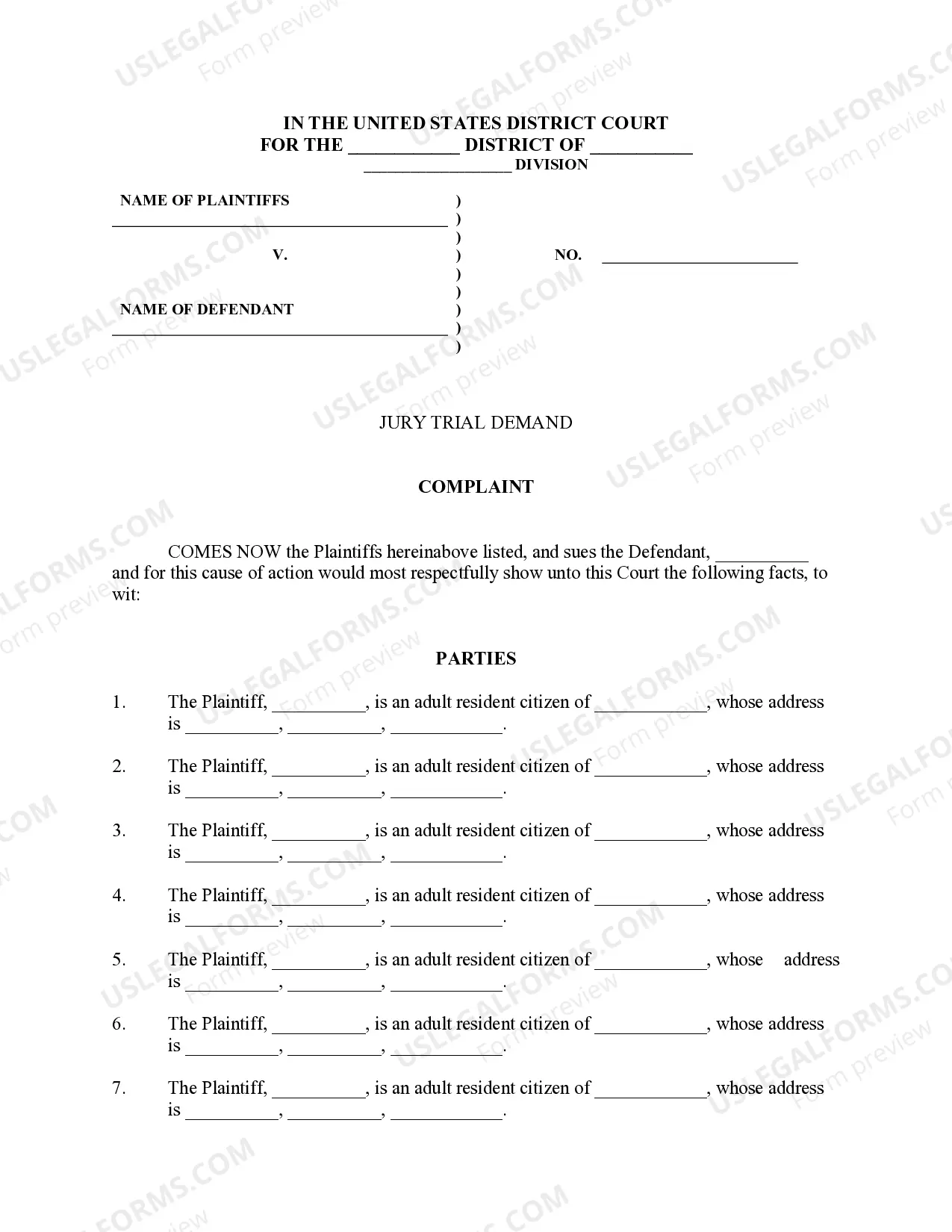
This is a multi-state form covering the subject matter of the title.
Demand For Trial Authorizations In Wayne
State:
Multi-State
Category:
County:
Wayne
Control #:
US-000291
Format:
Word;
Rich Text
99 downloads
Description
Free preview





Get your form ready online
Our built-in tools help you complete, sign, share, and store your documents in one place.
Built-in online Word editor
Make edits, fill in missing information, and update formatting in US Legal Forms—just like you would in MS Word.
Export easily
Download a copy, print it, send it by email, or mail it via USPS—whatever works best for your next step.
E-sign your document
Sign and collect signatures with our SignNow integration. Send to multiple recipients, set reminders, and more. Go Premium to unlock E-Sign.
Notarize online 24/7
If this form requires notarization, complete it online through a secure video call—no need to meet a notary in person or wait for an appointment.
Store your document securely
We protect your documents and personal data by following strict security and privacy standards.

Make edits, fill in missing information, and update formatting in US Legal Forms—just like you would in MS Word.

Download a copy, print it, send it by email, or mail it via USPS—whatever works best for your next step.

Sign and collect signatures with our SignNow integration. Send to multiple recipients, set reminders, and more. Go Premium to unlock E-Sign.

If this form requires notarization, complete it online through a secure video call—no need to meet a notary in person or wait for an appointment.

We protect your documents and personal data by following strict security and privacy standards.
Looking for another form?



Form popularity
FAQ
The other party might not respond, or s/he could file a “motion to compel discovery.” A motion to compel discovery is a written request to the judge in which the party seeking discovery asks the judge to issue an order requiring that the other party turns over the requested documents by a certain date or face certain ...
Discovery, in the law of common law jurisdictions, is a phase of pretrial procedure in a lawsuit in which each party, through the law of civil procedure, can obtain evidence from other parties.
If a settlement can't be reached, a “Note of Issue” is filed, which tells the court that the case is ready to go on the trial calendar. After the Note of Issue is filed, you enter the pre-trial stage.
The Benefits of Discovery for Both Plaintiffs and Defendants Allows attorneys on both sides to determine what facts, evidence, and other information are available. Helps plaintiffs and defendants understand the legal issues at play in the case and better prepare for trial.
“At the conclusion of other discovery and at least 30 days prior the discovery cut-off date,” parties may serve contention interrogatories (Comm'l Div. Rule 11-ad). Requests for admission are unlimited and can be served up to 20 days before trial; responses are due within 20 days (CPLR Section 3123a).
Without evidence, there is no criminal case and no conviction. There are many types of evidence that all seek to prove different things in cases. One commonly used form of evidence in criminal and other cases is circumstantial evidence. In fact, most of the evidence used in criminal cases is circumstantial.
Generally, the prosecution must provide discovery within a set period after the defense's formal request, often ranging from a few weeks to several months. Evidence should be available to the defense either at the preliminary hearing or after the accused has been indicted by a grand jury.
The length of the discovery phase varies depending on the case's complexity, the amount of evidence to be collected, and the level of cooperation between the parties. In personal injury cases, the discovery process can last anywhere from a few months to over a year.
However, most personal injury cases settle before trial. Instead, they may offer the settlement well after the trial starts. This typically happens after discovery, but it may even happen after the jury reaches a verdict.