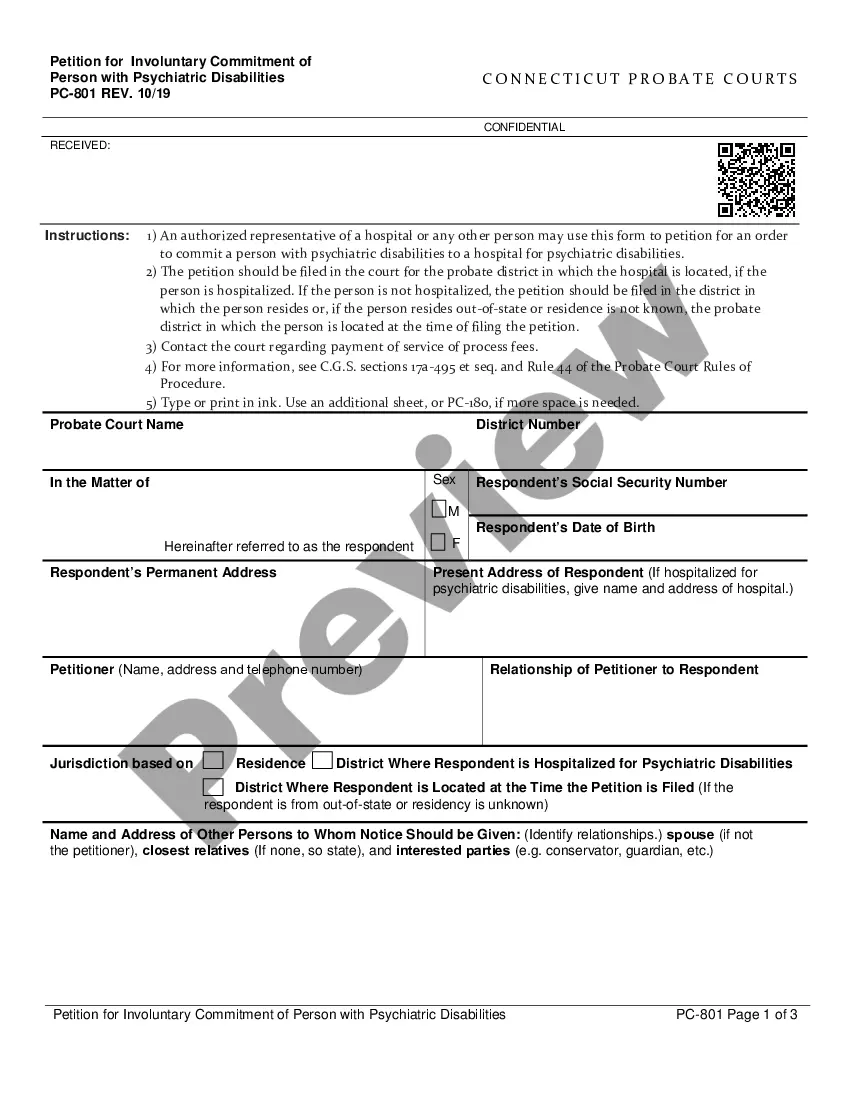
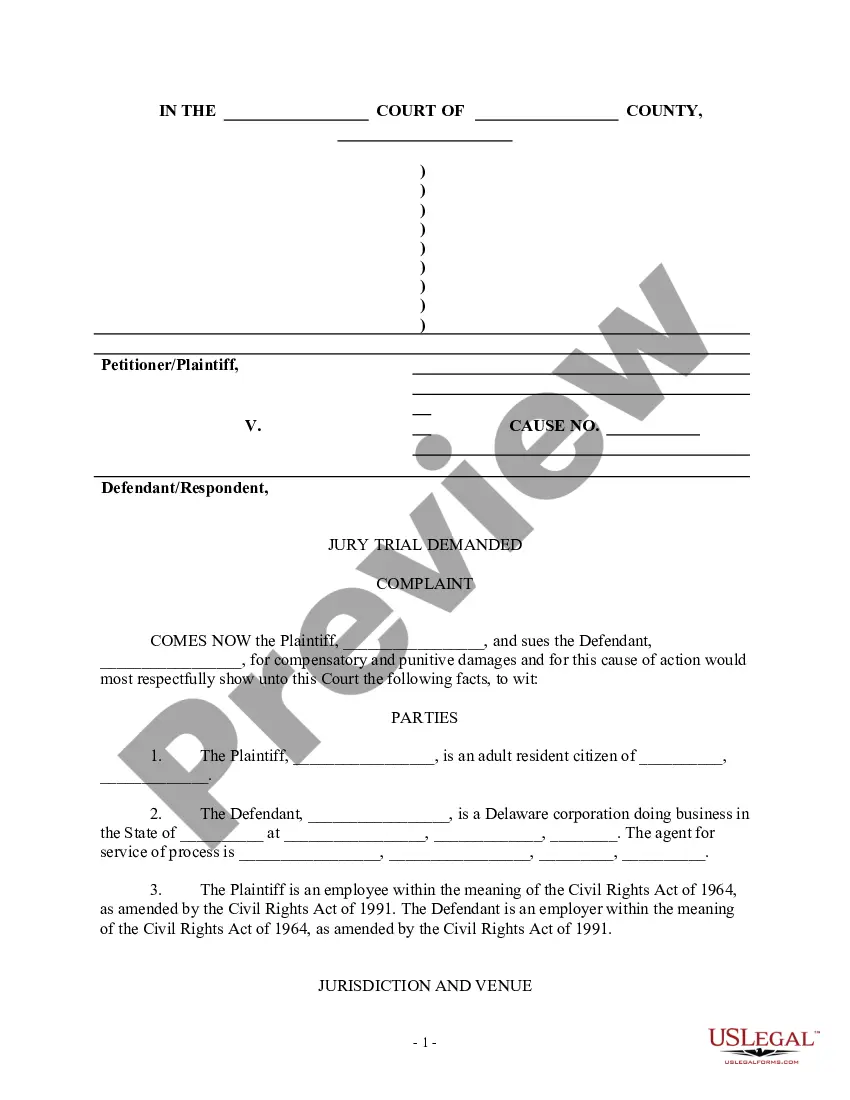
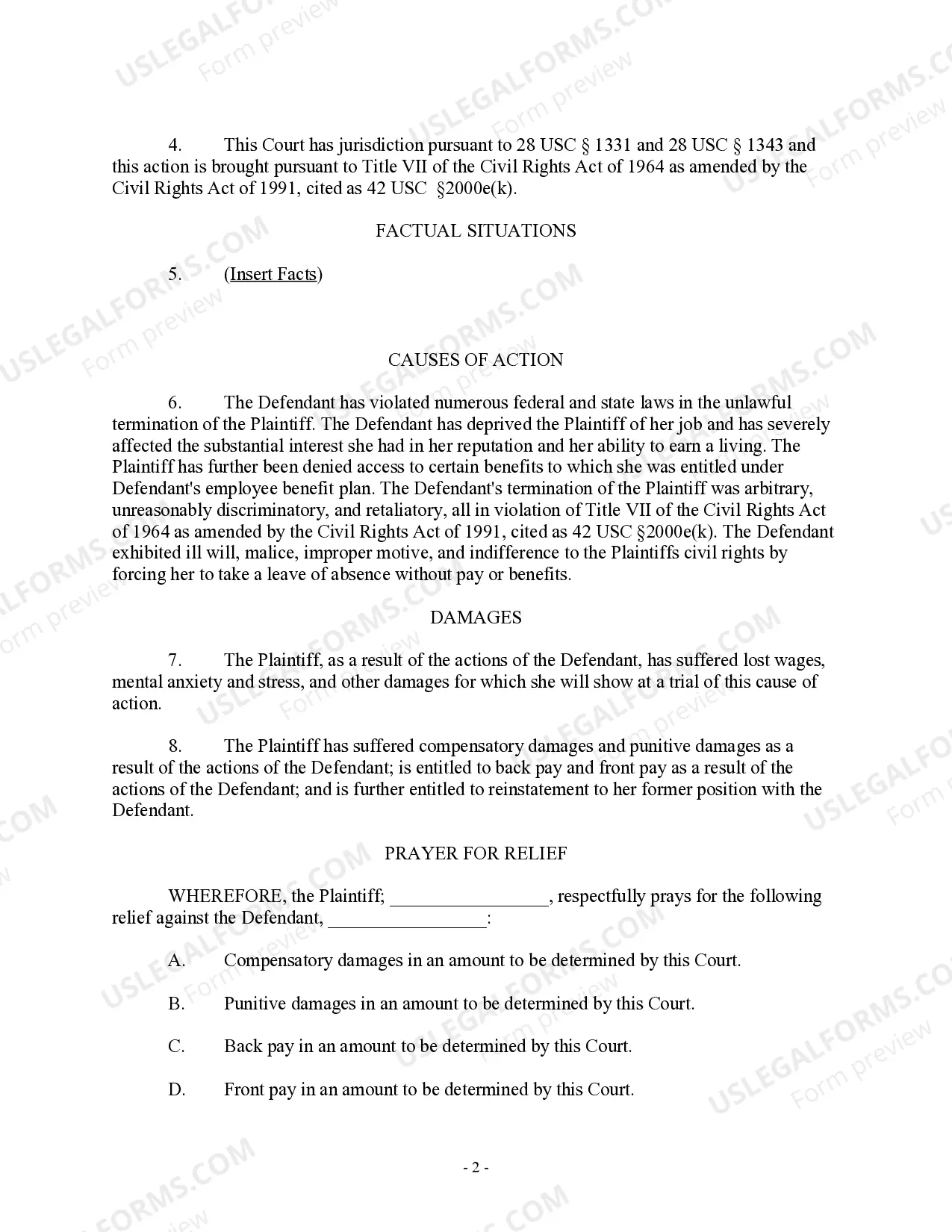
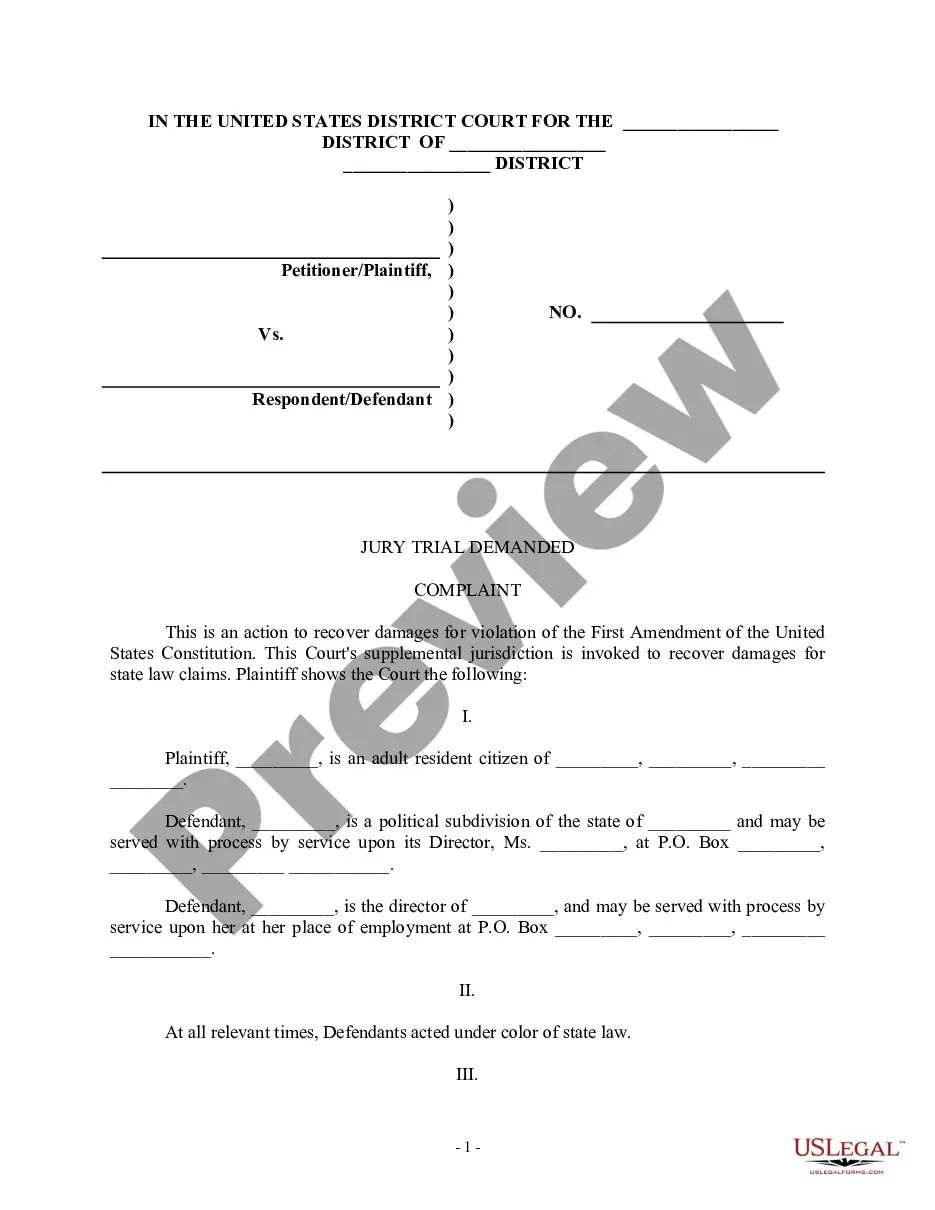
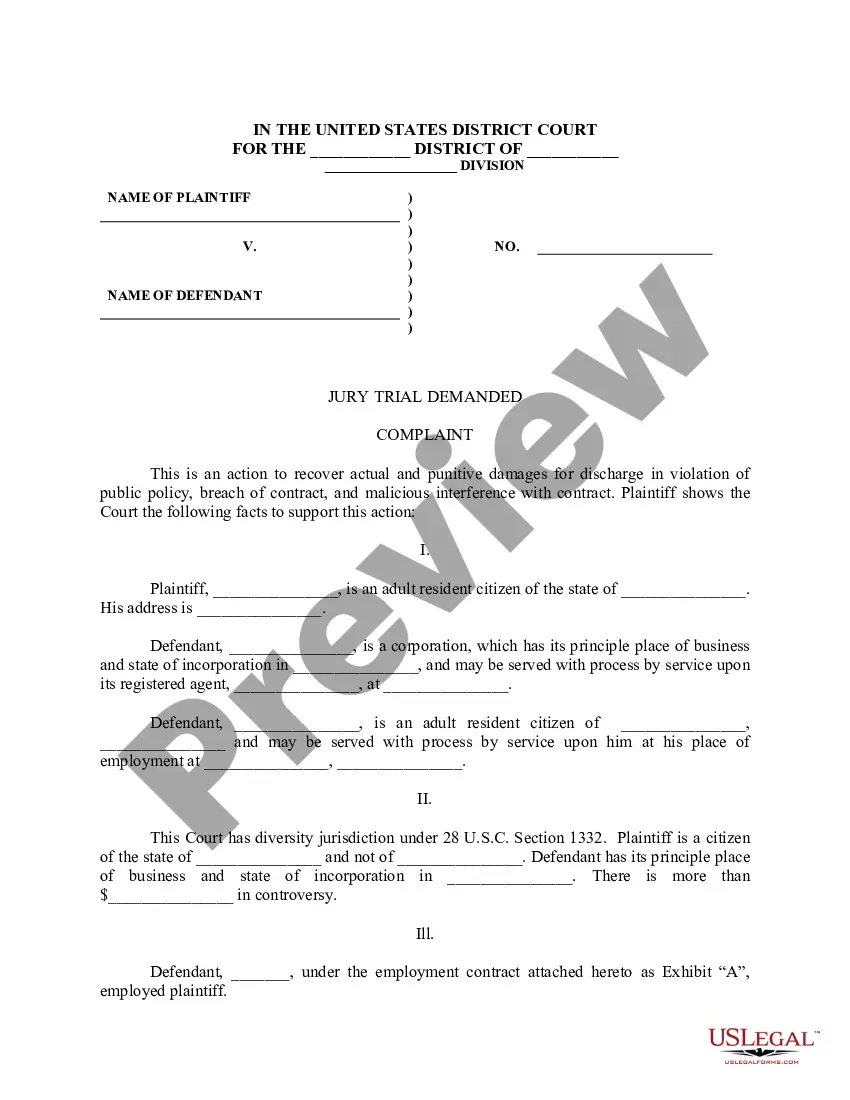
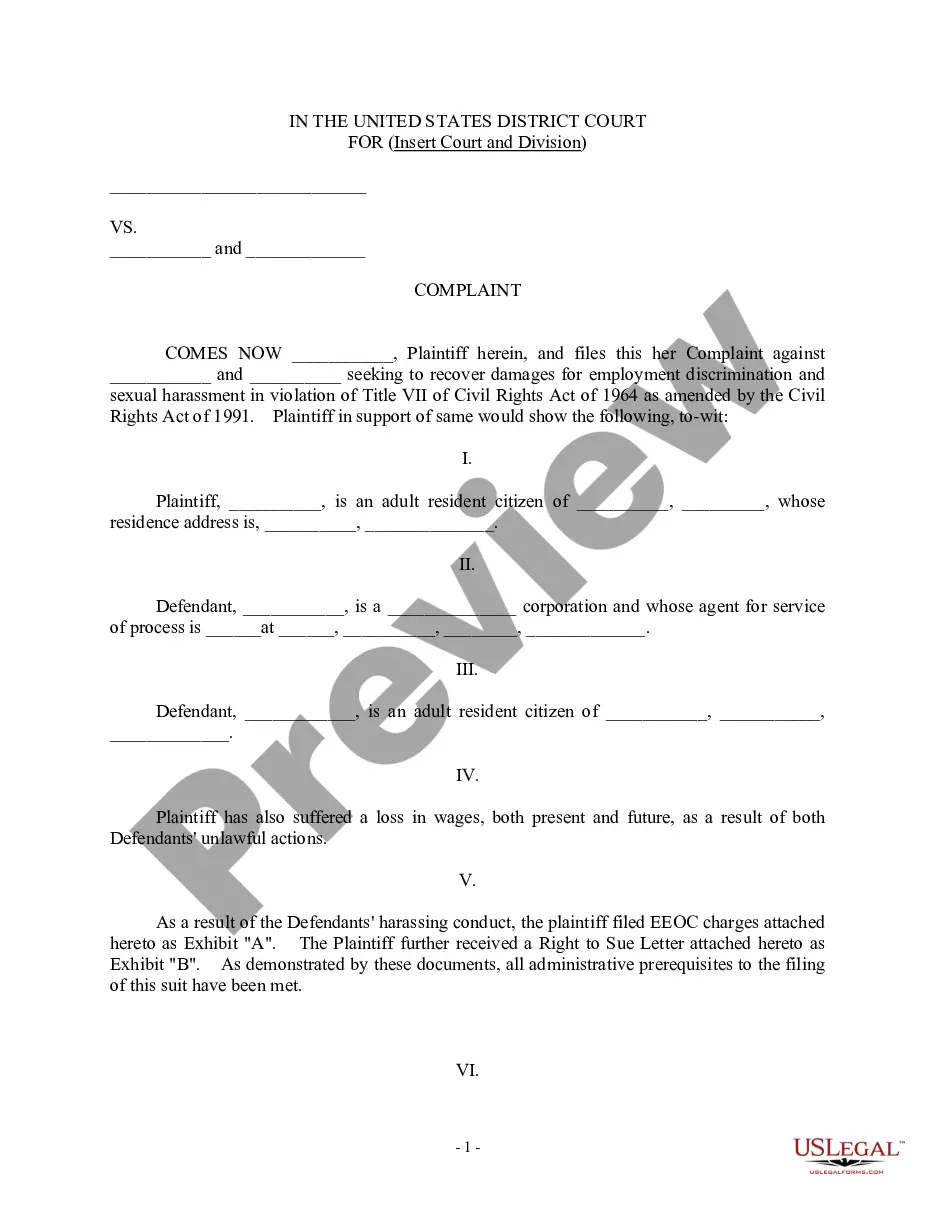
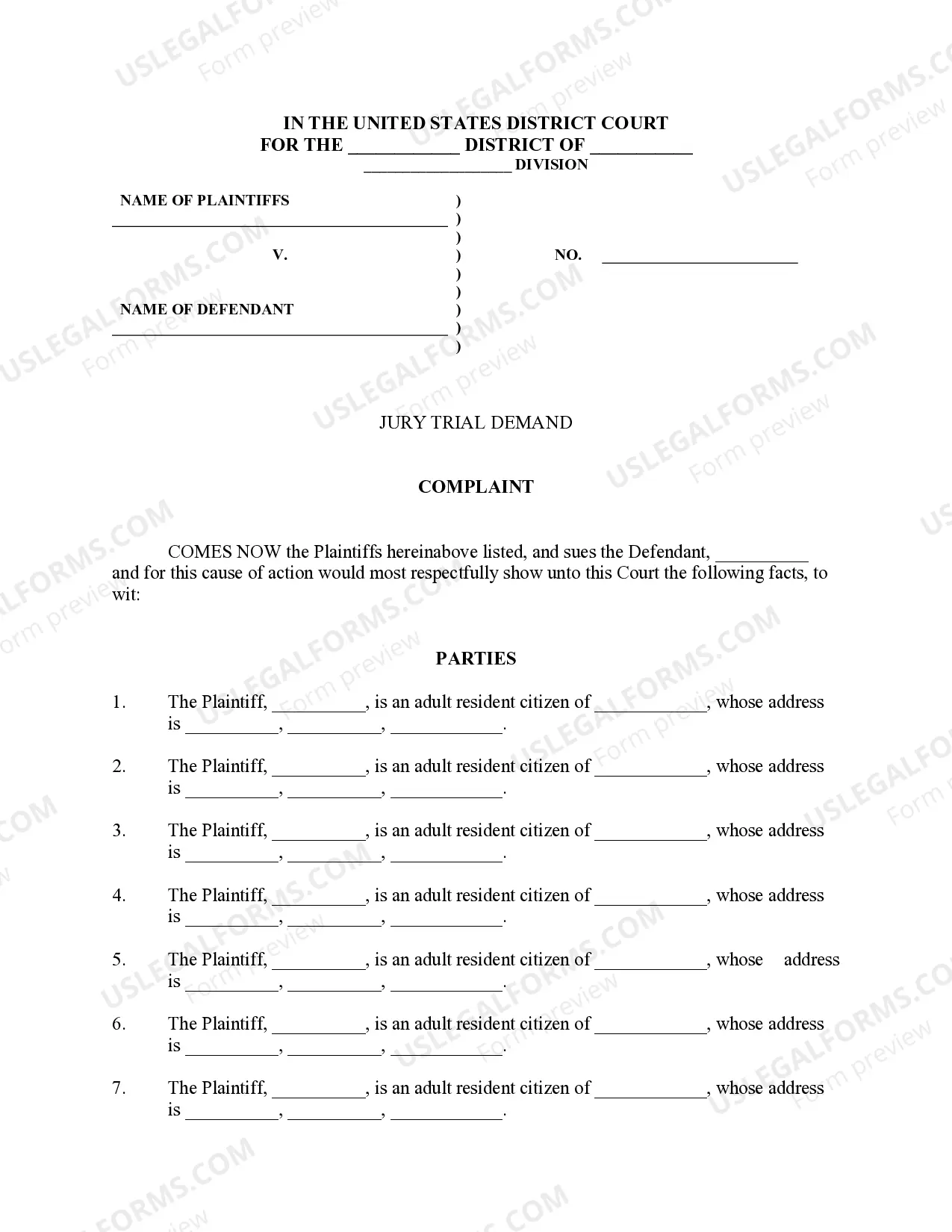
This is a multi-state form covering the subject matter of the title.
Human Rights Court In India Upsc In Utah
State:
Multi-State
Category:
Control #:
US-000291
Format:
Word;
Rich Text
93 downloads
Description
Free preview
Get your form ready online
Our built-in tools help you complete, sign, share, and store your documents in one place.
Built-in online Word editor
Make edits, fill in missing information, and update formatting in US Legal Forms—just like you would in MS Word.
Export easily
Download a copy, print it, send it by email, or mail it via USPS—whatever works best for your next step.
E-sign your document
Sign and collect signatures with our SignNow integration. Send to multiple recipients, set reminders, and more. Go Premium to unlock E-Sign.
Notarize online 24/7
If this form requires notarization, complete it online through a secure video call—no need to meet a notary in person or wait for an appointment.
Store your document securely
We protect your documents and personal data by following strict security and privacy standards.

Make edits, fill in missing information, and update formatting in US Legal Forms—just like you would in MS Word.

Download a copy, print it, send it by email, or mail it via USPS—whatever works best for your next step.

Sign and collect signatures with our SignNow integration. Send to multiple recipients, set reminders, and more. Go Premium to unlock E-Sign.

If this form requires notarization, complete it online through a secure video call—no need to meet a notary in person or wait for an appointment.

We protect your documents and personal data by following strict security and privacy standards.
Looking for another form?
Form popularity
FAQ
Small Claims court is less formal, and you do not need an attorney to represent you. The filing fees are due at the time you file the affidavit.
Small claims court is worth it when you know you are deterring someone from potentially harming others the same way they harmed you. You may also want to help others determine whether to do business with that person or corporation in the future, as court decisions are part of the public record.
Sessions Court of the district concerned is considered as the Human Rights Court.
A: It usually takes at least 45 days to get a judgment in Small Claims Court. The plaintiff files an affidavit with the court clerk. The clerk schedules a hearing and writes that date on the plaintiff's affidavit. Then the affidavit with that hearing date must be served on the defendant.
Utah Code Annotated §78A-2-301;Filing Fees - Effective July 1, 2023 Type of Filing, Action, or ServiceSubsectionFee Greater than $2,000 and less than $7,500 Subsection (1)(c)(ii) $100.00 $7,500 up to $15,000 Subsection (1)(c)(iii) $185.00 Small Claims Counter Affidavit $2,000 or less Subsection (1)(e)(i) $50.0058 more rows
Both Civil and Criminal cases can be filed before any High Court and District Court of the country wherever the e-Filing system is adopted as on date.
The three most common civil cases are tort claims, contract breaches and landlord/tenant issues. Tort Claim - An act committed by one person that causes harm to another. Tort cases can take many different forms, and can relate to a person's personal safety, safety of their property, and financial security.
Both Civil and Criminal cases can be filed before any High Court or District Court of the country.