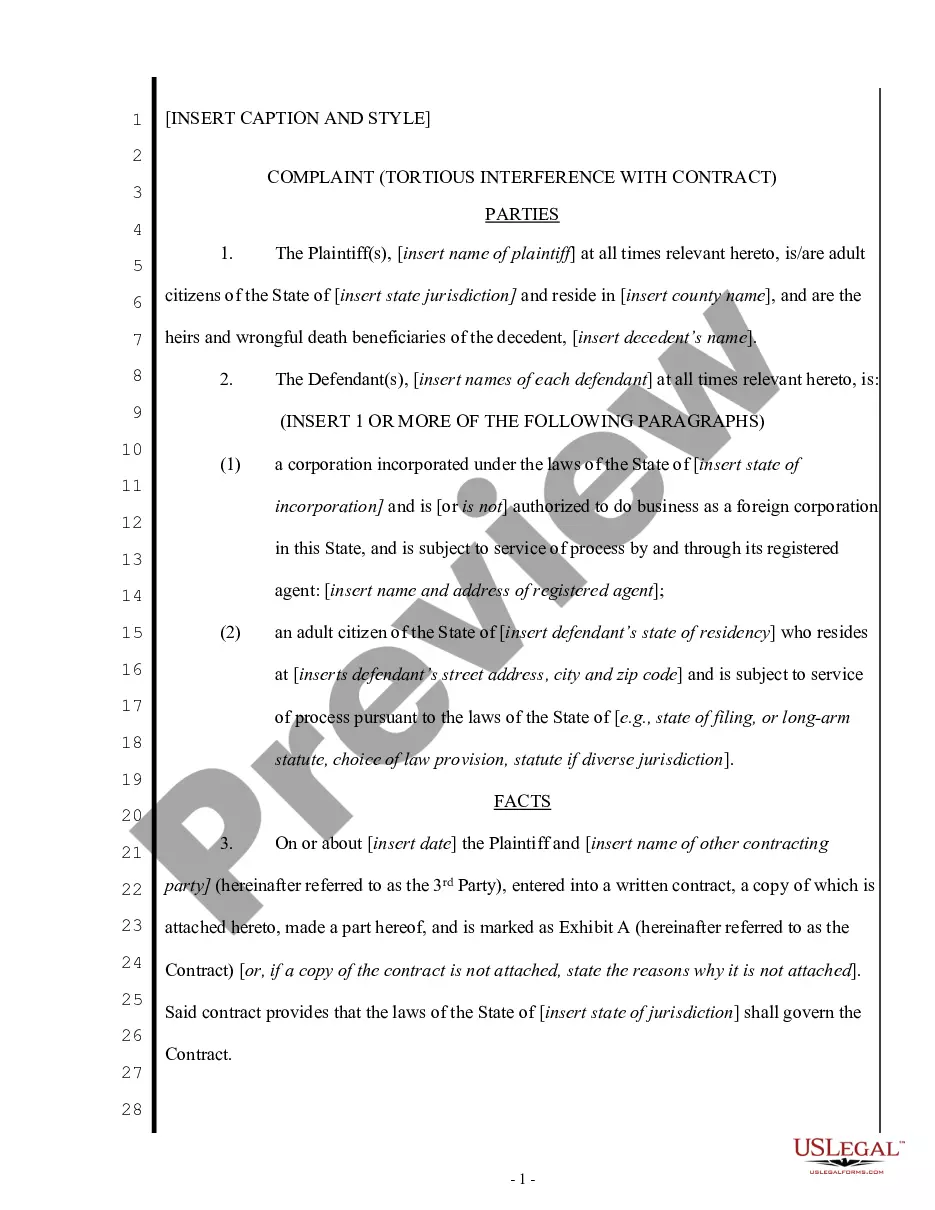
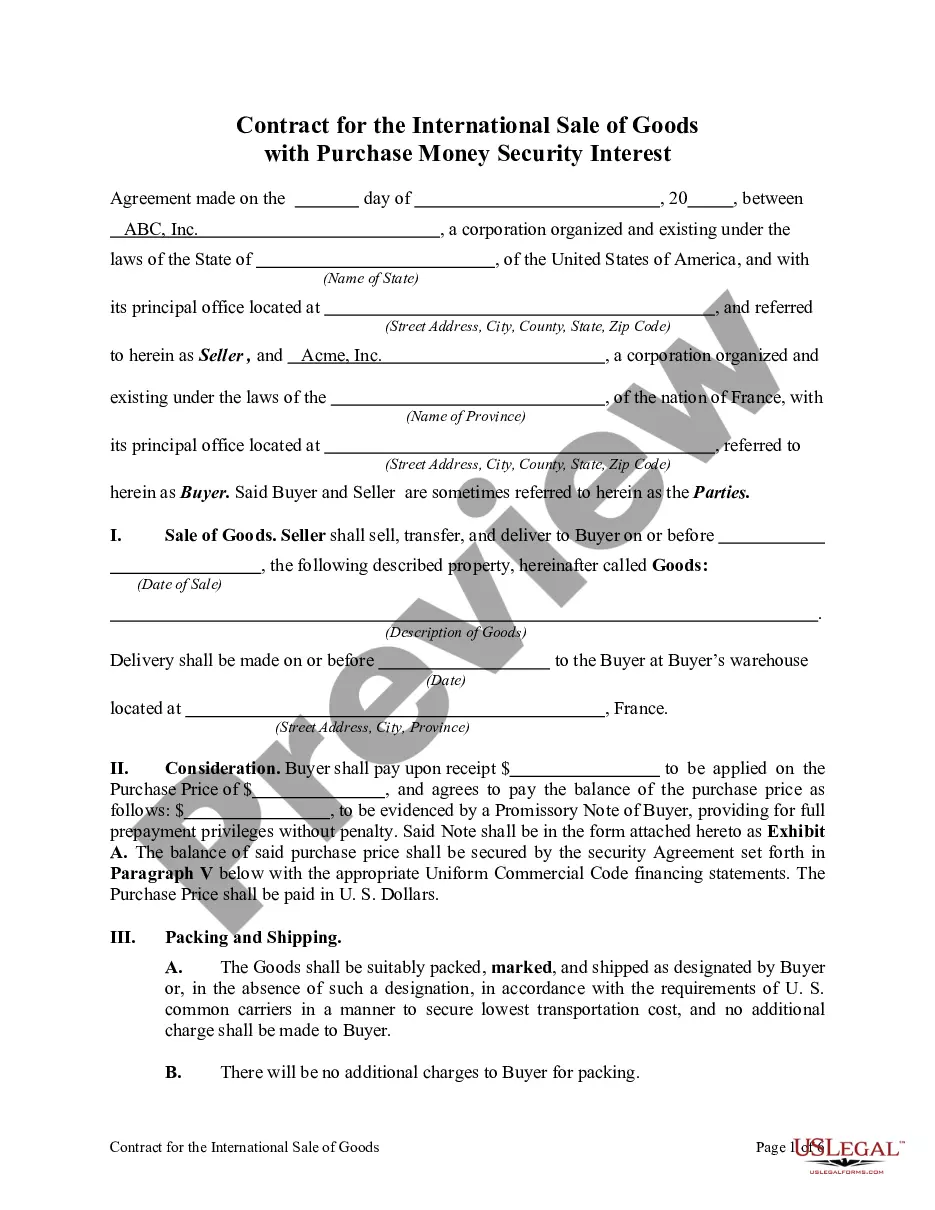
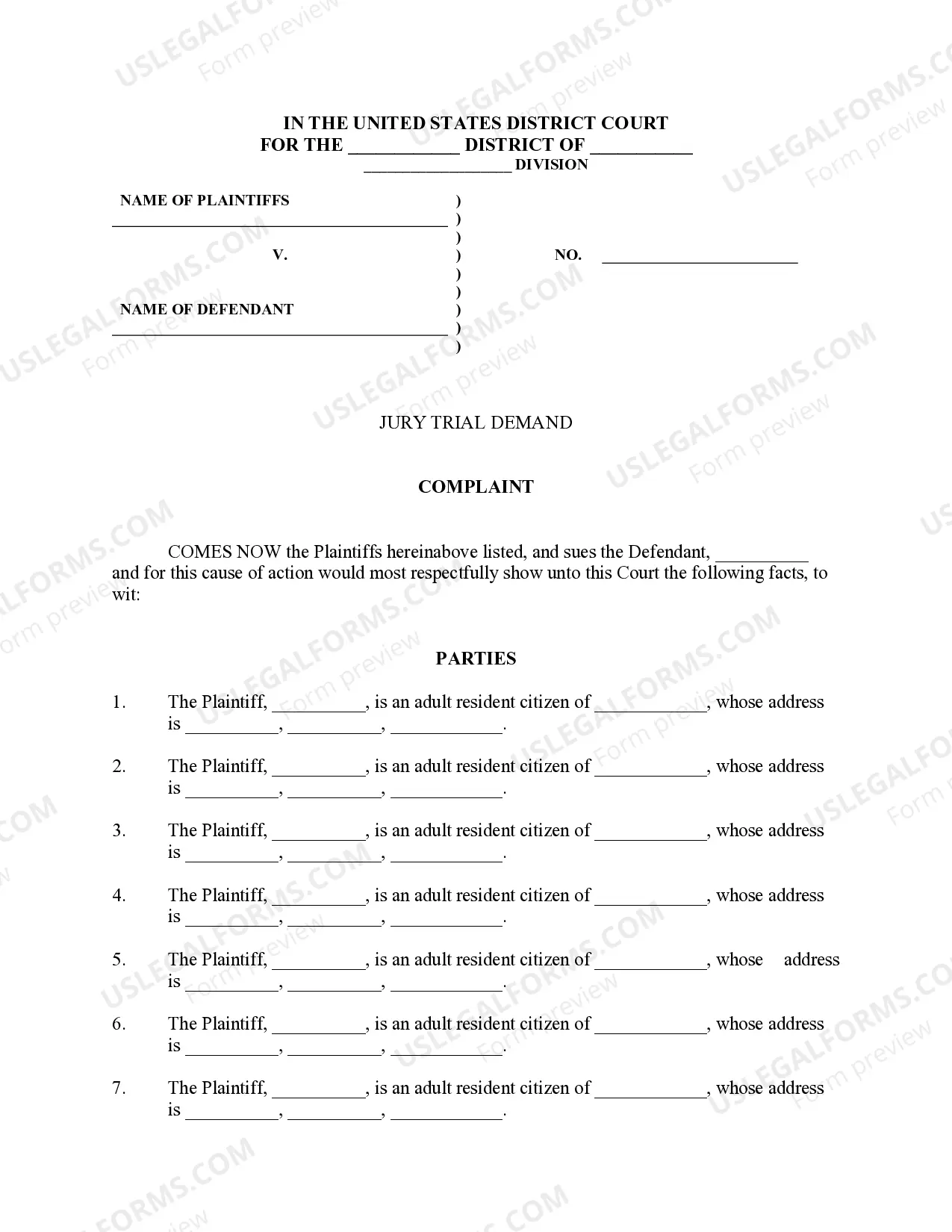
This is a multi-state form covering the subject matter of the title.
Wrongful Termination Court For False Accusations In Travis
Category:
State:
Multi-State
County:
Travis
Control #:
US-000291
Format:
Word;
Rich Text
Instant download
Description
Free preview

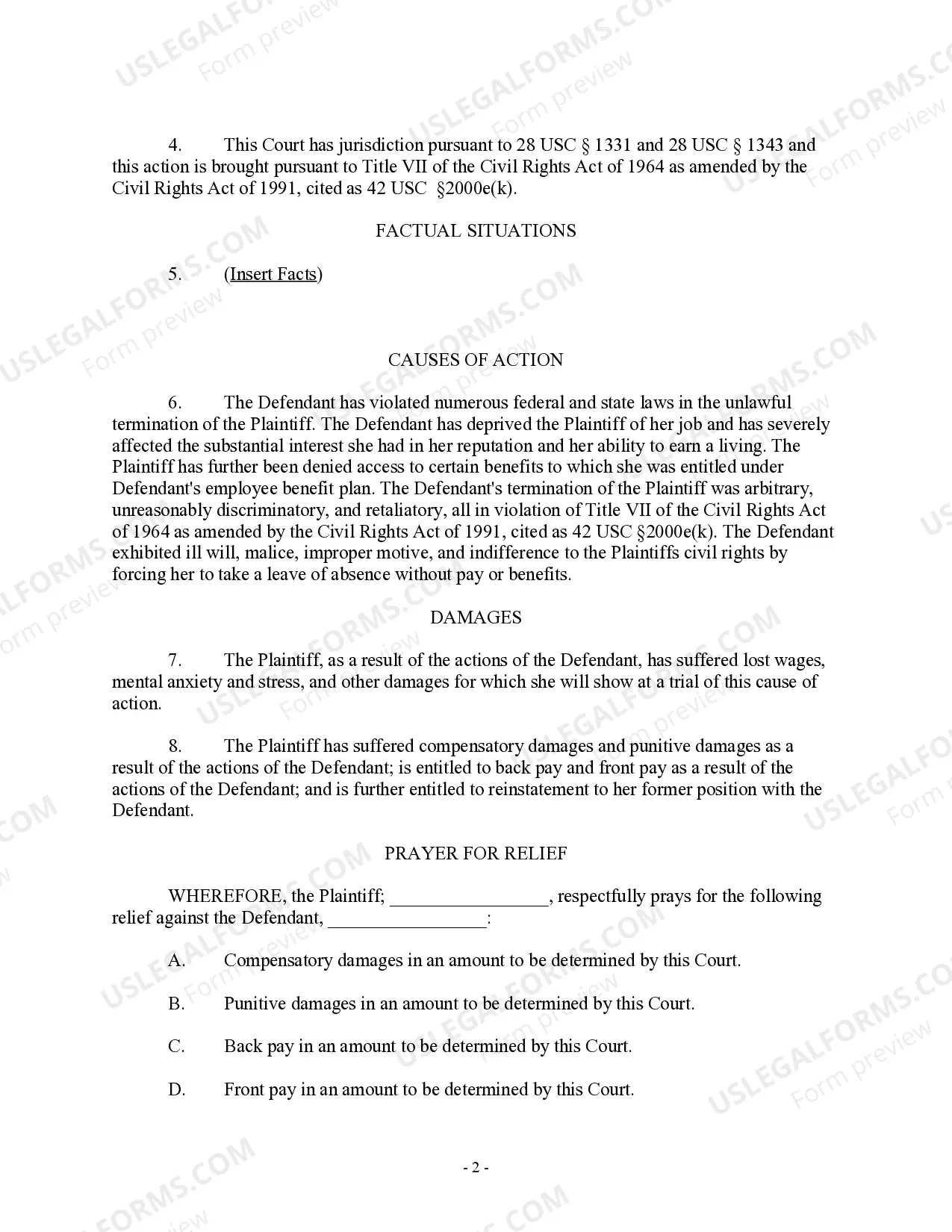
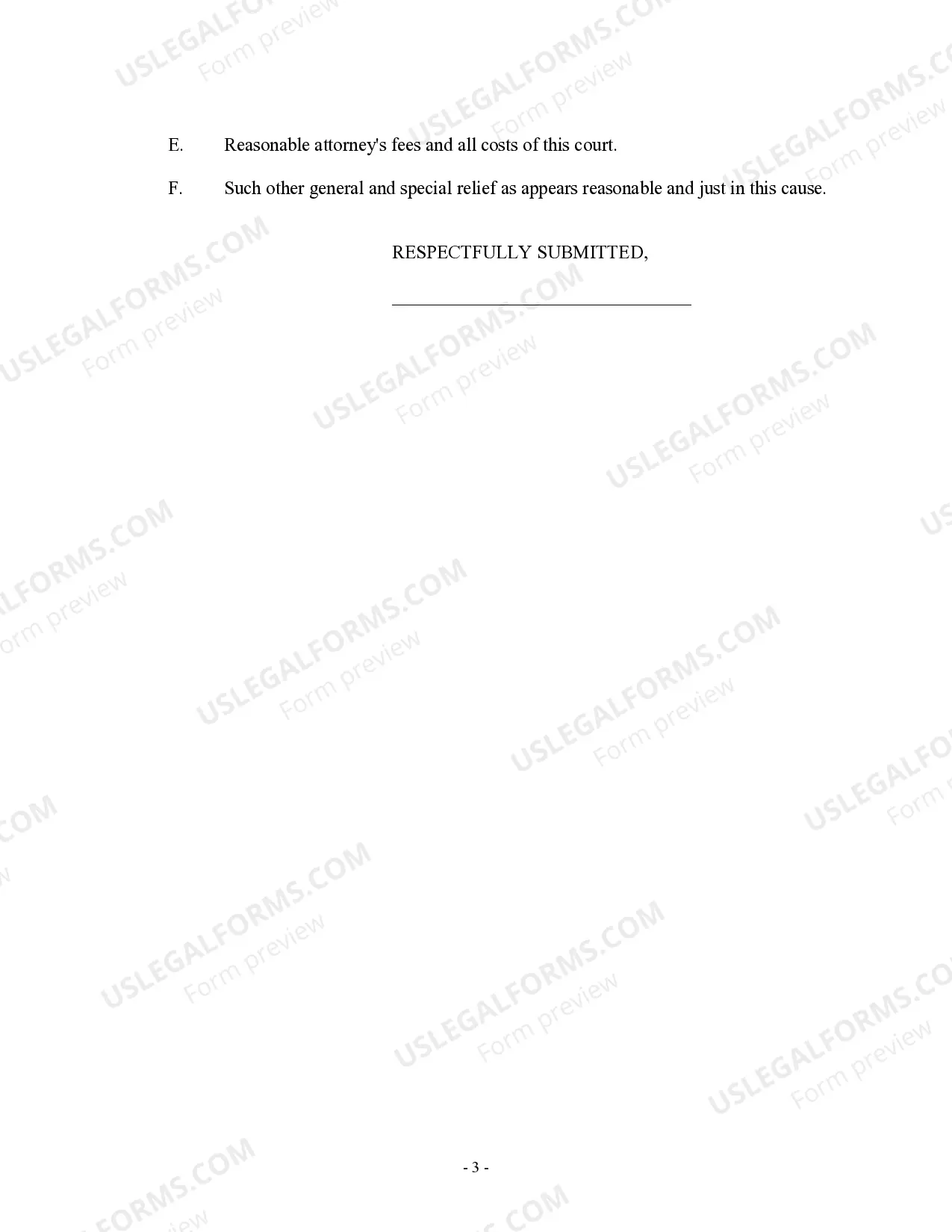



Get your form ready online
Our built-in tools help you complete, sign, share, and store your documents in one place.
Built-in online Word editor
Make edits, fill in missing information, and update formatting in US Legal Forms—just like you would in MS Word.
Export easily
Download a copy, print it, send it by email, or mail it via USPS—whatever works best for your next step.
E-sign your document
Sign and collect signatures with our SignNow integration. Send to multiple recipients, set reminders, and more. Go Premium to unlock E-Sign.
Notarize online 24/7
If this form requires notarization, complete it online through a secure video call—no need to meet a notary in person or wait for an appointment.
Store your document securely
We protect your documents and personal data by following strict security and privacy standards.

Make edits, fill in missing information, and update formatting in US Legal Forms—just like you would in MS Word.

Download a copy, print it, send it by email, or mail it via USPS—whatever works best for your next step.

Sign and collect signatures with our SignNow integration. Send to multiple recipients, set reminders, and more. Go Premium to unlock E-Sign.

If this form requires notarization, complete it online through a secure video call—no need to meet a notary in person or wait for an appointment.

We protect your documents and personal data by following strict security and privacy standards.
Looking for another form?







Form popularity
FAQ
Can I Sue for a Wrongful Termination Due to False Accusations? If your employer fired you for an illegal reason or violated US labor laws in any way that led to your firing, you have the right to pursue a claim for wrongful termination.
If someone is terminated as a result of a false accusation, it may be considered wrongful termination if things like discrimination and retaliation are involved. The Equal Employment Opportunity Commission oversees employment laws and matters of wrongful termination.
The Equal Employment Opportunity Commission oversees employment laws and matters of wrongful termination. A claim can be filed with them directly and they will investigate the matter. They may find a resolution themselves, or they may issue a “Right to Sue” letter, after which a lawsuit can be filed.
When you have a lawyer for a wrongful termination case the likelihood of receiving compensation is 64% and the likelihood of receiving compensation without a lawyer is 30%.
An employer can sue an employee for defamation in the same way that they would sue any other individual damaging their reputation. For example, a disgruntled employee might publicly speak about their experiences while working at a specific company, perhaps raising issues that paint the company in a negative light.
You can sue an employer for firing you under false accusations if the termination violates your employment contract, discriminates against protected classes, or is considered retaliatory under labor laws. Document the accusations and seek legal counsel to determine if wrongful termination laws apply in your case.
Yes. In California, making false accusations is a crime and can lead to serious legal consequences. Under Penal Code Section 148.5 , it is a misdemeanor to falsely report a crime to law enforcement.
Defending Yourself Against False Accusations at Work Remain Calm and Be Professional. Talk to a Lawyer. Contact HR. Get the Details of the Complaint. Gather Evidence. Find Witnesses and Present Evidence. Be Honest and Cooperate with Any Investigations. Avoid Your Accuser.
In order to prove wrongful termination, it is important to ensure that you have written documentation of statements and other evidence that you might be able to use during the case. This may be something as simple as a derogatory comment from your employer.
Yes, technically you can sue someone for making an knowingly false statement of past or present fact to another that so harms your reputation so as to get you fired. However, in your situation it is highly unlikely that such an action would be a prudent move.