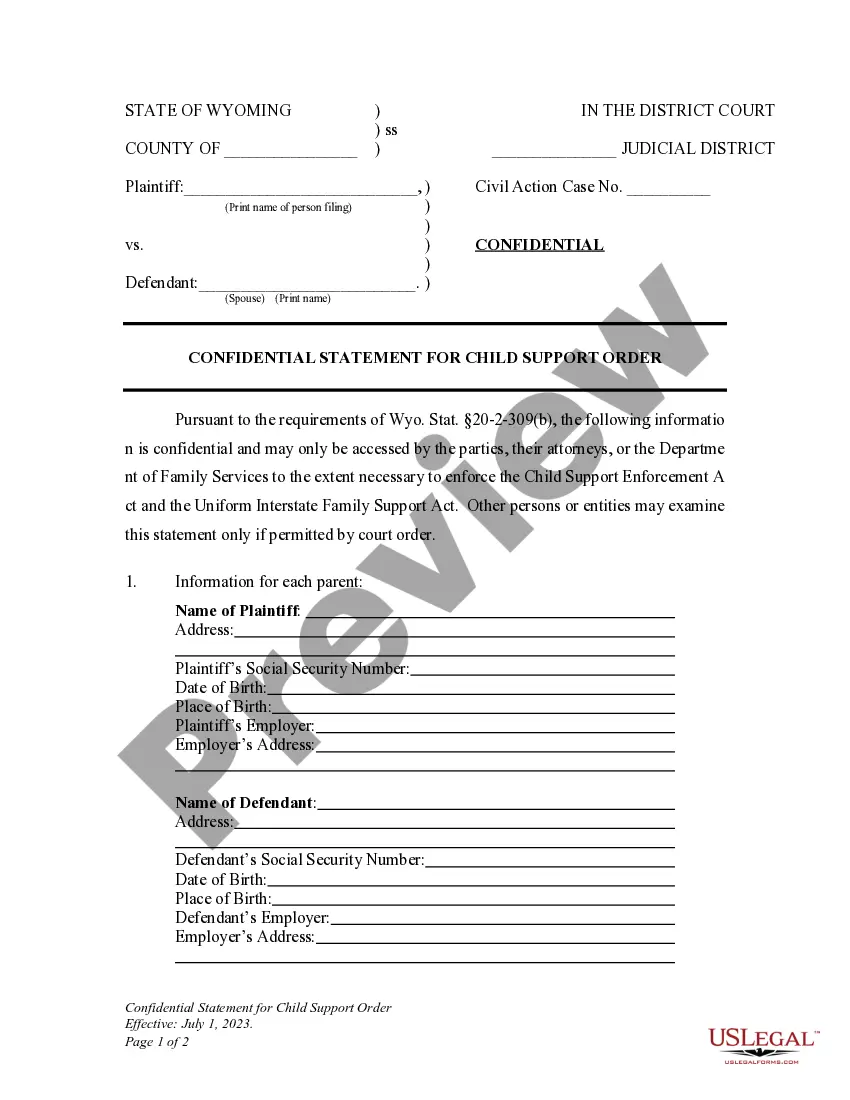
This is a multi-state form covering the subject matter of the title.
Pregnant With Discrimination In Texas
Category:
State:
Multi-State
Control #:
US-000291
Format:
Word;
Rich Text
Instant download
Description
Free preview





Get your form ready online
Our built-in tools help you complete, sign, share, and store your documents in one place.
Built-in online Word editor
Make edits, fill in missing information, and update formatting in US Legal Forms—just like you would in MS Word.
Export easily
Download a copy, print it, send it by email, or mail it via USPS—whatever works best for your next step.
E-sign your document
Sign and collect signatures with our SignNow integration. Send to multiple recipients, set reminders, and more. Go Premium to unlock E-Sign.
Notarize online 24/7
If this form requires notarization, complete it online through a secure video call—no need to meet a notary in person or wait for an appointment.
Store your document securely
We protect your documents and personal data by following strict security and privacy standards.

Make edits, fill in missing information, and update formatting in US Legal Forms—just like you would in MS Word.

Download a copy, print it, send it by email, or mail it via USPS—whatever works best for your next step.

Sign and collect signatures with our SignNow integration. Send to multiple recipients, set reminders, and more. Go Premium to unlock E-Sign.

If this form requires notarization, complete it online through a secure video call—no need to meet a notary in person or wait for an appointment.

We protect your documents and personal data by following strict security and privacy standards.
Looking for another form?








Form popularity
FAQ
Signs You Should Stop Working When Pregnant Abdominal pain, cramping or pressure. Watery, bloody or other vaginal discharge. Increased discharge of any kind. Back pain. Regular or frequent contractions, whether they're painful or not. Water breaking.
As reviewed in the evidence above, working more than 55.5 hours a week had a 10% increase in the odds of having a preterm birth (Cai et al., 2019). No current recommendation or guideline recommends working more than 40 hours a week in pregnancy, but you could choose to work more than 40 hours a week.
Unwanted touching, commonly of a pregnant woman's stomach. Resentful comments about a woman's pregnancy. Negative comments about the impact of a woman's impending maternity leave on the workplace, or the fact that she has been pregnant more than once while working at the same job.
Prohibitions Against Pregnancy Discrimination Federal and Texas laws prohibit pregnancy discrimination. Pregnancy discrimination can include any negative action taken against a job applicant or employee based on her pregnancy.
Increased scrutiny of your work, exclusion from meetings or decision-making processes, denial of basic accommodations like additional breaks or modified duties, and negative comments about your pregnancy or future plans to take maternity leave all contribute to a toxic work environment.
While pregnancy itself is not a disability under the ADA, some pregnant workers may have one or more impairments related to their pregnancy that qualify as a “disability” under the ADA. An employer may have to provide that worker with a reasonable accommodation for the pregnancy-related disability.
Eligible employees are entitled to 12 weeks of unpaid leave per year. Leave can be taken for the birth or adoption of a child or to care for a serious health condition affecting the employee or a family member. Leave can be continuous or intermittent, and in some cases, may begin before or after the child's birth.
In February 2024, a federal court in Texas held that the PWFA had been enacted unconstitutionally, blocking its enforcement for Texas state government employees.
Prohibitions Against Pregnancy Discrimination Federal and Texas laws prohibit pregnancy discrimination. Pregnancy discrimination can include any negative action taken against a job applicant or employee based on her pregnancy.