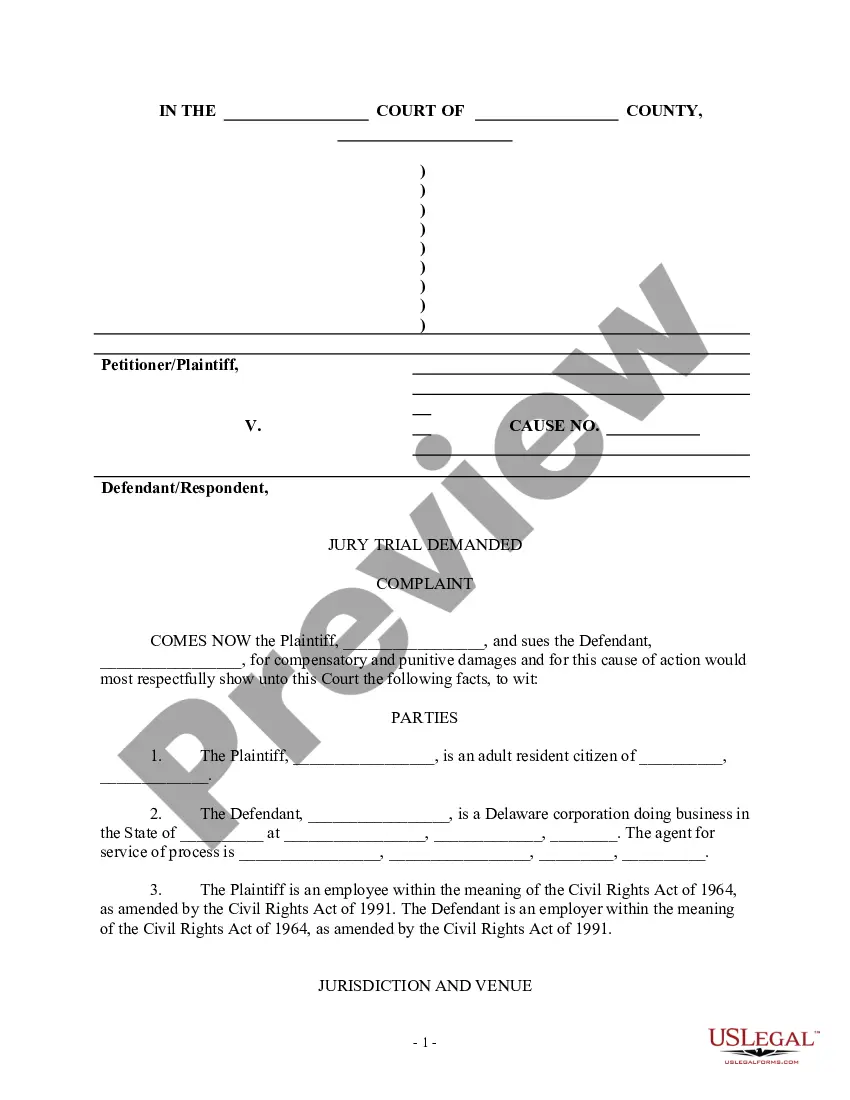
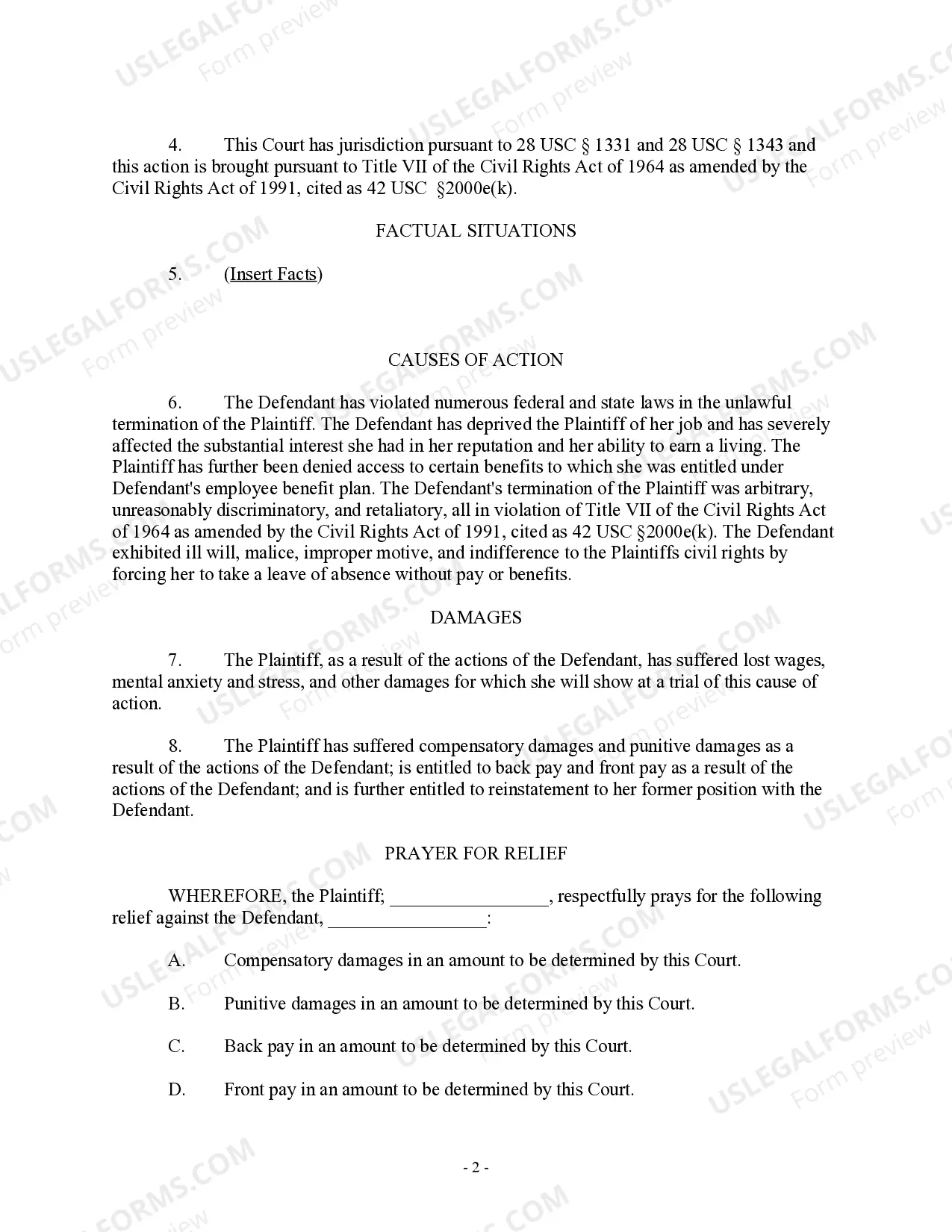
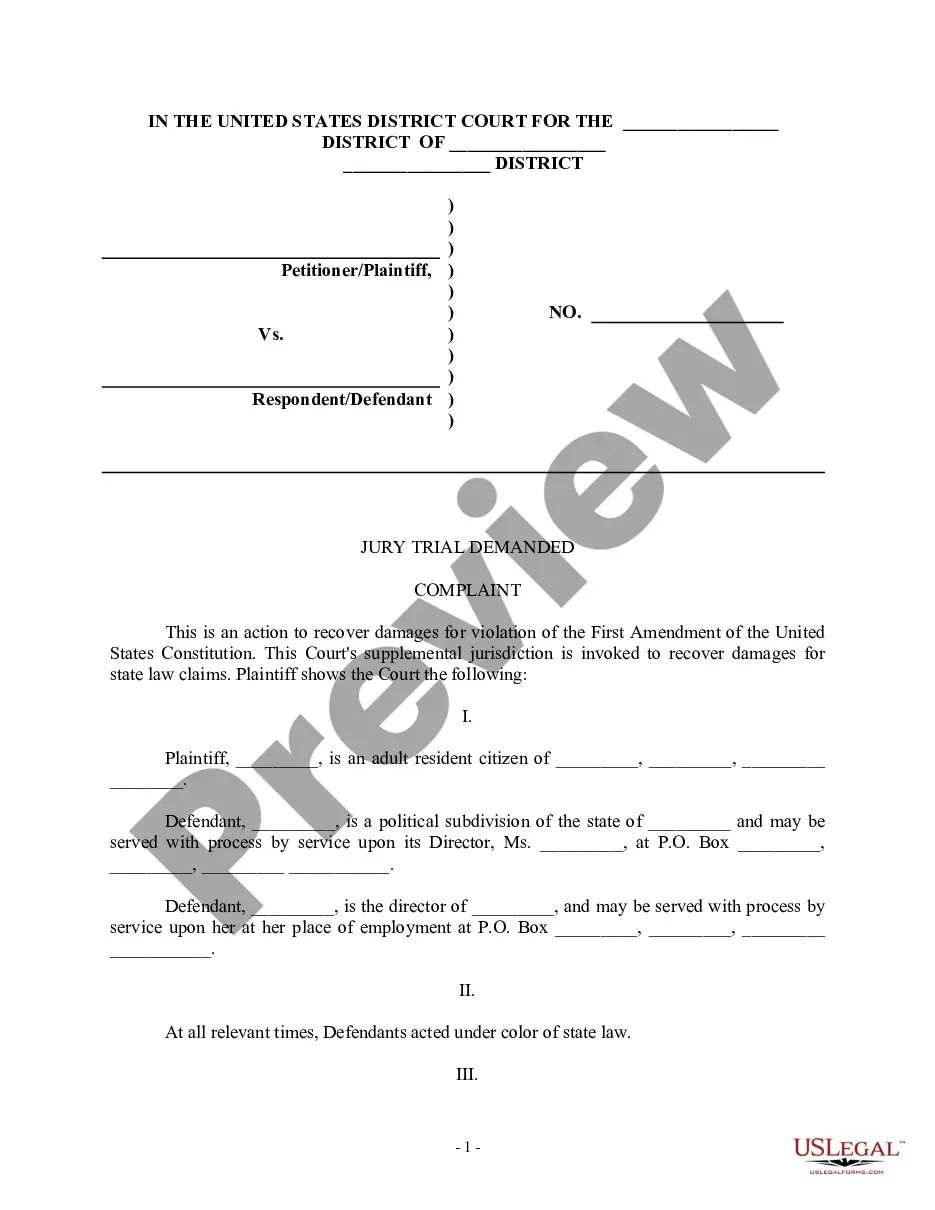
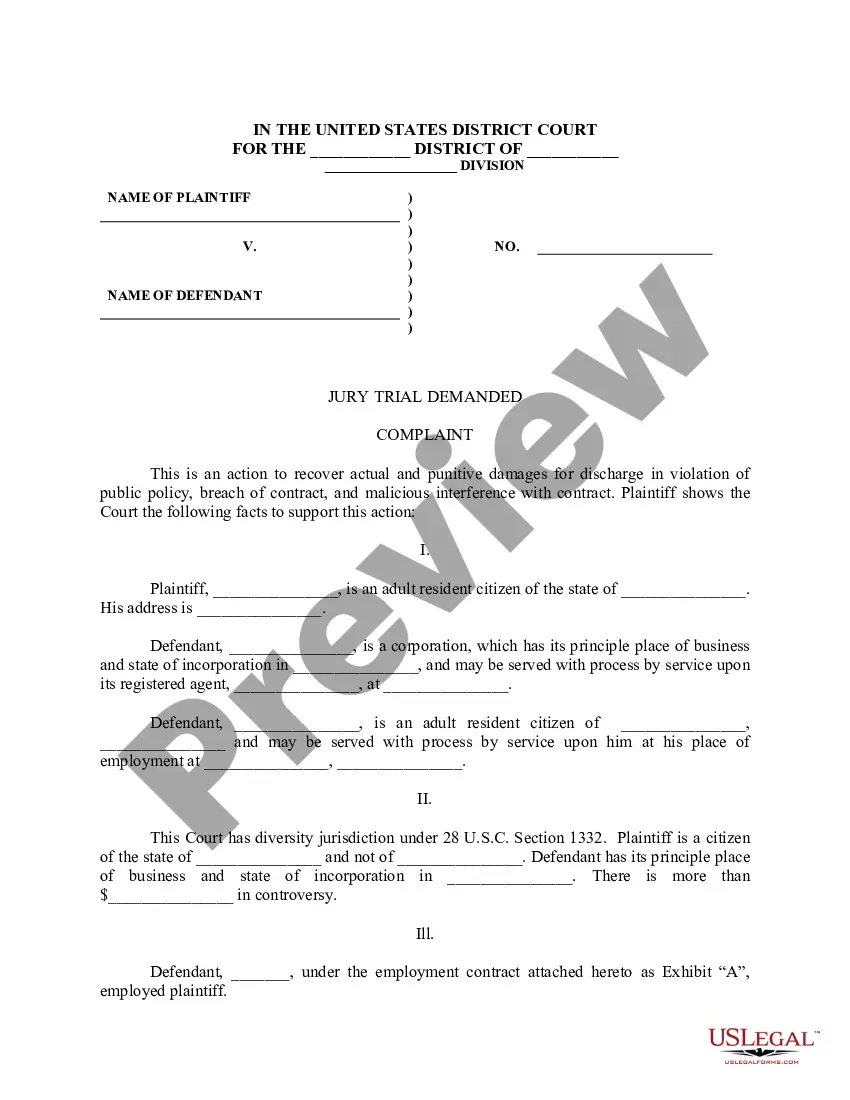
This is a multi-state form covering the subject matter of the title.
Human Rights Court In Pakistan In Texas
State:
Multi-State
Category:
Control #:
US-000291
Format:
Word;
Rich Text
93 downloads
Description
Free preview

Get your form ready online
Our built-in tools help you complete, sign, share, and store your documents in one place.
Built-in online Word editor
Make edits, fill in missing information, and update formatting in US Legal Forms—just like you would in MS Word.
Export easily
Download a copy, print it, send it by email, or mail it via USPS—whatever works best for your next step.
E-sign your document
Sign and collect signatures with our SignNow integration. Send to multiple recipients, set reminders, and more. Go Premium to unlock E-Sign.
Notarize online 24/7
If this form requires notarization, complete it online through a secure video call—no need to meet a notary in person or wait for an appointment.
Store your document securely
We protect your documents and personal data by following strict security and privacy standards.

Make edits, fill in missing information, and update formatting in US Legal Forms—just like you would in MS Word.

Download a copy, print it, send it by email, or mail it via USPS—whatever works best for your next step.

Sign and collect signatures with our SignNow integration. Send to multiple recipients, set reminders, and more. Go Premium to unlock E-Sign.

If this form requires notarization, complete it online through a secure video call—no need to meet a notary in person or wait for an appointment.

We protect your documents and personal data by following strict security and privacy standards.
Looking for another form?
Form popularity
FAQ
Please contact the Civil Rights Office to learn more. Call: 1-888-388-6332 or 512-438-4313. Email: HHSCivilRightsOffice@hhs.texas. Fax: 512-438-5885. Mail: Civil Rights Office. Health and Human Services Commission. P.O. Box 13247, Mail Code: 1560. Austin, Texas 78711.
The Texas Commission on Human Rights enforces State laws prohibiting employment and housing discrimination. Both laws are substantially equivalent to their Federal counterparts. These laws are: employment, Texas Commission on Human Rights Act; and housing, Texas Fair Housing Act.
In Texas, an employee has 300 days from the last discriminatory act to file a complaint with the EEOC. The last discriminatory act is when the alleged discrimination actually occurred, or when the employee learns of the alleged discrimination.
The answer depends on your claims and willingness to pursue litigation. If your claims are strong and you are invested in the litigation process, it can be very “worth it” to feel you are standing up for accountability, getting compensation for your injuries, and incentivizing the company to change its ways.
The HHSC Civil Rights Office must receive the complaint of discrimination within 180 days of the date the alleged discriminatory action took place.
The most common complaint involves allegations of color of law violations. Another common complaint involves racial violence, such as physical assaults, homicides, verbal or written threats, or desecration of property.
The HHSC Civil Rights Office must receive the complaint of discrimination within 180 days of the date the alleged discriminatory action took place. When filing a discrimination complaint, include the following: Your name, address, phone number, or other way we can reach you.
To begin a civil lawsuit in federal court, the plaintiff files a complaint with the court and “serves” a copy of the complaint on the defendant.