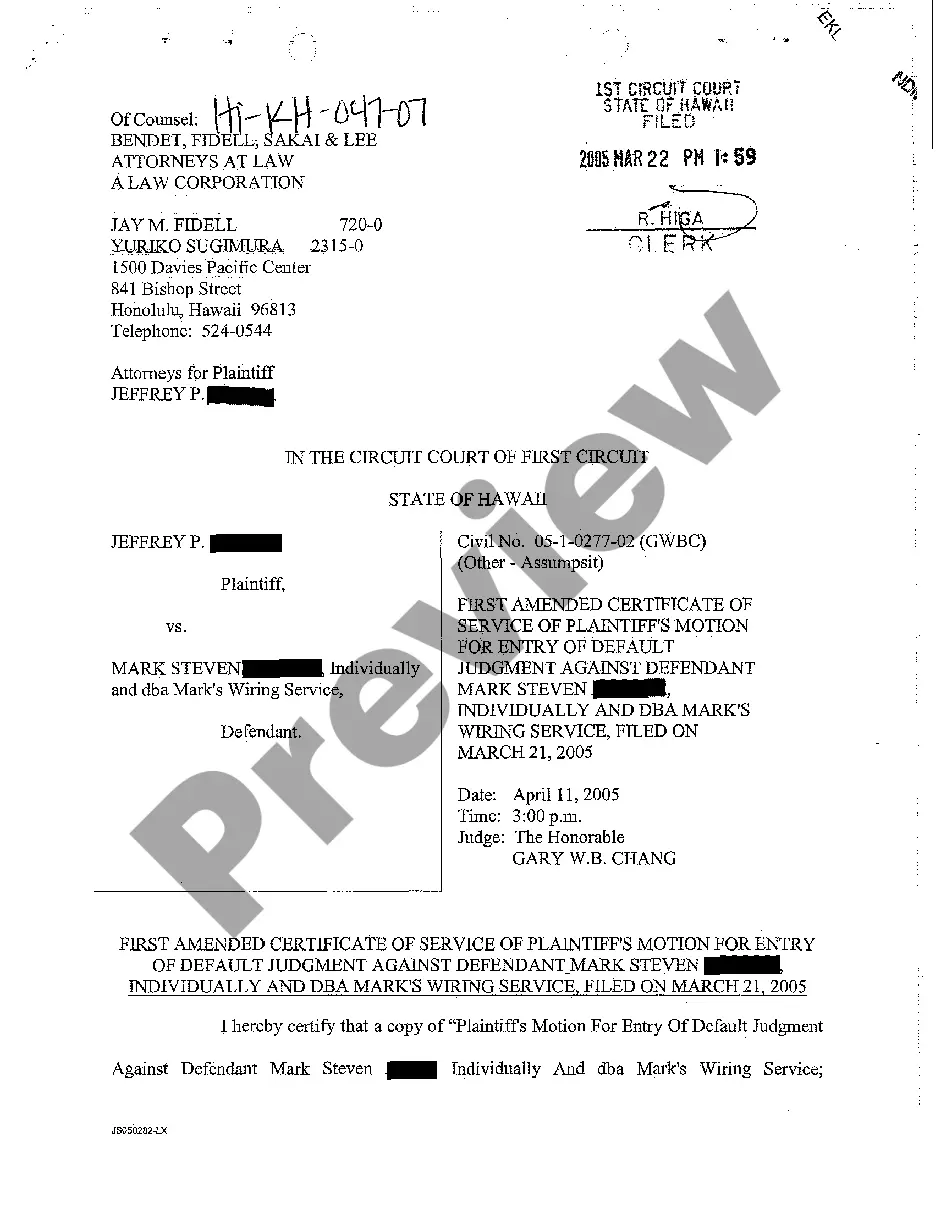
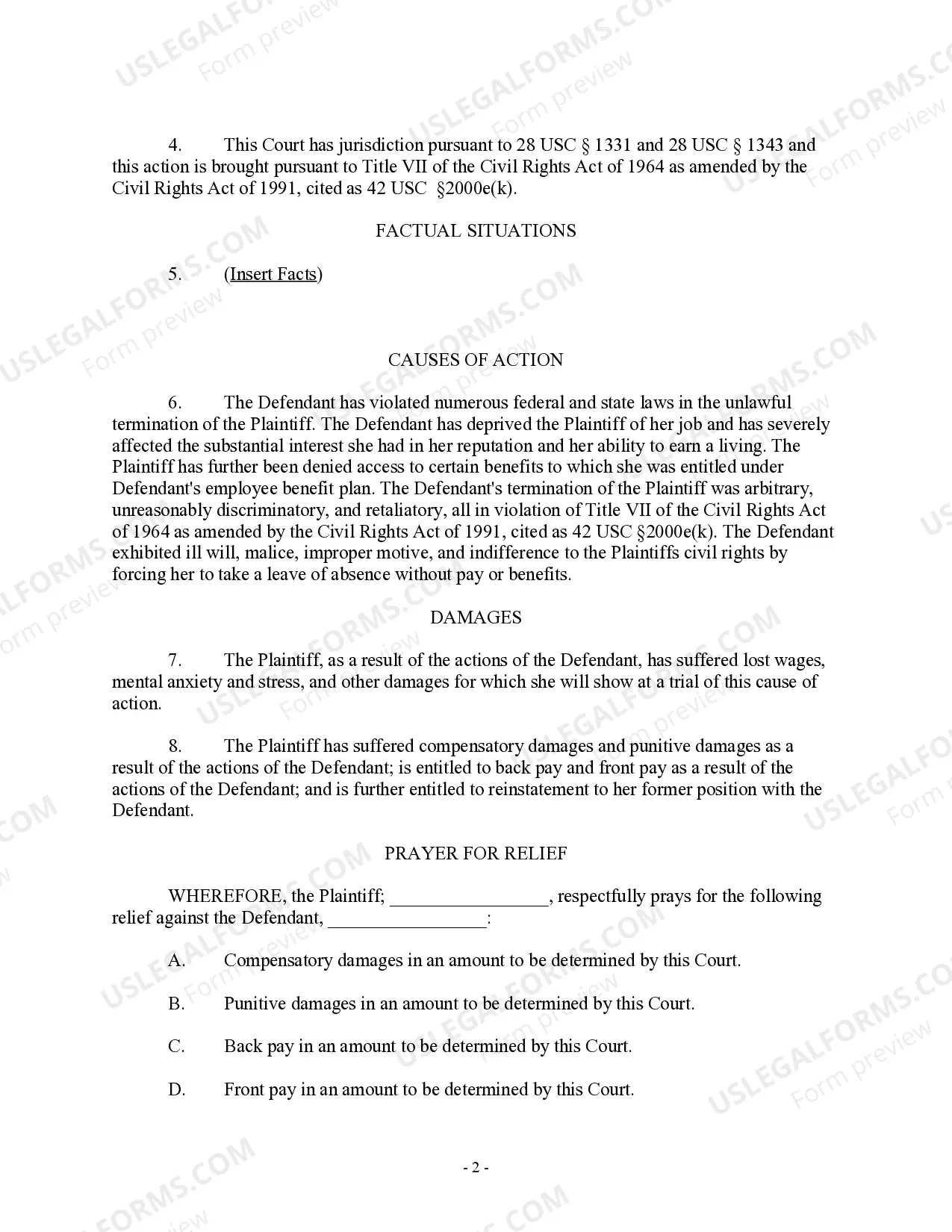
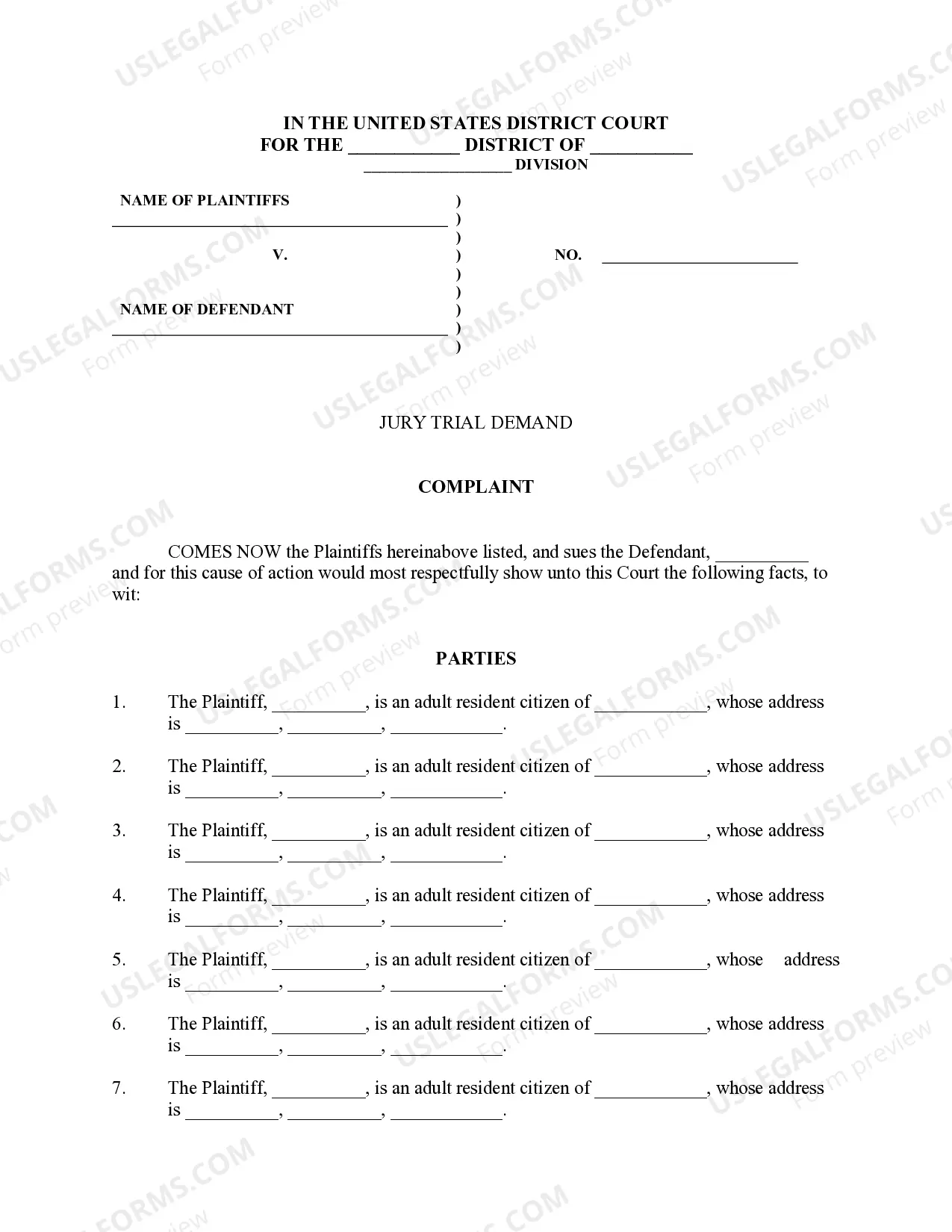
This is a multi-state form covering the subject matter of the title.
Civil Trial With Jury In Tarrant
State:
Multi-State
Category:
County:
Tarrant
Control #:
US-000291
Format:
Word;
Rich Text
99 downloads
Description
Free preview





Get your form ready online
Our built-in tools help you complete, sign, share, and store your documents in one place.
Built-in online Word editor
Make edits, fill in missing information, and update formatting in US Legal Forms—just like you would in MS Word.
Export easily
Download a copy, print it, send it by email, or mail it via USPS—whatever works best for your next step.
E-sign your document
Sign and collect signatures with our SignNow integration. Send to multiple recipients, set reminders, and more. Go Premium to unlock E-Sign.
Notarize online 24/7
If this form requires notarization, complete it online through a secure video call—no need to meet a notary in person or wait for an appointment.
Store your document securely
We protect your documents and personal data by following strict security and privacy standards.

Make edits, fill in missing information, and update formatting in US Legal Forms—just like you would in MS Word.

Download a copy, print it, send it by email, or mail it via USPS—whatever works best for your next step.

Sign and collect signatures with our SignNow integration. Send to multiple recipients, set reminders, and more. Go Premium to unlock E-Sign.

If this form requires notarization, complete it online through a secure video call—no need to meet a notary in person or wait for an appointment.

We protect your documents and personal data by following strict security and privacy standards.
Looking for another form?



Form popularity
FAQ
Tarrant County offers two options to answer your jury summons: report in person at the date and time listed on the summons or register online through eResponse. If you chose to report to the Central Jury Room as summoned, your summons will be scanned upon arrival.
Ing to the Supreme Court, the jury-trial right applies only when "serious" offenses are at hand—petty offenses don't invoke it. For purposes of this right, a serious offense is one that carries a potential sentence of more than six months' imprisonment.
Exceptions to Jury Trials in Criminal Cases Additionally, certain legal proceedings, such as probation violations or juvenile delinquency cases, typically do not involve juries. Understanding these exceptions is crucial for defendants to make informed decisions about their legal strategies.
T.R.C.P. 504.1: JURY TRIAL DEMANDED FOR CIVIL Any party may file a written demand for a trial by jury which must be filed no later than 14 days before the date a case is set for trial. If the demand is not timely, the right to a jury is waived unless the late filing is excused by the judge for good cause.
A civil case for which a jury is involved is generally a dispute between two or more parties that does not involve a criminal matter and is not a dispute between family members regarding divorce or child custody. In family matters, a judge handles the case without a jury.
Juries for civil cases in New York are comprised of six jurors, five of which must agree for a verdict to be rendered. There are pros and cons to having a jury decide your civil case. Jurors tend to be less experienced and more emotional than judges, which can both positively and negatively affect a case.
What's the difference between a Jury Trial and a Court Trial? In a jury trial, the decision of guilt or innocence is decided by either 6 or 12 citizens who listen to the evidence and make the decision. In a court trial, there is no jury present. The judge listens to the evidence and makes the decision.
If you have been convicted of a felony when the conviction has not been set aside or a pardon issued. If you are a judge, clerk of a district court, a sheriff, or a jailer. If your spouse has been summoned for the same jury panel. If you or your spouse have a pending jury trial in any court.
In a civil case, a petit jury decides whether the plaintiff establishes with evidence that is more likely than not, known in legal terms as preponderance of the evidence, that the defendant injured the plaintiff in some way that requires appropriate compensation.
In civil cases, about 1% of cases ever get to the point where they actually start a trial and hear even one witness. Many of those settle in the middle of the trial.