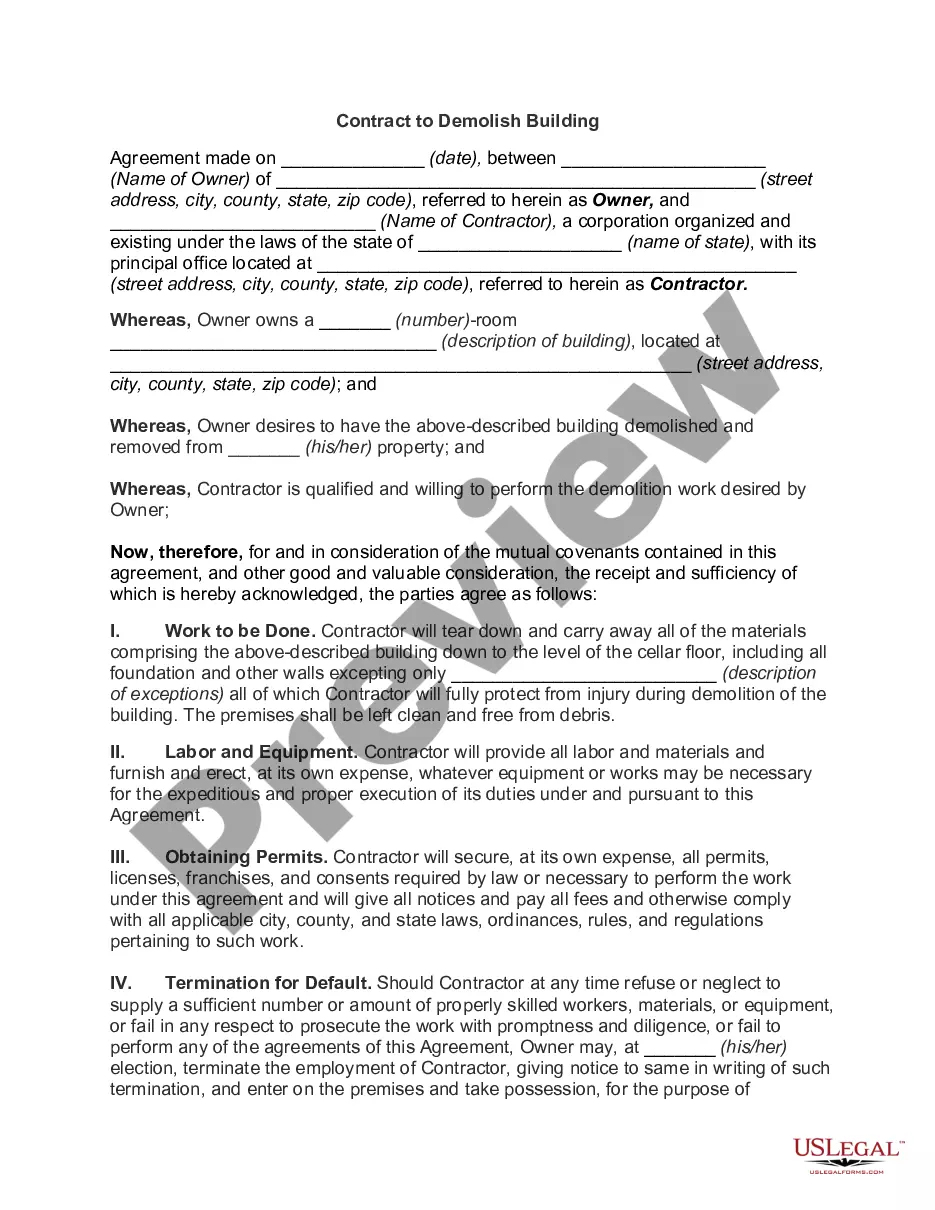
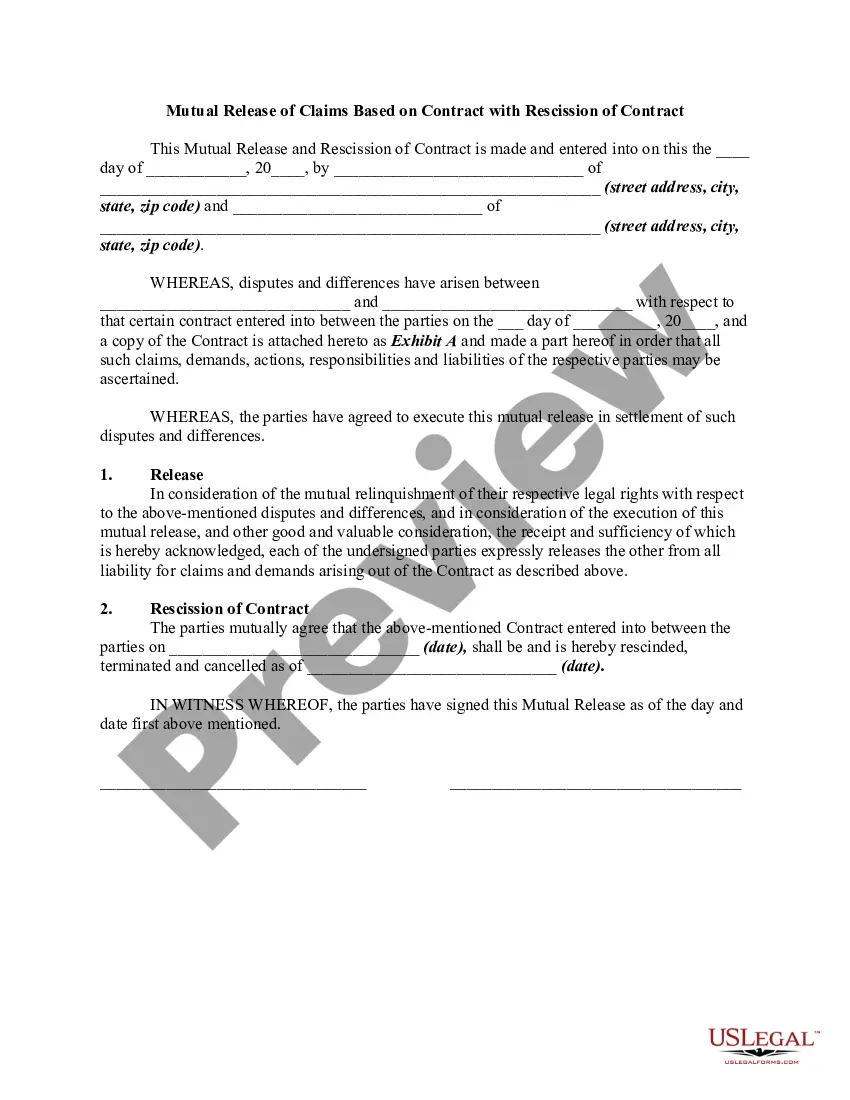
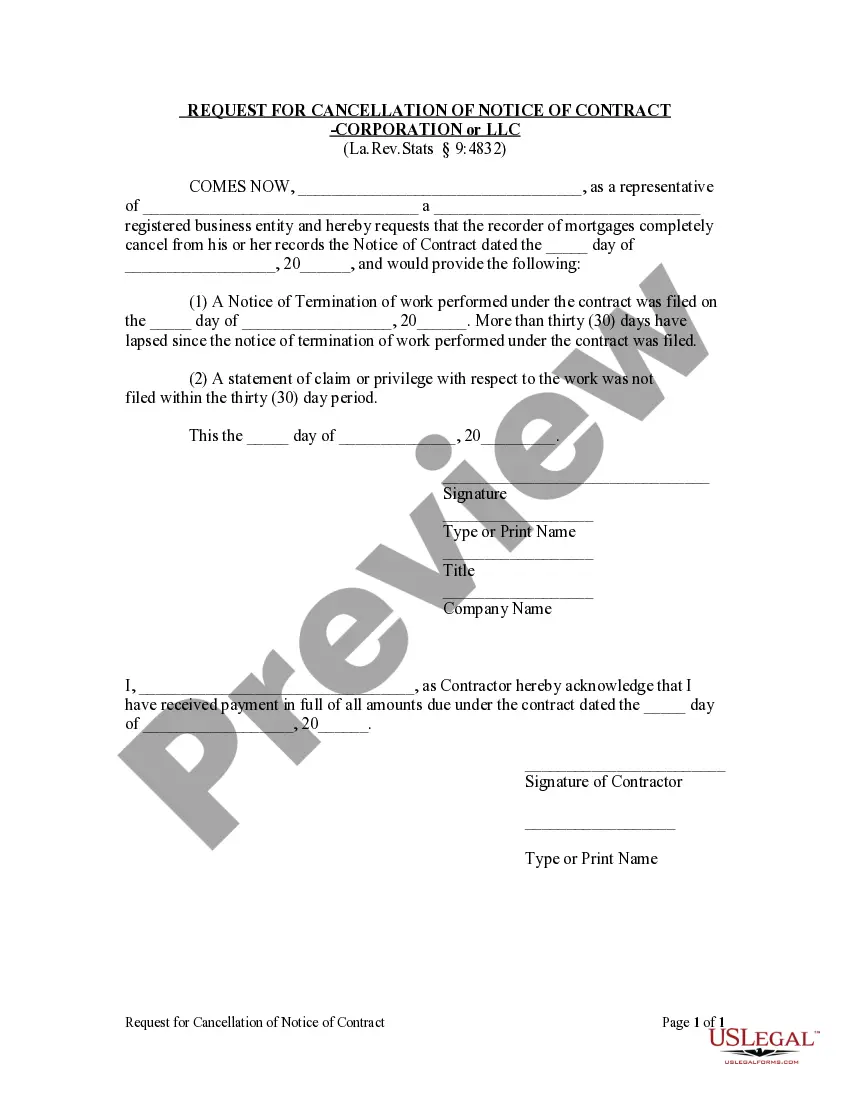
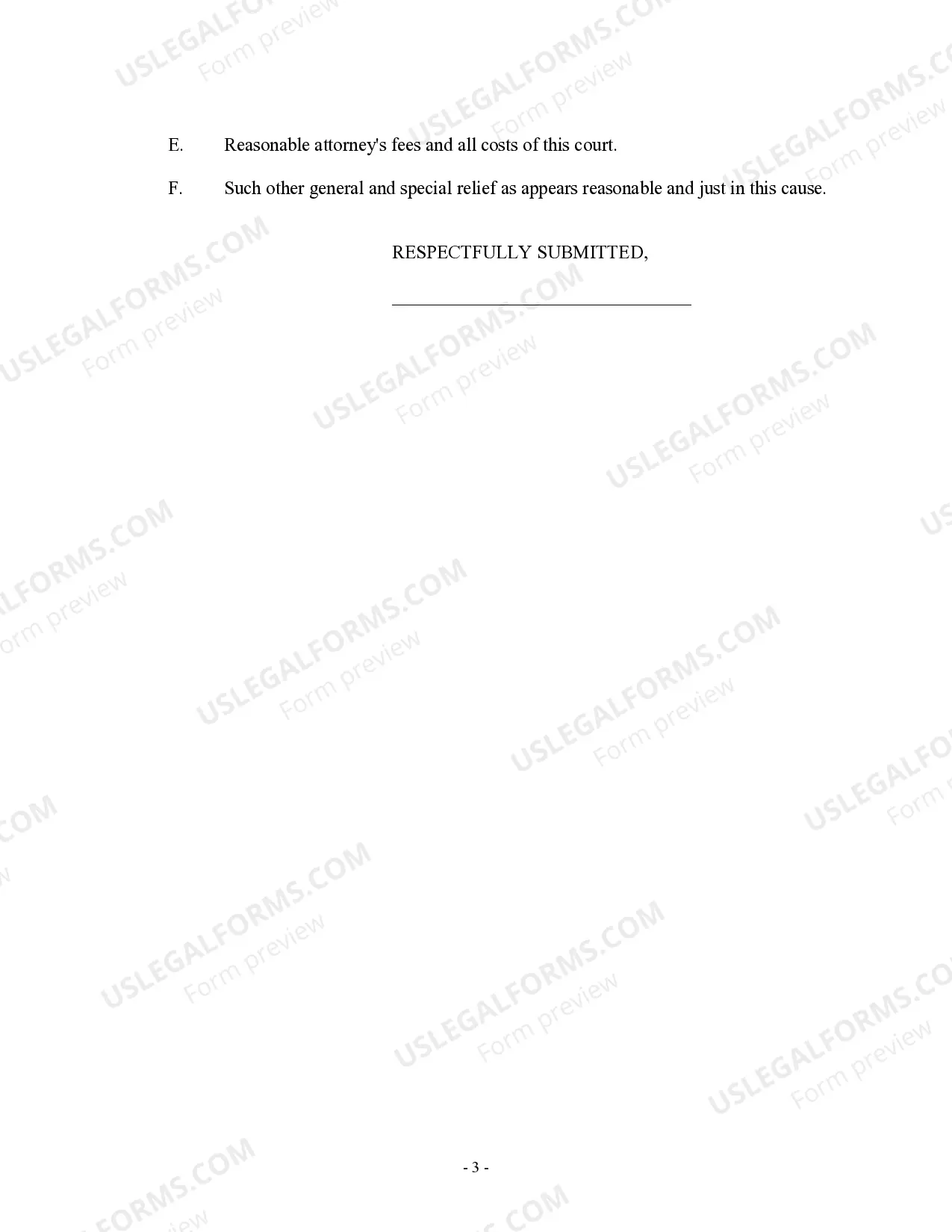
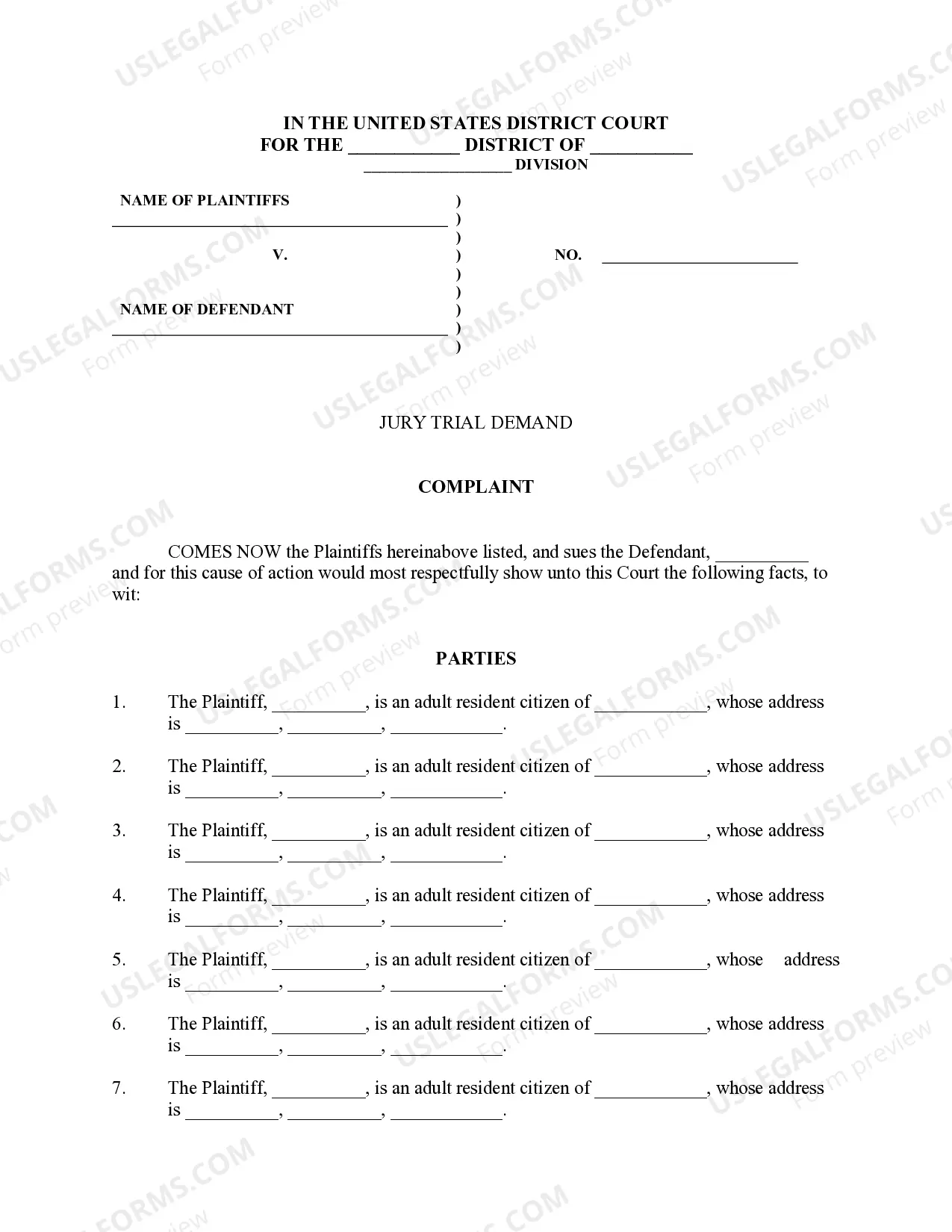
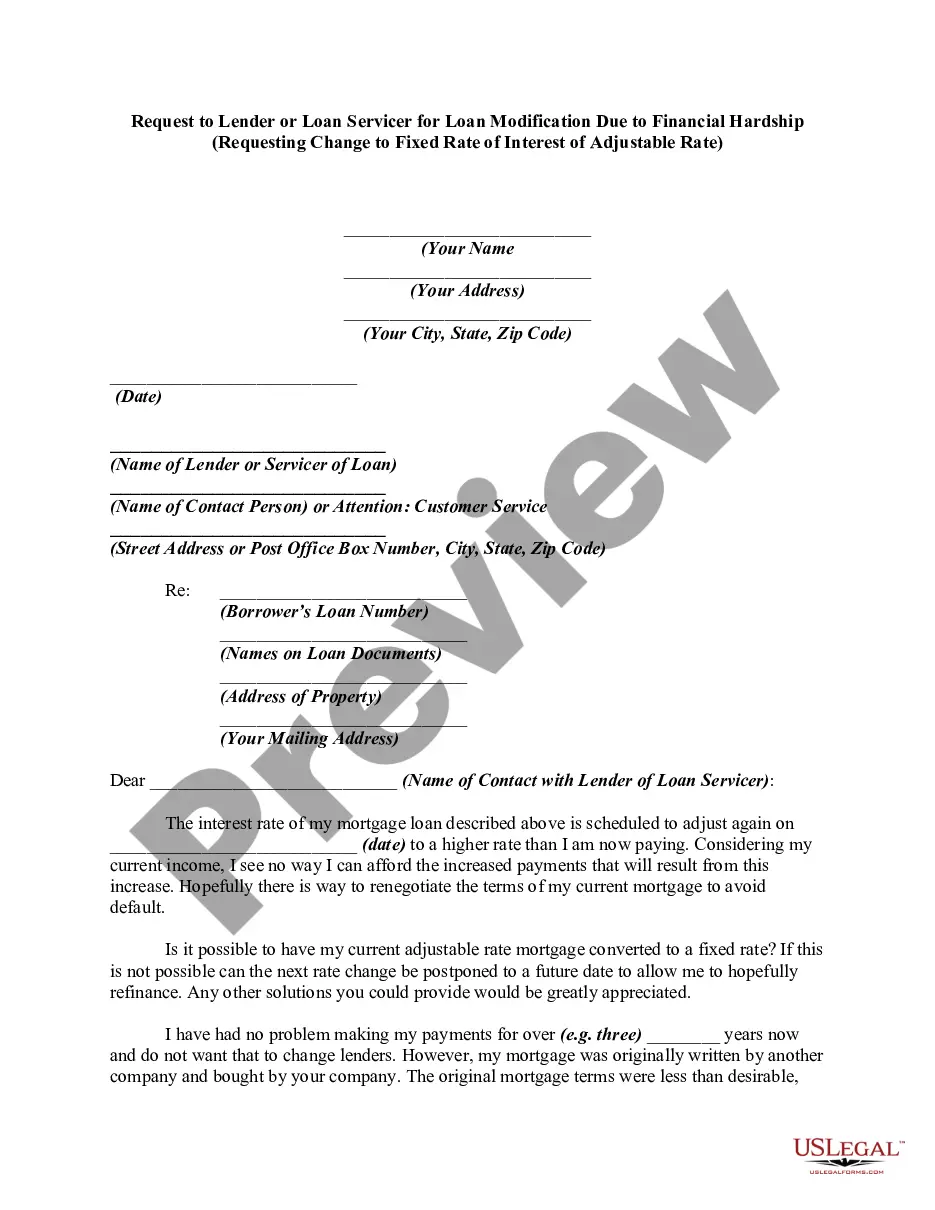
This is a multi-state form covering the subject matter of the title.
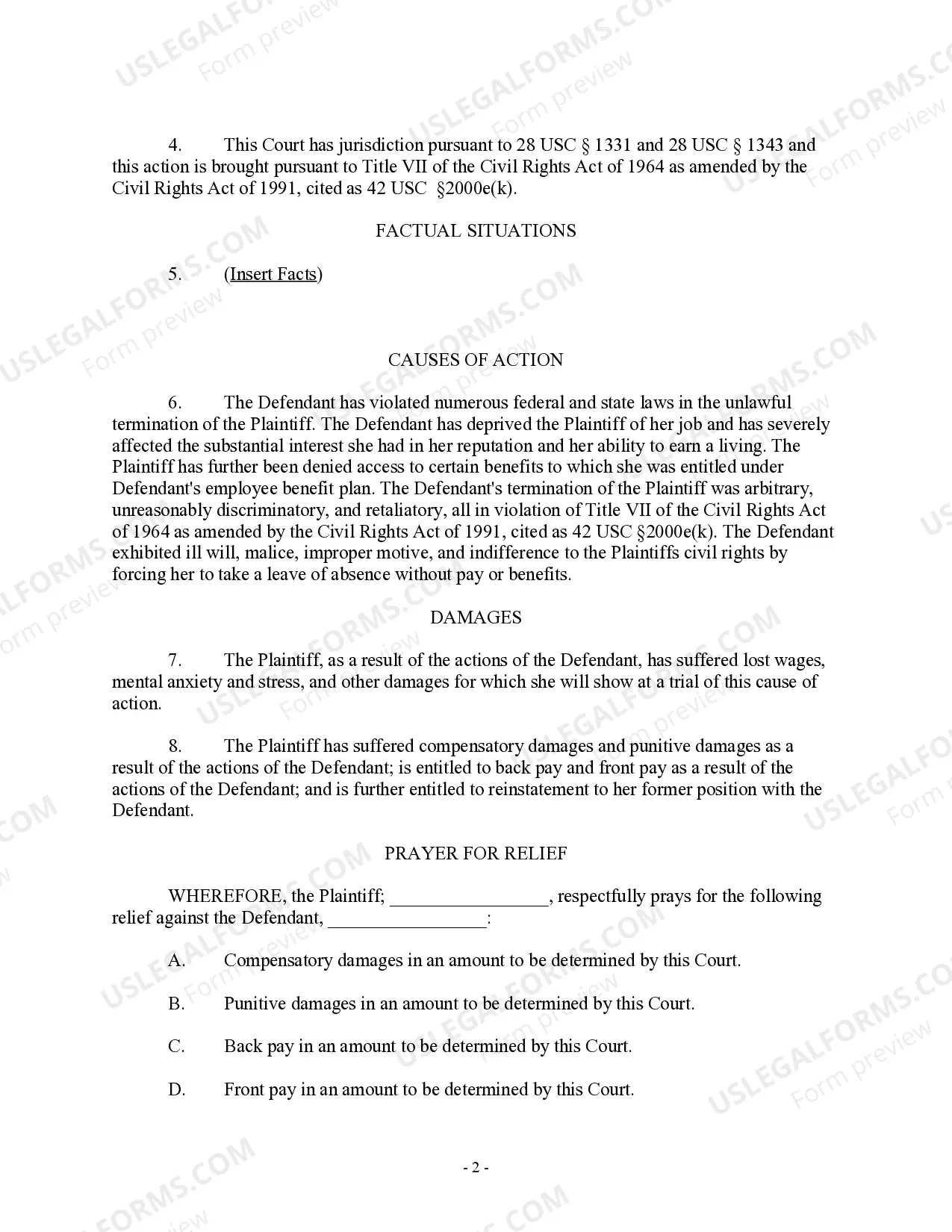
Wrongful Termination Court Form California In Sacramento
Category:
State:
Multi-State
County:
Sacramento
Control #:
US-000291
Format:
Word;
Rich Text
Instant download
Description
Free preview




Get your form ready online
Our built-in tools help you complete, sign, share, and store your documents in one place.
Built-in online Word editor
Make edits, fill in missing information, and update formatting in US Legal Forms—just like you would in MS Word.
Export easily
Download a copy, print it, send it by email, or mail it via USPS—whatever works best for your next step.
E-sign your document
Sign and collect signatures with our SignNow integration. Send to multiple recipients, set reminders, and more. Go Premium to unlock E-Sign.
Notarize online 24/7
If this form requires notarization, complete it online through a secure video call—no need to meet a notary in person or wait for an appointment.
Store your document securely
We protect your documents and personal data by following strict security and privacy standards.

Make edits, fill in missing information, and update formatting in US Legal Forms—just like you would in MS Word.

Download a copy, print it, send it by email, or mail it via USPS—whatever works best for your next step.

Sign and collect signatures with our SignNow integration. Send to multiple recipients, set reminders, and more. Go Premium to unlock E-Sign.

If this form requires notarization, complete it online through a secure video call—no need to meet a notary in person or wait for an appointment.

We protect your documents and personal data by following strict security and privacy standards.
Looking for another form?
Form popularity
FAQ
The two-dismissal rule comes from FRCP 41(a)(1)(B). FRCP 41(a)(1)(A) provides that a plaintiff may dismiss his “action” either unilaterally, if no answer or response has been filed, or by stipulation otherwise. FRCP 41(a)(1)(B) provides that the voluntary dismissal is without prejudice (unless otherwise provided).
A party seeking dismissal of a case under Code of Civil Procedure sections 583.410-583.430 must serve and file a notice of motion at least 45 days before the date set for hearing of the motion. The party may, with the memorandum, serve and file a declaration stating facts in support of the motion.
File the Request for Dismissal with the court Bring the originals and copies of the Request for Dismissal to the clerk at the courthouse where the case was originally filed. They will file the forms and return the copy to you. Keep the copy for your records.
You must complete an expungement/dismissal petition. Most courts use the CR-180 & CR-181 state forms, but a few courts encourage use of their own forms. Although all courts are supposed to accept the CR-180 and CR-181, it is helpful to check the court's website or call to find out all of the forms the court requires.
Request for Dismissal (CIV-110) Tell the court and the parties that you do not want to go forward with the case. You also need to use Notice of Entry of Dismissal and Proof of Service (form CIV-120).
Motions to dismiss are filed for a range of reasons, which may include: Statute of limitations expiration: The case does not fall within California's time limit for filing. Lack of subject matter jurisdiction: The court does not have the authority to hear this type of case.
Definition. A "complex case" is an action that requires exceptional judicial management to avoid placing unnecessary burdens on the court or the litigants and to expedite the case, keep costs reasonable, and promote effective decision making by the court, the parties, and counsel.
The “5-year rule” in California refers to summary dissolution, which is a simplified process for ending a marriage or domestic partnership without a formal court hearing. Its hope is to be a fast and less expensive option for couples who meet the specific criteria.