This is a multi-state form covering the subject matter of the title.
Demand For Trial Authorizations In Palm Beach
State:
Multi-State
Category:
County:
Palm Beach
Control #:
US-000291
Format:
Word;
Rich Text
99 downloads
Description
Free preview

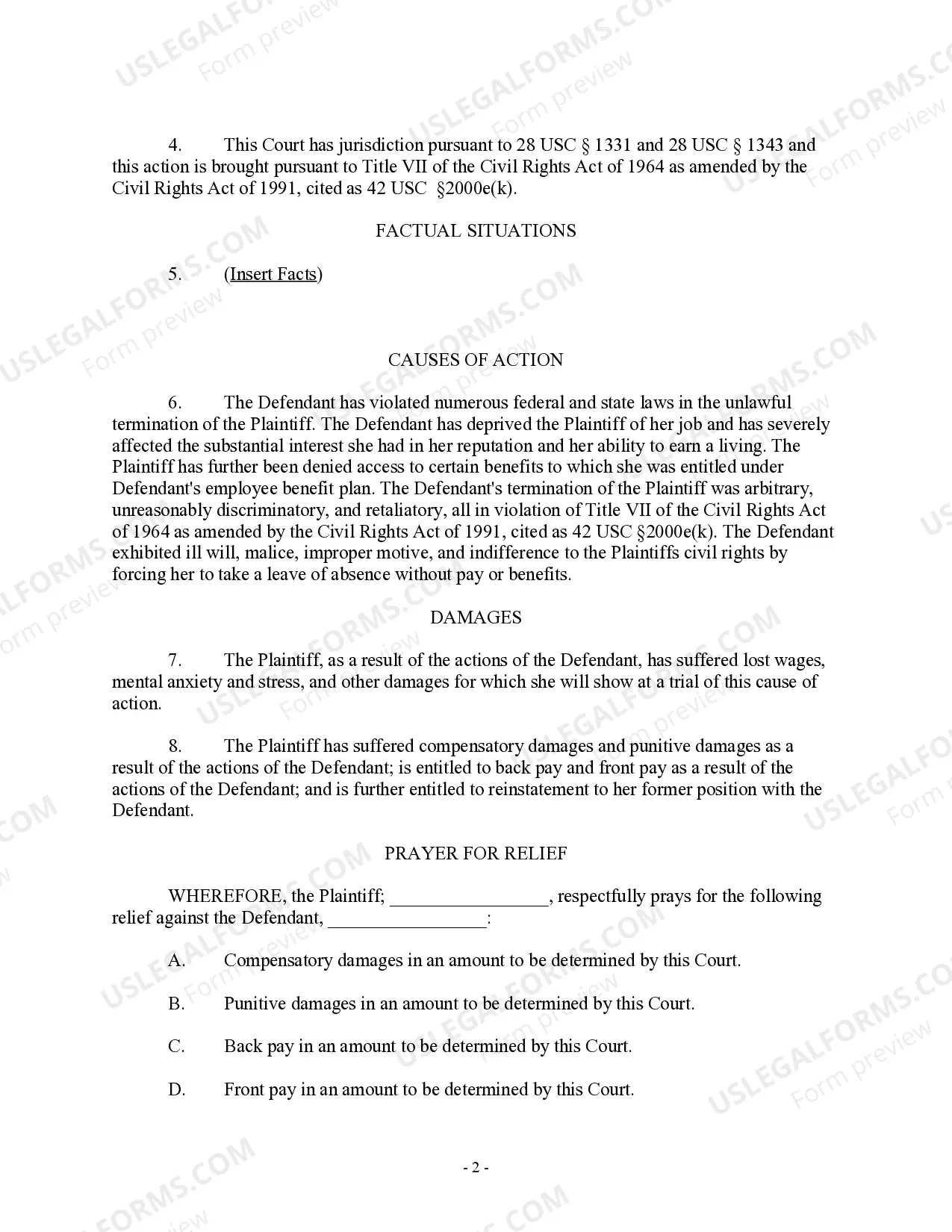
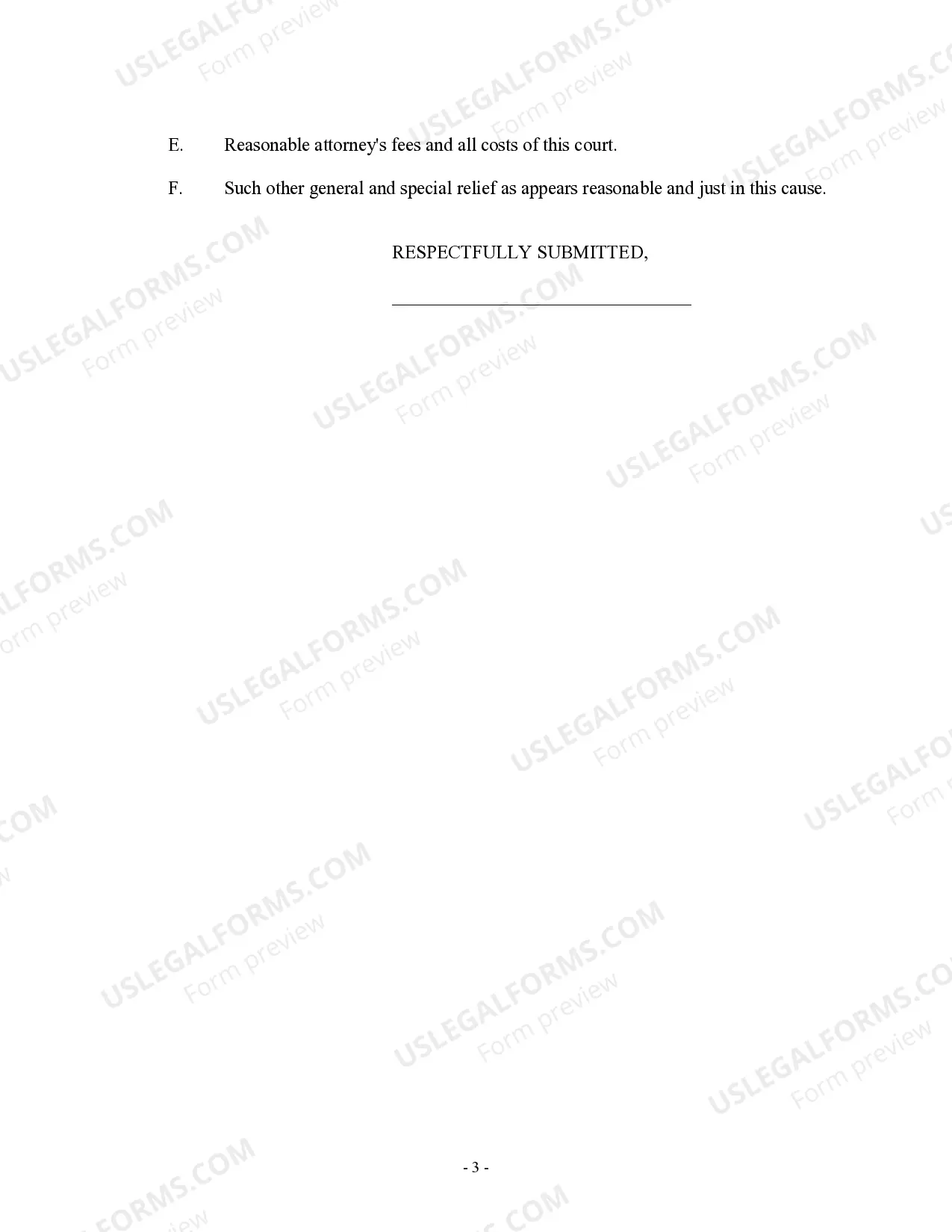



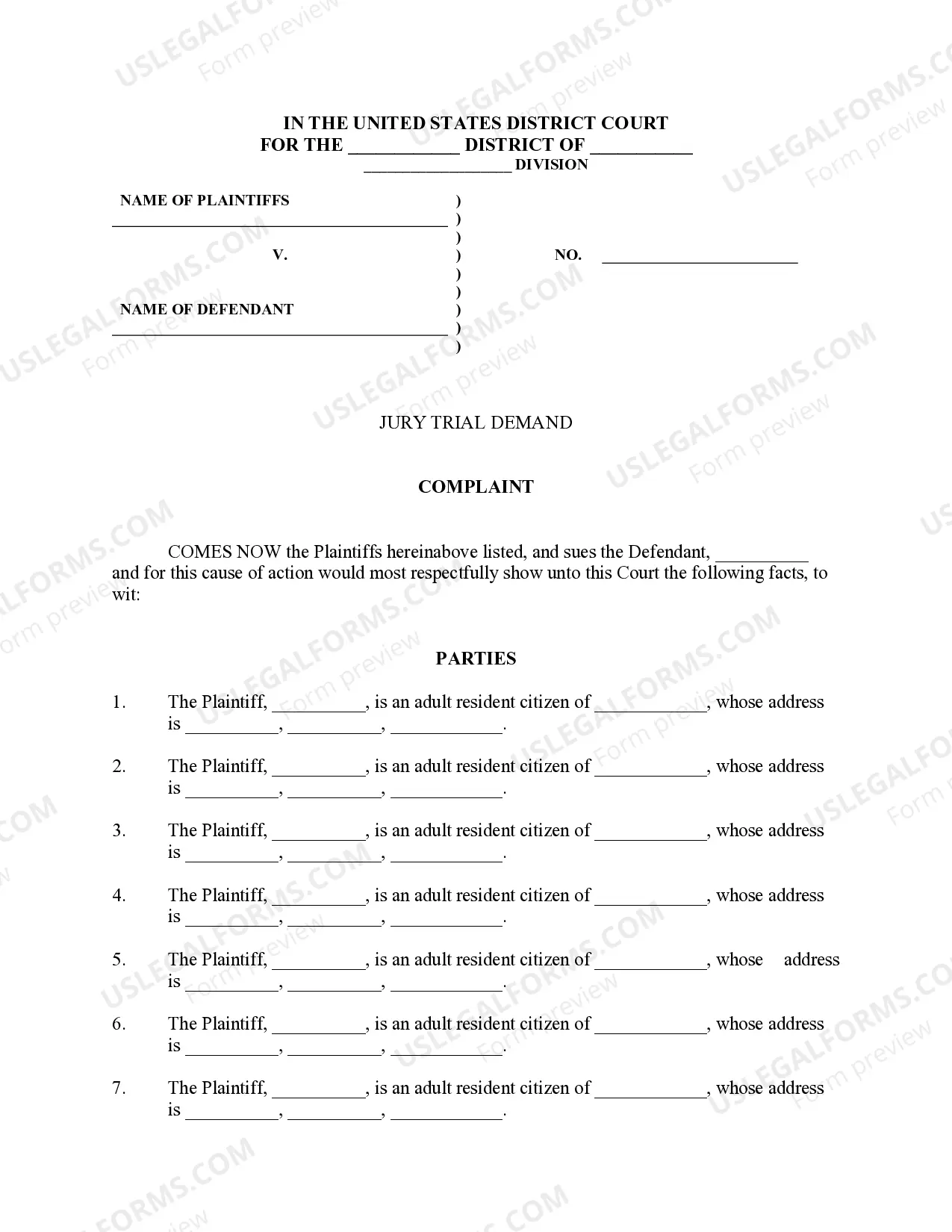
Get your form ready online
Our built-in tools help you complete, sign, share, and store your documents in one place.
Built-in online Word editor
Make edits, fill in missing information, and update formatting in US Legal Forms—just like you would in MS Word.
Export easily
Download a copy, print it, send it by email, or mail it via USPS—whatever works best for your next step.
E-sign your document
Sign and collect signatures with our SignNow integration. Send to multiple recipients, set reminders, and more. Go Premium to unlock E-Sign.
Notarize online 24/7
If this form requires notarization, complete it online through a secure video call—no need to meet a notary in person or wait for an appointment.
Store your document securely
We protect your documents and personal data by following strict security and privacy standards.

Make edits, fill in missing information, and update formatting in US Legal Forms—just like you would in MS Word.

Download a copy, print it, send it by email, or mail it via USPS—whatever works best for your next step.

Sign and collect signatures with our SignNow integration. Send to multiple recipients, set reminders, and more. Go Premium to unlock E-Sign.

If this form requires notarization, complete it online through a secure video call—no need to meet a notary in person or wait for an appointment.

We protect your documents and personal data by following strict security and privacy standards.
Looking for another form?





Form popularity
FAQ
Proposed orders for all Civil Court case types must be submitted directly to the court through the 15th Judicial Circuit's Online Scheduling System (OLS). Proposed orders cannot be submitted in person, by mail, by fax or by email to the court or to the Clerk's office.
Circuit courts have general trial jurisdiction over matters not assigned by statute to the county courts and also hear appeals, if authorized by the Florida Statutes, of decisions in certain administrative, noncriminal infraction, and other types of cases.
And serious misdemeanors. These are crimes that carry a potential punishment of over a year inMoreAnd serious misdemeanors. These are crimes that carry a potential punishment of over a year in prison. But that's not all circuit courts also handle appeals from lower courts.
In general, County Courts, sometimes called "the people's courts", are courts of limited jurisdiction where minor criminal (misdemeanor) and civil cases are heard. In the Circuit Courts, which are the highest state trial courts in Florida, major criminal (felony), civil, family, juvenile and probate matters are heard.
Florida's court system consists of the following entities: two appellate-level courts (the supreme court and five district courts of appeal) and two trial-level courts (20 circuit courts and 67 county courts).
In general, County Courts, sometimes called "the people's courts", are courts of limited jurisdiction where minor criminal (misdemeanor) and civil cases are heard. In the Circuit Courts, which are the highest state trial courts in Florida, major criminal (felony), civil, family, juvenile and probate matters are heard.
For more information on receiving copies of your public records, please contact the Records Service Center at (561) 355-2932.
A small claims case is a legal action filed in county court to settle minor legal disputes where the dollar amount involved is $8,000 or less. This amount does not include filing costs, interest, and attorneys' fees. Filing a Claim: A small claims action begins by filing a Statement of Claim.
For up-to-date case docket entries and registration information, visit . If you know the case number, just enter it below. If not, please use one of the other search options: party or attorney, lower tribunal case number, or date filed.
