This is a multi-state form covering the subject matter of the title.
Demand For Trial De Novo In Orange
Category:
State:
Multi-State
County:
Orange
Control #:
US-000291
Format:
Word;
Rich Text
Instant download
Description
Free preview

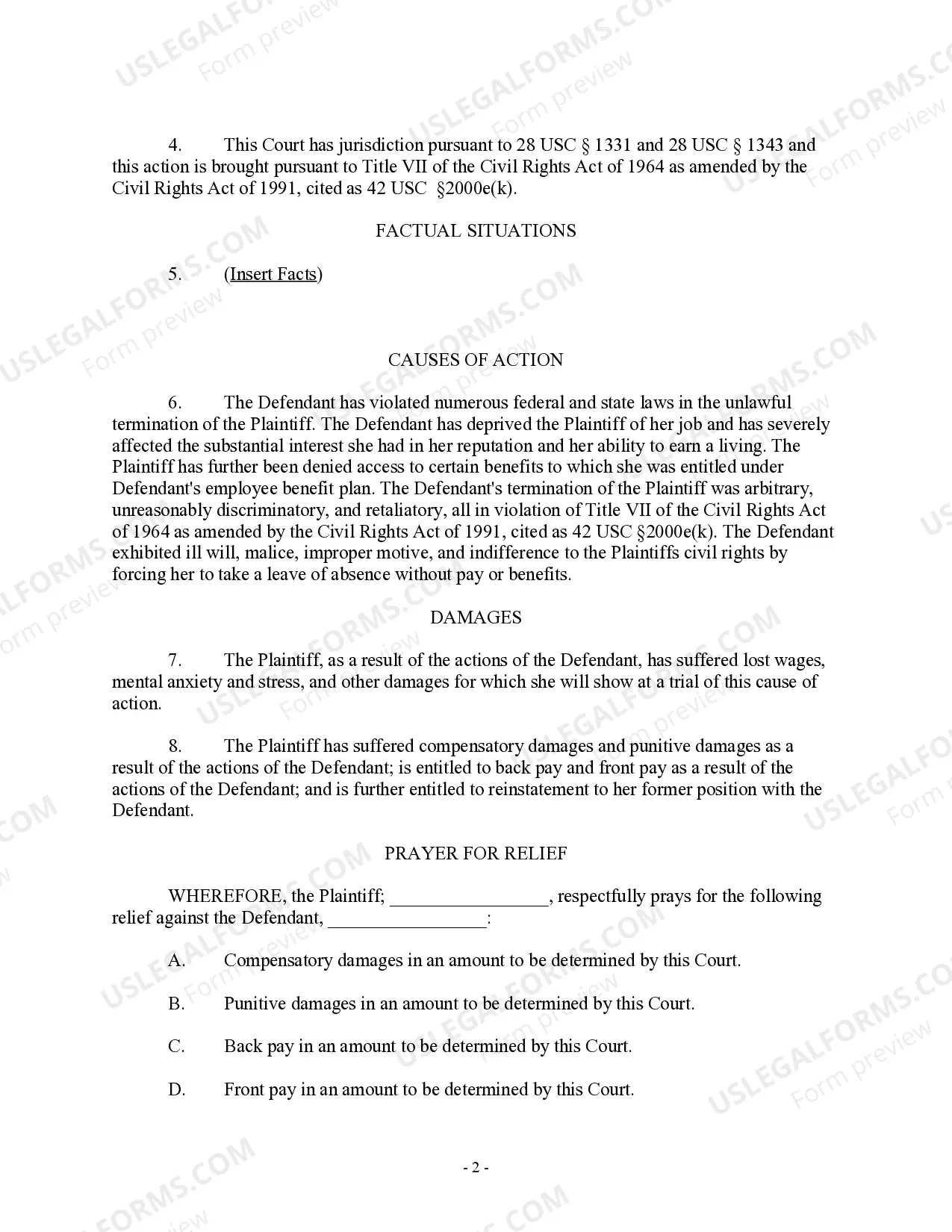




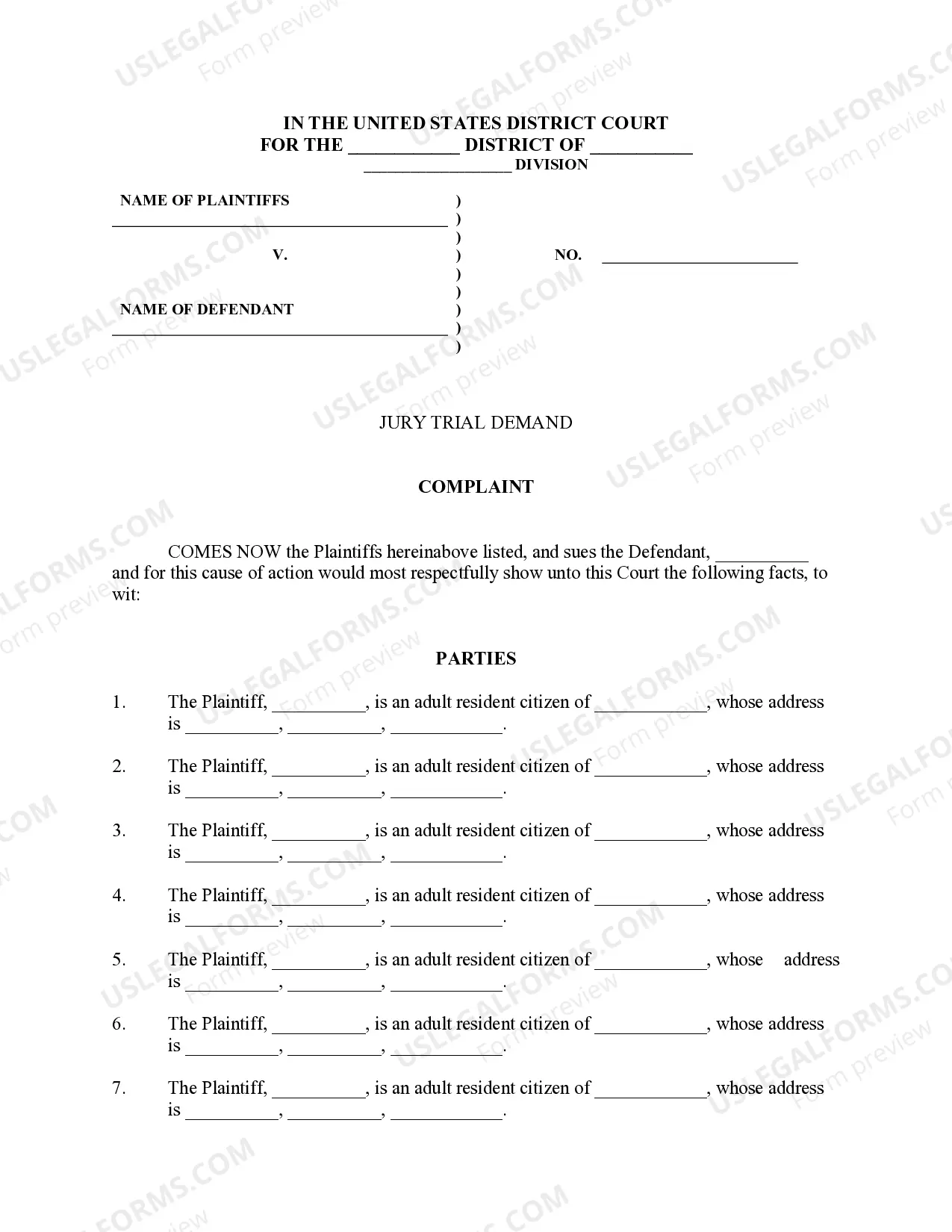
Get your form ready online
Our built-in tools help you complete, sign, share, and store your documents in one place.
Built-in online Word editor
Make edits, fill in missing information, and update formatting in US Legal Forms—just like you would in MS Word.
Export easily
Download a copy, print it, send it by email, or mail it via USPS—whatever works best for your next step.
E-sign your document
Sign and collect signatures with our SignNow integration. Send to multiple recipients, set reminders, and more. Go Premium to unlock E-Sign.
Notarize online 24/7
If this form requires notarization, complete it online through a secure video call—no need to meet a notary in person or wait for an appointment.
Store your document securely
We protect your documents and personal data by following strict security and privacy standards.

Make edits, fill in missing information, and update formatting in US Legal Forms—just like you would in MS Word.

Download a copy, print it, send it by email, or mail it via USPS—whatever works best for your next step.

Sign and collect signatures with our SignNow integration. Send to multiple recipients, set reminders, and more. Go Premium to unlock E-Sign.

If this form requires notarization, complete it online through a secure video call—no need to meet a notary in person or wait for an appointment.

We protect your documents and personal data by following strict security and privacy standards.
Looking for another form?







Form popularity
FAQ
An arbitration is a new (de novo) hearing, which means that the evidence concerning the reason for the employer's decision (which is challenged or in dispute) is heard afresh. The arbitrator must consider the fairness of the employer's decision on the evidence admitted and submissions made at the arbitration.
If the defendant files a Request for New Trial (Trial de Novo) (form TR-220) within 20 calendar days after the date of delivery or mailing of the Decision and Notice of Decision (form TR-215), the clerk must set a trial date within 45 calendar days of receipt of the defendant's written request for a new trial.
De novo is a Latin term that means "anew," "from the beginning," or "afresh." When a court hears a case “de novo,” it is deciding the issues without reference to any legal conclusion or assumption made by the previous court to hear the case.
Adverb. anew; afresh; again; from the beginning.
Most arbitration rules set strict deadlines for filing a response, often within 14 to 30 days of receiving the demand. Missing this deadline can lead to procedural disadvantages, such as ex parte orders.
An arbitration is a hearing where a commissioner gives both parties an opportunity to present their cases regarding the issue in dispute by leading evidence, presenting documents, cross examination of witnesses, and even conducting of inspection of premises, where that is necessary.
Definitions of "de novo" A Latin phrase pertaining to starting anew or from the beginning, as if the prior decision or event never occurred.
Arbitration is a procedure in which a dispute is submitted, by agreement of the parties, to one or more arbitrators who make a binding decision on the dispute. In choosing arbitration, the parties opt for a private dispute resolution procedure instead of going to court.
Additionally, requiring cases to be brought to trial within a set time period ensures that cases do not drag on, leaving issues undecided indefinitely. Under CCP § 583.310, an action must be brought to trial within five years after it is commenced against the defendant.
Rule 222.1 of the California Rules of Court provides: "A motion to compel answers or further answers to interrogatories or requests for admissions or to protect the responding party shall include a declaration stating facts to show that prior to the filing thereof counsel for the moving party made a reasonable attempt ...