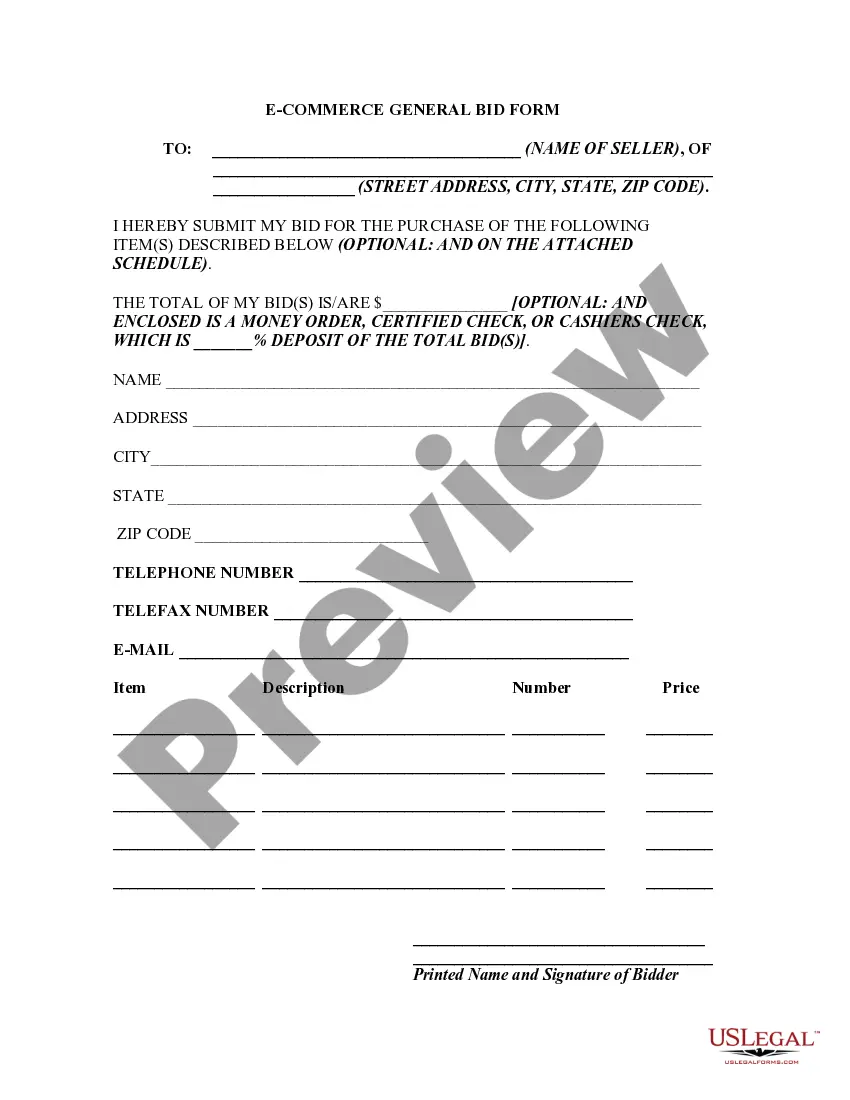
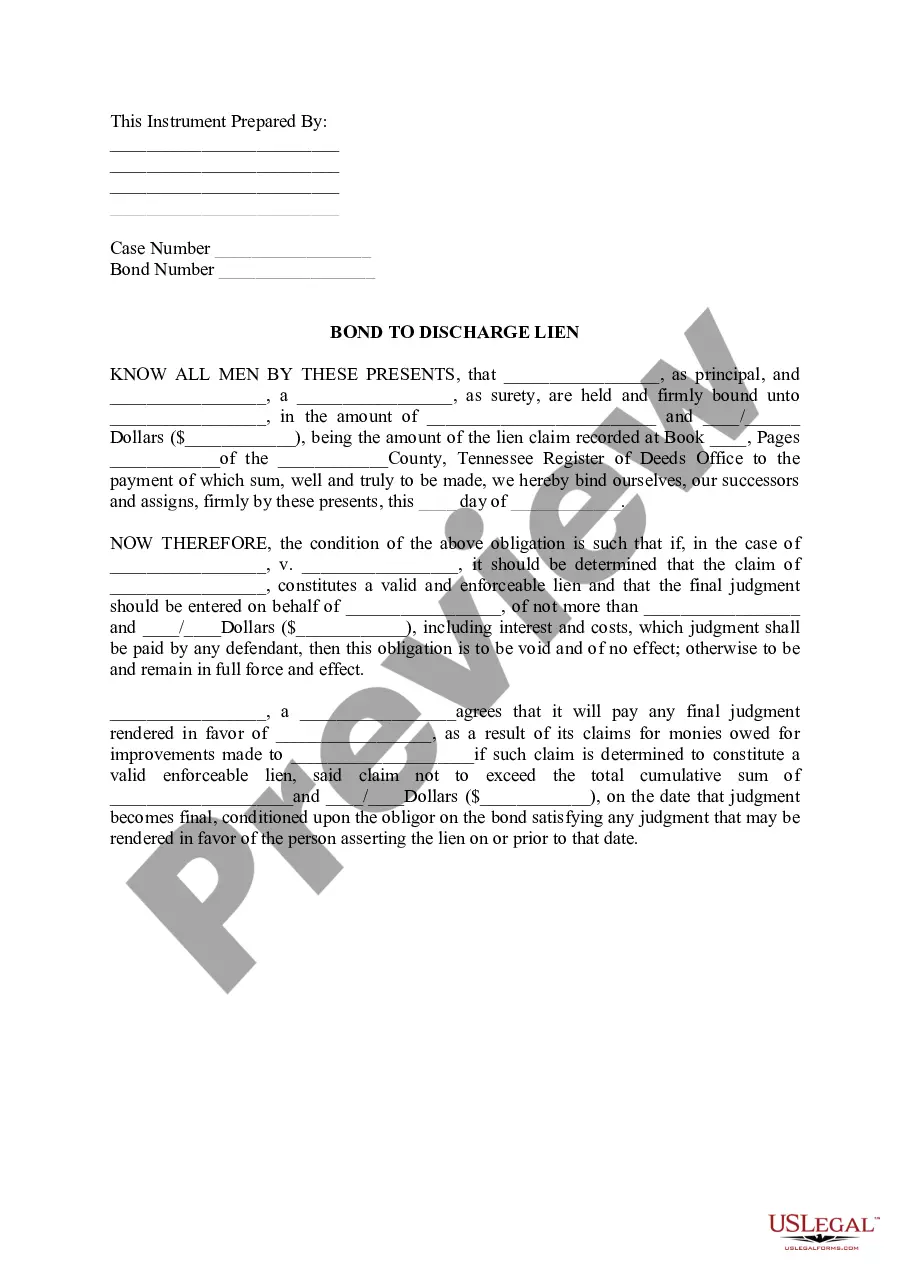
This is a multi-state form covering the subject matter of the title.
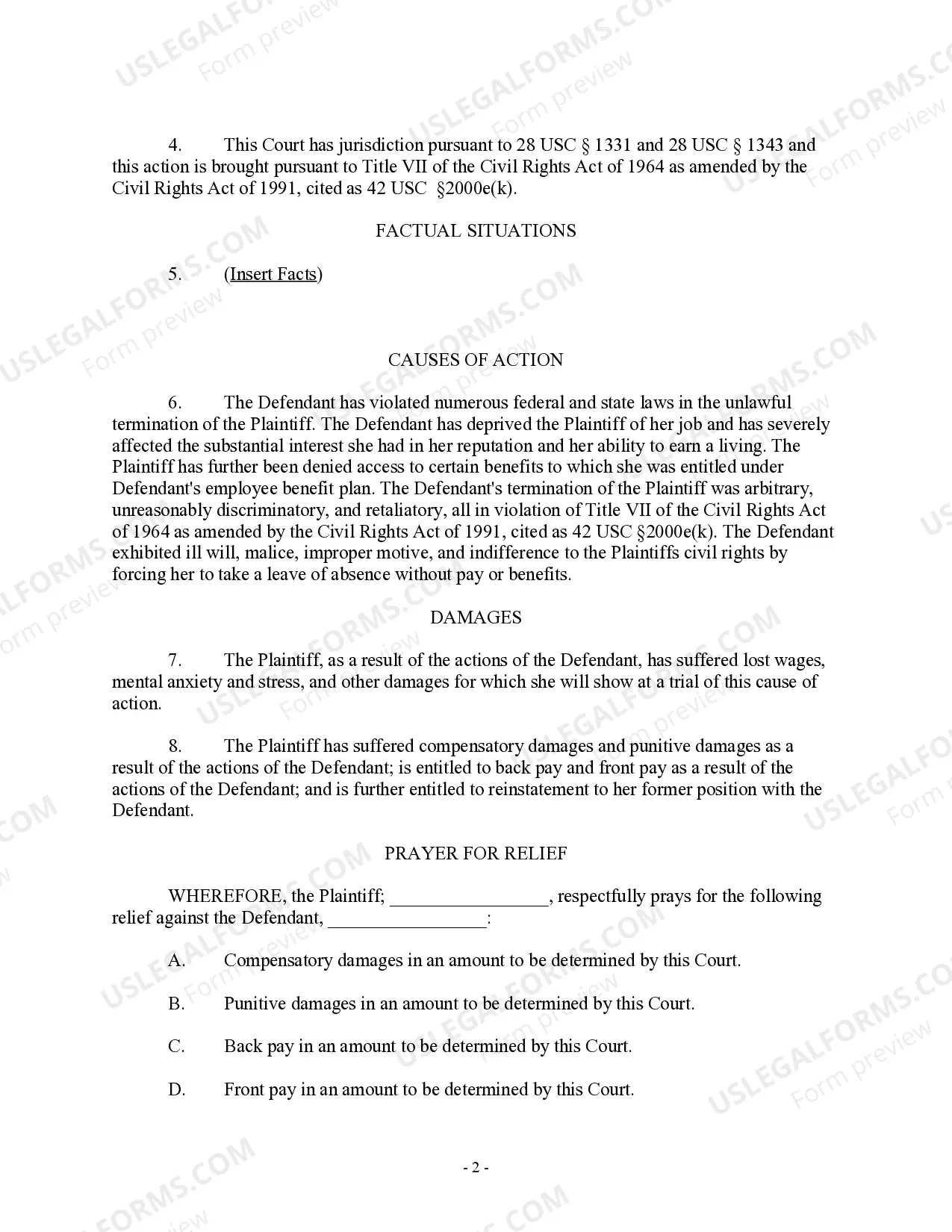
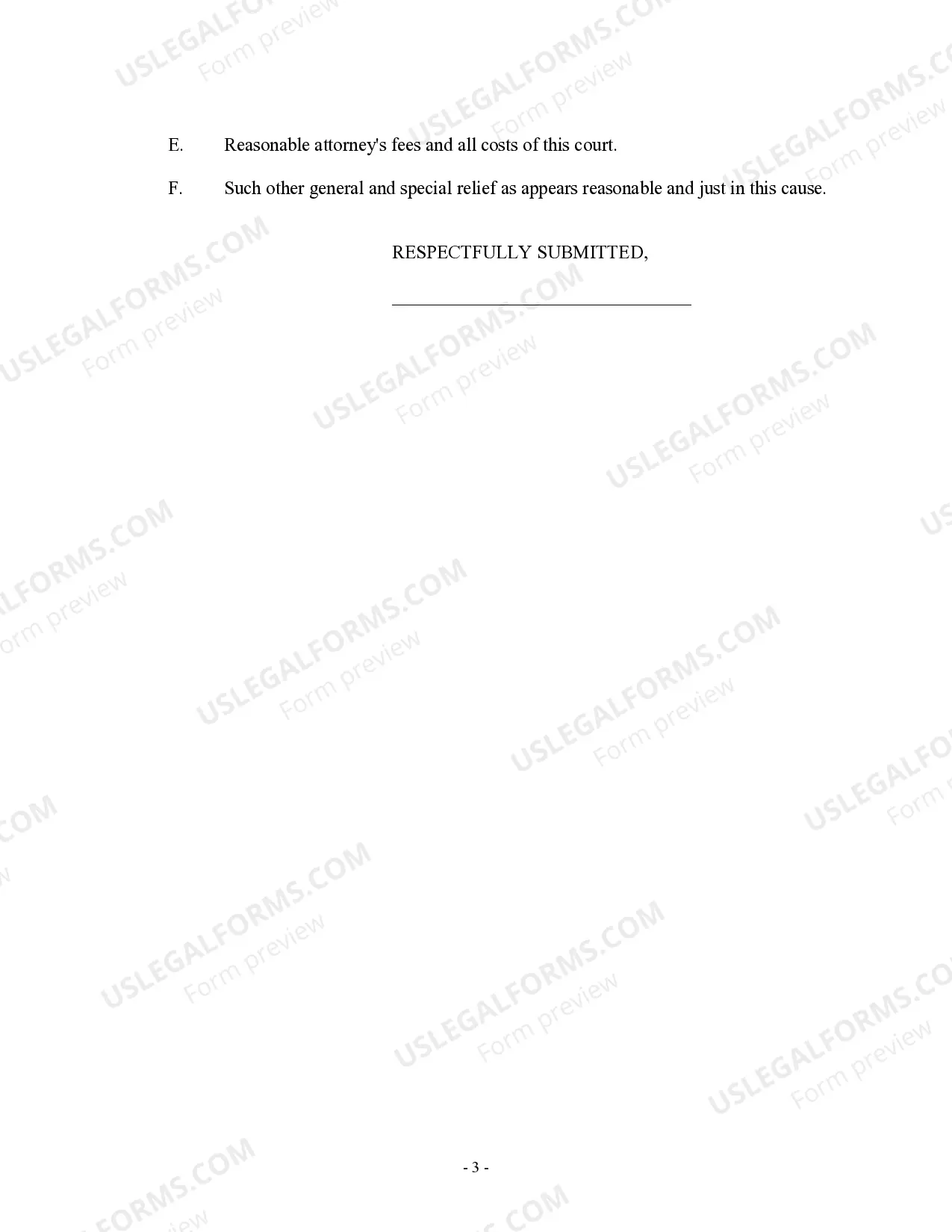
Wrongful Termination Court Without Cause In Miami-Dade
State:
Multi-State
Category:
County:
Miami-Dade
Control #:
US-000291
Format:
Word;
Rich Text
99 downloads
Description
Free preview




Get your form ready online
Our built-in tools help you complete, sign, share, and store your documents in one place.
Built-in online Word editor
Make edits, fill in missing information, and update formatting in US Legal Forms—just like you would in MS Word.
Export easily
Download a copy, print it, send it by email, or mail it via USPS—whatever works best for your next step.
E-sign your document
Sign and collect signatures with our SignNow integration. Send to multiple recipients, set reminders, and more. Go Premium to unlock E-Sign.
Notarize online 24/7
If this form requires notarization, complete it online through a secure video call—no need to meet a notary in person or wait for an appointment.
Store your document securely
We protect your documents and personal data by following strict security and privacy standards.

Make edits, fill in missing information, and update formatting in US Legal Forms—just like you would in MS Word.

Download a copy, print it, send it by email, or mail it via USPS—whatever works best for your next step.

Sign and collect signatures with our SignNow integration. Send to multiple recipients, set reminders, and more. Go Premium to unlock E-Sign.

If this form requires notarization, complete it online through a secure video call—no need to meet a notary in person or wait for an appointment.

We protect your documents and personal data by following strict security and privacy standards.
Looking for another form?



Form popularity
FAQ
In Florida, which is an at-will employment state, an employer can fire you for any reason or no reason at all, as long as it's not illegal (e.g., discrimination). Florida law does not require employers to provide a reason for termination.
In Florida, which is an at-will employment state, an employer can fire you for any reason or no reason at all, as long as it's not illegal (e.g., discrimination).
However, termination is only wrongful when there is no other reason for your firing. You must be able to prove that there was no other reason for which they fired you. If you can, then you may be able to file a claim for wrongful termination under Florida law.
A: In Florida, a wrongful termination occurs when an employee is fired in violation of an employment contract, a collective bargaining agreement, or an employment law. In the vast majority of cases, a wrongful termination occurs when an employee is fired in violation of federal or Florida employment discrimination law.
These occur when an employee is fired in violation of contractual terms, public policy, or anti-discrimination laws. The average settlement for a wrongful termination employment lawsuit often ranges from $5,000 to over $100,000.
Do I have a wrongful termination claim in Florida? Florida law does not recognize “wrongful termination” unless it violates a contractual right or federal, state, or local laws.