This is a multi-state form covering the subject matter of the title.
Pregnancy Discrimination At Work Examples In Miami-Dade
State:
Multi-State
Category:
County:
Miami-Dade
Control #:
US-000291
Format:
Word;
Rich Text
99 downloads
Description
Free preview

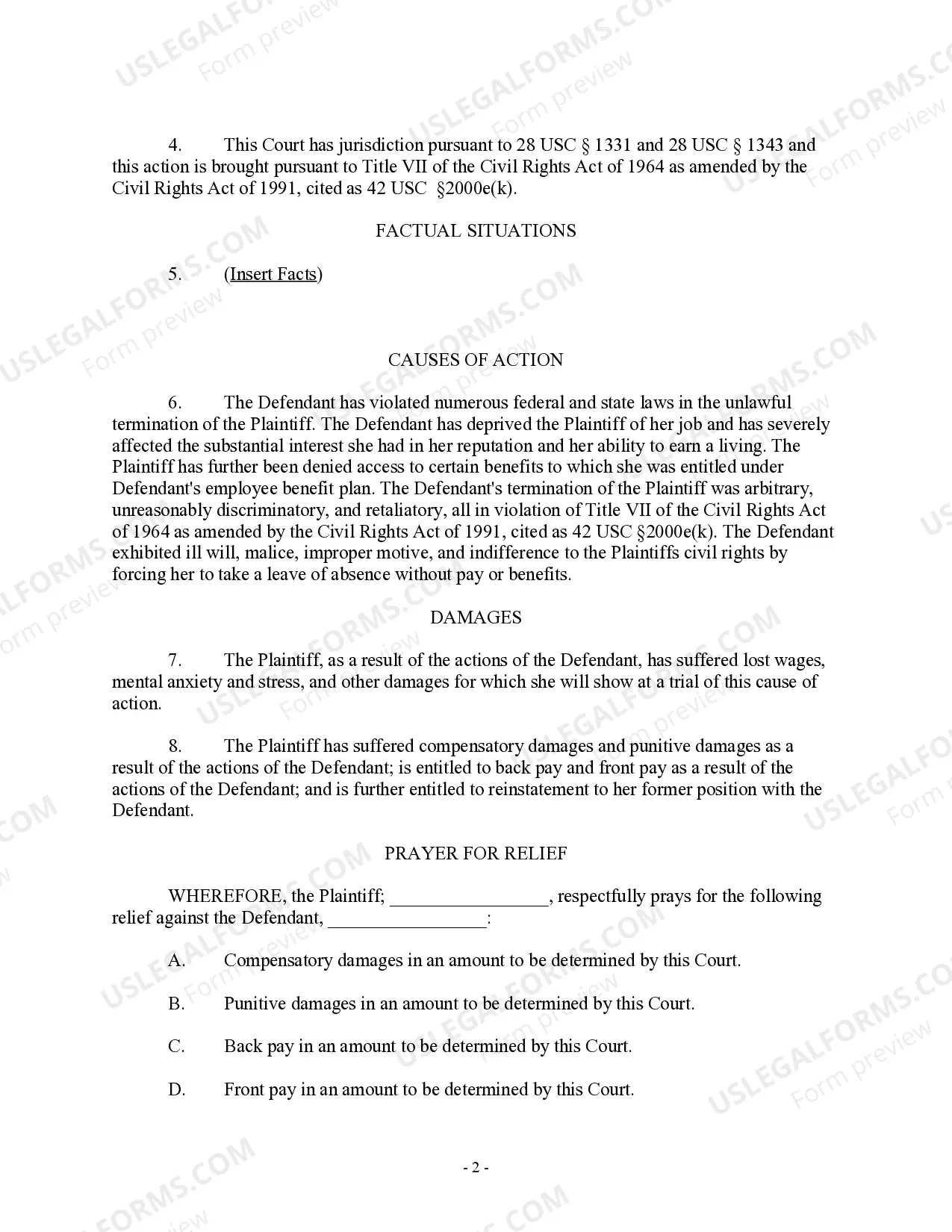




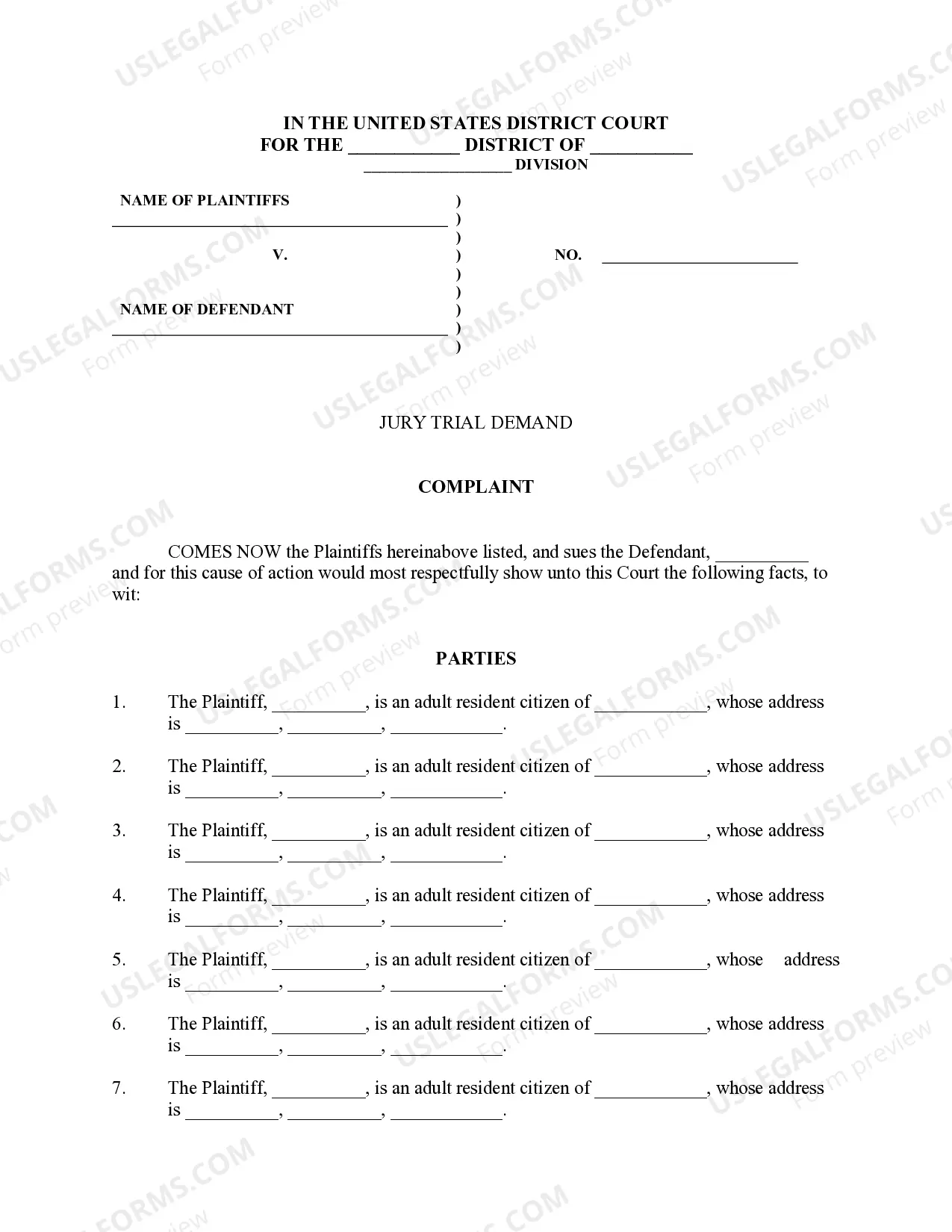
Get your form ready online
Our built-in tools help you complete, sign, share, and store your documents in one place.
Built-in online Word editor
Make edits, fill in missing information, and update formatting in US Legal Forms—just like you would in MS Word.
Export easily
Download a copy, print it, send it by email, or mail it via USPS—whatever works best for your next step.
E-sign your document
Sign and collect signatures with our SignNow integration. Send to multiple recipients, set reminders, and more. Go Premium to unlock E-Sign.
Notarize online 24/7
If this form requires notarization, complete it online through a secure video call—no need to meet a notary in person or wait for an appointment.
Store your document securely
We protect your documents and personal data by following strict security and privacy standards.

Make edits, fill in missing information, and update formatting in US Legal Forms—just like you would in MS Word.

Download a copy, print it, send it by email, or mail it via USPS—whatever works best for your next step.

Sign and collect signatures with our SignNow integration. Send to multiple recipients, set reminders, and more. Go Premium to unlock E-Sign.

If this form requires notarization, complete it online through a secure video call—no need to meet a notary in person or wait for an appointment.

We protect your documents and personal data by following strict security and privacy standards.
Looking for another form?







Form popularity
FAQ
The Pregnancy Discrimination Act (PDA) is the primary federal law prohibiting pregnancy discrimination, passed in 1978 as an amendment to Title VII of the Civil Rights Act. The PDA bars employers from discriminating against employees or job applicants based on pregnancy, childbirth, or related medical conditions.
Simply put, an employer cannot fire you, demote you, or reduce your hours just because you are pregnant, and they must allow you to continue working as long as you can perform your job.
The answer is “no”—Florida does not have guaranteed maternity leave, though many employers do not offer it as a benefit and federal law provides unpaid, job-protected leave to some people through the FMLA.
Don't feel guilty But remember, you have a legal right to do these things and it's a normal part of pregnancy. A good employer will know that your wellbeing and your baby's wellbeing come first when you're pregnant.
Your right to intermittent leave under the PDLL is what protects you from being fired for being sick during your pregnancy. Intermittent leave can be a day here or there–for instance, when you are feeling so nauseous you can't work.
In general, it is illegal for an employer to fire an employee solely for calling in sick due to pregnancy-related issues. The Pregnancy Discrimination Act (PDA) in the United States prohibits discrimination based on pregnancy, childbirth, or related medical conditions.
Average Pregnancy Discrimination Settlement in California Complexity of CaseAverage California Pregnancy Discrimination Settlement Minor Approximately: $50,000 – $100,000 Moderate Approximately: $100,000 – $250,000 High Approximately: $250,000 – $1,000,000
To successfully win a pregnancy discrimination claim, an employee must provide evidence showing that her pregnancy was a substantial motivating reason for an adverse employment (such as a demotion, a write up and, of course, a termination) and that other employees in similar situations were treated differently.