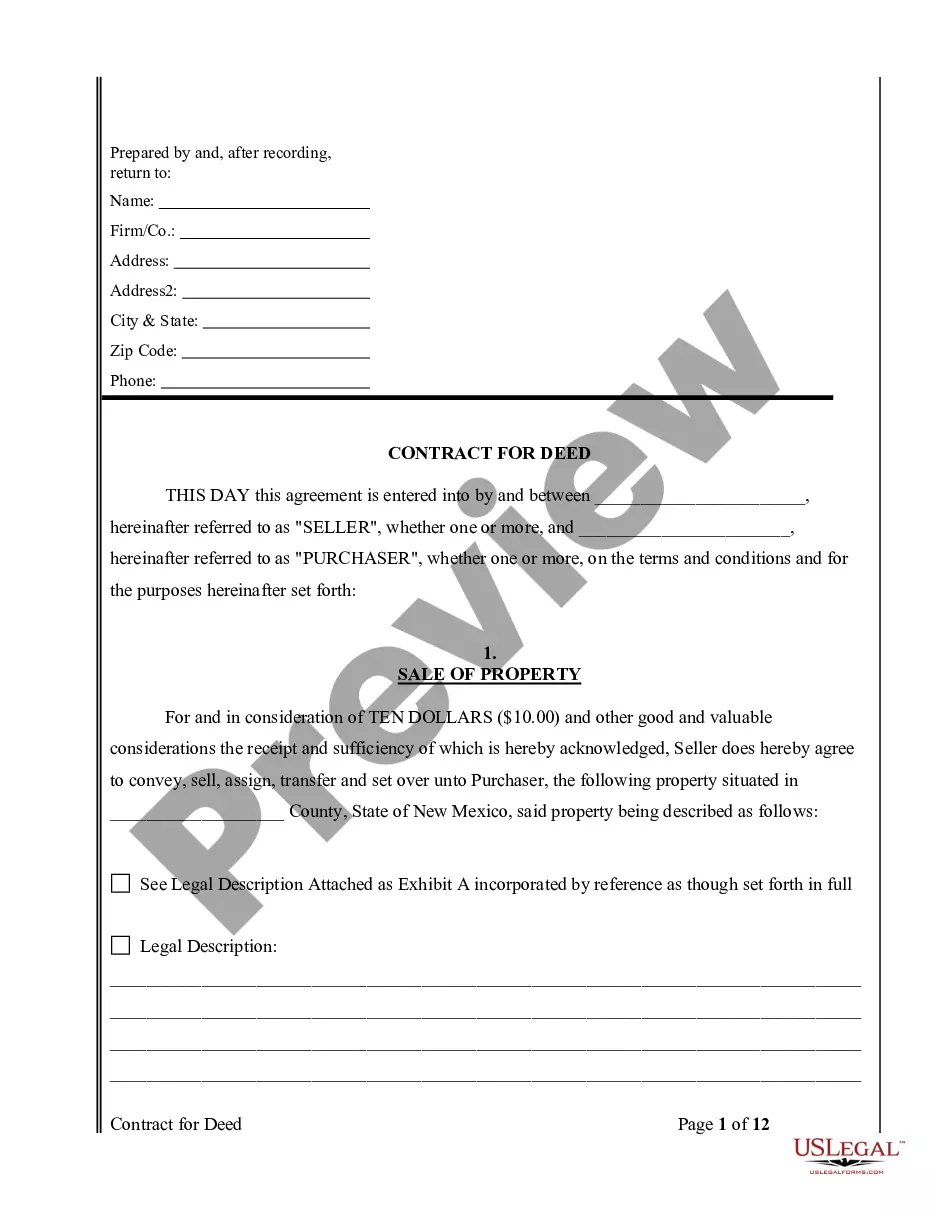
This is a multi-state form covering the subject matter of the title.
Wrongful Termination Court Forced Resignation In Massachusetts
Category:
State:
Multi-State
Control #:
US-000291
Format:
Word;
Rich Text
Instant download
Description
Free preview

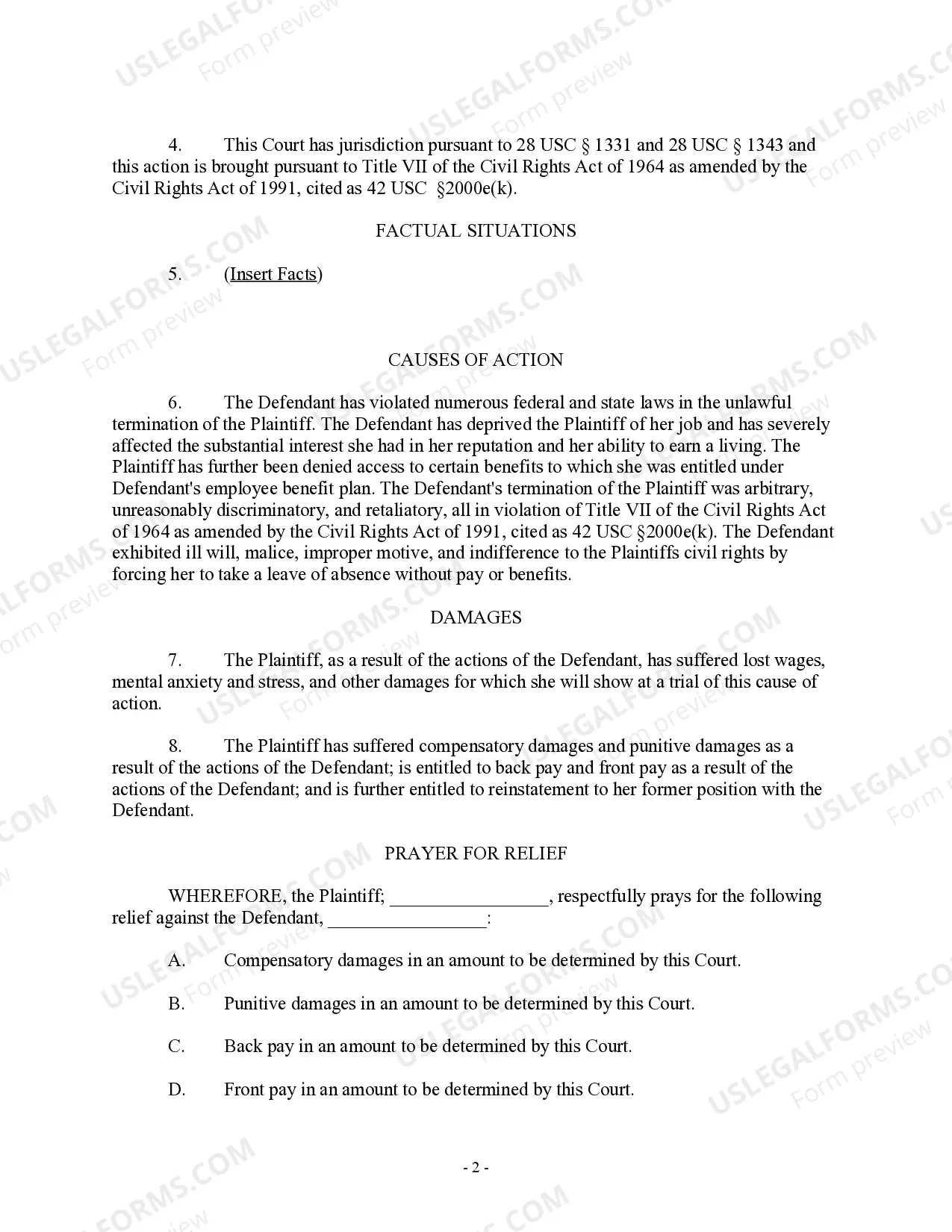
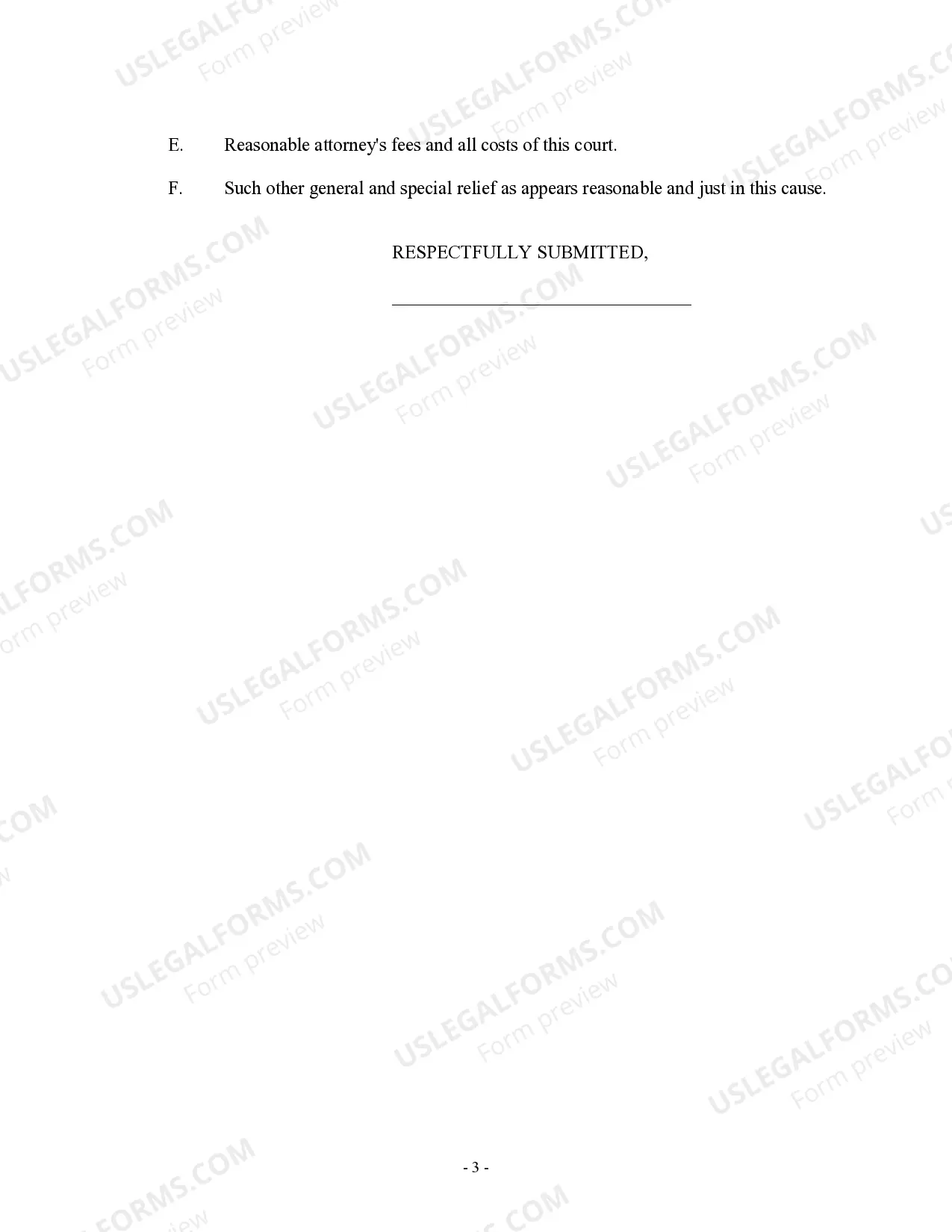



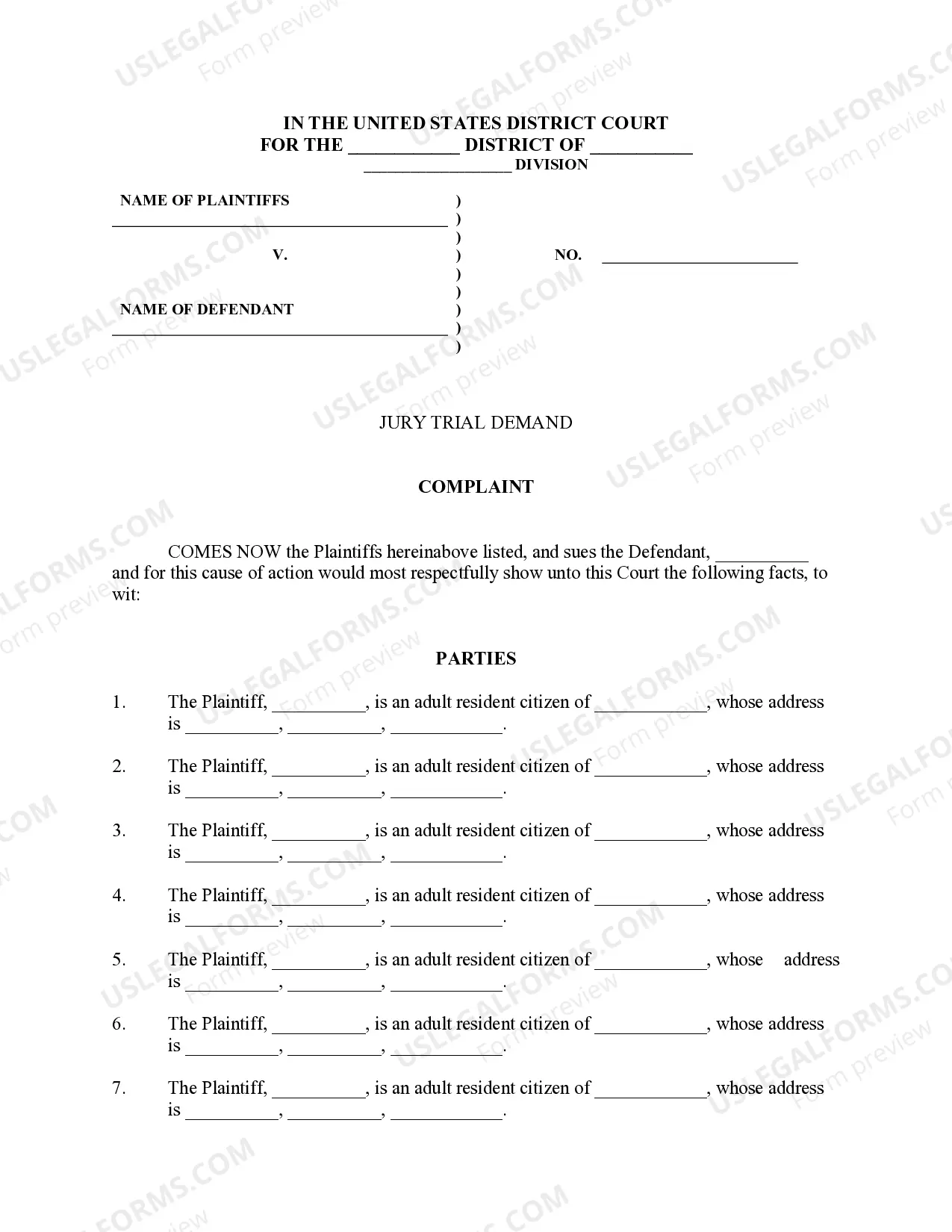
Get your form ready online
Our built-in tools help you complete, sign, share, and store your documents in one place.
Built-in online Word editor
Make edits, fill in missing information, and update formatting in US Legal Forms—just like you would in MS Word.
Export easily
Download a copy, print it, send it by email, or mail it via USPS—whatever works best for your next step.
E-sign your document
Sign and collect signatures with our SignNow integration. Send to multiple recipients, set reminders, and more. Go Premium to unlock E-Sign.
Notarize online 24/7
If this form requires notarization, complete it online through a secure video call—no need to meet a notary in person or wait for an appointment.
Store your document securely
We protect your documents and personal data by following strict security and privacy standards.

Make edits, fill in missing information, and update formatting in US Legal Forms—just like you would in MS Word.

Download a copy, print it, send it by email, or mail it via USPS—whatever works best for your next step.

Sign and collect signatures with our SignNow integration. Send to multiple recipients, set reminders, and more. Go Premium to unlock E-Sign.

If this form requires notarization, complete it online through a secure video call—no need to meet a notary in person or wait for an appointment.

We protect your documents and personal data by following strict security and privacy standards.
Looking for another form?




Form popularity
FAQ
Being forced to resign is different than getting terminated. Due to various circumstances, such as their state laws, a company may not be able to fire you. If they still wish to terminate the relationship, they may then try to force a resignation. Being asked to resign impacts you in a different way than being fired.
In Massachusetts, an at-will employment state, you can quit whenever you choose. Yet, if you feel forced out due to intolerable conditions, you can seek recourse through a constructive discharge claim.
Here are the steps to take if your company forced you to resign: Consider the alternatives. Ask about options for staying at the company. Discuss whether the terms of your resignation are negotiable. Understand your benefits. Consider getting a recommendation. View the situation as an opportunity.
The main difference between resignation and termination lies in who initiated the severance of employment. With a resignation, you decide to end your employment; whereas in contrast, with a termination, your employer makes the decision to end your employment.
What is a forced resignation? A forced resignation is when an employee quits their position of employment as a result of pressure from managers, supervisors or members of a board. Unlike a traditional resignation, where an employee volunteers to give up their employment, forced resignations are involuntary.
Under state and federal law, employers can not terminate employees who engage in protected activities like requesting handicap or religious accommodations; speaking out against sexual harassment; and expressing concerns about age bias, pregnancy discrimination, and other forms of unlawful treatment.
Sure. An employer can ask an employee to resign instead of firing them but the employee may not be entitled to unemployment benefits if they quit. The employer may not want the employee to receive benefits. The employee may not qualify for benefit...
Constructive dismissal explained your employer has committed a serious breach of contract. you felt forced to leave because of that breach. you have not done anything to suggest that you have accepted their breach or a change in employment conditions.