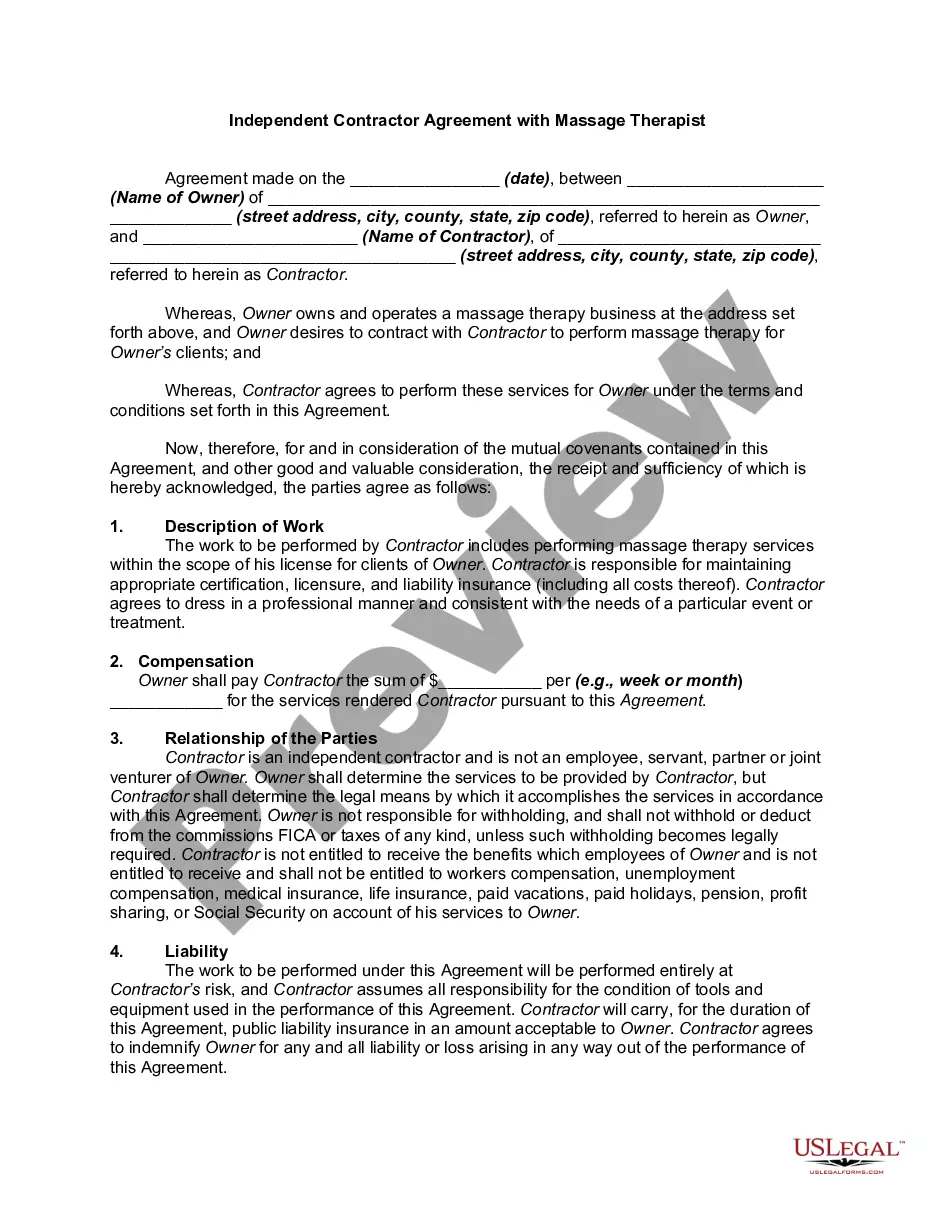
This is a multi-state form covering the subject matter of the title.
Wrongful Termination Court For False Accusations In Maryland
State:
Multi-State
Category:
Control #:
US-000291
Format:
Word;
Rich Text
99 downloads
Description
Free preview

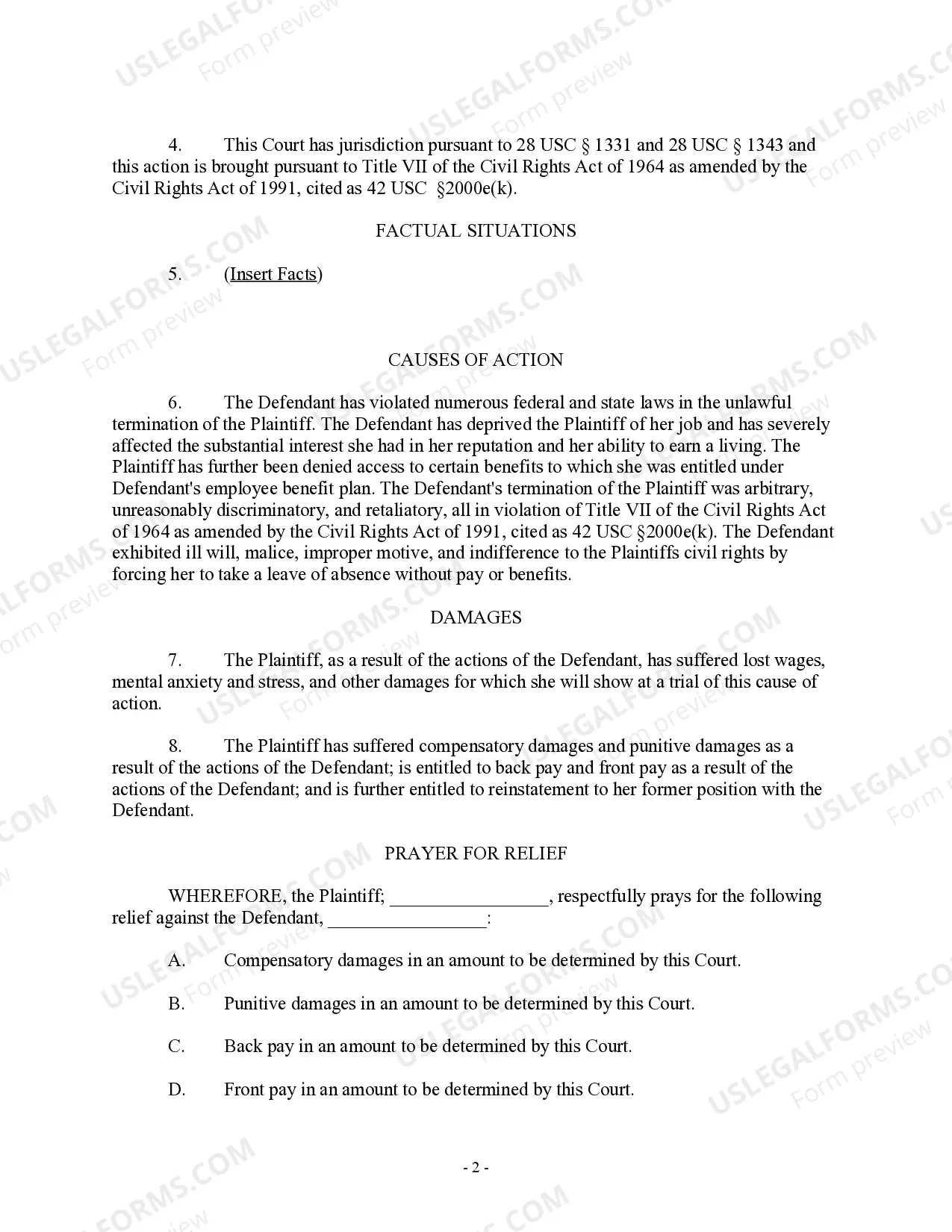
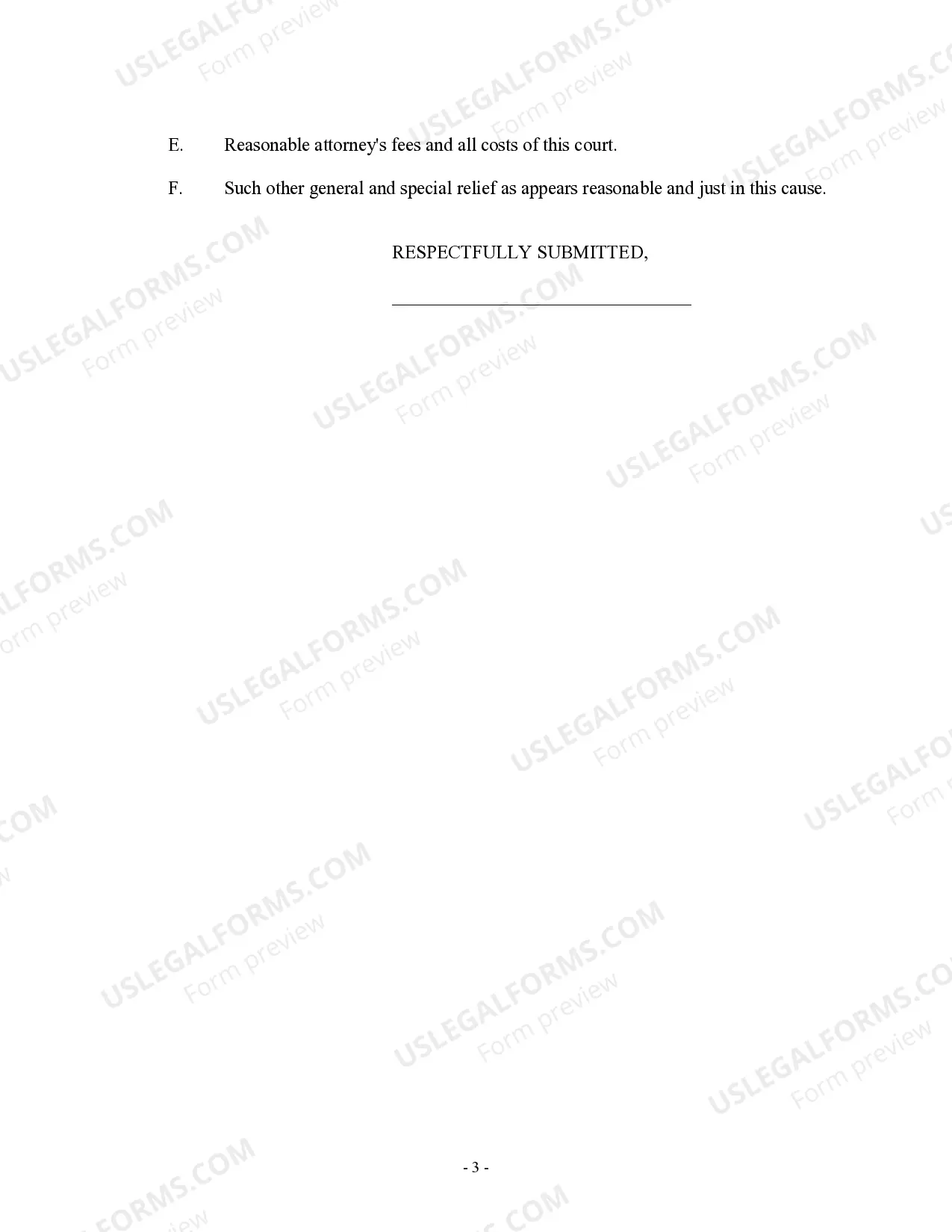



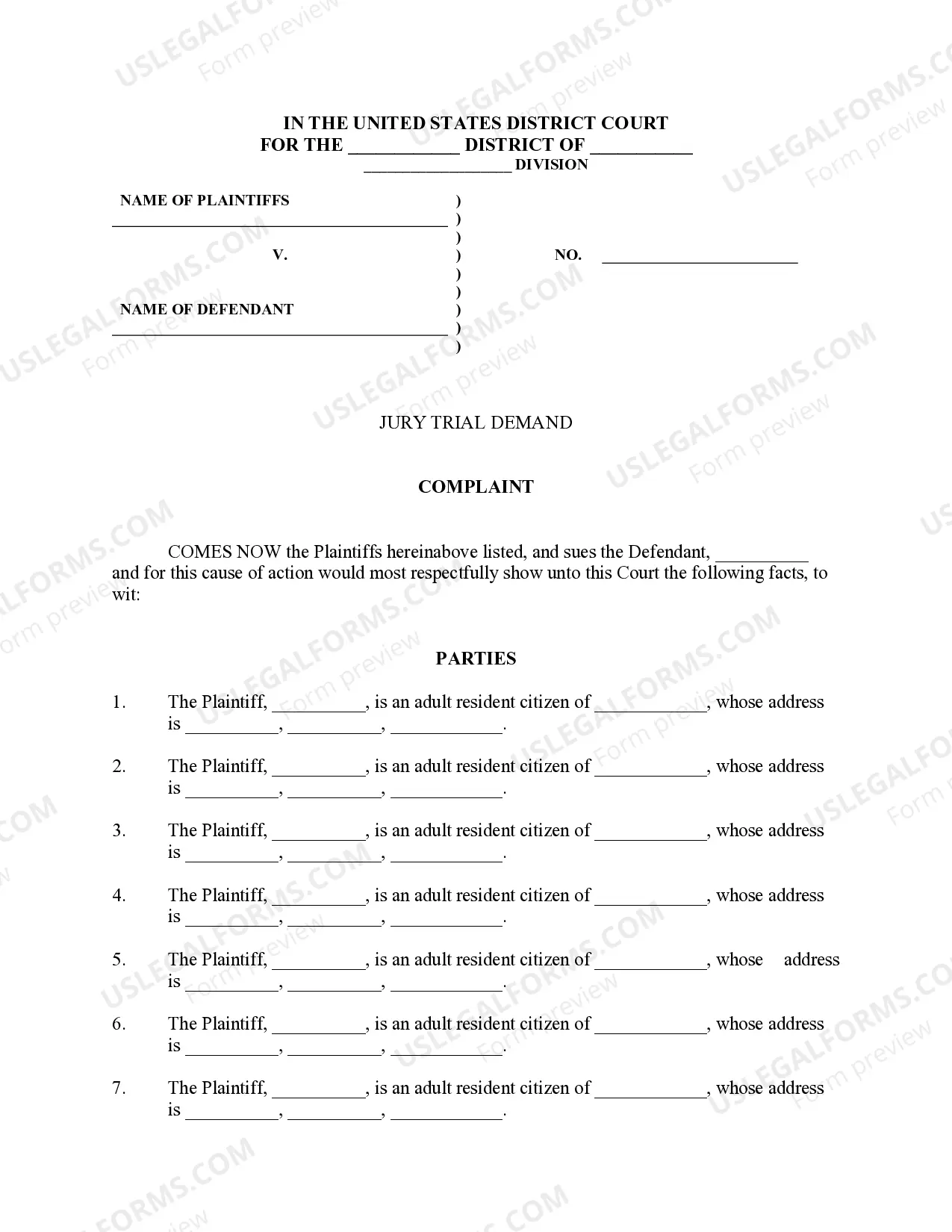
Get your form ready online
Our built-in tools help you complete, sign, share, and store your documents in one place.
Built-in online Word editor
Make edits, fill in missing information, and update formatting in US Legal Forms—just like you would in MS Word.
Export easily
Download a copy, print it, send it by email, or mail it via USPS—whatever works best for your next step.
E-sign your document
Sign and collect signatures with our SignNow integration. Send to multiple recipients, set reminders, and more. Go Premium to unlock E-Sign.
Notarize online 24/7
If this form requires notarization, complete it online through a secure video call—no need to meet a notary in person or wait for an appointment.
Store your document securely
We protect your documents and personal data by following strict security and privacy standards.

Make edits, fill in missing information, and update formatting in US Legal Forms—just like you would in MS Word.

Download a copy, print it, send it by email, or mail it via USPS—whatever works best for your next step.

Sign and collect signatures with our SignNow integration. Send to multiple recipients, set reminders, and more. Go Premium to unlock E-Sign.

If this form requires notarization, complete it online through a secure video call—no need to meet a notary in person or wait for an appointment.

We protect your documents and personal data by following strict security and privacy standards.
Looking for another form?







Form popularity
FAQ
Maryland is an employment-at-will state, which means that without a written employee contract, employees can be terminated for any reason at any time, provided that the reason is not discriminatory and that the employer is not retaliating against the employee for a rightful action.
In Maryland, a full-time employee is defined, ing to the Affordable Care Act (ACA), as someone who works an average of 30 hours per week, or 130 hours per month. Therefore, working 32 hours per week exceeds the state's full-time employment threshold per the ACA guidelines.
To win a wrongful termination case in Maryland, you need to prove three things: Your employer terminated you. Your termination violated Maryland public policy. A connection exists between your termination and the public policy.
Maryland does not require that an employer give notice prior to terminating an employee unless they lay off 25 or more employees for more than seven days. However, it is customary to give two weeks' notice, which can be outlined in an employment agreement (Md. Code, Labor and Employment § 3-501).
Maryland does not require that an employer give notice prior to terminating an employee unless they lay off 25 or more employees for more than seven days. However, it is customary to give two weeks' notice, which can be outlined in an employment agreement (Md. Code, Labor and Employment § 3-501).
You may still wonder, “Can I sue my employer for false accusations?” In some cases, you may be able to file a legal claim following a false allegation. This is especially true if the lie was a pretext for firing you in an illegal manner.
Break Requirements Per Hours Worked: Employee Works:Break Required: More than 4 but 6 or less consecutive hours None 4 to 6 consecutive hours 15 minute break More than 6 consecutive hours 30 minute break1 more row
You can dismiss an employee without a written warning. But these are normally related to instant dismissal like gross misconduct and illegal activity. However, providing a written warning can be beneficial if your dismissal is challenged in a court.
As noted above, Maryland law allows wrongful termination claims when the firing was based on a clear violation of public policy. Some examples of employee terminations that could violate public policy include: Employees who refuse to work in an unsafe environment.