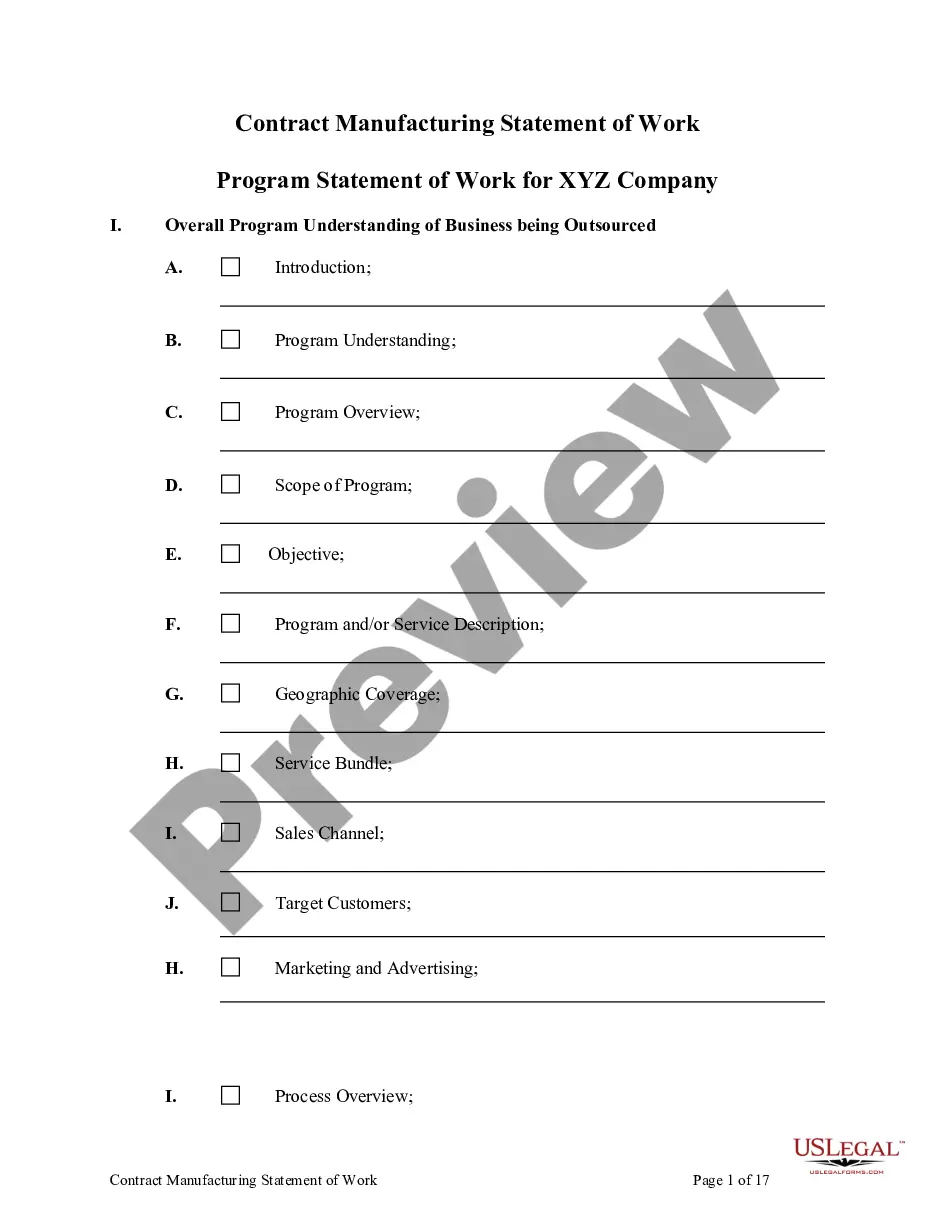
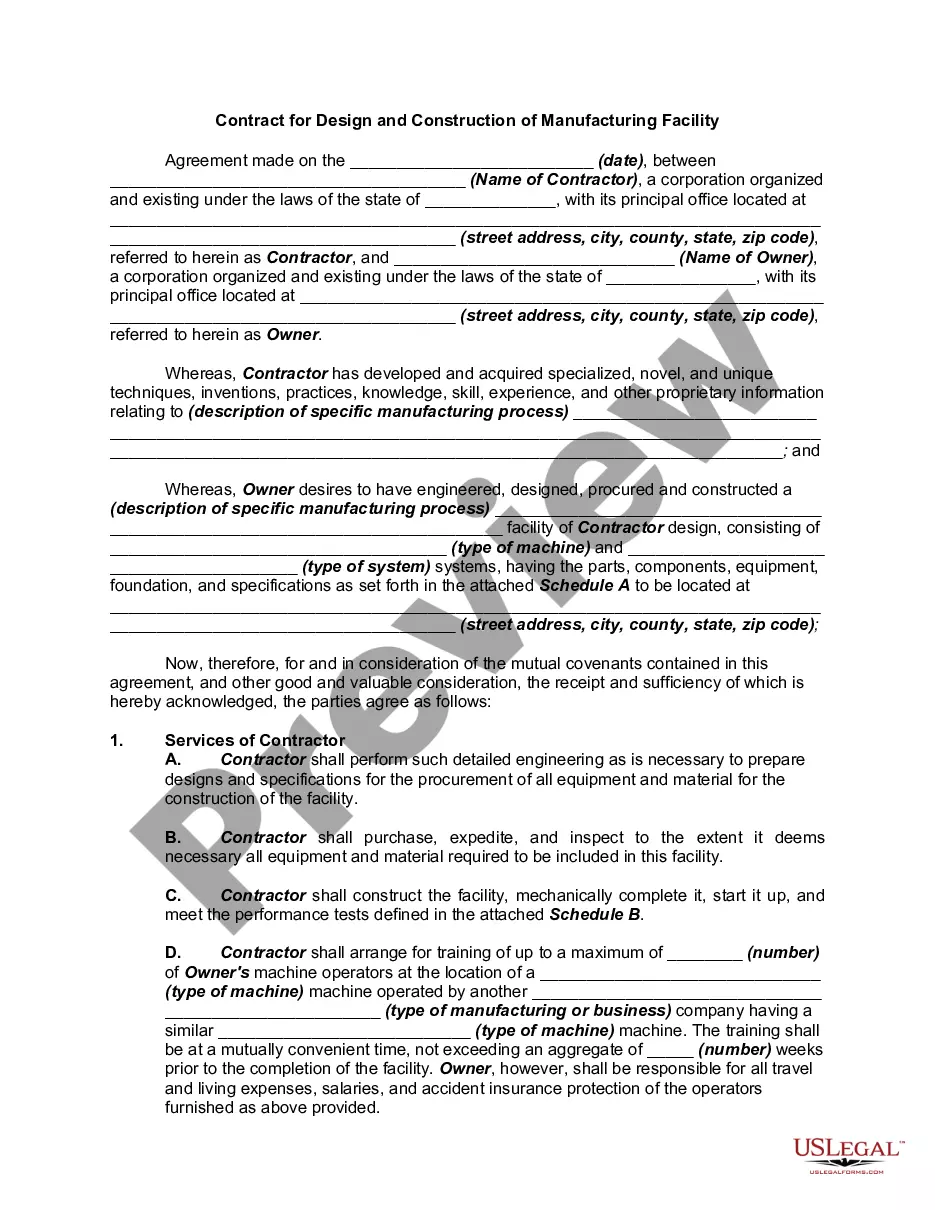
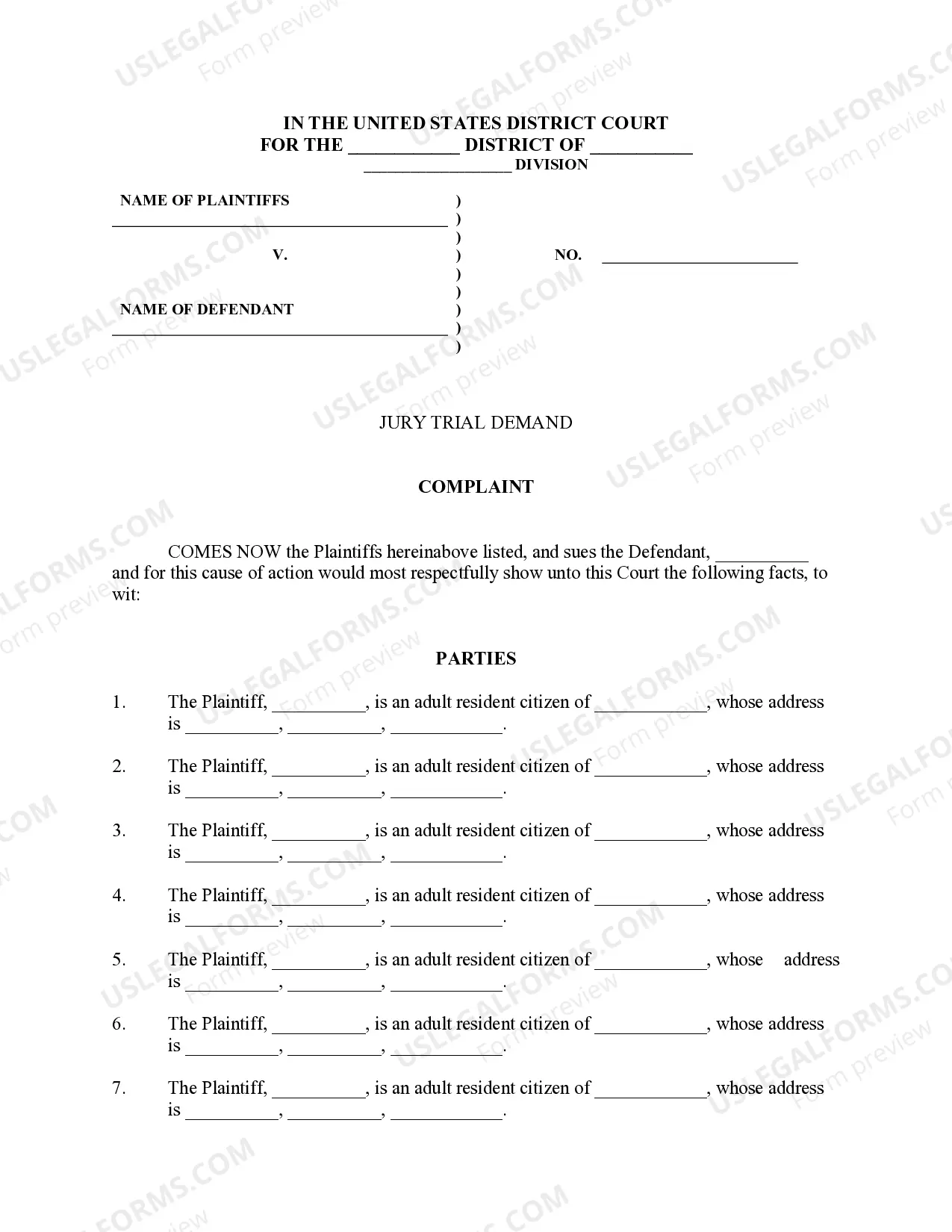
This is a multi-state form covering the subject matter of the title.
Wrongful Termination Court For Retaliation In Maricopa
Category:
State:
Multi-State
County:
Maricopa
Control #:
US-000291
Format:
Word;
Rich Text
Instant download
Description
Free preview

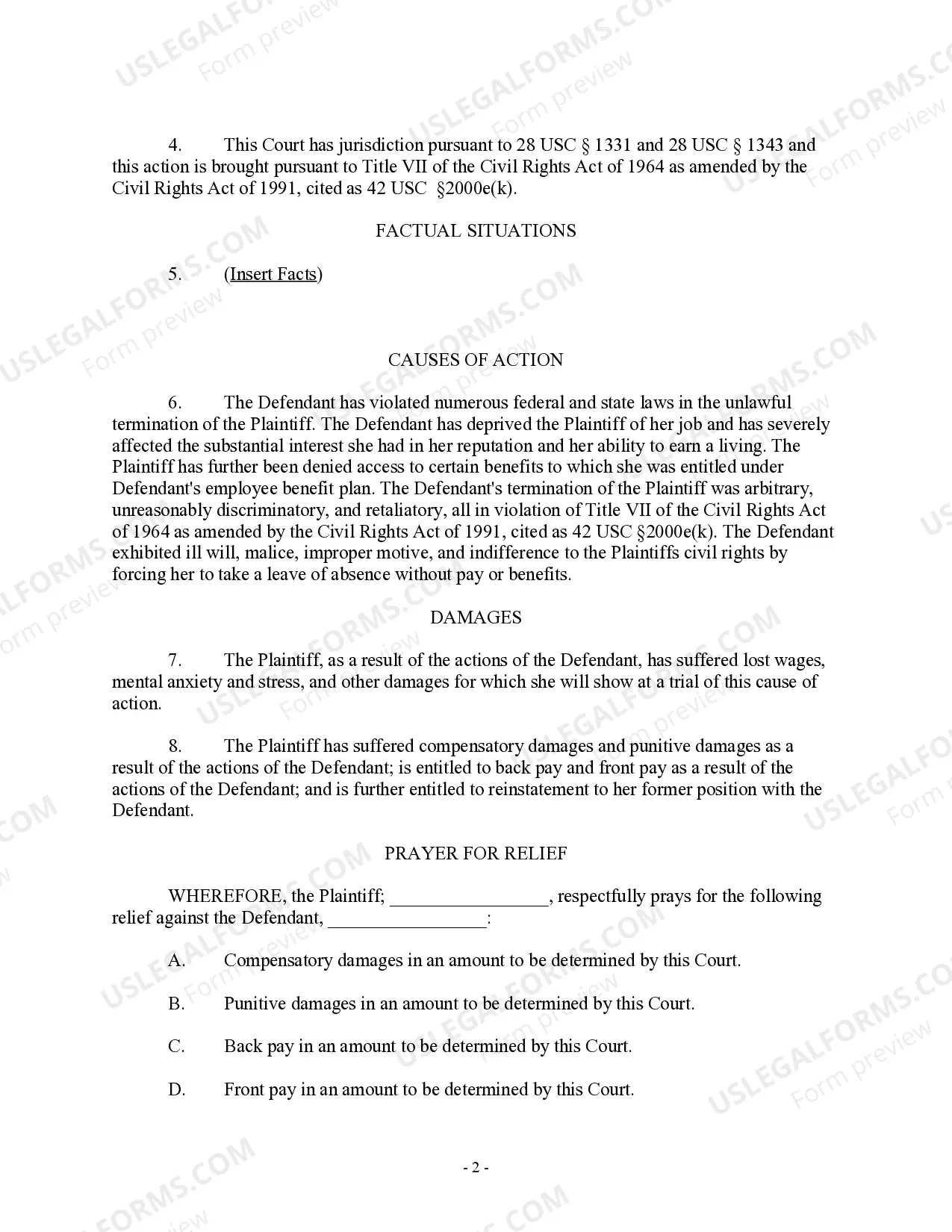
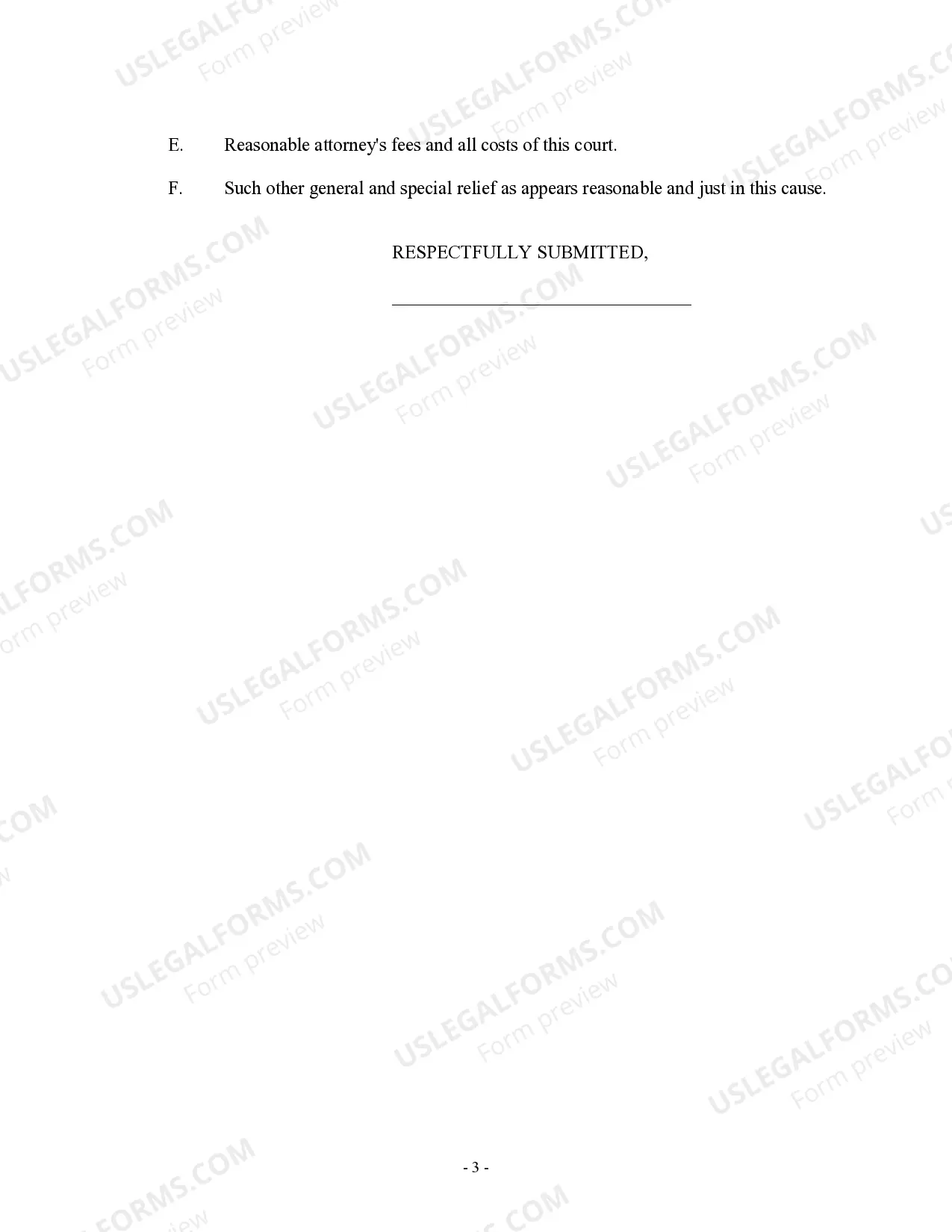



Get your form ready online
Our built-in tools help you complete, sign, share, and store your documents in one place.
Built-in online Word editor
Make edits, fill in missing information, and update formatting in US Legal Forms—just like you would in MS Word.
Export easily
Download a copy, print it, send it by email, or mail it via USPS—whatever works best for your next step.
E-sign your document
Sign and collect signatures with our SignNow integration. Send to multiple recipients, set reminders, and more. Go Premium to unlock E-Sign.
Notarize online 24/7
If this form requires notarization, complete it online through a secure video call—no need to meet a notary in person or wait for an appointment.
Store your document securely
We protect your documents and personal data by following strict security and privacy standards.

Make edits, fill in missing information, and update formatting in US Legal Forms—just like you would in MS Word.

Download a copy, print it, send it by email, or mail it via USPS—whatever works best for your next step.

Sign and collect signatures with our SignNow integration. Send to multiple recipients, set reminders, and more. Go Premium to unlock E-Sign.

If this form requires notarization, complete it online through a secure video call—no need to meet a notary in person or wait for an appointment.

We protect your documents and personal data by following strict security and privacy standards.
Looking for another form?



Form popularity
FAQ
When you have a lawyer for a wrongful termination case the likelihood of receiving compensation is 64% and the likelihood of receiving compensation without a lawyer is 30%.
You must prove that your firing violated California labor laws or public policy. Documentation and witness statements are essential in establishing this. Causation. You must show a direct link between your termination and the illegal reason, such as discrimination or retaliation.
You'll need to file the complaint within 30 days of the alleged reprisal. In the state of Arizona, the attorney general's office handles complaints of discrimination, retaliation, and wrongful termination. You can file a complaint with the Civil Rights Division on the website.
Winning a retaliation case can be daunting, but it is possible when you have strong evidence on your side. Your case is only as strong as the evidence you have. In other words, you need to substantiate your claim with facts and evidence. That is when your case gains strength and credibility.
Yes, it can be worth suing in certain situations when you have a strong case and believe that you have been wronged. Suing may be worth it to seek justice, hold the responsible party accountable, and obtain compensation for damages, lost wages, or emotional distress caused by workplace retaliation.
Retaliation is an unlawful payback by an employer for something an employee did that was lawful. Workers who are found to be victims of employer retaliation can sue in court for damages.
Yes. As long as you oppose unlawful discrimination, you are protected from retaliation. The discrimination does not have to be directed at you. However, you must engage in some sort of conduct to oppose it, and your employer must have knowledge of that conduct.
Although the specific evidence can vary from case to case, your attorney can help you prove that: You've faced or witnessed some form of illegal harassment or discrimination. You took part in a protected activity. In response, your employer took adverse action against you (demotion, termination, etc.).