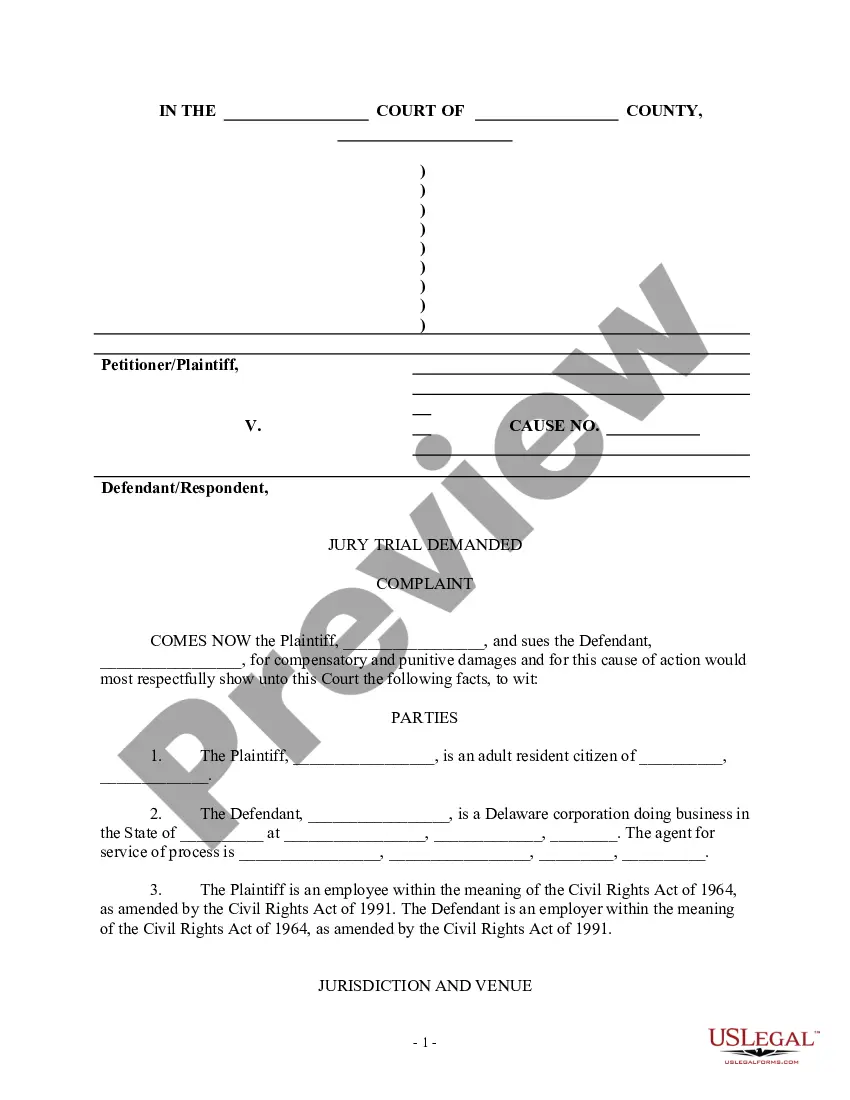
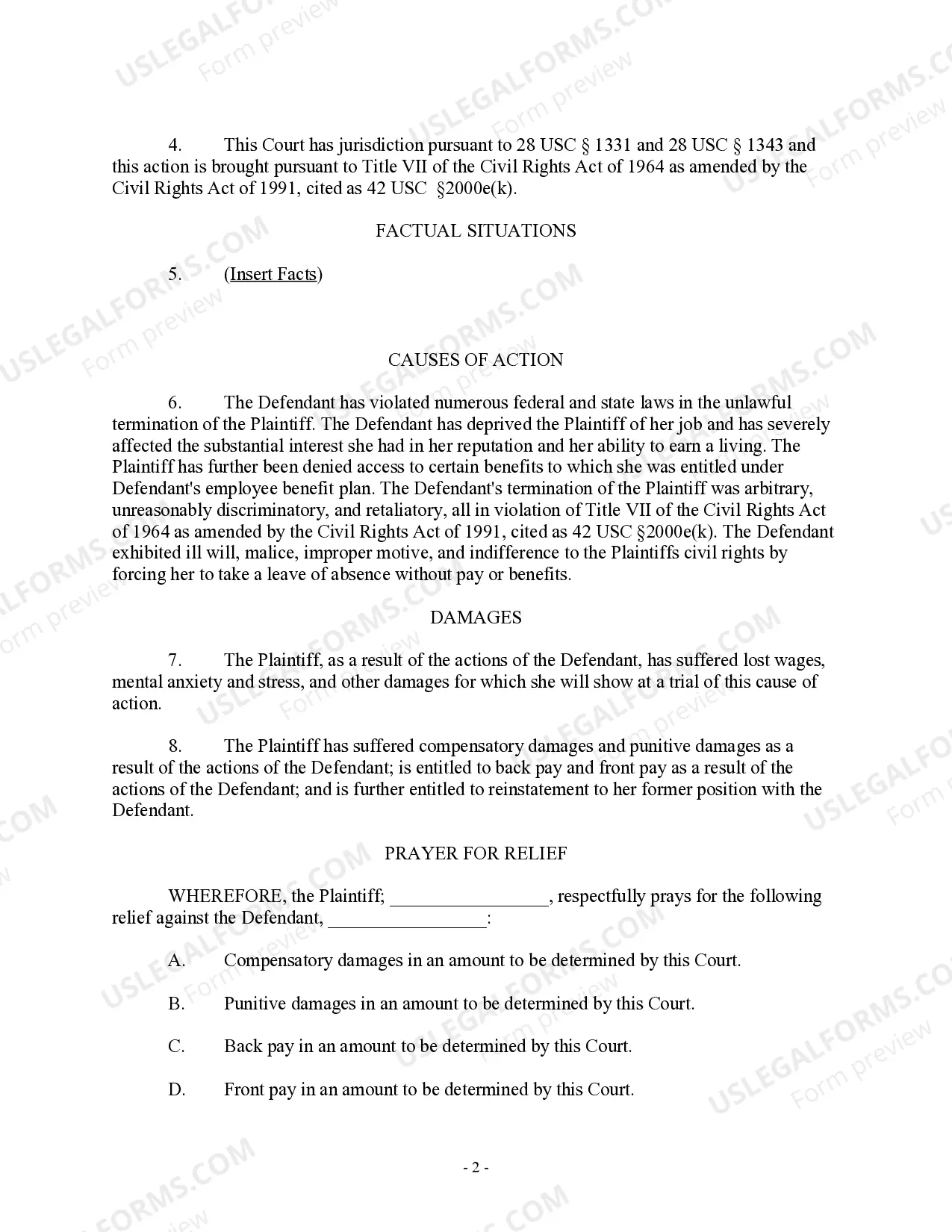
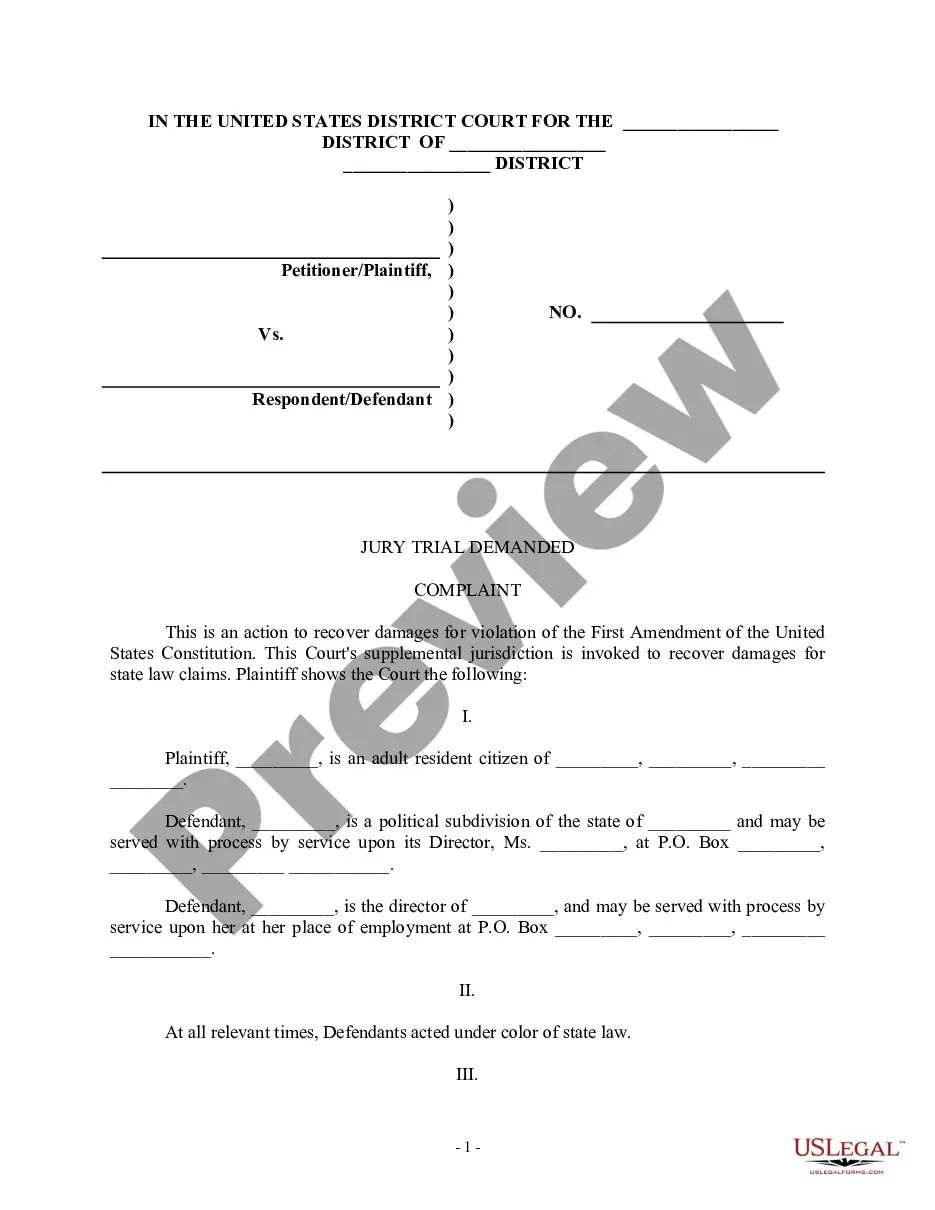
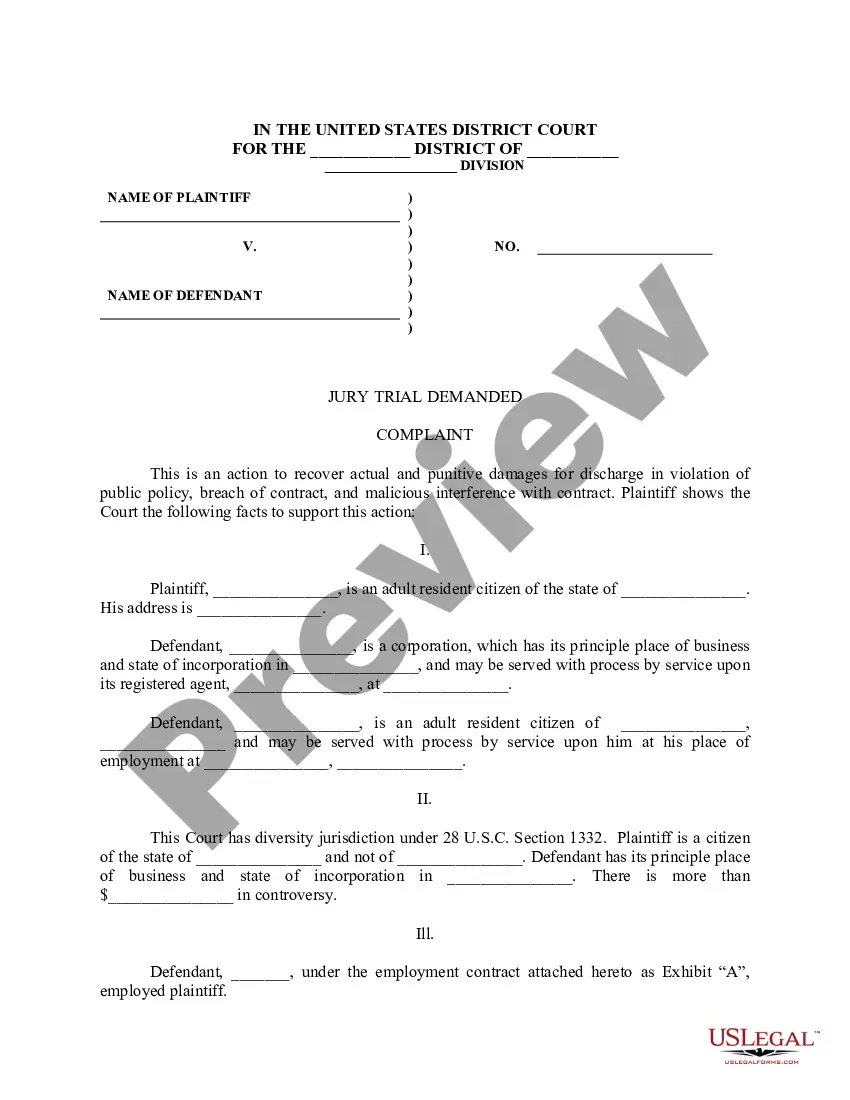
This is a multi-state form covering the subject matter of the title.
Civil Rights In Court In Maricopa
State:
Multi-State
Category:
County:
Maricopa
Control #:
US-000291
Format:
Word;
Rich Text
93 downloads
Description
Free preview

Get your form ready online
Our built-in tools help you complete, sign, share, and store your documents in one place.
Built-in online Word editor
Make edits, fill in missing information, and update formatting in US Legal Forms—just like you would in MS Word.
Export easily
Download a copy, print it, send it by email, or mail it via USPS—whatever works best for your next step.
E-sign your document
Sign and collect signatures with our SignNow integration. Send to multiple recipients, set reminders, and more. Go Premium to unlock E-Sign.
Notarize online 24/7
If this form requires notarization, complete it online through a secure video call—no need to meet a notary in person or wait for an appointment.
Store your document securely
We protect your documents and personal data by following strict security and privacy standards.

Make edits, fill in missing information, and update formatting in US Legal Forms—just like you would in MS Word.

Download a copy, print it, send it by email, or mail it via USPS—whatever works best for your next step.

Sign and collect signatures with our SignNow integration. Send to multiple recipients, set reminders, and more. Go Premium to unlock E-Sign.

If this form requires notarization, complete it online through a secure video call—no need to meet a notary in person or wait for an appointment.

We protect your documents and personal data by following strict security and privacy standards.
Looking for another form?

Form popularity
FAQ
Loss & restoration of civil/firearms rights The right to vote is restored automatically after completion of sentence, including payment of fines and restitution. The right to serve on a jury can only be restored by a pardon. A person convicted of certain crimes of dishonesty loses the right to hold state office.
Ferguson in the 1896 case and Brown v. Board of Education in 1954, probably the most famous of all civil rights cases, the Brown case. The 1896 Plessy case was a case in which the Supreme Court reviewed a state law requiring racial segregation. In this case it was taking about rail roads.
There are also state civil rights laws, and other state laws, which may grant you more protection than the federal law. You can sue in federal court or state court depending on the circumstances of your case.
The person shall file an application with the courts, and the court shall grant the application without hearing a response from the state or holding a hearing. Once the right to vote have been restored, the person can then register to vote.
Loss & restoration of civil/firearms rights For those convicted of two or more felonies, or who have unpaid restitution, these rights may be restored by the court “on final discharge,” and after two years for those sentenced to prison. A person convicted of a felony also loses the right to possess a firearm.
For a person convicted of two or more felonies, an applicant's statement in support of the request to restore right to possess or carry firearm should be considered and a court may grant the restoration of the right to possess a firearm.
In the Rule 11 process, the Court orders two Mental Health Experts to meet with the defendant, conduct competency evaluations, review records, and render opinions on the legal competency status of the defendant in reports submitted to the Court.