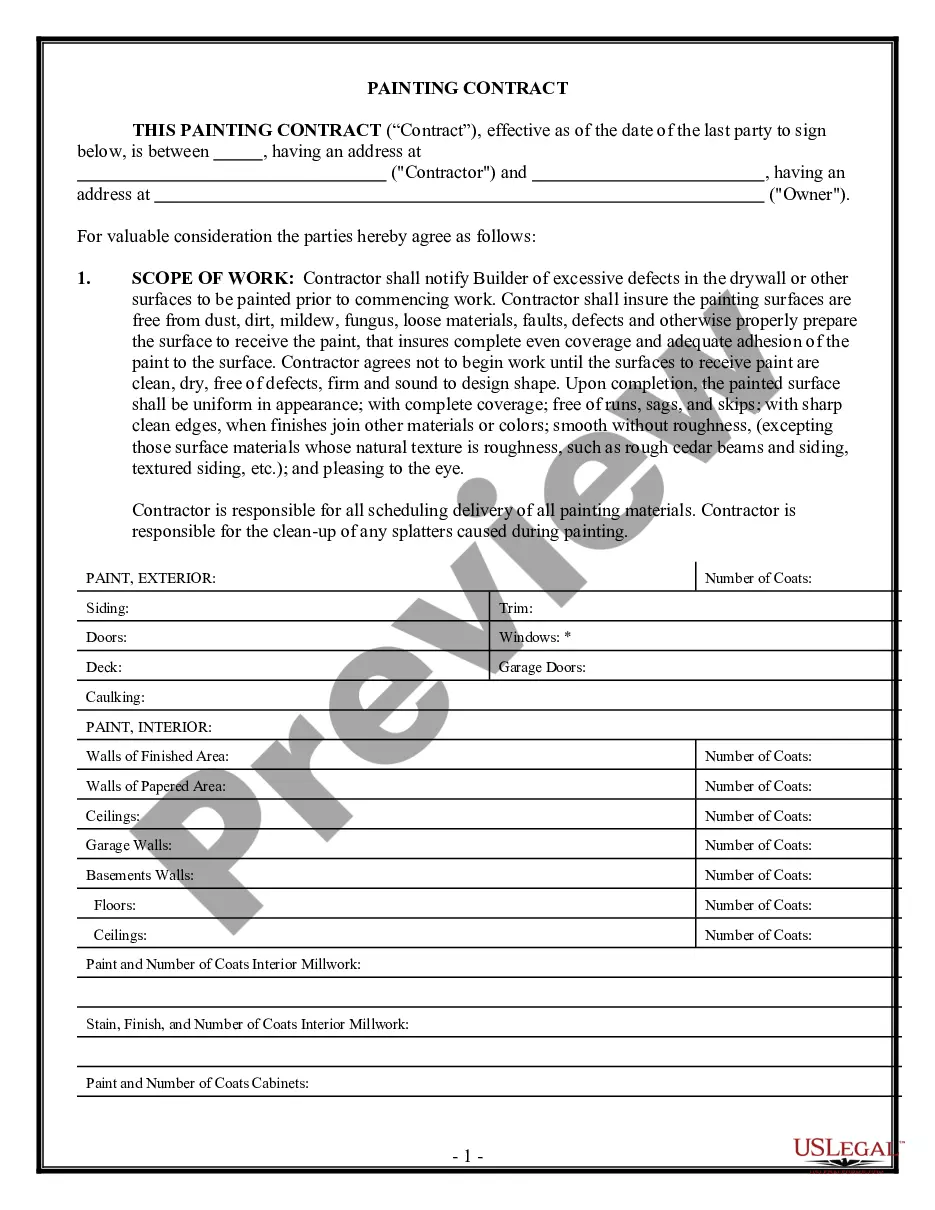
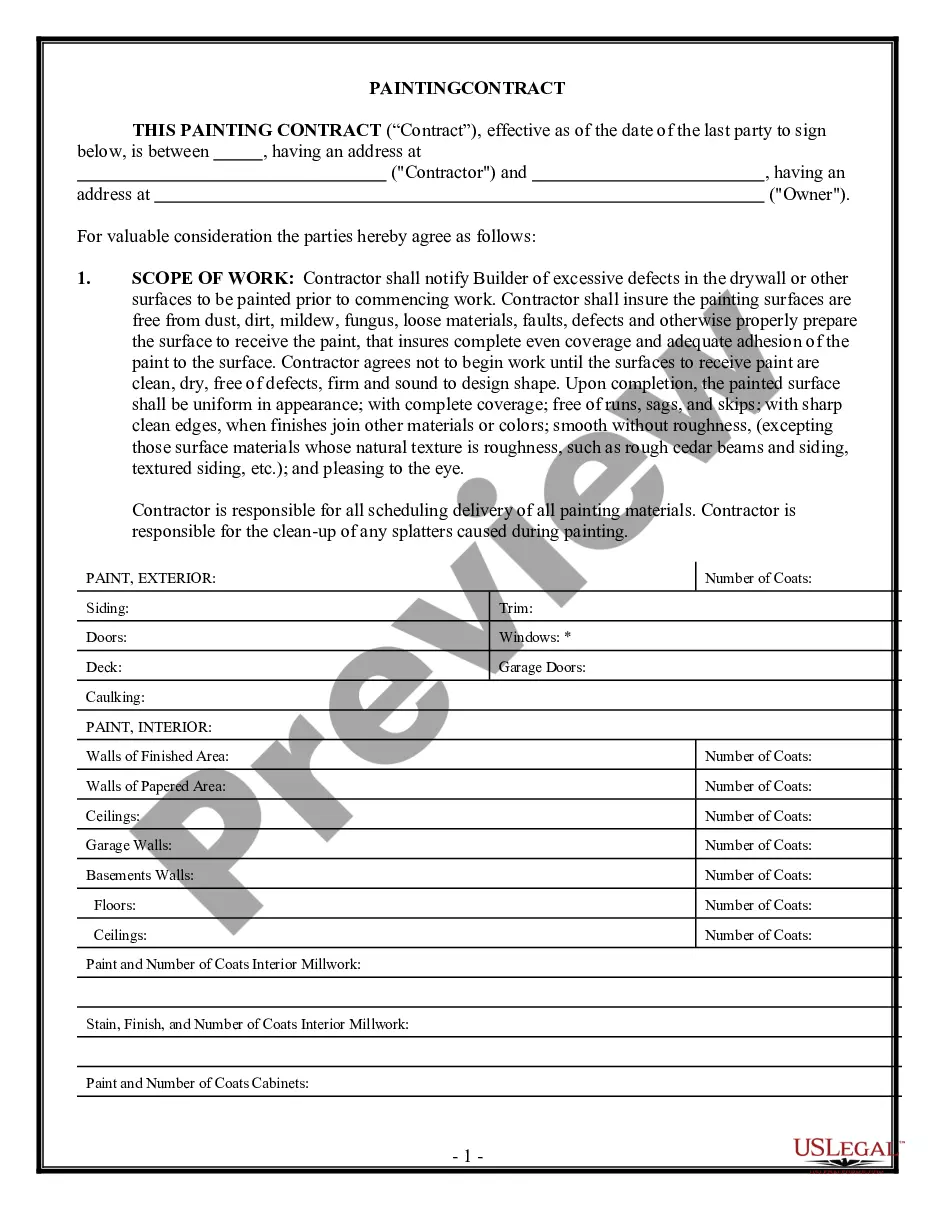
This is a multi-state form covering the subject matter of the title.
Wrongful Termination Court Form California In Hennepin
State:
Multi-State
Category:
County:
Hennepin
Control #:
US-000291
Format:
Word;
Rich Text
99 downloads
Description
Free preview

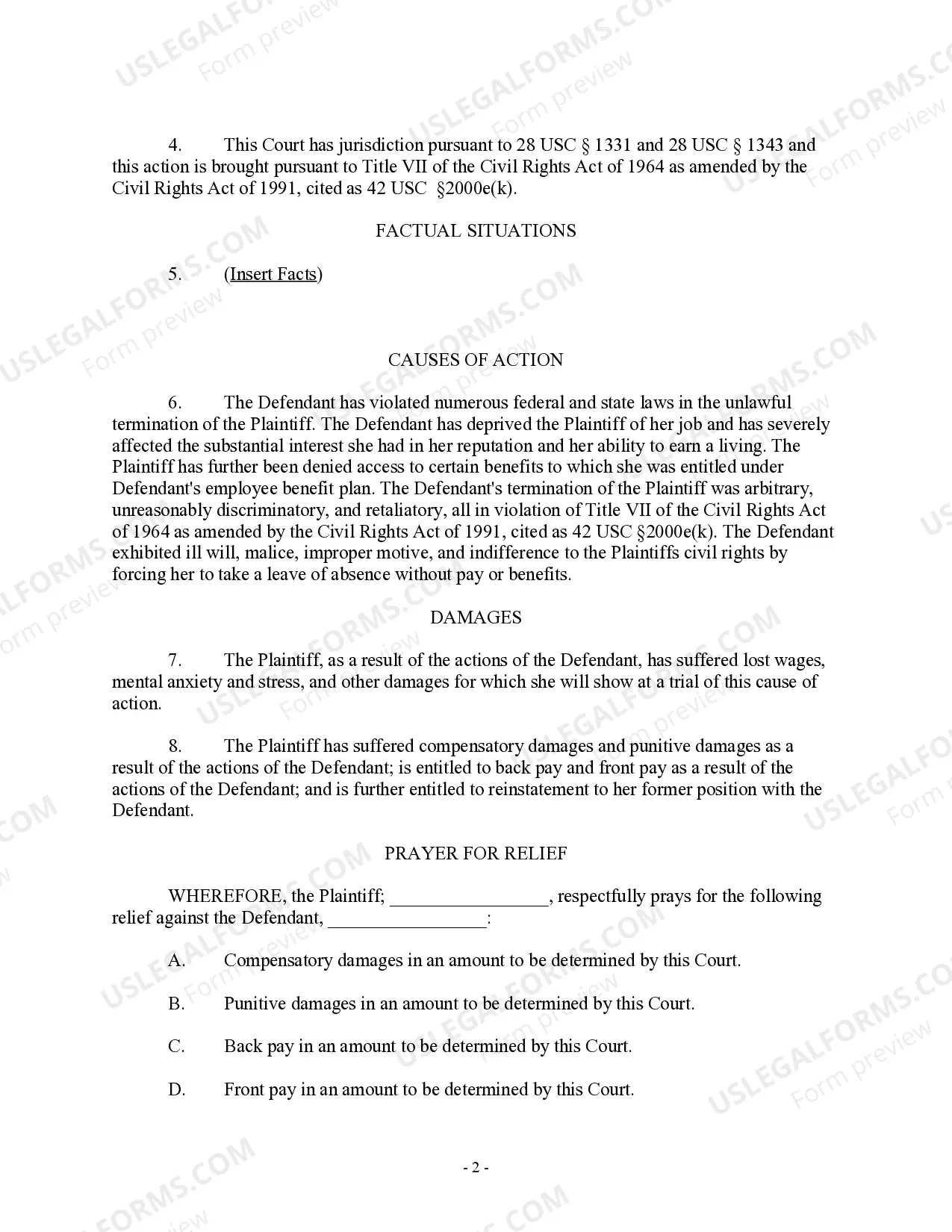
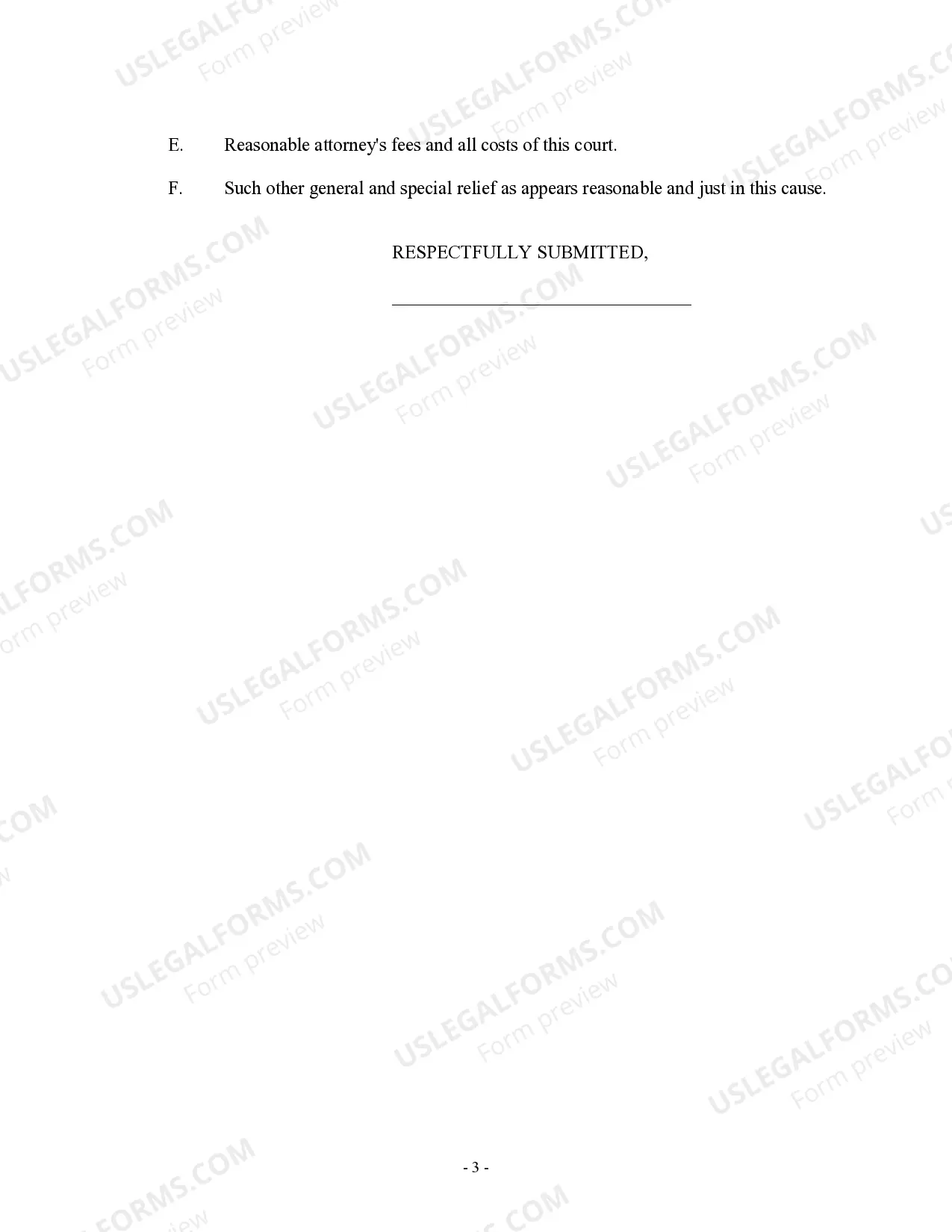



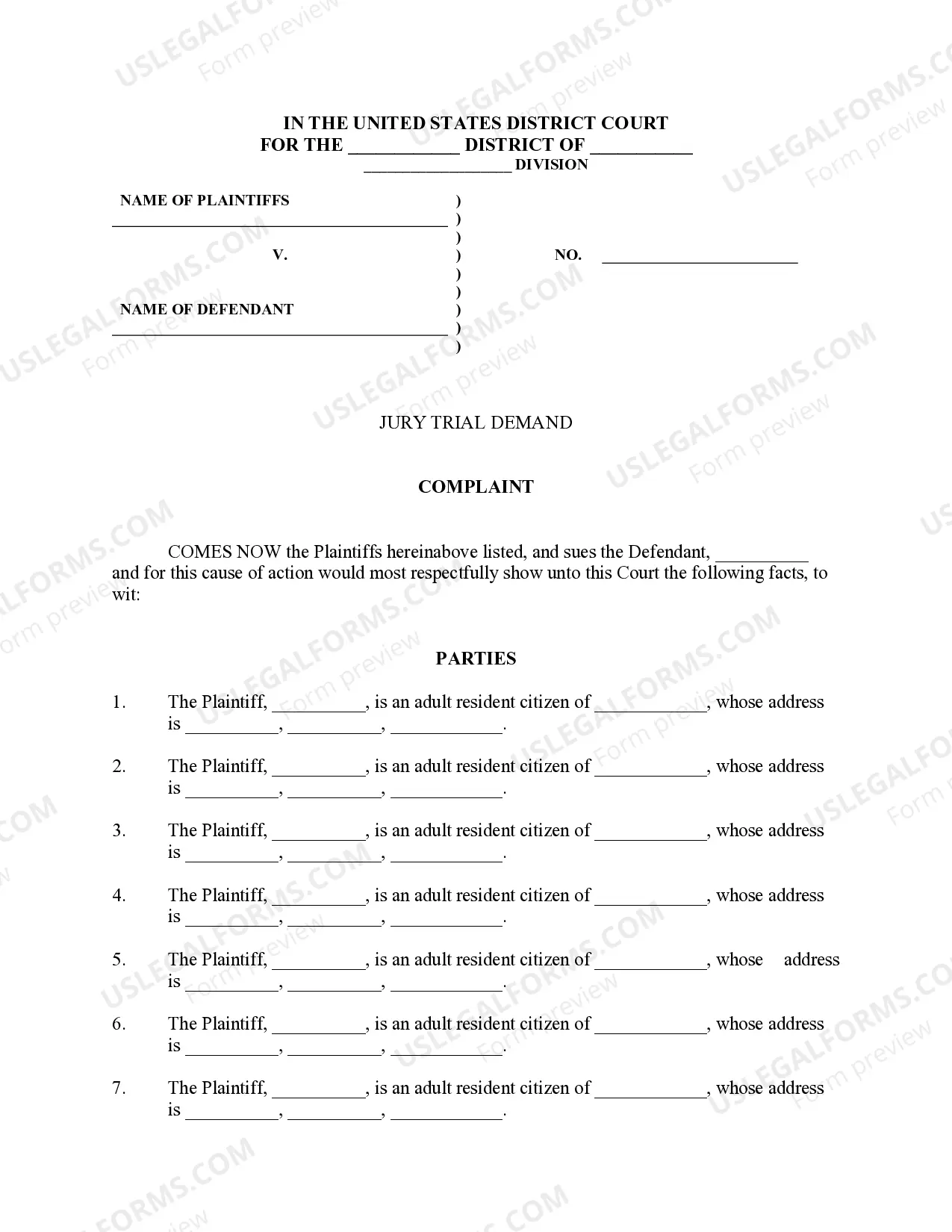
Get your form ready online
Our built-in tools help you complete, sign, share, and store your documents in one place.
Built-in online Word editor
Make edits, fill in missing information, and update formatting in US Legal Forms—just like you would in MS Word.
Export easily
Download a copy, print it, send it by email, or mail it via USPS—whatever works best for your next step.
E-sign your document
Sign and collect signatures with our SignNow integration. Send to multiple recipients, set reminders, and more. Go Premium to unlock E-Sign.
Notarize online 24/7
If this form requires notarization, complete it online through a secure video call—no need to meet a notary in person or wait for an appointment.
Store your document securely
We protect your documents and personal data by following strict security and privacy standards.

Make edits, fill in missing information, and update formatting in US Legal Forms—just like you would in MS Word.

Download a copy, print it, send it by email, or mail it via USPS—whatever works best for your next step.

Sign and collect signatures with our SignNow integration. Send to multiple recipients, set reminders, and more. Go Premium to unlock E-Sign.

If this form requires notarization, complete it online through a secure video call—no need to meet a notary in person or wait for an appointment.

We protect your documents and personal data by following strict security and privacy standards.
Looking for another form?






Form popularity
FAQ
How do I fill this out? Review the form to understand the required sections. Fill in the plaintiff and defendant details accurately. Select the reason for dismissal from the listed options. Ensure the motion is signed by the plaintiff or their attorney. Print the completed forms and bring them to court.
Begin with a clear and concise introduction, stating the grounds for dismissal. Follow with a detailed argument section that outlines why the complaint should be dismissed, supported by legal authorities. Use Casefleet's customizable reports to organize your arguments and ensure all critical points are covered.
Parties to a case may use motions to ask the judge for specific relief, such as case dismissal. Motions usually contain a written brief which explains the legal argument for case dismissal.
To fill out the Request for Dismissal form, start by entering the attorney or party information at the top. Next, indicate whether the dismissal is with or without prejudice, and specify the action being dismissed. Lastly, provide your signature and date to complete the form.
Petition for Dismissal (California Expungement) The court clerk. Get the court forms you will need to request an expungement from the court: the Petition for Dismissal (form CR-180) and the Order for Dismissal (form CR-181) ... Fill out your court forms (Petition AND Order)
Request for Dismissal (CIV-110) Tell the court and the parties that you do not want to go forward with the case. You also need to use Notice of Entry of Dismissal and Proof of Service (form CIV-120). Get form CIV-110. Effective: January 1, 2025.
How to fill out the Request for Dismissal Under California Family Code? Start by entering your contact information. Indicate the case number and names of the parties involved. Select the type of dismissal you are requesting. Sign and date the form at the designated areas. Submit the completed form to the court clerk.
While getting a case dismissed isn't guaranteed, there are five easy ways to fight for dismissal in San Jose, CA. File A Pretrial Motion To Suppress. Participate In A Pretrial Diversion Program. Collect Exculpatory Evidence. Argue That There Is Insufficient Evidence. Challenge Scientific Evidence.
Case Management Statement (CM-110) Tells the court information about the progress of a case, so the court can determine when the case will be ready for trial or some other means of resolving the dispute. Filed and served at least 15 days before a case management conference. Get form CM-110.
Fill out the Summons (form SUM-100) and a Complaint. Also, fill out a Civil Case Cover Sheet (form CM-010). Since you are the one filing a lawsuit, you're called the plaintiff. The person or company you're suing is the defendant.