This is a multi-state form covering the subject matter of the title.
Famous Civil Rights Court Cases In Fulton
State:
Multi-State
Category:
County:
Fulton
Control #:
US-000291
Format:
Word;
Rich Text
93 downloads
Description
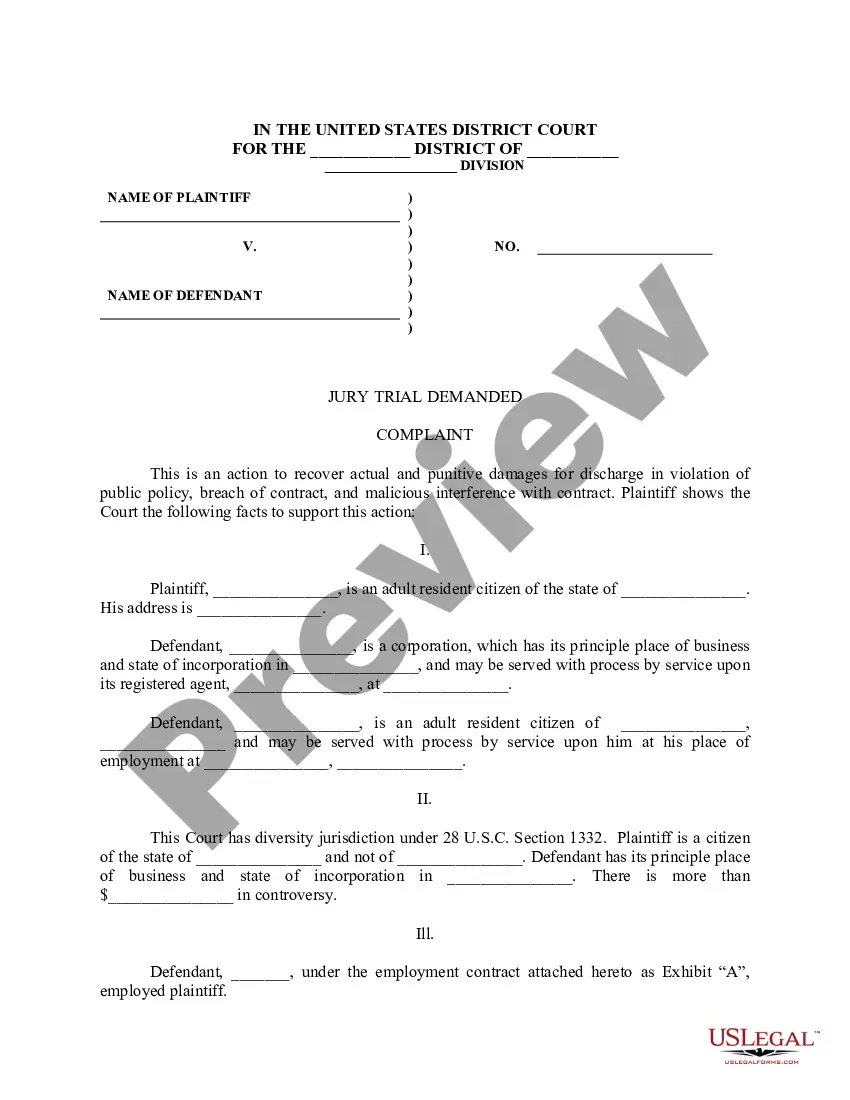
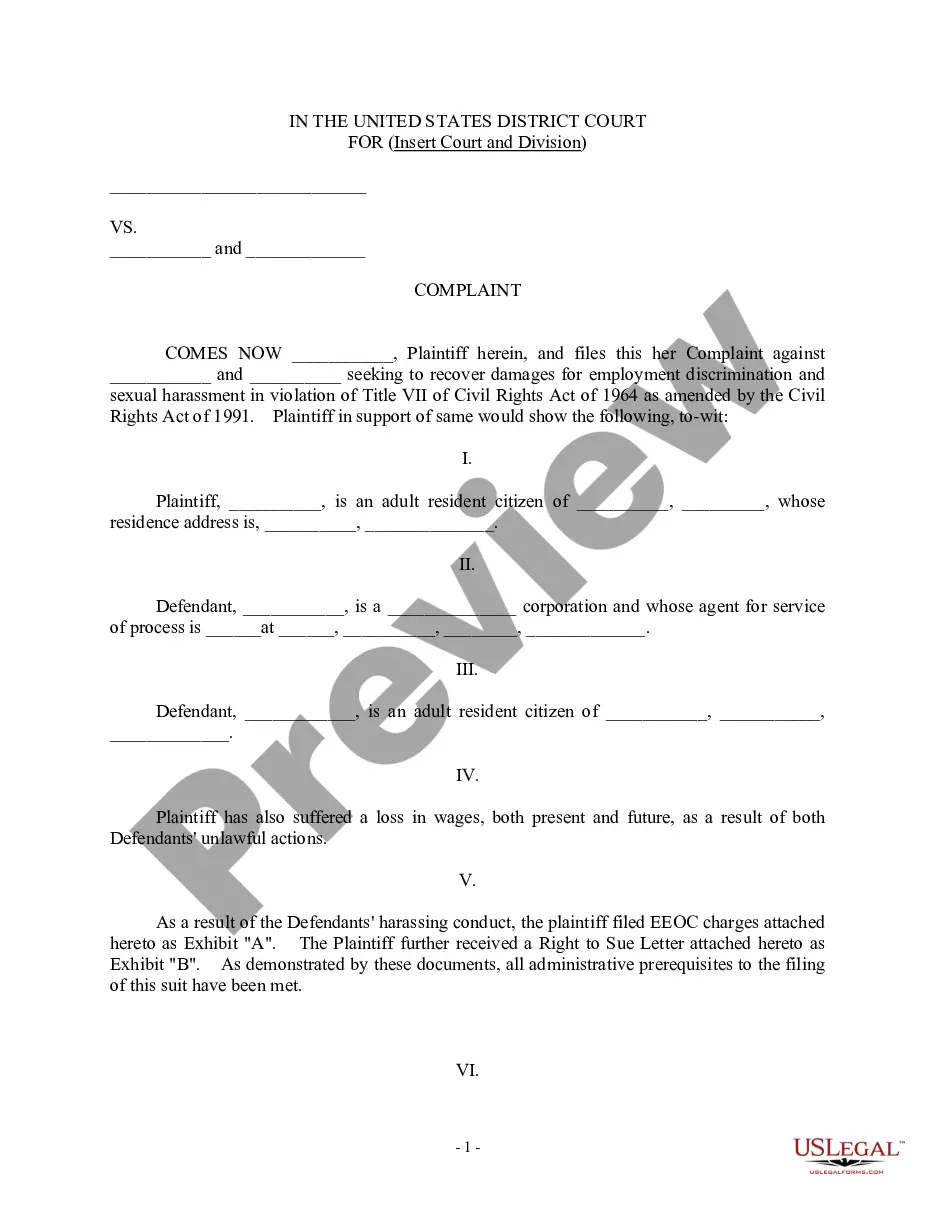
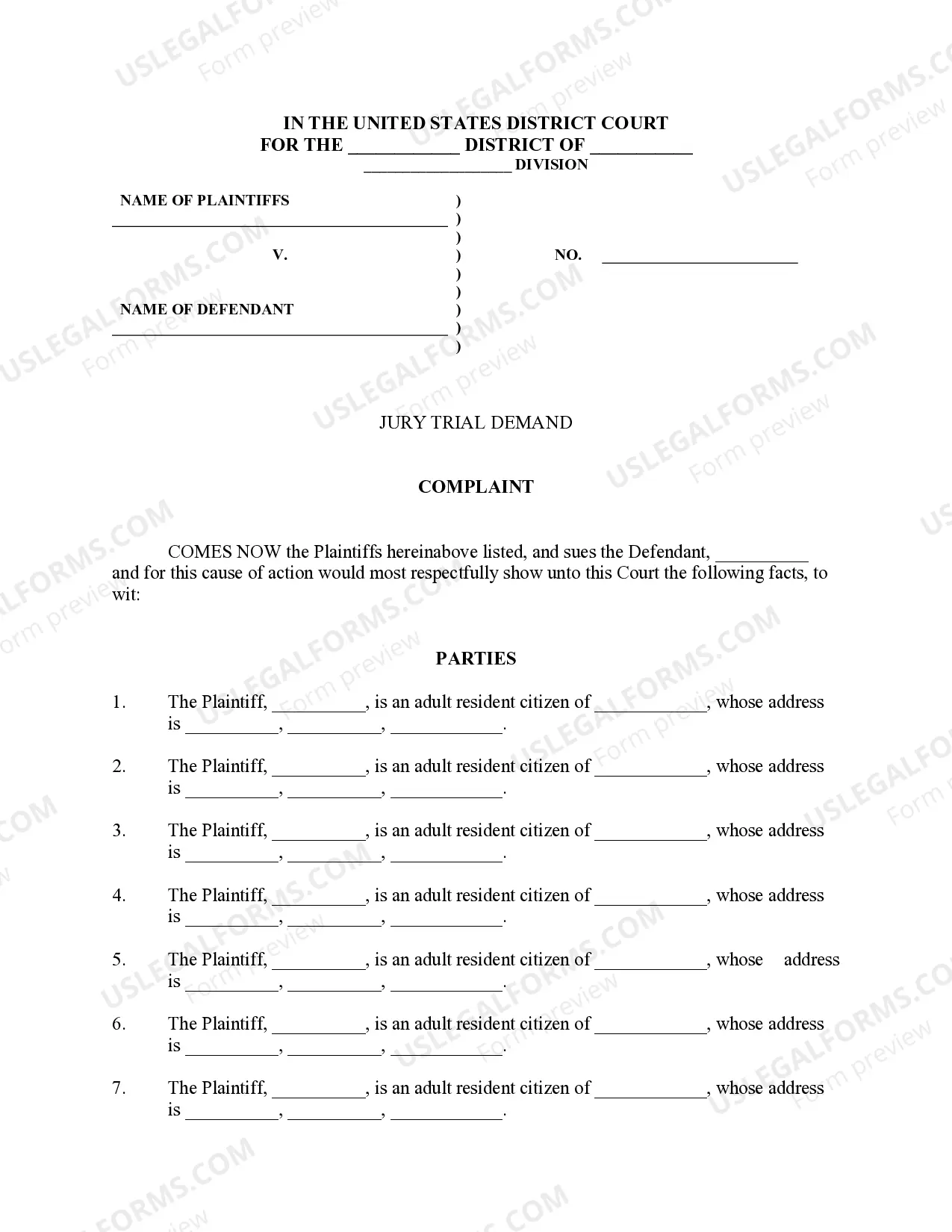
Free preview
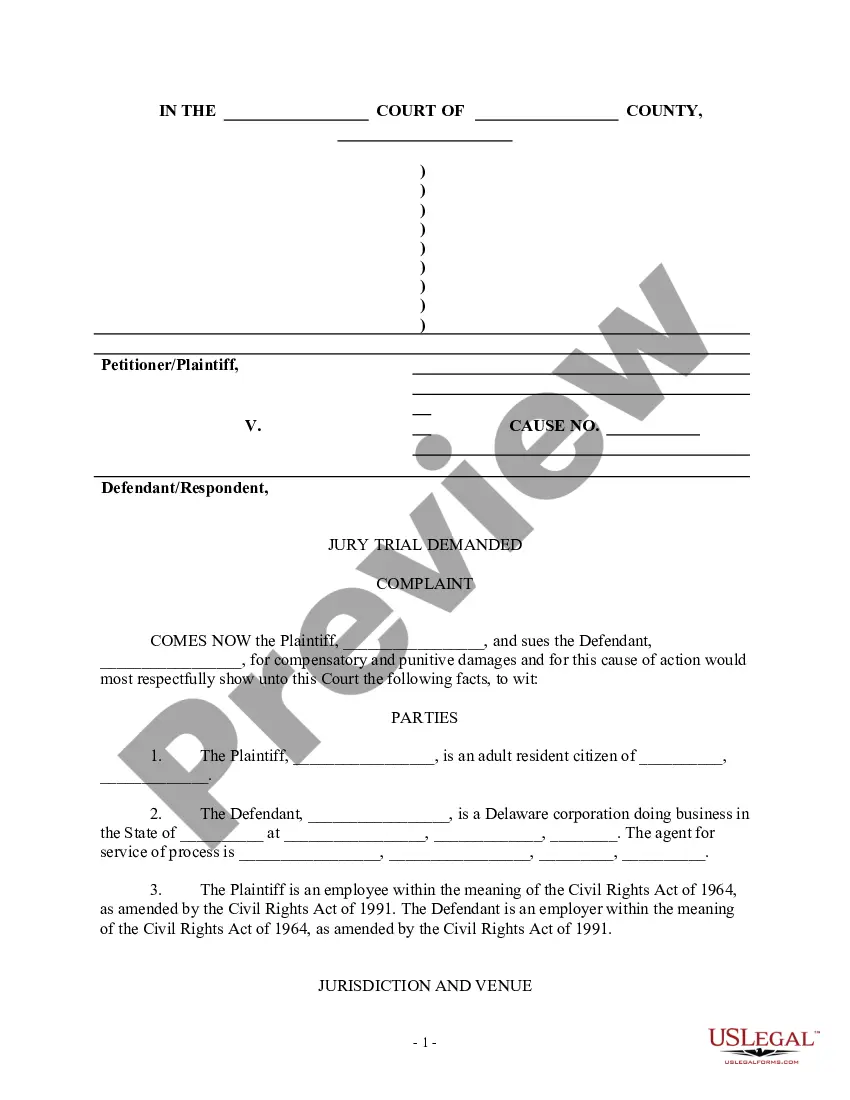
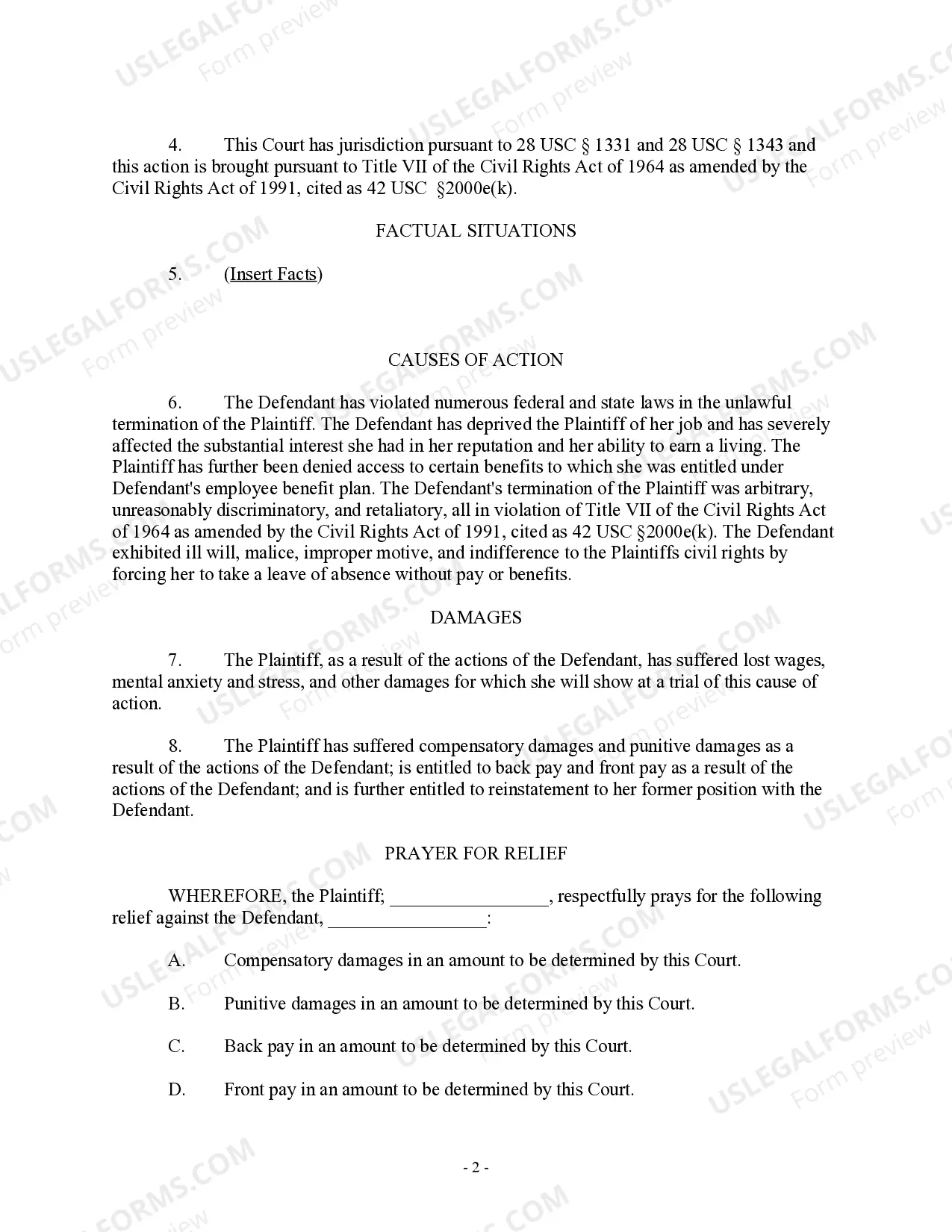
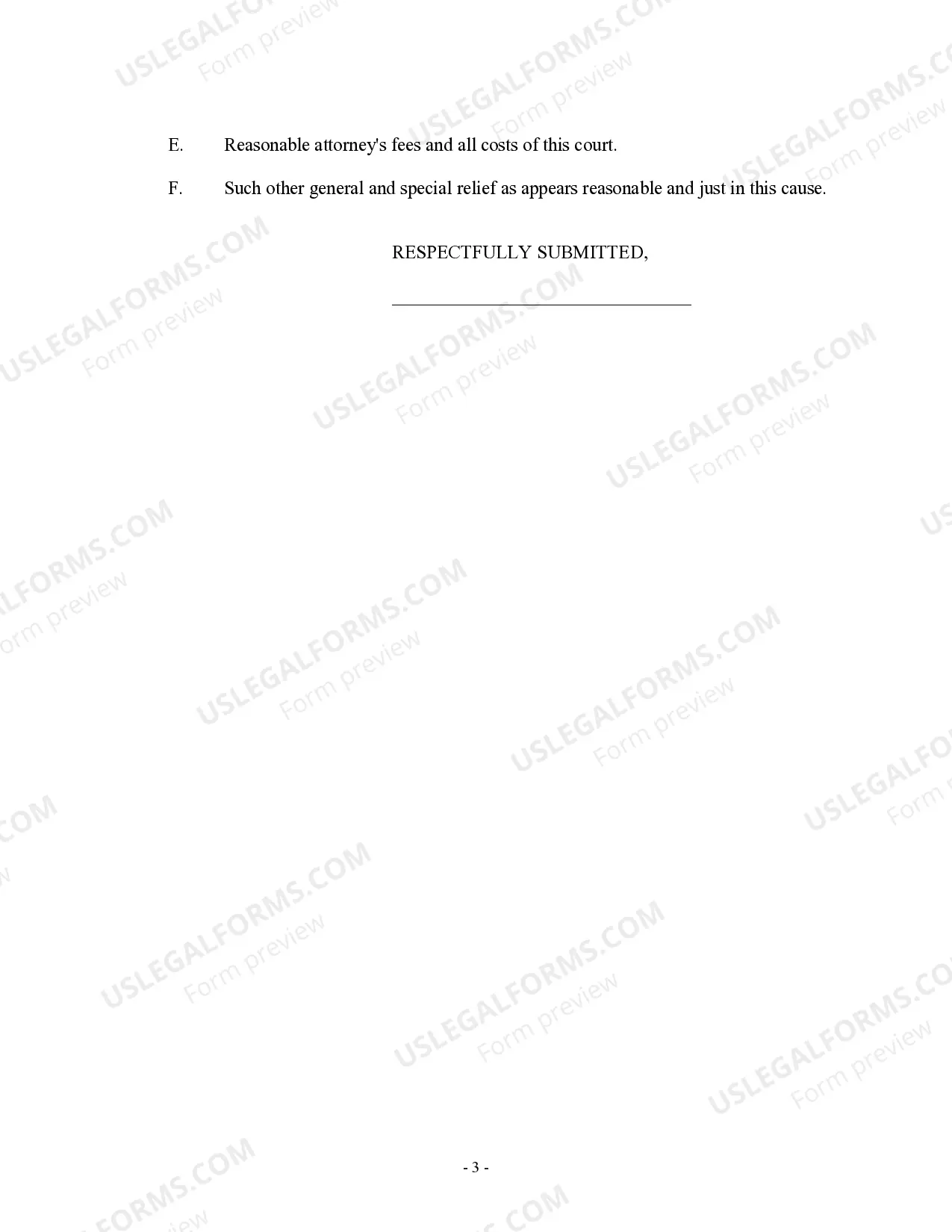
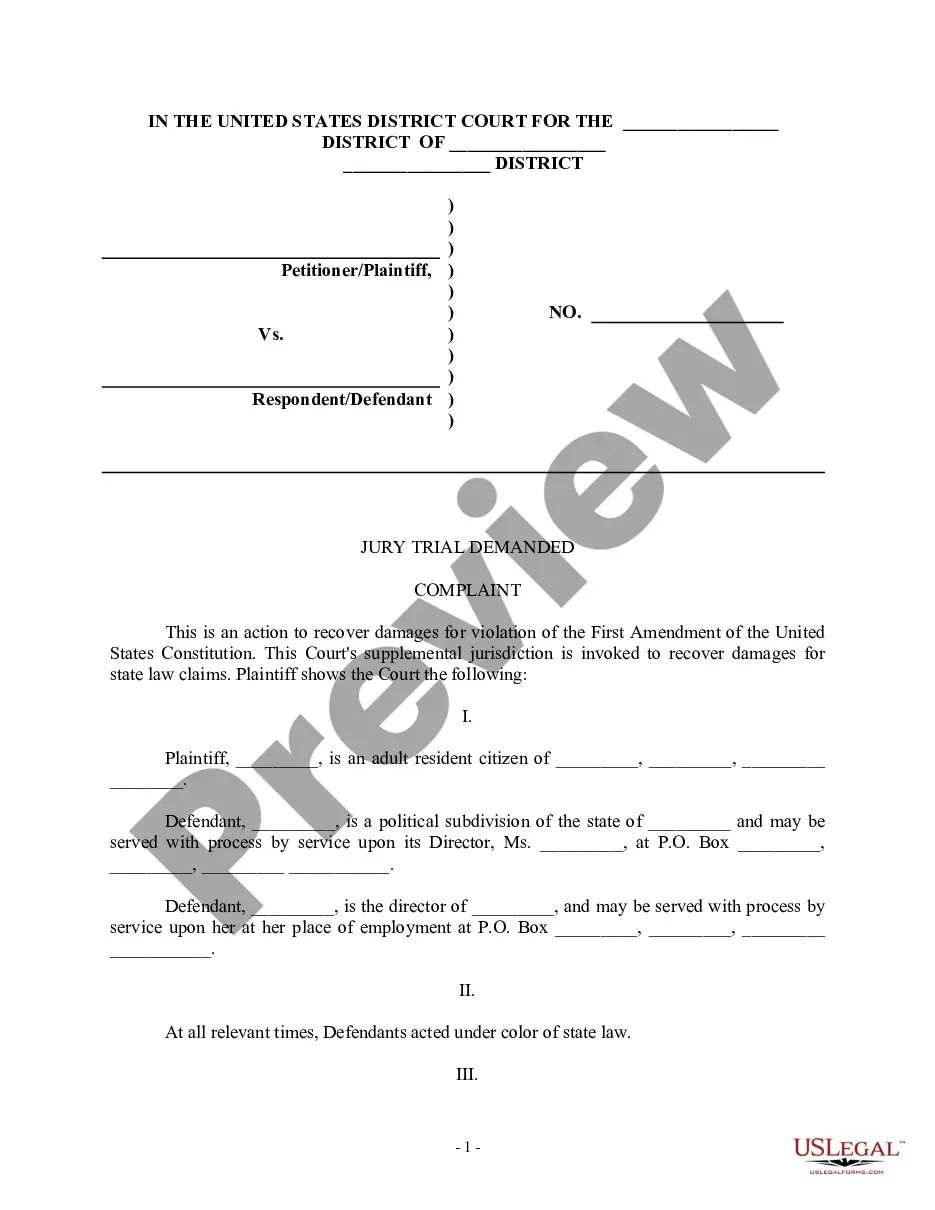
Get your form ready online
Our built-in tools help you complete, sign, share, and store your documents in one place.
Built-in online Word editor
Make edits, fill in missing information, and update formatting in US Legal Forms—just like you would in MS Word.
Export easily
Download a copy, print it, send it by email, or mail it via USPS—whatever works best for your next step.
E-sign your document
Sign and collect signatures with our SignNow integration. Send to multiple recipients, set reminders, and more. Go Premium to unlock E-Sign.
Notarize online 24/7
If this form requires notarization, complete it online through a secure video call—no need to meet a notary in person or wait for an appointment.
Store your document securely
We protect your documents and personal data by following strict security and privacy standards.

Make edits, fill in missing information, and update formatting in US Legal Forms—just like you would in MS Word.

Download a copy, print it, send it by email, or mail it via USPS—whatever works best for your next step.

Sign and collect signatures with our SignNow integration. Send to multiple recipients, set reminders, and more. Go Premium to unlock E-Sign.

If this form requires notarization, complete it online through a secure video call—no need to meet a notary in person or wait for an appointment.

We protect your documents and personal data by following strict security and privacy standards.
Looking for another form?
Form popularity
FAQ
10 Weird and Wonderful Cases Every Law Student Should Know About Miller v Jackson. Carlill v the Carbolic Smoke Ball Co. Leonard v PepsiCo. Proctor & Gamble v HM Revenue & Customs. Re A (conjoined twins) ... R v Dudley and Stephens. Hollywood Silver Fox Farm v Emmett. R v Thabo-Meli.
Ferguson in the 1896 case and Brown v. Board of Education in 1954, probably the most famous of all civil rights cases, the Brown case.
Above, a portrait of plaintiff William Marbury. Marbury v. Madison, arguably the most important case in Supreme Court history, was the first U.S. Supreme Court case to apply the principle of "judicial review" -- the power of federal courts to void acts of Congress in conflict with the Constitution.
Five Most Common Case Types 1) Contract Disputes. Contract disputes occur when one or more parties, typically in a business context, are unable to fulfill their contractual obligations for various reasons. 2) Torts. 3) Class Action. 4) Complaints Against The City. 5) Property Disputes.
Landmark United States Supreme Court Cases Marbury v. Madison (1803) ... McCulloch v. Maryland (1819) ... Gibbons v. Ogden (1824) ... Dred Scott v. Sandford (1857) ... Schenck v. United States (1919) ... Brown v. Board of Education (1954) ... Gideon v. Wainwright (1963) ... Miranda v. Arizona (1966)
Timeline of How to File a Lawsuit Step 1: File a Complaint. Plaintiff files a complaint and summons with the local county court. Step 2: Answer Complaint. Step 3: Discovery. Step 4: Failing to Respond to Discovery. Step 5: Conclusion of Lawsuit.
Please contact our Civil Process section at fcso.civilprocess@fultoncountyga or 404-612-3681.
Superior Courts of Georgia. The Superior Courts of Georgia is a court of general jurisdiction handling both civil and criminal law actions. Superior Court Judges preside over cases involving misdemeanors, contract disputes, premises liability, and various other actions.
The Plaintiff (the one filing the action) must electronically file a sworn statement with the Clerk of Magistrate Court, describing the charges against the Defendant (the person or business against whom the claim is brought). This Statement of Claim provides each party with the reason for the lawsuit.
You start a lawsuit by filing a complaint. In some circumstances, you file a petition or a motion. The court has several complaint forms that you may use in drafting your complaint. The forms are available online and at the Pro Se Intake Unit.