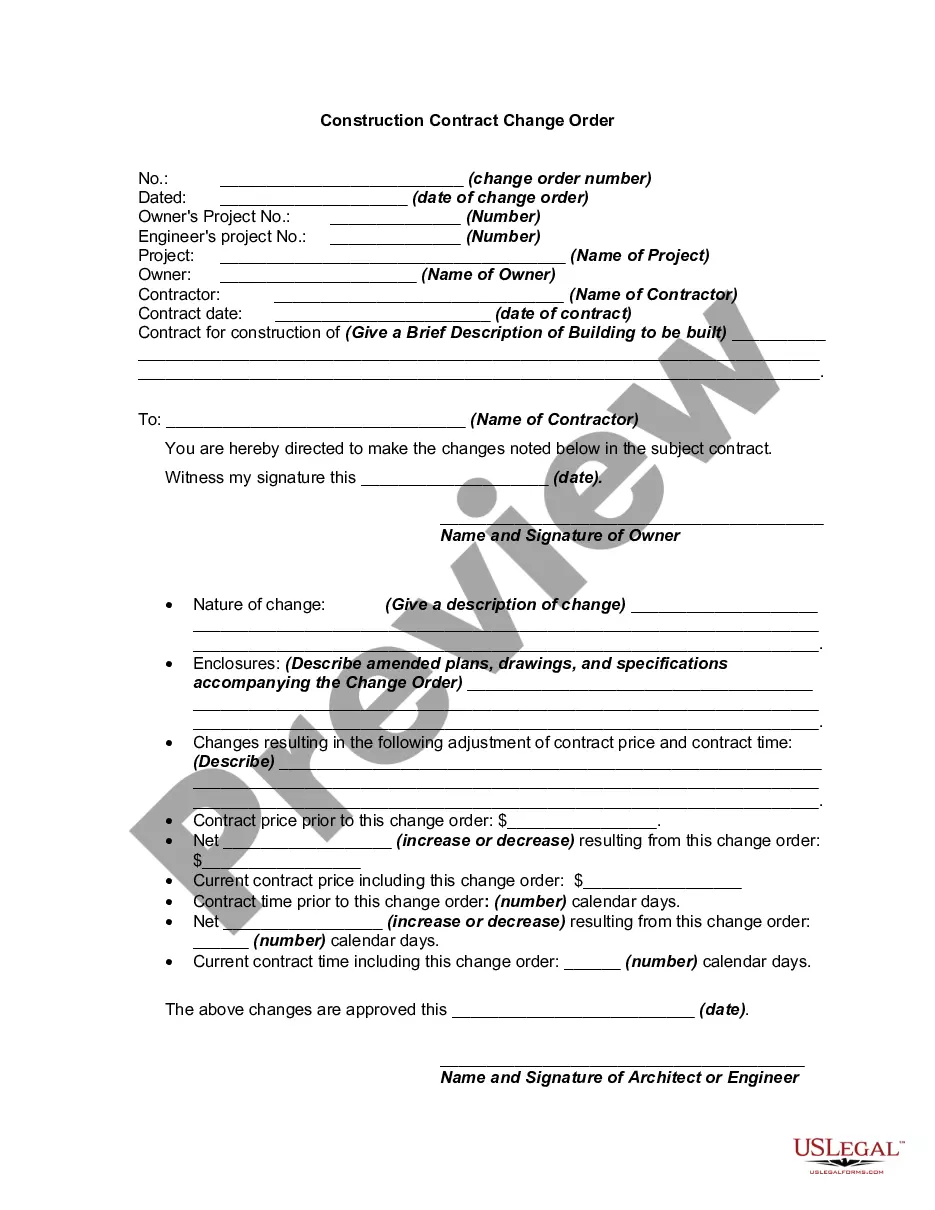
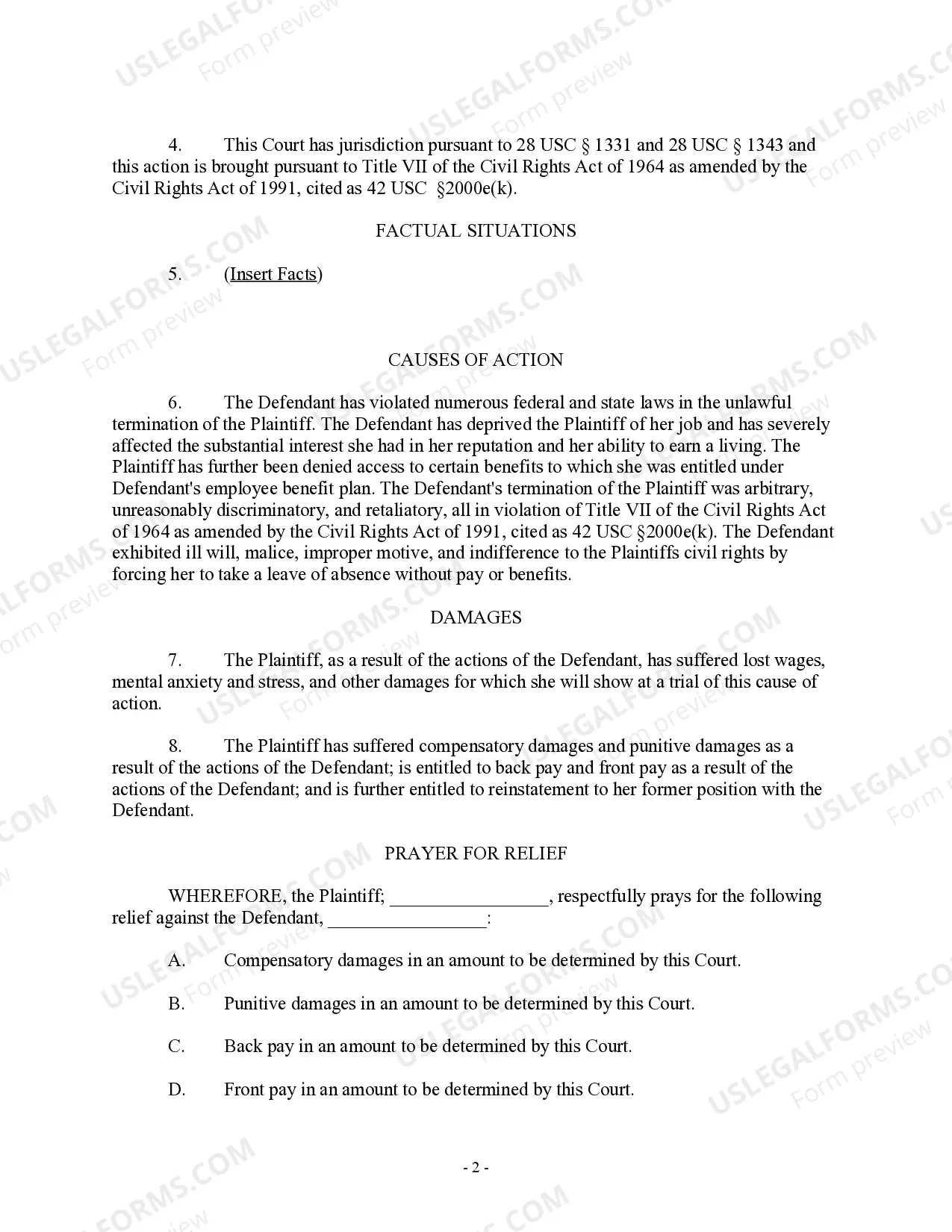
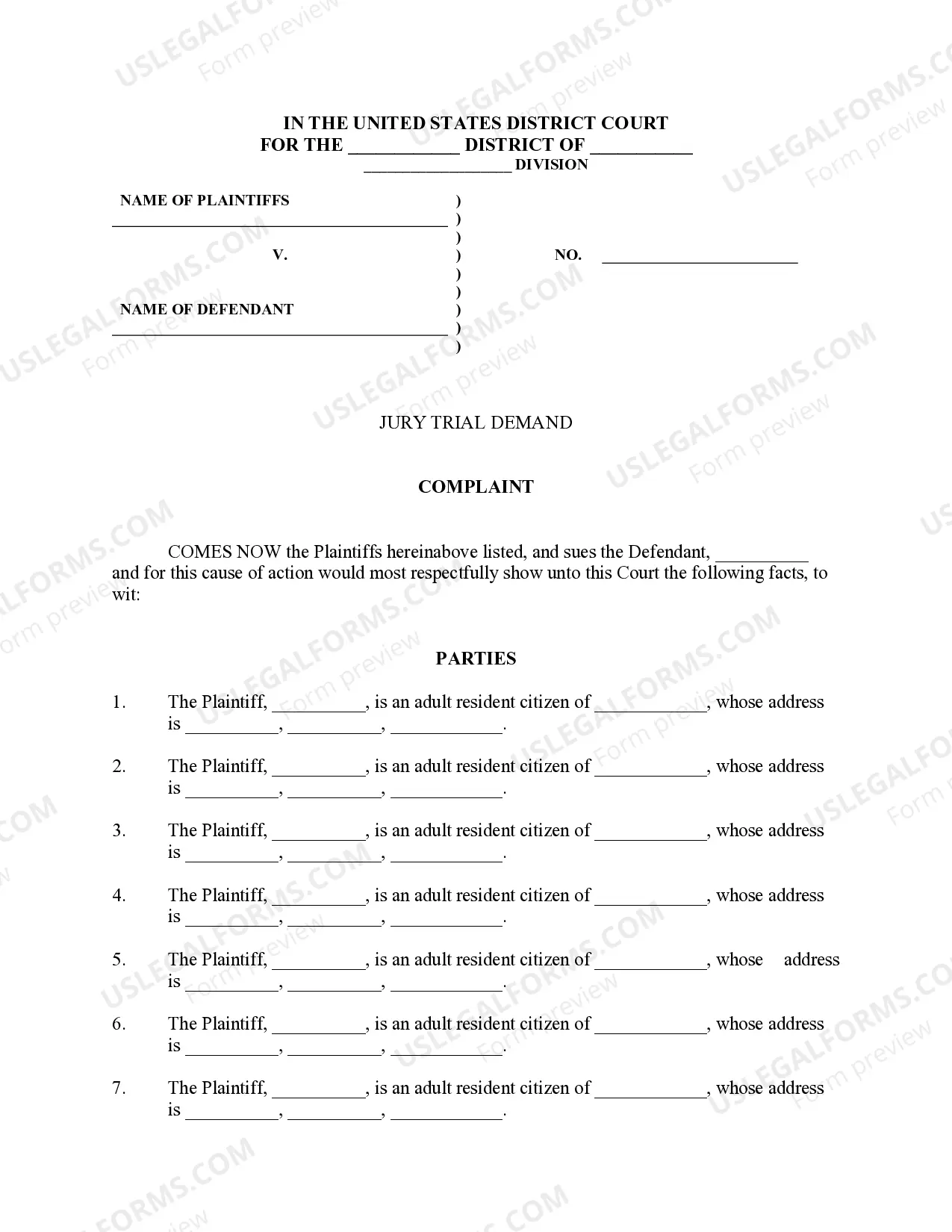
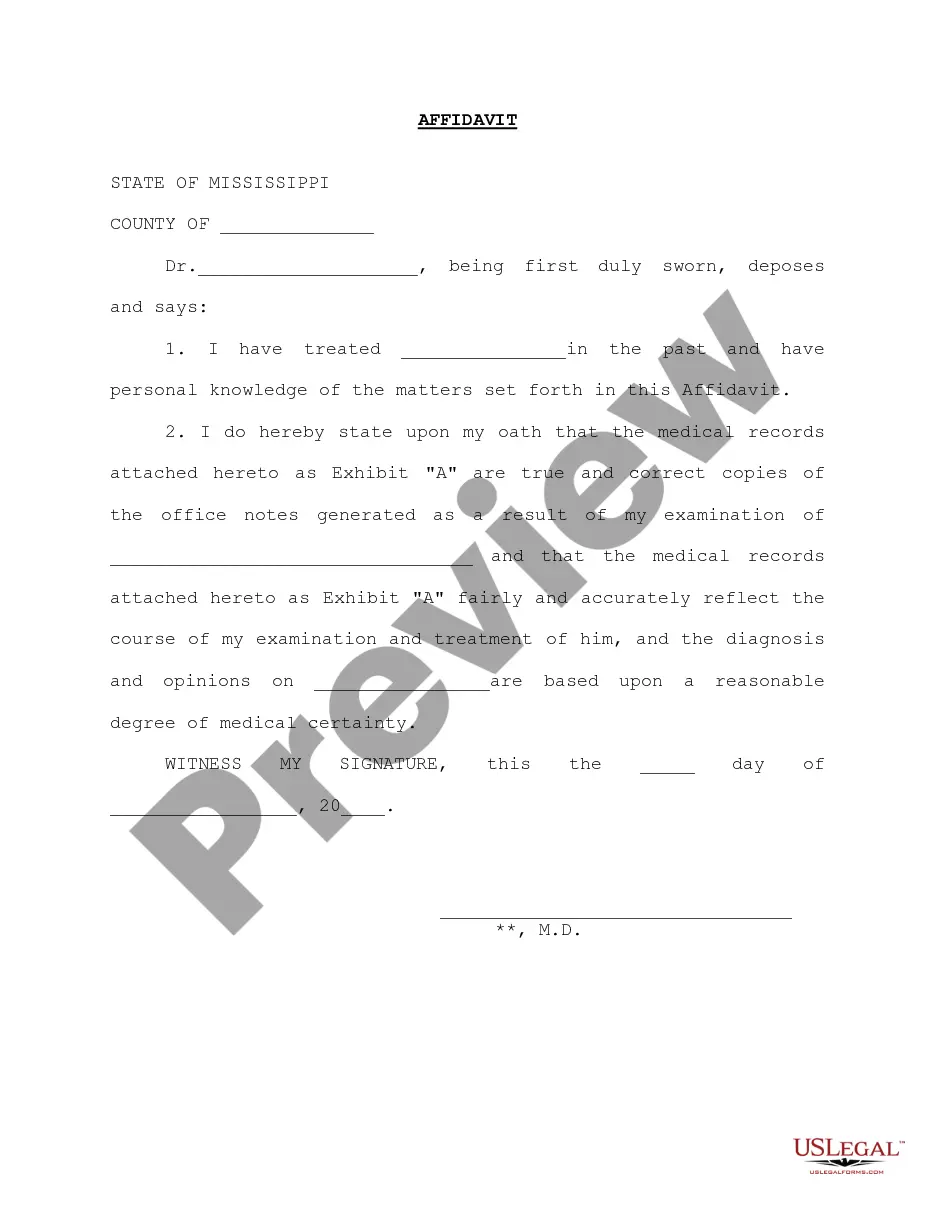
This is a multi-state form covering the subject matter of the title.
Wrongful Termination Court Form California In Cook
State:
Multi-State
Category:
County:
Cook
Control #:
US-000291
Format:
Word;
Rich Text
99 downloads
Description
Free preview





Get your form ready online
Our built-in tools help you complete, sign, share, and store your documents in one place.
Built-in online Word editor
Make edits, fill in missing information, and update formatting in US Legal Forms—just like you would in MS Word.
Export easily
Download a copy, print it, send it by email, or mail it via USPS—whatever works best for your next step.
E-sign your document
Sign and collect signatures with our SignNow integration. Send to multiple recipients, set reminders, and more. Go Premium to unlock E-Sign.
Notarize online 24/7
If this form requires notarization, complete it online through a secure video call—no need to meet a notary in person or wait for an appointment.
Store your document securely
We protect your documents and personal data by following strict security and privacy standards.

Make edits, fill in missing information, and update formatting in US Legal Forms—just like you would in MS Word.

Download a copy, print it, send it by email, or mail it via USPS—whatever works best for your next step.

Sign and collect signatures with our SignNow integration. Send to multiple recipients, set reminders, and more. Go Premium to unlock E-Sign.

If this form requires notarization, complete it online through a secure video call—no need to meet a notary in person or wait for an appointment.

We protect your documents and personal data by following strict security and privacy standards.
Looking for another form?









Form popularity
FAQ
How to File a Complaint with California's Labor Commissioner for Wrongful Termination Step 1: Understand Wrongful Termination. Step 2: Gather Supporting Evidence. Step 3: Contact the Labor Commissioner's Office. Step 4: Complete the Required Forms. Step 5: Submit the Complaint. Step 6: Review the Investigation Process:
A party seeking dismissal of a case under Code of Civil Procedure sections 583.410-583.430 must serve and file a notice of motion at least 45 days before the date set for hearing of the motion. The party may, with the memorandum, serve and file a declaration stating facts in support of the motion.
California Civil Rights Department (CRD): Formerly known as the DFEH, the CRD handles claims of workplace discrimination, harassment, and retaliation under California law. Following their review, the CRD may issue a “right-to-sue” notice, which permits you to move forward with a lawsuit.
They have to show that being fired broke a contract, a law against discrimination, or public policy. This usually means showing proof, like written contracts, comments from their bosses, or records of discriminatory behavior, retaliation, or violations of their protected rights that led to their firing.
Proving a case of wrongful termination involves presenting compelling evidence, such as the following: Employment Records: Maintain detailed records of employment, including performance evaluations, commendations, and any documents indicating positive job performance.
If you believe you've been wrongfully terminated in California, you may have grounds to take legal action against your former employer. To pursue a wrongful dismissal claim, you must demonstrate that your employer terminated you in violation of California labor laws or public policy.
Reach out to the Labor Commissioner's Office to initiate the complaint process. You can visit their official website or contact them by phone to inquire about the required forms and procedures. The Labor Commissioner's Office will guide you through the process and address any specific questions you may have.
You must prove that your firing violated California labor laws or public policy. Documentation and witness statements are essential in establishing this. Causation. You must show a direct link between your termination and the illegal reason, such as discrimination or retaliation.