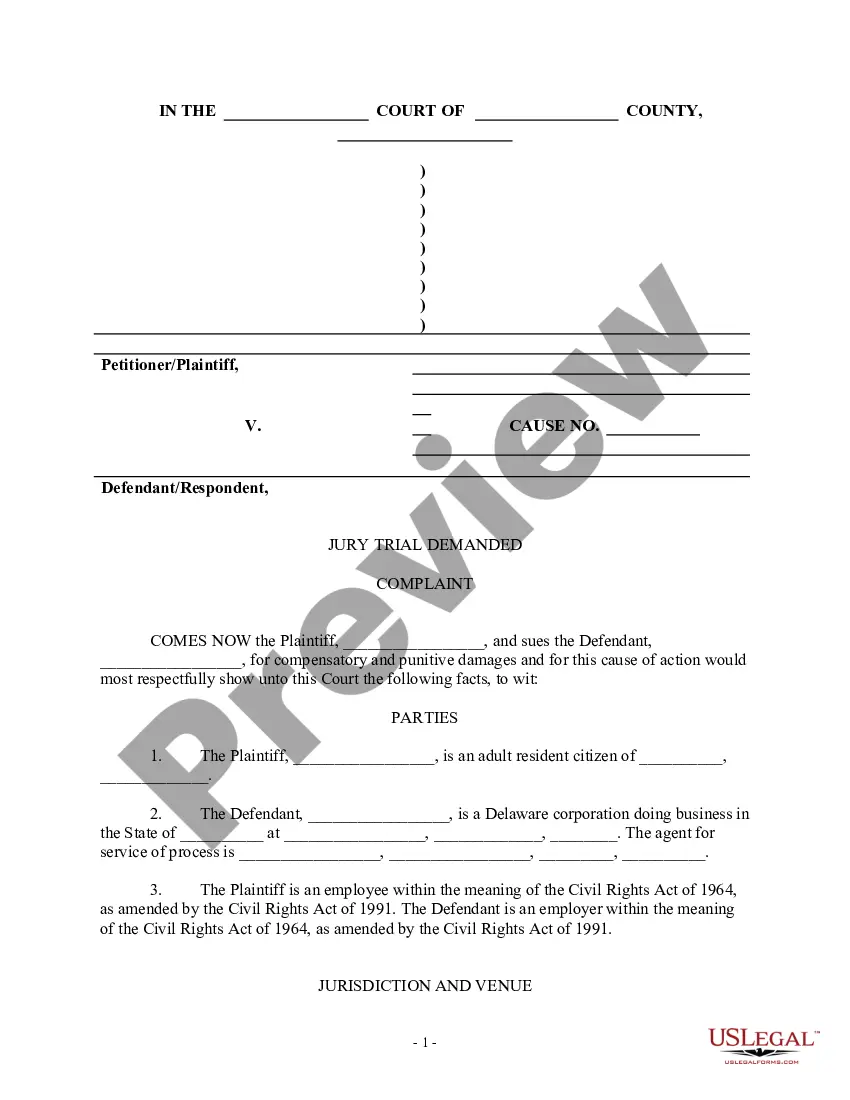
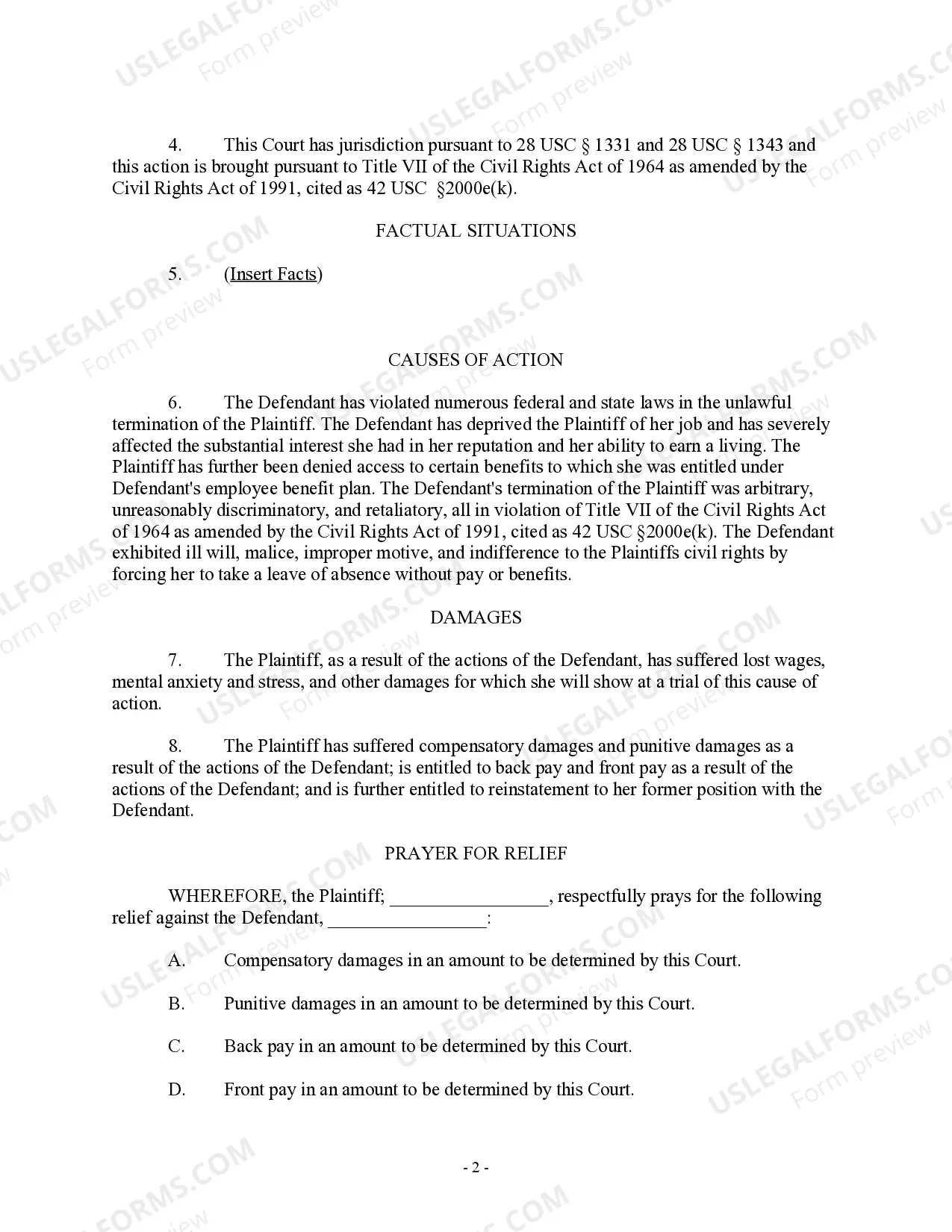
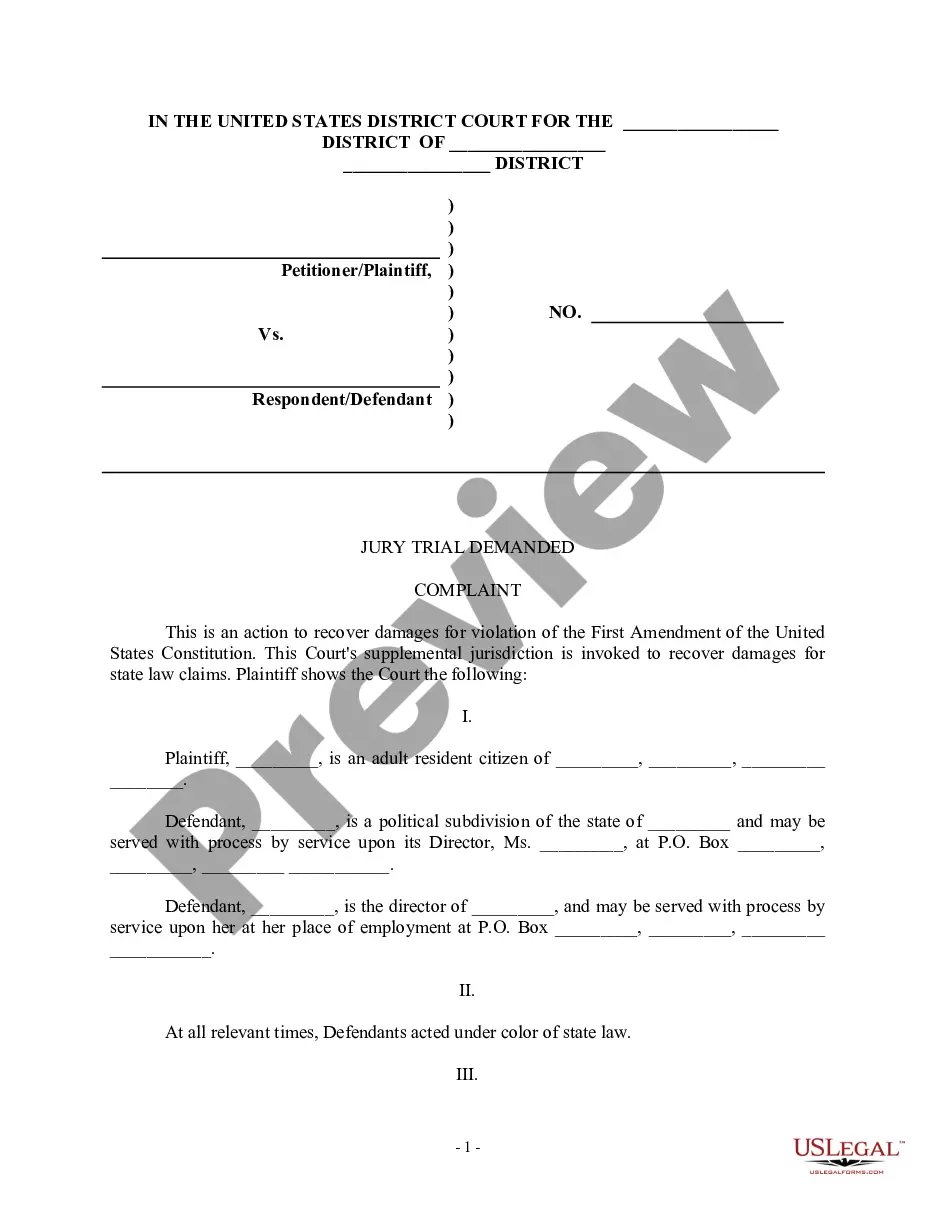
This is a multi-state form covering the subject matter of the title.
Civil Rights In Court In Collin
State:
Multi-State
Category:
County:
Collin
Control #:
US-000291
Format:
Word;
Rich Text
99 downloads
Description
Free preview

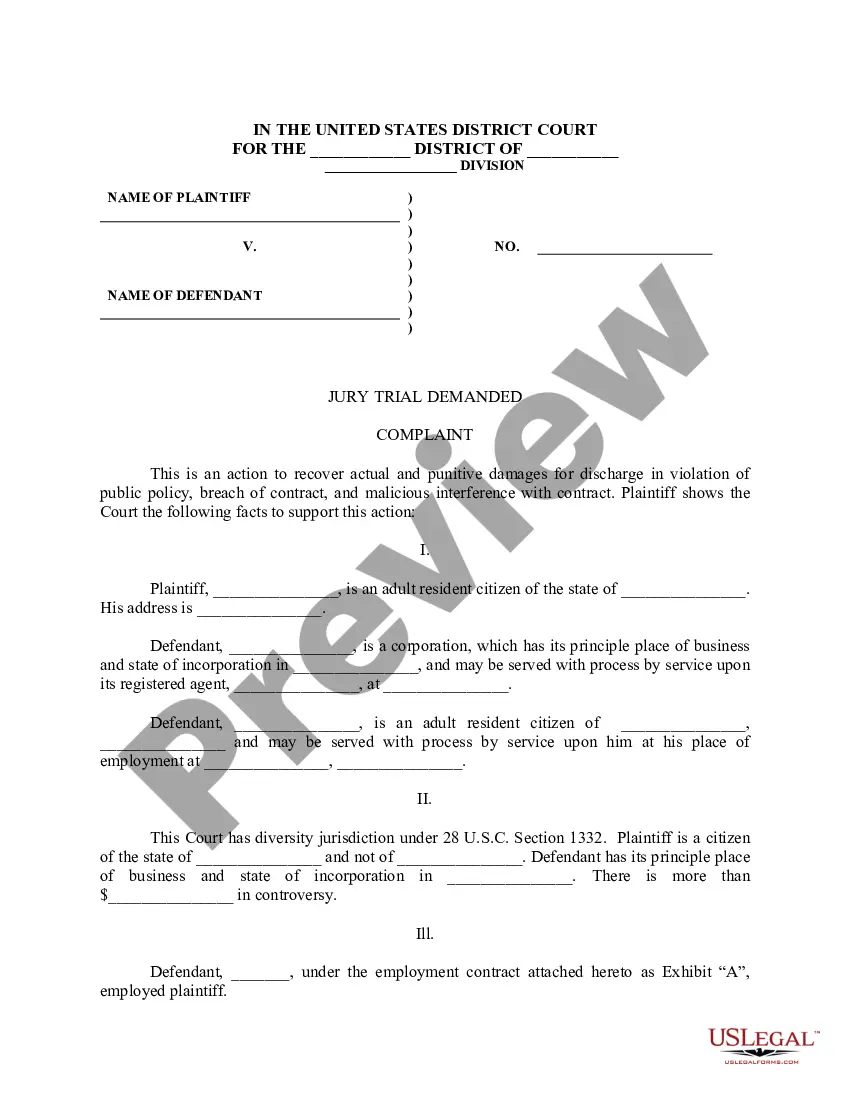
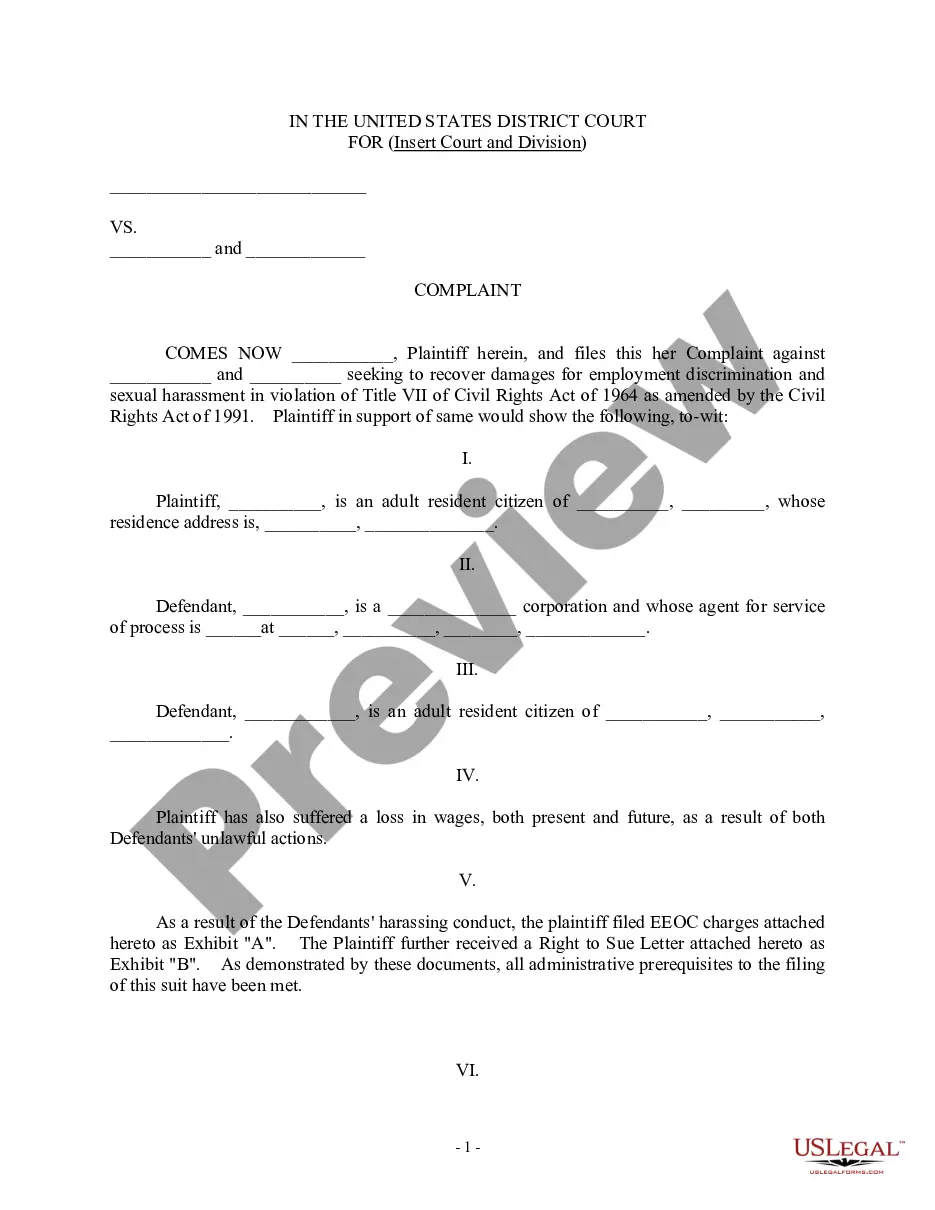
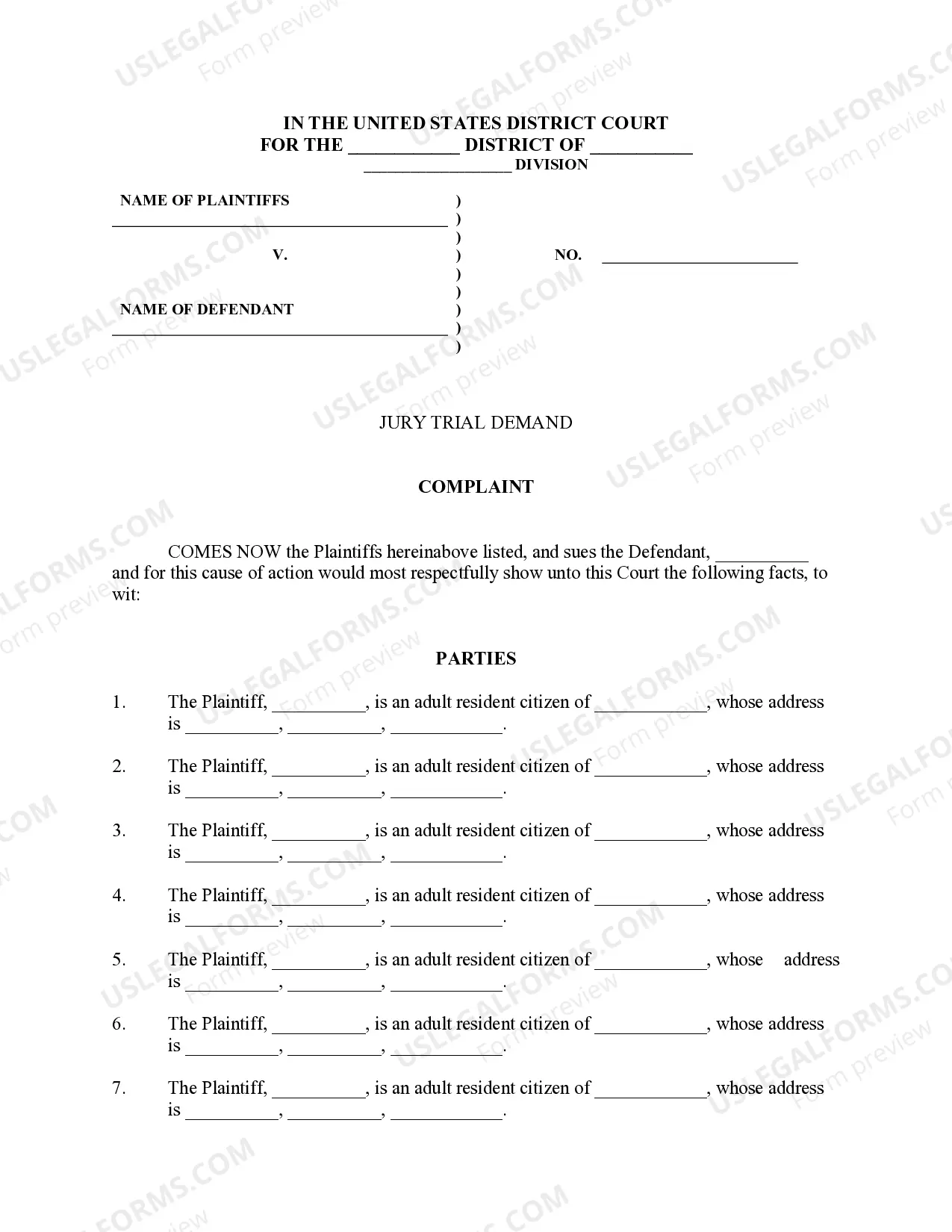
Get your form ready online
Our built-in tools help you complete, sign, share, and store your documents in one place.
Built-in online Word editor
Make edits, fill in missing information, and update formatting in US Legal Forms—just like you would in MS Word.
Export easily
Download a copy, print it, send it by email, or mail it via USPS—whatever works best for your next step.
E-sign your document
Sign and collect signatures with our SignNow integration. Send to multiple recipients, set reminders, and more. Go Premium to unlock E-Sign.
Notarize online 24/7
If this form requires notarization, complete it online through a secure video call—no need to meet a notary in person or wait for an appointment.
Store your document securely
We protect your documents and personal data by following strict security and privacy standards.

Make edits, fill in missing information, and update formatting in US Legal Forms—just like you would in MS Word.

Download a copy, print it, send it by email, or mail it via USPS—whatever works best for your next step.

Sign and collect signatures with our SignNow integration. Send to multiple recipients, set reminders, and more. Go Premium to unlock E-Sign.

If this form requires notarization, complete it online through a secure video call—no need to meet a notary in person or wait for an appointment.

We protect your documents and personal data by following strict security and privacy standards.
Looking for another form?
Form popularity
FAQ
Abstract of Judgment: If the defendant owns real property (land), you can get an abstract of judgment from the court that issued the judgment and file it with the county clerk in the county or counties where the defendant owns the property.
In counties having statutory county courts, the district courts generally have exclusive jurisdiction in civil cases where the amount in controversy is $200,000 or more, and concurrent jurisdiction with the statutory county courts in cases where the amount in controversy exceeds $500 but is less than $200,000.
At the highest level, the Texas Supreme Court hears civil cases and the Texas Court of Criminal Appeals hears criminal cases. For information on court proceedings and procedural rules, see the Texas court rules page.
Typically, the district court handles criminal cases and felonies, while the county court handles everything else (like misdemeanors, traffic offenses, etc.). However, the size of a county makes a difference. In small counties, both courts hear a wide variety of different matters.
The ruling in the Civil Rights Cases not only barred Congress from taking affirmative steps against racial discrimination but permitted states to legally allow private discrimination simply by looking the other way, which they did.
JURISDICTION: The Supreme Court of Texas has statewide, final appellate jurisdiction in civil and juvenile cases, and original jurisdiction to issue writs.
All civil cases filed in JP Courts now fall under Justice Court. The rules of Texas Rules of Civil Procedure Part V, Rule 500 through 510 govern these cases. There are four (4) types of civil cases that can be filed in Justice Court: Evictions, Small Claims, Debt Claims, and Repair and Remedy.
Some examples of civil cases are cases about family issues, such as divorce, child support, child custody, and name changes. Some other examples of civil cases are cases about paying for a home, repairing an apartment, damage to property, and collecting on a debt.
The limit to the amount that a person can sue for in small claims cases is $20,000. Justice courts can also settle landlord/tenant disputes such as evictions and repairs.
The most common complaint involves allegations of color of law violations. Another common complaint involves racial violence, such as physical assaults, homicides, verbal or written threats, or desecration of property.